
Trends in Fashion Merchandising: Expert Insights
The fashion merchandising industry stands at a transformative crossroads, where data-driven strategies meet creative storytelling and sustainability reshapes every decision. Today’s merchandisers navigate an increasingly complex landscape where consumer expectations evolve faster than inventory cycles, and the ability to predict trends has become as crucial as understanding classic retail fundamentals. Whether you’re launching a career in fashion retail or optimizing an established merchandising operation, understanding current industry trends is essential for success.
Modern fashion merchandising extends far beyond selecting inventory and arranging displays. It encompasses omnichannel strategy, predictive analytics, sustainability commitments, and emotional brand connection. The professionals thriving in this field combine analytical prowess with creative vision, understanding that every product placement tells a story and every collection launch represents months of research, planning, and market intuition. As consumer behavior continues shifting toward digital-first interactions and conscious consumption, the fashion merchandising industry evolves to meet these demands with innovation and purpose.
Data-Driven Merchandising Strategy
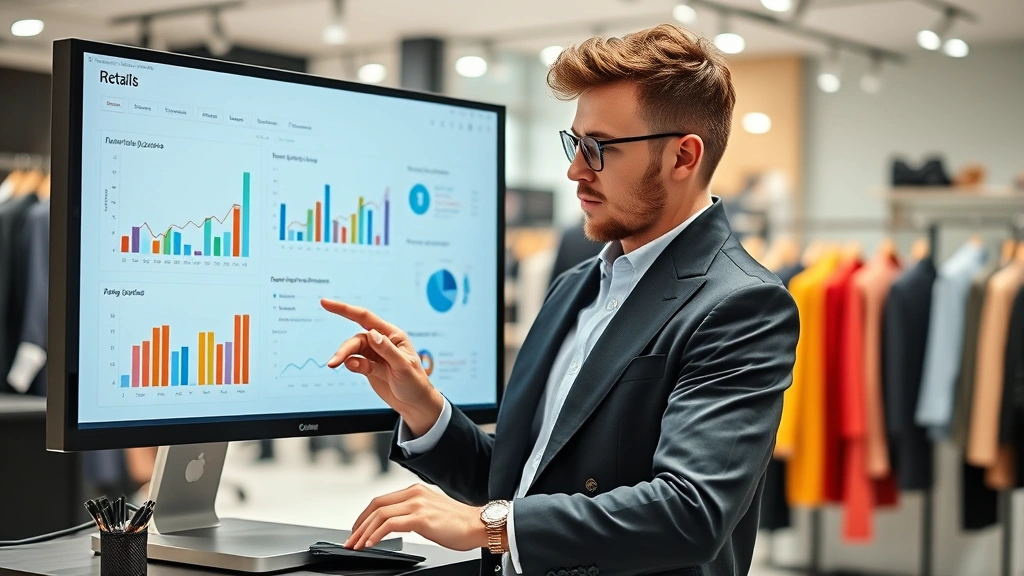
The shift toward data-driven decision-making represents perhaps the most significant transformation in contemporary fashion merchandising. Rather than relying solely on intuition and seasonal trends, modern merchandisers harness sophisticated analytics platforms to understand consumer behavior at granular levels. This approach enables predictive modeling for inventory optimization, reducing both overstock situations and missed sales opportunities that plague traditional retail.
According to Vogue Business, leading fashion houses now employ dedicated data teams that analyze everything from social media sentiment to real-time sales velocity. These insights inform assortment planning, pricing strategies, and promotional calendars with unprecedented precision. Merchandisers can now identify emerging size preferences, color preferences, and style combinations before they become mainstream, allowing brands to position themselves as trendsetters rather than trend-followers.
The integration of artificial intelligence and machine learning into merchandising workflows has accelerated this transition. Algorithms can now predict which SKUs will perform in specific geographic markets, seasonal windows, and demographic segments. This capability transforms merchandising from reactive to proactive, allowing teams to allocate resources more efficiently and minimize markdown rates. Forward-thinking companies are already seeing significant returns on investment through reduced inventory carrying costs and improved sell-through rates.
Sustainability and Ethical Sourcing
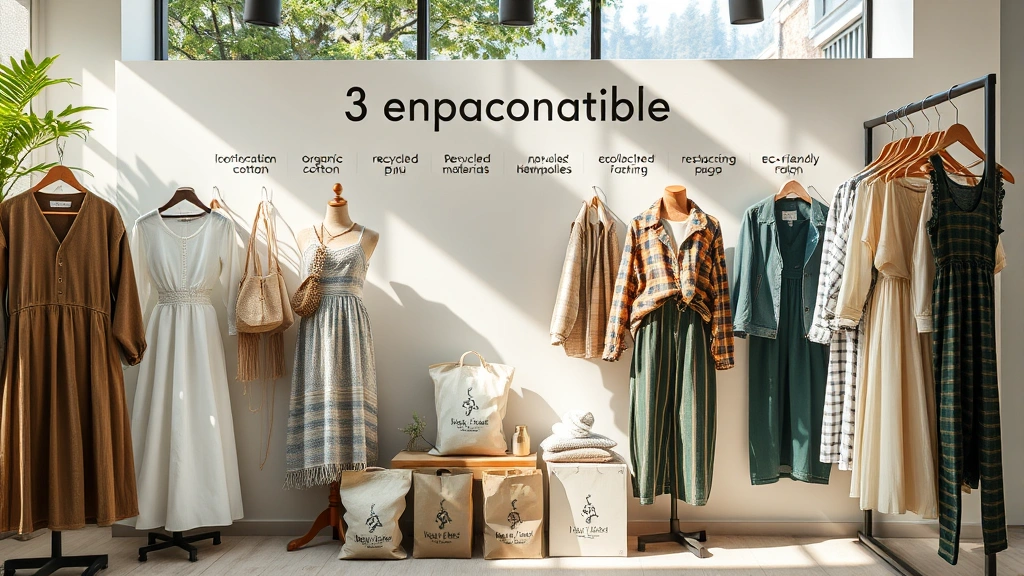
Sustainability has transcended marketing buzzword status to become a fundamental business imperative in fashion merchandising. Today’s consumers, particularly younger demographics, actively research brand supply chains and production practices before making purchases. This shift has forced merchandisers to reconsider every aspect of their product selection process, from material sourcing to manufacturing partnerships.
Leading fashion merchandisers now prioritize sustainable materials and ethical manufacturing practices as core selection criteria. This includes sourcing organic cotton, recycled polyester, innovative plant-based fabrics, and materials from suppliers with certified fair labor practices. The challenge lies in balancing sustainability commitments with profitability and consumer price expectations—a complexity that separates exceptional merchandisers from average performers.
Transparency has become a competitive advantage. Brands that openly communicate their sustainability efforts, including challenges and progress metrics, build stronger customer loyalty and command premium pricing. Forward-thinking merchandisers are partnering with suppliers who share their values and can provide detailed traceability information. This approach requires deeper relationships with manufacturers and more thoughtful assortment planning, but the long-term benefits in brand reputation and customer retention justify the effort.
The circular economy represents another frontier in sustainable merchandising. Some innovative brands now design collections specifically for resale or recycling, incorporating take-back programs and designing for longevity. This paradigm shift requires merchandisers to think beyond seasonal collections and consider the entire product lifecycle.
Omnichannel Integration
The boundaries between online and offline retail have dissolved completely, creating an imperative for seamless omnichannel merchandising strategies. Today’s consumers expect to browse online, try on in-store, purchase via mobile, and pick up at convenient locations—all within the same shopping journey. This fluidity demands that merchandisers maintain consistent inventory visibility, pricing, and messaging across all touchpoints.
Successful omnichannel merchandising requires sophisticated inventory management systems that provide real-time visibility across physical stores, warehouses, and digital platforms. Customers increasingly expect to see accurate stock information, ship-from-store capabilities, and unified loyalty programs regardless of channel. Merchandisers who can navigate these complexities gain significant competitive advantages in market share and customer lifetime value.
The integration of digital and physical spaces has also transformed visual merchandising strategy. What displays well on an Instagram feed may not translate to effective in-store presentation, and vice versa. Leading merchandisers now coordinate visual strategies across channels, ensuring that collections tell consistent stories while respecting the unique characteristics of each medium. This requires collaboration between digital, retail, and creative teams—a structural change that many organizations are still navigating.
Technology platforms enabling omnichannel merchandising continue evolving rapidly. Modern merchandising software can now track customer journeys across channels, enabling personalized recommendations and targeted promotions. The most sophisticated systems integrate with customer relationship management platforms, creating unified customer profiles that inform merchandising decisions at every touchpoint.
Personalization at Scale
Mass personalization represents a frontier that was technically impossible just five years ago but is now becoming standard practice among leading fashion retailers. Merchandisers can now deliver individualized product recommendations, customized email campaigns, and personalized shopping experiences to millions of customers simultaneously. This capability transforms merchandising from broadcast to narrowcast, dramatically improving relevance and conversion rates.
The technology enabling this transformation combines customer data platforms, recommendation engines, and dynamic content delivery systems. When customers visit a brand’s website or mobile app, they see personalized assortments curated based on their browsing history, purchase behavior, style preferences, and even current weather conditions. Email campaigns now feature product recommendations tailored to individual customer segments rather than generic seasonal promotions.
This level of personalization requires merchandisers to think in terms of customer segments rather than broad demographics. A single email list might contain thousands of unique versions, each featuring different products optimized for that recipient’s preferences and propensity to purchase. While this approach demands more sophisticated planning and execution, the conversion rate improvements justify the additional complexity.
The ethical considerations surrounding data collection and personalization cannot be overlooked. Transparent privacy policies, clear opt-in mechanisms, and genuine value delivery are essential for maintaining customer trust while leveraging personalization capabilities. Brands that prioritize privacy alongside personalization are building stronger long-term relationships with increasingly privacy-conscious consumers.
Visual Merchandising Evolution
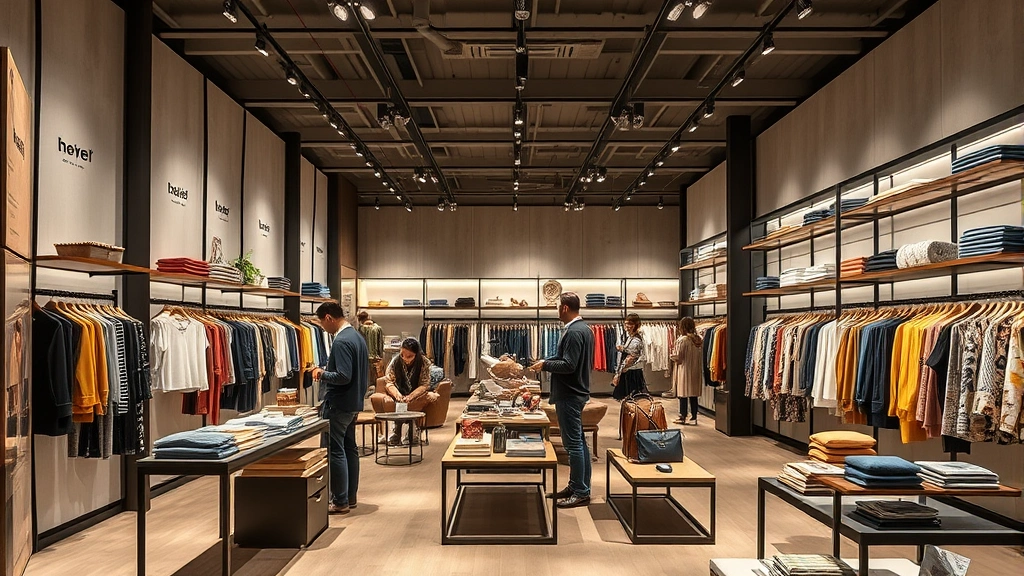
Visual merchandising remains as important as ever, but its definition has expanded dramatically. Beyond traditional in-store displays, visual merchandising now encompasses website design, social media content, digital advertising, and experiential retail environments. The principles remain consistent—using visual elements to tell brand stories and guide customer attention—but the execution has become far more sophisticated and multi-channeled.
Contemporary visual merchandising strategy emphasizes storytelling and emotional connection over pure product display. Rather than simply arranging items by category or price point, skilled merchandisers create curated vignettes that inspire aspirational lifestyles. A well-executed visual merchandising scheme can increase conversion rates by 30-40%, making it a critical component of merchandising strategy that deserves significant investment and expertise.
The rise of social commerce has created new visual merchandising opportunities and challenges. Products featured on Instagram or TikTok must be visually arresting and easy to understand within seconds, as viewers scroll rapidly through feeds. This has elevated the importance of photography, styling, and creative direction to unprecedented levels. Many fashion brands now employ dedicated teams for social content creation, recognizing that visual presentation directly impacts sales velocity.
Experiential retail environments represent another evolution in visual merchandising. Pop-up stores, immersive brand experiences, and interactive installations create memorable touchpoints that deepen customer engagement. Merchandisers working on these projects must balance aesthetic impact with functional retail objectives, ensuring that beautiful spaces also drive sales and customer satisfaction.
Career Opportunities in Fashion Merchandising
The fashion jobs market in NYC and beyond reflects strong demand for skilled merchandisers across retail, wholesale, and brand-side roles. Career paths in merchandising have become increasingly specialized, with opportunities for merchandisers to develop deep expertise in specific areas like assortment planning, inventory optimization, visual merchandising, or digital merchandising.
Entry-level positions typically involve assistant roles in merchandising departments, providing exposure to core functions while building foundational knowledge. These positions often involve data entry, trend research, and support with vendor communication. The transition to full merchandiser roles typically requires 2-3 years of experience plus demonstrated understanding of retail mathematics, trend forecasting, and inventory management.
Senior merchandising positions command significant compensation and influence over brand strategy and performance. Merchandising directors and VPs oversee teams, manage multi-million dollar budgets, and shape category strategies. Success at this level requires combination of analytical skill, creative vision, business acumen, and leadership capability. Professionals aspiring to these roles should pursue continuous learning through fashion design schools and professional certifications.
Specialized roles have emerged in recent years, including digital merchandisers, sustainability merchandisers, and merchandising analysts. These positions reflect the industry’s evolution and the growing importance of specific skill sets. Professionals with expertise in emerging areas like circular economy merchandising or AI-powered personalization command premium compensation and have significant career mobility.
Building a successful merchandising career requires combination of hard skills—understanding retail mathematics, inventory management, and data analysis—and soft skills including communication, collaboration, and creative thinking. Many successful merchandisers recommend gaining exposure to multiple functions within retail, from visual merchandising to buying, to develop well-rounded perspective. Consulting a fashion consultant can provide valuable guidance for career development and strategic planning.
Technology Tools Reshaping the Industry
Technology adoption has become non-negotiable for competitive fashion merchandising. Modern merchandisers rely on sophisticated software platforms for inventory management, demand forecasting, assortment planning, and visual merchandising guidance. These tools provide the analytical foundation for strategic decision-making while automating routine tasks that previously consumed significant time and resources.
Merchandising software platforms now integrate data from multiple sources—point-of-sale systems, e-commerce platforms, social media monitoring, weather data, and consumer trend reports—to provide comprehensive insights. Advanced platforms can predict demand for specific SKUs months in advance, guide markdown optimization, and identify assortment gaps across retail locations. This technological capability levels the playing field somewhat, allowing smaller brands to compete with larger retailers through superior analytics and strategy.
Visual merchandising has been enhanced by technology tools that simulate store layouts, predict customer traffic patterns, and optimize product placement for maximum impact. Some platforms use augmented reality to allow merchandisers to visualize displays before physical implementation, reducing errors and improving consistency across multiple locations. This technology also enables remote collaboration, allowing merchandising teams to work together across geographic locations.
Fashion design software has evolved to support merchandising functions, enabling designers and merchandisers to collaborate more effectively. These tools facilitate communication about color, fit, and styling details, reducing the need for physical samples and accelerating product development cycles. Integration between design and merchandising systems ensures that products are designed with sellability in mind from inception.
Artificial intelligence continues advancing merchandising capabilities. Machine learning algorithms can now analyze customer reviews to identify product quality issues or desired features, informing future assortment decisions. Chatbots and virtual assistants powered by AI help customers find products matching their preferences, essentially extending merchandising expertise to every customer interaction. Predictive analytics using AI can identify which products will become bestsellers or slow-movers with accuracy that surpasses human intuition.
The investment required for these technology platforms is substantial, but the return on investment justifies the expenditure for brands serious about merchandising excellence. Platforms typically integrate with existing retail systems, requiring thoughtful implementation planning and team training. Organizations that successfully adopt these technologies gain significant competitive advantages in inventory optimization, faster inventory turnover, and improved profitability.
For professionals seeking to advance their careers in merchandising, technical skills are increasingly valuable. Understanding how to extract insights from data, interpret analytics dashboards, and collaborate with technology teams has become essential. Many successful merchandisers now have backgrounds in business analytics, data science, or information technology, reflecting the technical sophistication of modern merchandising roles.
The StyleLoom Daily Blog regularly covers emerging technologies and their applications in fashion merchandising, providing valuable resources for professionals seeking to stay current with industry developments. Similarly, exploring insights from McKinsey’s retail insights can provide broader perspective on industry transformation and strategic implications.
FAQ
What qualifications do I need to become a fashion merchandiser?
Most fashion merchandising roles require a bachelor’s degree in fashion merchandising, retail management, business, or related field. However, relevant experience and demonstrated understanding of retail mathematics and trend forecasting can sometimes substitute for formal credentials. Many successful merchandisers also pursue professional certifications through organizations like the National Retail Federation. Exploring fashion influencers and industry leaders can provide insight into diverse career paths and experiences.
How important is trend forecasting in modern merchandising?
Trend forecasting remains critically important, but its role has evolved. Rather than relying solely on intuition, modern merchandisers combine trend forecasting with data analysis and consumer research. Understanding emerging trends helps merchandisers anticipate customer demand and position assortments accordingly, but data-driven insights ensure that trend predictions are validated before significant inventory investment.
What’s the difference between a merchandiser and a buyer?
While these roles often collaborate closely, they have distinct responsibilities. Buyers focus on selecting which products to purchase and negotiating with vendors. Merchandisers focus on how those products are presented, positioned, and sold to customers. Modern retail increasingly requires these roles to work together seamlessly, with merchandisers informing buyers about what sells and buyers considering merchandising feasibility when making purchasing decisions.
How is sustainability impacting merchandising decisions?
Sustainability has become a primary selection criterion for many merchandisers. Beyond material sourcing, merchandisers now consider manufacturing practices, supply chain transparency, and product longevity. This shift requires deeper supplier relationships and more thoughtful assortment planning, but increasingly attracts conscious consumers who prioritize sustainable brands.
What’s the future of fashion merchandising?
The future of fashion merchandising will likely involve even greater personalization powered by artificial intelligence, more sophisticated sustainability practices, and continued evolution of omnichannel retail. Merchandisers will need stronger technical skills, deeper understanding of customer psychology, and commitment to continuous learning as the field evolves. Brands that successfully balance data-driven decision-making with creative vision and ethical responsibility will lead the industry.
How can I develop skills for advanced merchandising roles?
Developing advanced merchandising skills requires combination of on-the-job experience, continuous learning, and strategic skill development. Seek opportunities to work with different product categories, geographic markets, and retail channels to build well-rounded expertise. Pursue professional development through certifications, industry conferences, and advanced training programs. Many professionals also benefit from mentorship with senior merchandisers who can provide guidance and perspective.