
Fashion Tech Courses: Expert Insights into the Future of Style & Innovation
The intersection of fashion and technology has revolutionized how we design, produce, and consume clothing. Fashion industry professionals are increasingly recognizing that technical skills are no longer optional—they’re essential. Whether you’re an aspiring designer, entrepreneur, or industry veteran, understanding what fashion technology courses offer can position you at the forefront of this digital transformation.
Fashion tech education encompasses everything from 3D design software to supply chain management, artificial intelligence in personalization, and sustainable manufacturing technologies. The demand for professionals who understand both aesthetic sensibility and technical prowess has never been higher. Leading fashion houses, from luxury conglomerates to emerging startups, actively recruit graduates from specialized fashion tech programs.
Why Fashion Technology Education Matters Now
The fashion industry generates over $380 billion annually, yet it faces unprecedented challenges: sustainability pressures, supply chain complexity, and rapidly shifting consumer expectations. Technology is the answer. Fashion tech courses bridge the gap between creative vision and technical execution, preparing students to solve real-world industry problems.
Major luxury brands like LVMH, Kering, and Hermès have invested heavily in digital transformation. Meanwhile, innovative startups are disrupting traditional fashion with blockchain authentication, AI-powered sizing recommendations, and virtual try-on technologies. Understanding fashion design software and digital tools is now as fundamental as understanding fabrics and silhouettes.
The global fashion technology market is projected to grow exponentially. According to McKinsey & Company, digital-first businesses in fashion are outperforming traditional competitors by significant margins. This shift has created an urgent need for talent that combines creative sensibility with technical expertise.
Sustainability concerns further amplify this need. Fashion tech courses increasingly emphasize circular economy principles, waste reduction technologies, and ethical manufacturing solutions. Students learn how blockchain tracks garment origins, how AI optimizes inventory to reduce overproduction, and how 3D sampling eliminates physical prototypes.
Core Competencies in Fashion Tech Courses
Comprehensive fashion technology education typically covers several interconnected domains:
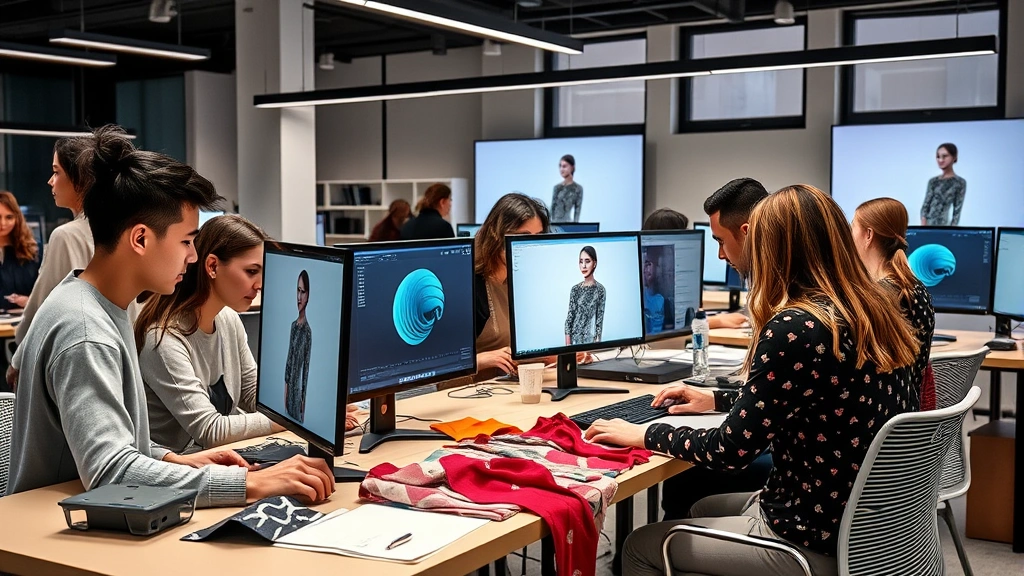
- 3D Design & Digital Sampling: Proficiency with CLO 3D, Browzwear, and Optitex enables designers to create virtual prototypes, reducing physical sampling waste by up to 80%.
- Data Analytics & Consumer Insights: Understanding how to leverage customer data, trend forecasting algorithms, and predictive analytics to inform design decisions and inventory management.
- E-commerce & Digital Marketing: Expertise in omnichannel retail, digital customer experience, social commerce, and influencer marketing strategies.
- Supply Chain Technology: Knowledge of ERP systems, IoT tracking, blockchain authentication, and demand forecasting to optimize production and distribution.
- Artificial Intelligence & Personalization: Machine learning applications for size recommendations, style matching, trend prediction, and chatbot customer service.
- Sustainability Technologies: Understanding circular design principles, material innovation, and tools for calculating environmental impact and carbon footprint.
- Programming & Web Development: Basic coding skills, API integration, and platform development for fashion applications and digital ecosystems.
The most valuable courses integrate these competencies rather than teaching them in isolation. A holistic approach demonstrates how a designer might use 3D software to create sustainable collections while simultaneously analyzing consumer data to predict demand and minimize waste.
Top Programs & Institutions
Leading fashion schools worldwide have launched specialized fashion technology programs. Fashion Institute of Technology (FIT) in New York offers comprehensive fashion technology degrees combining design fundamentals with cutting-edge digital tools. Their curriculum emphasizes practical skills students immediately apply in internships at major fashion houses.
Istituto Marangoni, with campuses in Milan, London, and Paris, integrates fashion technology throughout its design programs. Students work with industry-standard software while maintaining the aesthetic rigor Marangoni is renowned for globally.
European institutions like Gerrit Rietveld Academie in Amsterdam emphasize experimental fashion technology, encouraging students to push boundaries in digital design and innovative material exploration.
Online platforms have democratized access to fashion tech education. Courses on Skillshare, Coursera, and specialized fashion tech platforms provide flexible, affordable alternatives. Many offer industry-recognized certifications and direct pathways to employment.
University programs increasingly integrate fashion technology into business and design curricula. Savannah College of Art and Design (SCAD), Central Saint Martins in London, and Parsons School of Design all offer specialized tracks combining technical training with design excellence.
Specialization Pathways
Fashion technology encompasses diverse specialization options, allowing students to align education with career aspirations:
- Digital Design & 3D Modeling: Perfect for designers wanting to master virtual prototyping, digital sampling, and product visualization. These professionals command premium salaries in luxury and contemporary fashion brands.
- Fashion E-commerce & Digital Strategy: Ideal for those interested in online retail, digital marketing, and omnichannel customer experience. This path leads to roles in brand digital teams, e-commerce platforms, and digital agencies.
- Data Science & Fashion Analytics: For analytically-minded individuals, this specialization combines statistics, programming, and fashion domain knowledge to drive business decisions through data insights.
- Sustainable Fashion Technology: Increasingly popular, this path focuses on circular economy principles, sustainable material innovation, and technologies that minimize environmental impact. Demand for these professionals is skyrocketing.
- Fashion Supply Chain & Operations: Encompasses blockchain authentication, IoT tracking, demand forecasting, and logistics optimization—essential for global fashion enterprises.
- AI & Personalization Engineering: For tech-forward professionals, this specialization involves developing recommendation engines, virtual stylists, and AI-powered customer experience tools.
The best students often combine multiple specializations. A designer skilled in 3D modeling who understands data analytics and sustainability becomes invaluable to forward-thinking fashion companies.
Industry Applications & Career Opportunities
Fashion technology education opens doors across the entire industry ecosystem. Understanding fashion consultant roles and how they’ve evolved with technology reveals expanding career possibilities.
Luxury Fashion Houses: LVMH, Kering, and Richemont employ hundreds of fashion tech professionals. Roles include digital product managers, 3D design specialists, and sustainability technology leads. These positions offer competitive salaries, international opportunities, and exposure to world-class brand strategies.
Fast Fashion & Contemporary Brands: H&M, Zara, and Uniqlo leverage technology for rapid design-to-retail cycles. They hire fashion tech graduates for roles in trend forecasting, demand planning, and supply chain optimization.
Digital-Native Fashion Startups: Companies like Stitch Fix, Rent the Runway, and ThirdLove were built on fashion technology. These environments offer entrepreneurial energy, rapid growth, and opportunities to shape industry innovation.
Fashion Consulting & Technology Firms: Companies like Boston Consulting Group, Deloitte, and specialized fashion consultancies employ fashion tech experts to advise traditional brands on digital transformation.
Fashion Tech Companies: Browzwear, CLO, and other software developers hire professionals who understand both technology and fashion design workflows.
Retail & E-commerce: Major retailers like Amazon Fashion and luxury e-commerce platforms like Farfetch need fashion technologists to enhance customer experience and operational efficiency.
Explore fashion jobs in NYC and other major fashion hubs to understand current market opportunities and salary ranges for fashion tech professionals.
Choosing Your Fashion Tech Course
With numerous options available, selecting the right fashion technology course requires careful consideration:
Define Your Goals: Are you seeking a comprehensive degree, specialized certification, or skill-building courses? Career stage matters significantly. Entry-level professionals benefit from foundational programs, while experienced designers might pursue advanced certifications in specific technologies.
Evaluate Curriculum Depth: Quality courses balance theoretical knowledge with practical application. Look for programs that include real-world projects, industry partnerships, and access to professional-grade software. Avoid programs that promise to teach everything superficially—depth in chosen areas matters more than breadth.
Consider Faculty Expertise: Instructors with active industry experience provide invaluable mentorship. Programs featuring guest lectures from leading fashion technologists offer networking opportunities and current industry insights.
Assess Software Access: Ensure the program provides licenses for industry-standard software like CLO 3D, Browzwear, Adobe Creative Suite, and relevant ERP systems. This investment significantly impacts learning outcomes and job readiness.
Review Career Outcomes: Research graduate employment statistics, employer partnerships, and alumni networks. Programs with strong industry connections facilitate internships and job placements.
Explore Different Fashion Styles: Understanding different fashion styles and how technology applies across design aesthetics helps you appreciate the versatility of fashion tech skills.
Financial Considerations: Compare tuition costs against potential salary increases. Many online programs offer excellent value, while prestigious degree programs justify higher costs through networking and brand recognition.
Flexibility & Format: Consider whether you prefer full-time immersion, part-time study, or self-paced online learning. Life circumstances and learning preferences vary significantly.
The ideal course combines technical rigor with creative exploration, offers mentorship from industry experts, maintains current curriculum reflecting rapid technological change, and provides pathways to meaningful employment or entrepreneurial ventures.

FAQ
What qualifications do I need to enroll in fashion technology courses?
Most programs accept students with basic computer literacy and genuine interest in fashion. Some advanced programs require design background or portfolio submission. Many online courses have no prerequisites, making fashion tech education accessible to career changers and professionals from adjacent fields.
How long do fashion technology courses typically take?
Duration varies significantly: short online certifications range from 4-12 weeks, diploma programs span 6-12 months, and bachelor’s degrees take 3-4 years. Choose based on your timeline, budget, and career goals.
Will fashion tech education guarantee employment?
Strong programs with industry partnerships significantly enhance employment prospects, but outcomes depend on individual effort, portfolio quality, and market conditions. The fashion technology field currently experiences strong demand, making job prospects favorable for qualified graduates.
Can I learn fashion technology without design experience?
Absolutely. Many successful fashion tech professionals come from engineering, business, or data science backgrounds. Technical skills are often more valuable than design experience in certain specializations like e-commerce, supply chain, and data analytics.
What’s the earning potential for fashion tech professionals?
Salaries vary by role, location, and experience. Entry-level positions range from $45,000-$60,000 annually, while experienced professionals in major fashion hubs earn $80,000-$150,000+. Specialized roles like AI engineers and supply chain technologists command premium compensation.
Are online fashion tech courses as valuable as in-person programs?
Quality online programs from reputable institutions rival in-person education, especially for technical skills. However, in-person programs offer networking advantages and hands-on collaboration that some students prefer. The best choice depends on your learning style and circumstances.
How quickly does fashion technology change, and will my education become outdated?
Technology evolves rapidly, but foundational principles remain constant. Choose programs emphasizing core concepts and problem-solving skills rather than specific software versions. Commit to continuous learning through industry publications, webinars, and professional development.
What’s the difference between fashion technology and fashion design?
Fashion design focuses on aesthetics, creativity, and garment construction. Fashion technology integrates technical tools, data analysis, and digital solutions into the design and production process. Many professionals combine both skill sets for maximum impact.