How to Style Vintage Looks: Expert Advice for Timeless Fashion
Vintage fashion has transcended mere nostalgia to become a legitimate style movement that commands respect on runways and streets alike. The art of styling vintage pieces requires more than simply throwing on a retro dress or blazer—it demands intention, knowledge, and a keen eye for blending old-world charm with contemporary sensibility. Whether you’re drawn to the glamorous silhouettes of the 1950s, the bohemian rebellion of the 1970s, or the minimalist sophistication of the 1980s, understanding how to authentically incorporate vintage elements into your modern wardrobe is essential for creating looks that feel fresh rather than costume-like.
The beauty of vintage styling lies in its ability to tell a story while allowing you to express individuality in an increasingly homogenized fashion landscape. When done correctly, vintage pieces become conversation starters and confidence boosters, setting you apart from fast-fashion trends that fade within seasons. This comprehensive guide explores expert strategies for sourcing, styling, and wearing vintage fashion in ways that honor the garments’ historical significance while making them relevant to today’s world.
Understanding Vintage Fashion Categories
Before diving into styling vintage looks, it’s crucial to understand the distinct characteristics of different eras. Vintage fashion doesn’t exist in a vacuum—each decade carries its own aesthetic codes, construction methods, and cultural influences that shaped the garments we cherish today. The complete fashion history timeline provides invaluable context for understanding how styles evolved, but let’s break down the most popular vintage eras for styling purposes.
The 1920s and 1930s represent the era of streamlined elegance, characterized by drop waistlines, bias cuts, and art deco embellishments. These pieces emphasize fluidity and sophistication, with fabrics like silk charmeuse and lace creating an inherently romantic quality. The 1940s brought structure and practicality, with shoulder padding, tailored silhouettes, and darker color palettes reflecting the era’s wartime sensibilities. Moving into the 1950s, we encounter the full-skirted dresses, cinched waists, and feminine details that defined post-war optimism.
The 1960s introduced mod minimalism and bold geometric patterns, while the 1970s embraced maximalism with earth tones, flowing fabrics, and bohemian influences. The 1980s brought power dressing with exaggerated shoulders, bold colors, and statement accessories, whereas the 1990s offered minimalist slip dresses and grunge aesthetic. Understanding these distinctions helps you appreciate different fashion styles and their historical context when incorporating vintage pieces into your wardrobe.
The Art of Mixing Eras
The cardinal rule of modern vintage styling is avoiding the costume effect by strategically mixing different eras and contemporary pieces. This approach creates visual interest and prevents your outfit from appearing frozen in time. The most successful vintage looks balance old and new, allowing each element to enhance the other rather than competing for attention. Fashion style guides emphasize that proportional contrast is key—pairing a loose, oversized 1990s slip dress with a structured modern blazer and contemporary sneakers creates a dynamic, wearable look that feels intentional rather than accidental.
Consider the principle of era contrast: if your main piece is distinctly from one period, anchor it with contemporary or contrasting vintage elements. A 1960s mod shift dress pairs beautifully with modern pointed-toe flats and a sleek top-knot, instantly bringing it into the present. Alternatively, combine a 1980s power blazer with current slim-fit trousers and minimal jewelry to soften its intensity while maintaining its confidence-boosting structure. The key is ensuring that no single era dominates your entire outfit—instead, create a dialogue between different time periods.
Color coordination becomes particularly important when mixing eras, as different decades favored distinct palettes. The warm, saturated tones of 1970s pieces can clash with the cool jewel tones popular in the 1990s, so consider using neutral bridges like cream, black, or grey to harmonize disparate pieces. Texture mixing also plays a crucial role: the shine of a silk 1940s camisole becomes more modern when paired with matte contemporary fabrics, creating visual depth without overwhelming the eye.
Finding Quality Vintage Pieces
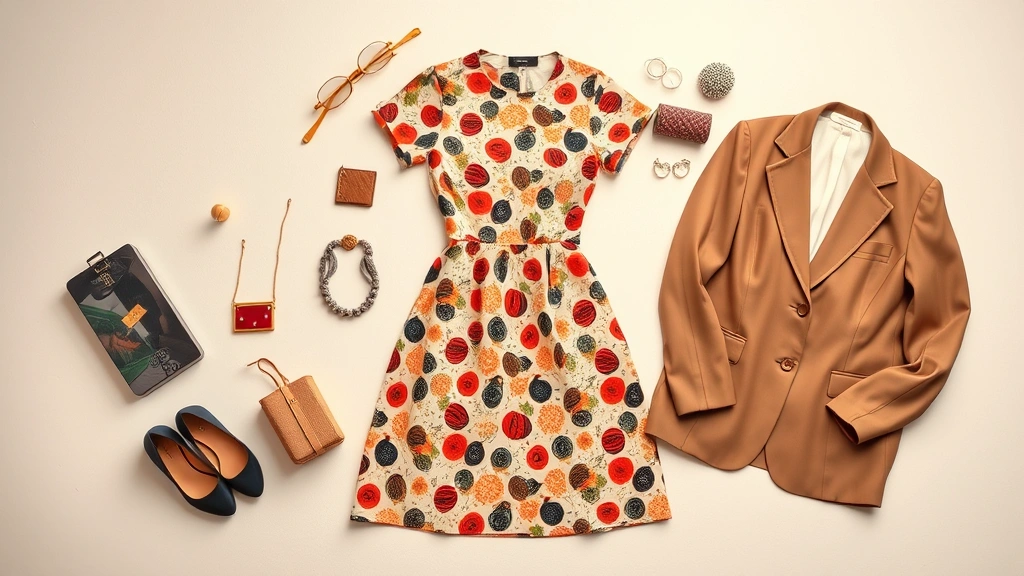
Not all vintage is created equal, and learning to identify quality garments separates true vintage enthusiasts from casual thrifters. Quality vintage pieces will have superior construction, premium fabrics, and thoughtful details that mass-produced contemporary clothing often lacks. When shopping for vintage, examine seams carefully—hand-stitched or tight, even machine stitching indicates quality, while loose or uneven seams suggest wear or poor original construction.
Fabric composition matters enormously in vintage styling. Natural fibers like silk, wool, linen, and cotton tend to age more gracefully than synthetics, developing character while maintaining integrity. Look for garments labeled with fiber content and construction details; vintage pieces from reputable designers will feature these specifications prominently. High-quality vintage often comes from lesser-known tailors and dressmakers rather than famous designer names—these pieces were made for longevity rather than trend-chasing.
When evaluating vintage condition, understand the difference between patina and damage. A slightly yellowed vintage slip or minimal fading can add authenticity and character, while stains, holes, or structural damage requires professional restoration. Consider whether you’re willing to invest in cleaning or repairs; some vintage pieces are worth the expense, while others may not justify the cost. Consult fashion types resources to understand what constitutes quality construction across different garment categories.
Sizing in vintage clothing presents unique challenges, as garment measurements have shifted significantly over decades. Always try pieces on or carefully compare measurements to current sizing charts rather than relying on labeled sizes. A vintage size 8 from the 1960s may fit quite differently than contemporary size 8, and understanding these variations prevents disappointing purchases. Invest in a quality tailor familiar with vintage garments—their expertise in preserving original construction while adjusting fit is invaluable for creating wearable vintage pieces.
Styling Vintage for Modern Life
The practical challenge of vintage styling involves adapting these pieces for contemporary life while maintaining their integrity and charm. A stunning 1950s evening gown requires different styling considerations than a 1970s everyday dress, and context matters when deciding how to wear and accessorize vintage pieces. Understanding how to modernize vintage silhouettes without stripping them of character is the hallmark of expert vintage styling.
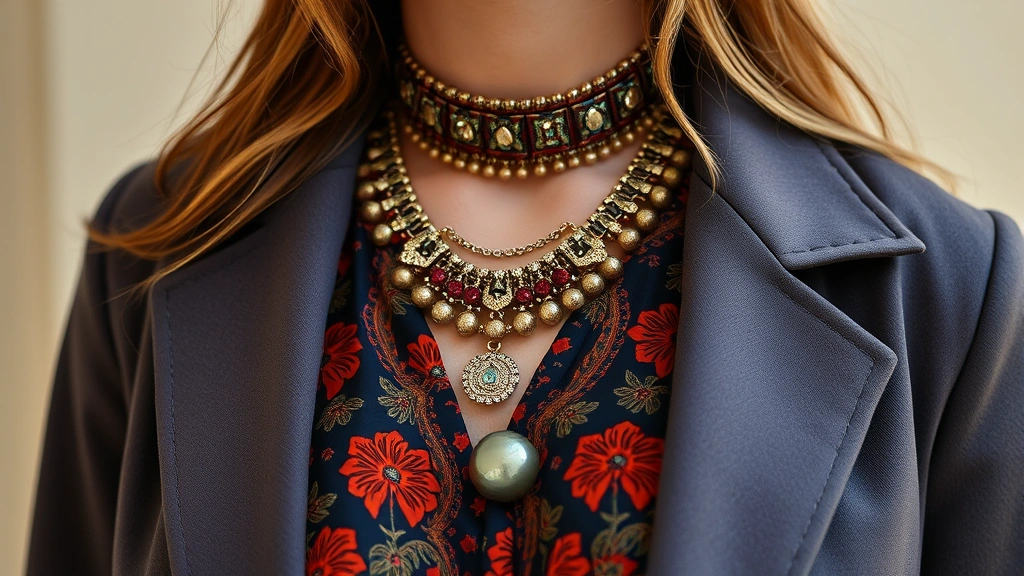
For professional settings, vintage pieces work beautifully when paired with contemporary tailoring and minimal accessories. A 1960s mod shift dress becomes office-appropriate with a structured modern blazer, simple jewelry, and polished flats or low heels. The vintage piece serves as your statement while contemporary elements ground it in the present. Avoid over-accessorizing vintage—these garments often feature beautiful details that speak for themselves, and adding too many modern accessories can create visual chaos rather than cohesion.
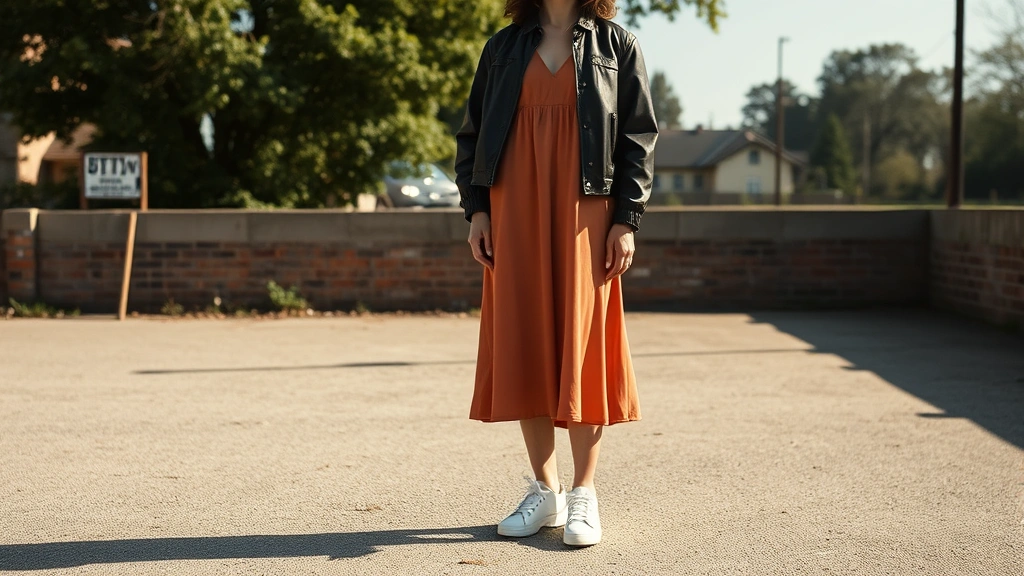
In casual settings, vintage pieces gain power through confident styling that embraces their distinctive character. A 1970s peasant blouse pairs gorgeously with modern straight-leg jeans, white sneakers, and a minimal leather jacket, creating an effortlessly cool aesthetic. The vintage piece becomes the focal point while contemporary items provide balance and relevance. This approach works across how to find your personal style spectrum—whether your aesthetic leans bohemian, minimalist, or eclectic, vintage pieces can anchor looks that feel authentically you.
Layering becomes particularly important in vintage styling, as many older pieces weren’t designed for contemporary layering needs. A delicate 1940s slip dress might need a modern camisole underneath for comfort and modesty, or a cropped vintage top might require a contemporary bra or undershirt. Rather than fighting these practical considerations, embrace them as styling opportunities—visible layering can add depth and create more interesting silhouettes than wearing pieces alone.
Footwear choices dramatically impact how vintage looks read in contemporary contexts. Pairing a 1950s dress with modern sneakers creates an intentional, cool aesthetic, while vintage-appropriate shoes in updated styles bridge the gap between eras. A vintage dress with contemporary pointed-toe flats feels more modern than the same dress with period-accurate heels, yet still honors the garment’s original aesthetic. Experiment with unexpected footwear choices to discover what makes vintage pieces feel fresh rather than costume-like.
Care and Maintenance
Vintage garments require specialized care to preserve their longevity and beauty. Understanding proper cleaning, storage, and handling ensures your vintage pieces remain wearable and beautiful for years to come. Many vintage fabrics and construction methods respond poorly to standard modern laundry approaches, making professional dry cleaning often the safest option for delicate or heavily embellished pieces.
Storage significantly impacts vintage garment preservation. Acid-free tissue paper, wooden hangers, and climate-controlled environments protect vintage pieces from environmental damage. Avoid plastic hangers and storage bags that can trap moisture and encourage mildew or discoloration. Fold delicate pieces rather than hanging them, and store seasonal items in breathable garment bags rather than plastic. Cedar blocks and lavender sachets provide natural moth protection without the harsh chemicals of traditional mothballs.
Minor repairs and maintenance extend vintage garment life considerably. Loose seams, missing buttons, and small tears can be professionally repaired relatively inexpensively, while larger structural damage may require specialized restoration. Understanding when repair is worthwhile involves considering the piece’s rarity, quality, and sentimental value. A unique 1940s coat might justify professional restoration, while a common 1980s blazer might not.
Building a Cohesive Vintage Wardrobe
Rather than collecting vintage pieces randomly, building a cohesive vintage wardrobe involves strategic curation around a consistent aesthetic and color palette. Consider your personal style preferences and lifestyle needs when selecting vintage pieces—there’s no point acquiring beautiful 1950s evening gowns if your social life centers on casual gatherings. Style Loom Daily Blog offers ongoing inspiration for building cohesive wardrobes that work across multiple occasions.
Start with foundational pieces that pair easily with contemporary basics: vintage cardigans, blazers, and simple dresses that don’t require extensive styling considerations. Build outward from these anchors, adding statement pieces and era-specific items as your vintage collection grows. This approach ensures every piece works with multiple other items, maximizing outfit combinations and wearability.
Color palette consistency creates visual cohesion across a vintage wardrobe. If your contemporary basics lean toward cool tones and minimalist aesthetics, vintage pieces in warm earth tones or bold patterns might not integrate smoothly. Consider whether your vintage pieces will work with existing wardrobe items before purchasing, ensuring new acquisitions enhance rather than complicate your styling options.
Investment in key vintage basics pays dividends over time. A well-fitting vintage leather jacket, quality silk blouses, and classic tailored trousers become workhorses in a vintage-forward wardrobe, pairing with both contemporary pieces and other vintage items. These foundational pieces justify higher price points and professional restoration because they’ll be worn frequently across multiple seasons and styling contexts.
According to Vogue, vintage styling has become increasingly sophisticated, with fashion editors and stylists incorporating carefully curated vintage pieces into contemporary looks. This mainstream acceptance validates vintage fashion as serious style rather than nostalgic novelty, encouraging investment in quality pieces that will remain wearable and valuable.
FAQ
How do I know if a vintage piece is authentic?
Authentic vintage items feature period-appropriate construction methods, fabric compositions, and labeling. Research specific eras and designer techniques to identify authentic pieces. Consult online vintage communities and authentication services when uncertain about high-value items. Tags, seam finishing, and fabric weight all provide clues to authenticity and era.
Can I wear vintage clothing to professional settings?
Absolutely. Vintage pieces work beautifully in professional contexts when styled thoughtfully. Pair vintage with contemporary tailoring, keep accessories minimal, and ensure the piece is clean and well-maintained. A vintage blazer with modern trousers and contemporary jewelry creates a polished, distinctive professional look.
What’s the best way to store vintage clothing?
Store vintage pieces in acid-free tissue, breathable garment bags, and climate-controlled environments. Use wooden hangers for structured pieces and fold delicate items. Avoid plastic storage and direct sunlight. Natural moth deterrents like cedar and lavender protect without harsh chemicals.
How should I clean delicate vintage fabrics?
Professional dry cleaning is safest for delicate or valuable vintage pieces. For minor cleaning, use gentle hand washing with mild detergent in cool water. Always test cleaning methods on inconspicuous areas first. Avoid bleach, hot water, and vigorous agitation that can damage aged fabrics.
Can I tailor vintage pieces to fit modern sizing?
Yes, but work with tailors experienced in vintage garments. Alterations must respect original construction and design intent. Simple adjustments like hemming work easily, while significant restructuring may compromise the piece’s integrity and value. Always consider professional restoration for valuable items.
What’s the difference between vintage and retro fashion?
Vintage refers to authentic pieces from previous decades, while retro describes modern garments inspired by vintage aesthetics. Vintage pieces have historical significance and aged materials, while retro items are contemporary reproductions. Understanding this distinction helps you style each appropriately.
How do I prevent my vintage outfit from looking like a costume?
Mix eras strategically by pairing vintage with contemporary pieces. Avoid wearing complete looks from a single decade, and balance statement vintage pieces with neutral modern items. Keep accessories minimal and let the quality of the vintage piece speak for itself rather than over-styling.