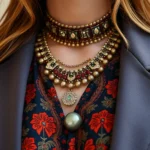
How to Modernize Vintage Wear: Expert Advice for Contemporary Style
The resurgence of vintage fashion has transformed wardrobes worldwide, yet the challenge remains: how do you wear a 1970s dress or 1950s blazer without looking like you’ve stepped out of a time machine? Modernizing vintage wear is an art form that requires strategic styling, thoughtful curation, and an understanding of how classic pieces interact with contemporary trends. Whether you’re a thrift store enthusiast or inherit vintage treasures, learning to blend old-fashioned elements with modern aesthetics creates a uniquely personal style that feels both nostalgic and current.
The key to successfully incorporating vintage pieces into your wardrobe lies in understanding the fundamental principle: contrast. By pairing vintage items with modern accessories, silhouettes, and styling techniques, you create visual interest and prevent your outfit from appearing costume-like. This comprehensive guide explores expert strategies for transforming vintage wear into contemporary fashion statements that reflect your personality while honoring the craftsmanship of past decades.
Understanding Vintage Fashion Eras
Before modernizing vintage wear, you must understand the era from which your piece originates. Different decades carry distinct aesthetic signatures that influence how you should style them. Different fashion styles evolved through specific cultural moments, and recognizing these contexts helps you make informed styling choices.
The 1920s flapper aesthetic emphasizes dropped waistlines and loose silhouettes. To modernize these pieces, pair them with contemporary fitted bottoms and current footwear. A 1920s beaded dress becomes fresh when styled with sleek ankle boots and minimalist jewelry rather than period-appropriate T-strap heels and art deco accessories.
The 1940s brought structured tailoring and utilitarian design. Vintage blazers from this era work beautifully in modern wardrobes when paired with skinny jeans and current handbags. The 1950s introduced the iconic hourglass silhouette, cinched waists, and full skirts. These pieces feel contemporary when balanced with straight-leg trousers or modern layering pieces on top.
The 1960s mod movement featured bold geometric patterns and shift dresses. Modern styling means pairing these with contemporary accessories and avoiding the complete retro look. The 1970s brought bohemian influences, earth tones, and flowing fabrics. These pieces transition beautifully into current wardrobes by combining them with minimalist modern pieces and updated footwear.
Understanding fashion types and their historical context empowers you to make deliberate styling choices rather than defaulting to complete era recreation.

Assessment and Preparation
Not every vintage piece deserves a place in your modern wardrobe. Begin by honestly assessing your vintage finds. Does the piece fit your body comfortably? Vintage sizing differs significantly from contemporary standards, and wearing ill-fitting clothes—regardless of how beautiful—undermines your overall aesthetic.
Check the condition carefully. Small stains or minor wear add character; however, significant damage requires professional restoration or creative upcycling. Consider whether the piece aligns with your lifestyle and climate. A delicate 1950s silk dress might not suit your daily routine if you commute via public transportation or work in casual environments.
Cleaning represents the crucial first step. Many vintage pieces simply need professional dry cleaning to reveal their true potential. Proper care prevents further deterioration and ensures the garment presents itself in the best possible light. Some vintage items benefit from tailoring adjustments that modernize the silhouette without destroying the piece’s integrity.
When assessing vintage wear, consider the base color and whether it complements your skin tone and existing wardrobe. Neutral vintage pieces integrate more easily into modern wardrobes than highly saturated or unusual colors. However, statement vintage pieces in bold colors can become conversation starters when styled thoughtfully.
Mixing Vintage with Modern Pieces
The golden rule for modernizing vintage wear involves strategic mixing. Never style your entire outfit in vintage pieces unless you’re deliberately creating a themed look. Instead, use the 70-30 rule: approximately 70% modern pieces with 30% vintage elements creates balanced, contemporary outfits that feel current rather than costume-like.
Pair a vintage blouse with modern jeans and contemporary sneakers. Style a vintage skirt with a current basic tee and updated accessories. Combine a vintage blazer with contemporary dress pants and modern loafers. This approach honors the vintage piece while grounding the outfit in present-day fashion sensibilities.
When mixing eras, consider the formality level. Vintage formal wear pairs beautifully with modern casual basics, creating interesting juxtapositions. A vintage silk evening blouse becomes casual weekend wear when styled with denim and white sneakers. This unexpected combination feels intentional and fashion-forward rather than accidental or mismatched.
Explore fashion style principles that guide successful mixing. Color theory, proportion balance, and intentional contrast create cohesive outfits where vintage and modern elements enhance rather than compete with each other.
Texture mixing elevates vintage styling significantly. Combine delicate vintage lace with modern structured pieces, or pair 1970s corduroy with contemporary sleek fabrics. These textural contrasts create visual depth and demonstrate sophisticated styling awareness.
Accessorizing for Contemporary Appeal
Accessories represent your most powerful tool for modernizing vintage wear. Current-season accessories instantly update any outfit, regardless of how dated the main piece might feel. This strategy allows you to invest in quality vintage pieces without worrying about them feeling perpetually old-fashioned.
Modern handbags dramatically shift vintage outfits into contemporary territory. A structured vintage dress pairs beautifully with a current minimalist tote or contemporary crossbody bag. The modern accessory signals that you’re making a deliberate style choice rather than accidentally wearing outdated clothing.
Jewelry choices significantly impact the overall impression. Vintage jewelry with modern styling creates harmonious combinations, but contemporary jewelry often works better with vintage clothing. Current metallic trends, geometric designs, and minimalist pieces contrast nicely with ornate vintage garments.
Explore fashion and accessories selections that complement vintage pieces. A delicate vintage dress becomes modern when paired with chunky contemporary jewelry, current sunglasses, and modern footwear. The accessories tell viewers that you’re intentionally blending eras.
Belts represent underutilized modernization tools. A current-season belt cinched around a vintage dress, sweater, or coat instantly updates the silhouette and demonstrates contemporary fashion awareness. Wide leather belts, chain belts, or woven styles all offer different modernization effects.
Scarves, hats, and hair accessories provide additional modernization opportunities. A vintage coat becomes current when styled with a contemporary scarf. Vintage dresses feel fresh when accessorized with modern hair clips or current-season headwear.

Silhouette and Fit Considerations
Silhouette represents perhaps the most crucial factor in modernizing vintage wear. While you shouldn’t completely alter a vintage piece’s character, strategic tailoring can update its proportions to align with contemporary standards. Tailors skilled in vintage garment work understand how to adjust hems, taper sleeves, or modify necklines without destroying the piece’s vintage integrity.
Contemporary silhouettes emphasize different proportions depending on the season and trend cycle. Currently, both oversized and fitted silhouettes coexist in fashion. Vintage pieces with exaggerated proportions feel current if they align with contemporary oversized trends. Vintage pieces with outdated proportions benefit from subtle tailoring adjustments.
Consider how your body shape interacts with vintage silhouettes. A 1950s full-skirted dress flatters pear-shaped bodies beautifully, while a 1970s shift dress suits rectangular body types. Choosing vintage pieces that naturally complement your proportions requires less styling effort and creates more flattering outcomes.
Sleeve length significantly impacts how vintage pieces feel. Pushing up the sleeves on a vintage cardigan or blazer creates a more contemporary appearance than wearing them at original length. This simple styling technique prevents the garment from looking costume-like while maintaining its vintage character.
Hemlines require careful consideration. Vintage skirt and dress lengths often differ from contemporary standards. Rather than completely altering the hem, experiment with styling options. Wearing vintage midi skirts with current footwear and accessories can feel intentionally retro-modern rather than dated.
Color Coordination Strategies
Vintage pieces often feature color palettes that differ from current trends. Successfully modernizing vintage wear sometimes involves working with colors you wouldn’t typically choose for new purchases. Developing strategies for coordinating vintage colors with contemporary pieces prevents your outfit from appearing disjointed.
Neutral modern basics provide the safest foundation for bold or unusual vintage colors. A vintage blouse in harvest gold pairs beautifully with modern black jeans and contemporary white sneakers. The modern neutrals ground the vintage color without competing for attention.
Monochromatic styling offers another effective approach. If your vintage piece features a color that feels dated, coordinate the entire outfit in similar tones. A vintage mustard-yellow dress becomes contemporary when styled with mustard accessories and footwear, creating intentional color harmony rather than accidental clashing.
Consider color blocking techniques that incorporate vintage pieces. A vintage blouse in one color paired with modern pieces in contrasting contemporary colors creates visual interest and demonstrates styling sophistication. This approach transforms what might feel like a color mismatch into an intentional style statement.
Seasonal color considerations matter significantly. Vintage pieces in warm autumn tones feel more contemporary when styled for fall, while vintage pieces in cool tones suit spring and summer styling. Matching vintage colors to seasonal expectations creates more cohesive, intentional-looking outfits.
Footwear and Layering Techniques
Footwear choices profoundly impact how vintage outfits read to observers. Period-appropriate shoes reinforce the vintage aesthetic, while contemporary footwear modernizes even the most obviously dated garments. Choosing current-season shoes represents the easiest way to ensure your vintage-inclusive outfit feels present-day.
Sneakers provide the ultimate modernization tool. Any vintage dress, blouse, or skirt becomes contemporary when paired with current sneaker styles. White leather sneakers offer the most versatile option, while colored or patterned sneakers add personality and intentional style statements.
Boots work beautifully with vintage pieces, especially when they align with current boot trends. Ankle boots, combat boots, and knee-high boots all modernize vintage clothing effectively. The key involves choosing boots that reflect contemporary style rather than vintage reproductions.
Loafers, mules, and contemporary flats offer additional modernization options. These footwear choices work particularly well with vintage dresses and skirts, creating balanced proportions and contemporary visual effects. Current metallic finishes and trendy details on shoes ensure your entire outfit reads as intentional and present-day.
Layering represents a sophisticated modernization technique. A vintage slip dress becomes contemporary when worn over modern t-shirts or long-sleeve tops. Vintage cardigans layer beautifully over current basics, creating dimension and updated silhouettes. This approach also solves fit issues, as strategic layering can minimize unflattering proportions.
Outerwear layering adds another dimension. A vintage jacket or coat worn over modern pieces creates interesting visual combinations. The modern base ensures the overall outfit feels current while the vintage outerwear adds character and personality.
Professional and Casual Styling
Vintage wear styling differs depending on context. Professional environments require different modernization strategies than casual social settings. Understanding how to adapt vintage pieces for various occasions ensures your wardrobe functions across different life domains.
For professional settings, pair vintage pieces with contemporary basics and current accessories that signal workplace appropriateness. A vintage blazer becomes office-appropriate when styled with modern dress pants, a current blouse, and professional contemporary jewelry. The modern foundation assures colleagues that you’re making intentional style choices rather than wearing outdated professional wear.
Vintage dresses in professional contexts require careful consideration. A 1960s shift dress becomes office-appropriate when paired with modern cardigans, contemporary footwear, and current jewelry. The modern layering ensures the outfit reads as contemporary professional style rather than costume.
Casual styling allows more experimental vintage incorporation. Weekend outfits can feature bolder vintage-modern combinations because the context permits more fashion risk-taking. A vintage band tee pairs beautifully with modern jeans and current sneakers for effortlessly cool casual style.
Explore how to find your personal style through intentional vintage incorporation. Casual settings provide ideal opportunities to develop your signature aesthetic by experimenting with vintage pieces in ways that feel authentic to your personality.
Date night styling with vintage pieces requires balancing romance with contemporary sophistication. A vintage slip dress becomes modern evening wear when paired with current footwear, contemporary jewelry, and modern outerwear. This approach creates intentional elegance rather than nostalgic costume.
Visit Vogue for inspiration on how fashion editors style vintage pieces in contemporary contexts. Professional style guides demonstrate successful vintage-modern combinations across various occasions and aesthetics.
Summer styling opportunities abound with vintage pieces. Lightweight vintage dresses, blouses, and skirts from warmer climates or seasons integrate beautifully into contemporary summer wardrobes. Pair them with modern sandals, current sunglasses, and contemporary beach bags for effortless seasonal style.
Winter vintage wear requires thoughtful consideration. Vintage coats, sweaters, and heavier pieces work beautifully in cold-weather styling when paired with modern basics and current accessories. The key involves ensuring the vintage piece doesn’t overwhelm the outfit or create bulky silhouettes that conflict with contemporary proportions.
Explore resources like The Fashion Spot for trend forecasting that helps you understand which vintage pieces align with current fashion directions. Understanding emerging trends allows you to choose vintage pieces that will feel relevant for years to come.
FAQ
How do I know if a vintage piece is worth modernizing?
Assess the condition, fit, and quality first. Pieces in good condition, made from quality materials, and that fit your body reasonably well deserve modernization efforts. Consider whether the piece aligns with your lifestyle and personal style aesthetic. If you love it and can envision wearing it with modern pieces, it’s worth the investment in cleaning, tailoring, or styling experimentation.
Can I wear complete vintage outfits, or must I always mix with modern pieces?
Complete vintage outfits work beautifully in specific contexts, like themed events or deliberate retro styling. However, for everyday wear, mixing vintage with modern pieces creates more contemporary-looking outfits that feel intentional rather than costume-like. The 70-30 rule provides a helpful guideline for everyday styling.
What if my vintage piece doesn’t fit perfectly?
Quality tailoring can adjust most vintage pieces to fit contemporary bodies better. Work with tailors experienced in vintage garment care to avoid damaging delicate fabrics or construction. Alternatively, strategic layering and styling can minimize fit issues without permanent alterations. Some vintage pieces are meant to be worn slightly loose or oversized, which aligns with contemporary fashion trends.
How do I update the color of a vintage piece that feels dated?
Rather than changing the actual color, update the piece through styling choices. Pair unusual vintage colors with modern neutrals, use monochromatic coordination, or employ color-blocking techniques. Accessories in current colors also help modernize pieces in outdated color palettes.
Are vintage reproductions better than actual vintage pieces?
Authentic vintage pieces offer unique character, quality construction, and environmental benefits through upcycling. Vintage reproductions provide consistency and modern sizing but lack the authenticity and sustainability advantages of genuine vintage wear. The choice depends on your priorities regarding sustainability, uniqueness, and styling flexibility.
Where can I find inspiration for styling vintage pieces?
Check Instagram fashion influencers who specialize in vintage styling. Visit Harper’s Bazaar for editorial inspiration featuring vintage pieces. Explore StyleLoom Daily Blog for comprehensive style guidance. Fashion blogs dedicated to vintage wear offer endless styling ideas and techniques.
How do I prevent my vintage outfit from looking like a costume?
The key involves strategic mixing and modern accessories. Never style your entire outfit in vintage pieces unless deliberately creating a themed look. Use current-season shoes, bags, and jewelry to signal intentional styling. Keep makeup and hair modern rather than period-appropriate. This combination signals that you’re making deliberate fashion choices rather than wearing historical costume.