Vintage Fashion: How to Modernize? Expert Advice
Vintage fashion holds a timeless allure that transcends generations, yet the challenge lies in translating classic pieces into contemporary wardrobes without appearing outdated or costume-like. The art of modernizing vintage clothing requires strategic styling, thoughtful curation, and an understanding of how historical elements can harmonize with current trends. Whether you’re drawn to 1970s bohemian silhouettes, 1950s tailored elegance, or 1990s minimalism, the key to success is balancing nostalgic charm with modern sensibility.
In today’s fashion landscape, vintage styling has evolved from thrift store experimentation into a sophisticated art form embraced by fashion editors, influencers, and style icons worldwide. The secret isn’t simply wearing old clothes—it’s about deconstructing vintage pieces and reconstructing them within contemporary contexts. This guide explores expert strategies for transforming vintage treasures into wardrobe staples that feel fresh, intentional, and undeniably current.
Understanding Vintage vs. Old-Fashioned
The distinction between vintage fashion and simply old-fashioned clothing is crucial for anyone attempting to modernize their wardrobe. Vintage pieces carry historical significance and design merit, whereas old-fashioned items are merely outdated without the stylistic credibility. According to Vogue’s fashion historians, true vintage typically refers to clothing from at least 20-30 years ago that demonstrates quality craftsmanship, distinctive design elements, or cultural relevance.
The psychology of vintage fashion reveals that consumers gravitate toward pieces that tell stories. A 1970s Halston dress carries cultural weight and design innovation, while a 2005 mass-produced polyester blouse simply feels dated. Understanding this distinction helps you identify pieces worth investing in and styling. Look for garments featuring exceptional tailoring, quality fabrics like silk or wool, interesting construction details, and timeless silhouettes that transcend their original era. The best vintage finds possess an inherent elegance that doesn’t depend on current trends for validation.
Core Styling Principles for Modern Vintage
Modernizing vintage fashion fundamentally requires understanding contemporary fashion style conventions and how to bridge them with historical elements. The first principle is proportion balance: pair oversized vintage silhouettes with fitted modern pieces, or contrast a sleek contemporary item with a voluminous vintage statement piece. This creates visual interest while preventing an all-vintage appearance that reads as costume-y.
Color coordination serves as another essential principle. Vintage pieces often feature color palettes specific to their era—muted jewel tones from the 1990s, earth tones from the 1970s, or pastels from the 1950s. To modernize, consider incorporating these vintage colors through smaller pieces while anchoring your outfit with contemporary neutral basics. Alternatively, style a colorful vintage piece with unexpectedly modern accessories like sleek sneakers or minimalist jewelry to create contrast.
Intentionality cannot be overstated. Every vintage piece in your outfit should feel deliberately chosen rather than accidentally accumulated. Fashion experts emphasize that the most successful modern vintage looks feature one or two statement vintage items paired with carefully curated contemporary pieces. This prevents overwhelming the eye while showcasing the unique qualities of your vintage finds.
Mixing Eras and Aesthetics
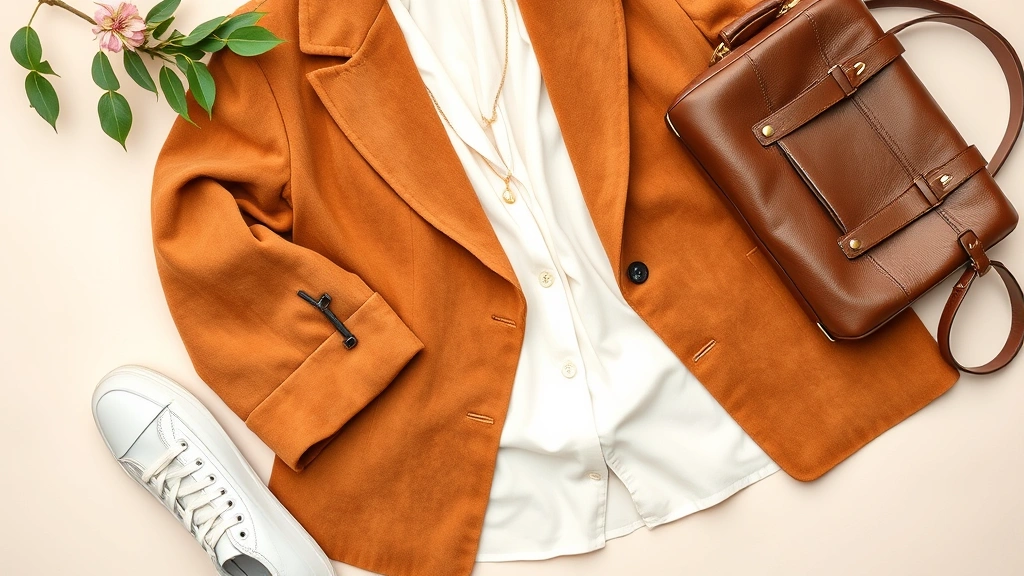
The art of era-blending has become a cornerstone of contemporary style. Rather than committing entirely to one decade’s aesthetic, sophisticated stylists layer different periods to create dynamic, personalized looks. A 1970s suede jacket pairs beautifully with 2020s-style wide-leg tailored trousers and current-season loafers. This approach prevents your outfit from feeling trapped in time while honoring the vintage piece’s original character.
When mixing eras, consider the underlying design philosophies rather than surface-level details. The minimalist ethos of 1990s fashion complements clean contemporary styling, while the maximalist sensibilities of 1980s design can enhance current eclectic trends. Understanding different fashion types helps you recognize which vintage pieces align naturally with modern aesthetics versus those requiring more creative styling solutions.
Expert stylists recommend creating a visual anchor when mixing multiple eras. This might be a monochromatic color scheme, a shared texture (like leather), or a cohesive silhouette story. Without an anchor, mixed-era outfits can appear disjointed rather than intentionally eclectic. The goal is orchestration, not collision.
Assessing Fabric Quality and Condition
Vintage fabric quality varies dramatically, and this assessment determines whether a piece can be successfully modernized or should remain a special-occasion investment. Natural fabrics like silk, wool, linen, and cotton age more gracefully than synthetics, developing character while maintaining wearability. When evaluating vintage pieces, run your hands across the fabric—does it feel substantial and alive, or thin and brittle?
Condition assessment goes beyond visible damage. Examine seams for fraying, check zippers for functionality, inspect hems for integrity, and look for stains or discoloration that might not emerge during casual inspection. Minor wear adds authenticity; significant deterioration requires professional restoration. Quality vintage pieces are worth investing in restoration services, while mass-produced items with structural damage may not justify the cost.
Fabric care becomes crucial once you’ve acquired vintage pieces. Gentle hand-washing, proper storage away from direct sunlight, and appropriate hangers extend longevity. Many vintage items shouldn’t enter standard washing machines; professional dry-cleaning or specialized vintage textile care ensures preservation. This investment in maintenance reflects the care you’ve invested in curation.
Strategic Silhouette Selection
The silhouette represents perhaps the most powerful tool in modernizing vintage fashion. Certain historical silhouettes remain eternally relevant because they flatter diverse body types and align with contemporary proportion trends. A-line skirts, tailored blazers, straight-leg trousers, and fitted cardigans transcend era and feel current regardless of their original decade.
Other silhouettes require more intentional styling to feel modern. Overly voluminous 1980s shoulders need grounding through fitted lower halves and minimalist accessories. Extremely low-rise 1990s pants benefit from longer tops and contemporary footwear that anchors the proportions. The key is recognizing which silhouette elements feel dated and which possess timeless appeal, then styling accordingly.
Fit represents the ultimate modernizer. Even a genuinely vintage silhouette feels contemporary when tailored to current standards. A 1970s blouse with perfect proportions and adjusted fit reads as intentional vintage styling rather than costume play. Investing in alterations for quality pieces transforms their wearability and integration into everyday rotation.
Consider also how vintage silhouettes interact with your body and personal style preferences. A piece might be perfectly vintage but unflattering on your frame—in that case, it belongs in someone else’s wardrobe. The most successful vintage styling honors both historical context and personal comfort.
Accessories and Layering Techniques
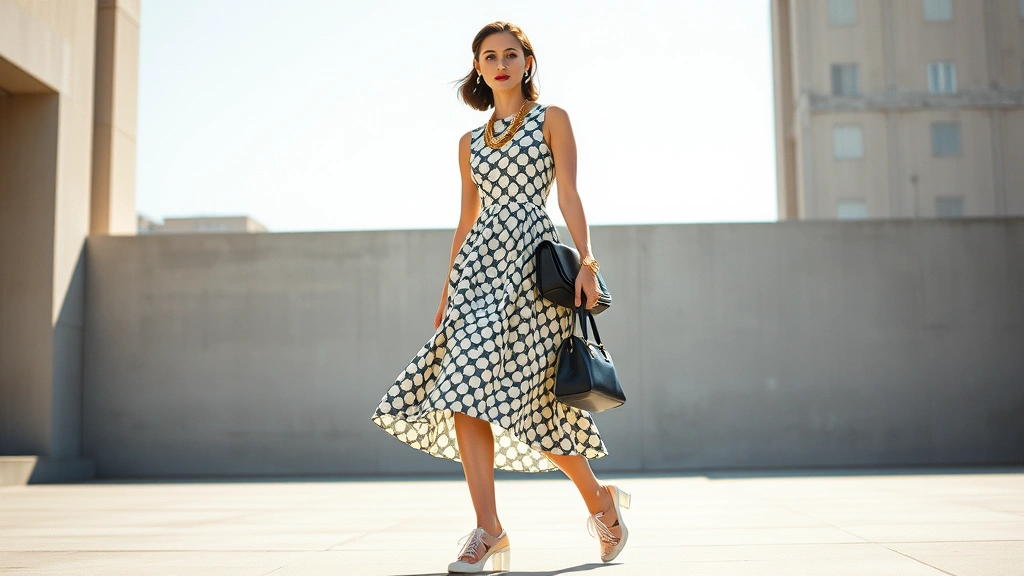
Accessories function as the bridge between vintage and contemporary, instantly modernizing any outfit. A classic 1960s shift dress becomes thoroughly current when styled with minimalist jewelry, contemporary sneakers, and a sleek structured bag. This approach respects the vintage piece’s integrity while anchoring it firmly in present-day aesthetics.
Layering offers another powerful modernization strategy. A vintage slip dress worn over contemporary ribbed tees or under oversized blazers transforms its context entirely. Vintage blazers layer beautifully over graphic tees or silk camisoles. This technique creates depth and complexity while allowing you to wear cherished pieces through different seasons and occasions.
Footwear choices dramatically impact vintage outfit success. Clean white sneakers, contemporary loafers, or current-season boots ground vintage pieces in the present moment. Conversely, vintage-appropriate footwear can feel costume-like if overdone. The balance involves choosing modern shoes that complement rather than compete with your vintage piece.
Jewelry and bag selections deserve equal consideration. Delicate contemporary jewelry prevents ornate vintage clothing from overwhelming, while statement jewelry elevates simpler vintage pieces. Bag choices should reflect current style preferences—a modern structured bag, contemporary crossbody, or minimalist tote feels more current than perfectly period-appropriate vintage bags.
Where to Find Quality Vintage Pieces
Strategic shopping transforms vintage acquisition from hit-or-miss treasure hunting into intentional curation. Luxury consignment platforms like Vestiaire Collective and The RealReal offer authenticated designer vintage with detailed condition reports. The RealReal specializes in authenticated luxury vintage, ensuring quality and authenticity. These platforms provide reliability when seeking investment-worthy pieces.
Local vintage boutiques offer personalized expertise and the ability to examine pieces before purchasing. Knowledgeable boutique owners understand fabric quality, era-appropriate construction, and styling potential. Building relationships with trusted local sources provides access to curated selections aligned with your aesthetic preferences.
Depop and similar peer-to-peer platforms connect you with individual sellers, offering unique finds and negotiable pricing. These platforms require more discernment regarding authenticity and condition, but rewards include discovery and community connection.
Estate sales and auctions present opportunities for exceptional finds, particularly for designer pieces and rare items. Attending previews allows thorough inspection before bidding. Online auction platforms have democratized access to estate sale merchandise, though shipping costs and return policies require careful consideration.
Thrift stores remain the original vintage shopping destination, offering budget-friendly exploration and unexpected discoveries. Goodwill and similar organizations provide accessible entry points for vintage exploration without significant financial investment. The trade-off involves spending time sorting through quantity to find quality.
When shopping any venue, approach vintage acquisition with intention. Research your size in different decades—1980s pieces often run larger than contemporary equivalents. Photograph pieces you love for reference, building a personal style archive. Most importantly, only purchase items you genuinely love rather than settling for “good enough” simply because they’re vintage.
FAQ
How do I know if something is truly vintage versus just old?
True vintage demonstrates design merit, quality craftsmanship, and historical significance. Look for construction details like hand-stitching, natural fabrics, distinctive design elements, and pieces from established designers or quality manufacturers. Items should be at least 20-30 years old and possess inherent elegance beyond their era. Understanding fashion style principles helps distinguish vintage worth from simply outdated.
What’s the best way to style a vintage piece without looking like I’m wearing a costume?
Balance is essential. Pair statement vintage pieces with contemporary basics in neutral colors. Choose modern accessories, current-season shoes, and simplified jewelry. Ensure proper fit through tailoring if necessary. The goal is one or two vintage statement pieces per outfit, not head-to-toe historical recreation. Intentionality—choosing pieces that genuinely suit you—prevents costume-like appearance.
Should I alter vintage pieces or keep them original?
Quality vintage pieces absolutely warrant investment in tailoring for optimal fit and wearability. Alterations don’t diminish value if performed by skilled professionals who respect the garment’s construction. However, avoid alterations that would destroy historical details or compromise the piece’s integrity. For investment-grade designer pieces, consult specialists experienced in vintage garment care.
How do I care for vintage clothing to ensure longevity?
Store vintage pieces away from direct sunlight, heat, and humidity. Use acid-free tissue for storage, cedar blocks or lavender for moth prevention. Hand-wash delicate items or use professional dry-cleaning services experienced with vintage garments. Avoid standard washing machines and aggressive treatments. Proper hangers, gentle handling, and preventative care extend longevity significantly.
Can I wear vintage pieces to professional settings?
Absolutely. Tailored vintage blazers, classic shift dresses, and quality vintage accessories add sophistication to professional wardrobes. Ensure pieces are impeccably maintained, properly fitted, and styled with contemporary professional staples. Vintage pieces often convey intentionality and individuality that enhance professional presence when executed thoughtfully.
What’s the most common mistake people make when modernizing vintage?
Over-styling is the primary pitfall. Combining too many vintage pieces, overly matching accessories to the vintage item’s era, or failing to balance proportions creates costume-like results. The most successful modern vintage styling shows restraint, choosing one or two statement pieces and anchoring them with contemporary elements. Less is genuinely more in vintage modernization.