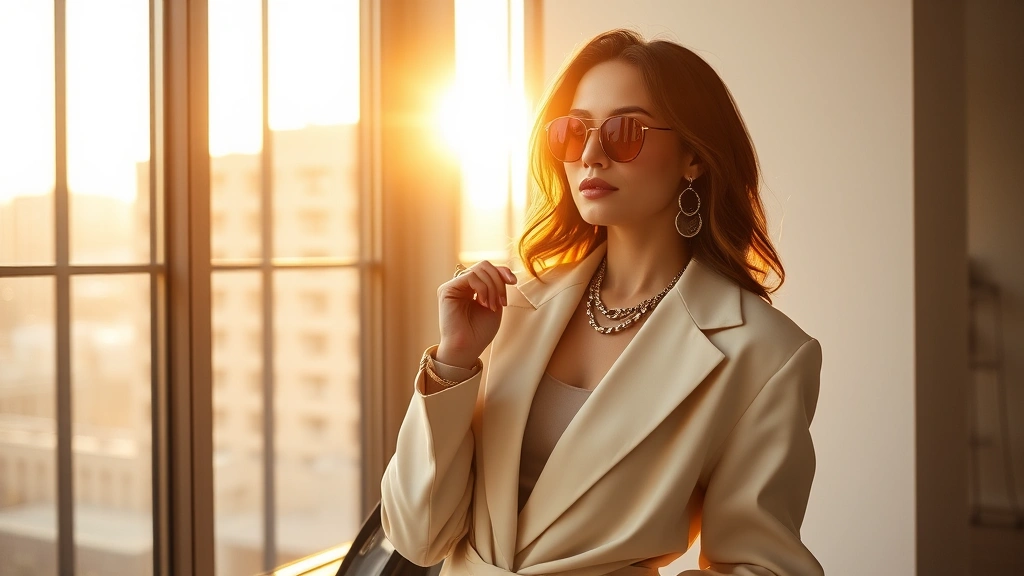
Influencer Fashion: Expert Style Secrets Unveiled
The world of influencer fashion has revolutionized how we discover, consume, and express personal style. What was once the exclusive domain of high-fashion magazines and runway shows has now become democratized through social media platforms where style creators build massive followings by sharing their authentic aesthetic journeys. These digital tastemakers have become the modern gatekeepers of trend forecasting, often influencing major fashion houses and luxury brands to pivot their strategies based on what resonates with their audiences.
Today’s most successful fashion influencers aren’t simply pretty faces wearing designer labels. They’re strategists, entrepreneurs, and storytellers who understand the intricate balance between aspirational content and relatable authenticity. They know how to curate a wardrobe that tells a cohesive narrative, how to adapt trends to their personal body type and lifestyle, and most importantly, how to build genuine connections with their followers that transcend transactional relationships. In this comprehensive guide, we’ll unveil the expert style secrets that separate top-tier influencers from the rest, exploring the techniques, mindsets, and practical strategies that elevate their influence in the fashion world.
Understanding the Influencer Fashion Landscape
The influencer fashion ecosystem has matured dramatically over the past decade. What began as casual Instagram posts of outfit-of-the-day photos has evolved into a sophisticated industry worth billions of dollars. Today’s landscape includes micro-influencers with highly engaged niche audiences, mega-influencers with tens of millions of followers, and everything in between. Understanding where you fit within this spectrum is crucial for developing an effective strategy.
The most influential fashion creators recognize that their power lies not in follower count alone, but in audience trust and engagement rates. A micro-influencer with 50,000 highly engaged followers who genuinely care about their style recommendations often wields more influence than a mega-influencer with millions of disengaged followers. This shift has fundamentally changed how brands evaluate partnership opportunities and how aspiring fashion influencers should approach building their presence.
Successful influencers in 2024 understand that authenticity is non-negotiable. Audiences have become increasingly sophisticated at detecting inauthentic content and disingenuous recommendations. The most trusted voices in fashion are those who clearly articulate their personal style philosophy, remain consistent with their aesthetic, and only promote products they genuinely believe in. This transparency builds the kind of loyal community that translates into real influence and earning potential.
Building Your Authentic Personal Brand
Your personal brand is the foundation of your influence in fashion. It’s not about copying what other influencers are doing or chasing every trend that emerges. Instead, it’s about deeply understanding who you are as a style creator and communicating that consistently across all platforms. Begin by conducting an honest self-assessment of your style preferences, lifestyle, body type, climate, and the occasions you typically dress for.
Consider whether your aesthetic leans minimalist or maximalist, classic or experimental, streetwear-focused or high-fashion-oriented. Do you prefer neutral palettes or bold colors? Are you drawn to vintage and thrifted pieces or contemporary designer collections? Your answers to these questions form the backbone of your brand identity. Top influencers often create a visual mood board that defines their aesthetic parameters—this becomes your North Star when evaluating new pieces for your wardrobe and content.
Developing a clear point of view is essential. Perhaps you specialize in sustainable fashion advocacy, focusing on ethical brands and secondhand shopping. Maybe you’re known for expertly styling affordable fast-fashion pieces to look expensive and curated. You might position yourself as a fashion consultant who helps everyday people navigate style challenges, or as a trend interpreter who translates runway looks into wearable street style. Whatever your niche, own it completely and communicate it clearly in your bio, content strategy, and every piece you create.
Building authenticity also means being vulnerable and relatable. Share styling challenges, fashion mistakes you’ve learned from, and honest reviews of products. Discuss how you’ve evolved your style over time and why. This transparency creates deeper connections with your audience and positions you as a trustworthy guide rather than an unattainable style icon.
Mastering Color Theory and Styling Fundamentals
One of the most significant secrets that separates professional fashion influencers from amateurs is their mastery of color theory and fundamental styling principles. Understanding how colors interact, which palettes complement your skin tone, and how to use color psychology to create intentional outfit narratives elevates your content dramatically.
Start by determining your color season—whether you’re a warm, cool, or neutral undertone. This foundational knowledge helps you select colors that make you look vibrant and healthy rather than washed out. Top influencers often develop a signature color palette that becomes part of their recognizable brand. Think of how certain creators are synonymous with monochromatic styling, earth tones, jewel tones, or pastels. This consistency makes their content instantly recognizable and reinforces their personal brand.
Beyond individual colors, understanding color combinations is crucial. Complementary color schemes create visual interest and energy. Analogous color schemes feel harmonious and sophisticated. Monochromatic dressing can be either minimalist and refined or maximalist and statement-making depending on texture and proportions. Experiment with these theories in your outfits and content to develop an instinctive understanding of what works visually.
Equally important are the fundamental styling principles that all influencers must master: proportion, balance, contrast, and emphasis. Knowing how to balance a voluminous top with fitted bottoms, how to create visual interest through texture mixing, and how to draw attention to your best features creates outfits that photograph beautifully and feel intentional. These aren’t arbitrary rules but rather design principles that have been refined over centuries of fashion evolution.
The Art of Capsule Wardrobe Curation
Contrary to what some might assume, the most influential fashion creators don’t own excessive wardrobes filled with random pieces. Instead, they’re strategic curators who build thoughtfully composed capsule collections where every piece works with multiple other items. This approach isn’t just practical—it’s also more sustainable, more cost-effective, and creates more cohesive, versatile content.
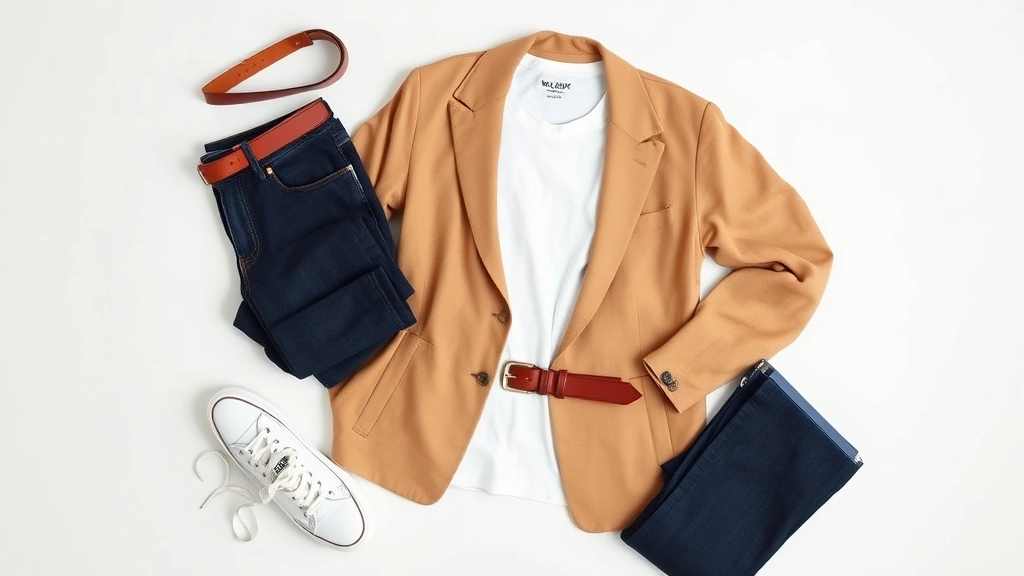
A well-constructed capsule wardrobe typically includes foundational basics in neutral colors that serve as the canvas for your style: quality white t-shirts, neutral trousers, simple sweaters, and classic denim. These basics should be elevated in quality since they’re worn frequently and form the foundation of countless outfits. Building your fashion knowledge includes understanding fabric quality and construction that makes basics worth the investment.
Beyond basics, successful influencers add statement pieces and accent items that reflect their personal aesthetic. These might include a signature leather jacket, interesting patterned pieces, bold-colored items, or unique textures. The key is ensuring these statement pieces work with your basics and with each other. If you love mixing prints, for example, choose prints that share a common color palette so they coordinate beautifully.
Strategic seasonal rotation is another secret successful influencers employ. Rather than attempting to wear and showcase your entire wardrobe year-round, rotate pieces seasonally. This keeps your content fresh, allows you to rediscover pieces, and ensures your styling recommendations remain seasonally relevant. It also makes your wardrobe feel larger and more varied than it actually is.
Influencers who excel at capsule curation often document their wardrobe organization and share outfit formulas with their audiences. Showing how five basic pieces can create ten different outfits provides tremendous value to followers and positions you as a styling expert. This educational content often performs exceptionally well because it’s immediately actionable.
Leveraging Trends Without Losing Identity
The fashion industry is inherently trend-driven, and influencers must navigate this reality carefully. The most successful creators develop a sophisticated approach to trends: they stay current and relevant while maintaining their core aesthetic and personal brand identity. This balance is what separates influential tastemakers from trend-chasing followers.
Begin by categorizing trends into three buckets: core trends aligned with your brand, complementary trends you can authentically incorporate, and trends to skip entirely. A minimalist influencer might embrace a new neutral color trend but skip neon maximalism. A vintage-focused creator might reinterpret a contemporary trend through a retro lens. This strategic approach allows you to remain current without compromising your identity.
Understanding trend cycles is also crucial. Knowing whether something is a micro-trend that will disappear in weeks or a macro-trend with staying power helps you invest wisely in your wardrobe. Micro-trends are perfect for budget-friendly, trendy pieces from fast-fashion retailers. Macro-trends warrant investment in quality basics that will remain relevant. Many influencers consult Vogue and other authoritative fashion publications to understand trend forecasting and lifecycle.
The most respected influencers also educate their audiences about how trends evolve and how to wear them authentically. Rather than simply showing a trend as-is, they reinterpret it through their personal lens, demonstrating how the underlying concept can work for different aesthetics and body types. This adds value and positions you as a thoughtful style guide rather than a trend parrot.
Importantly, successful influencers aren’t afraid to acknowledge when a trend isn’t working for them or their audience. This honesty builds credibility and allows followers to trust your recommendations because they know you’re filtering them through your authentic perspective.
Photography and Content Creation Excellence
The visual presentation of your content is absolutely foundational to your influence as a fashion creator. Even the most impeccably styled outfit won’t resonate if photographed poorly. Top influencers invest significantly in mastering photography, understanding lighting, composition, and how to showcase clothing in the most flattering and informative ways.
Lighting is perhaps the most critical element. Natural light is almost always preferable to artificial light for fashion photography because it reveals true colors and textures. Golden hour—the hour after sunrise or before sunset—provides the most flattering, soft light. If shooting indoors, position yourself near windows and use reflectors to bounce light onto your face and outfit. Many successful influencers schedule their content creation during optimal lighting hours, often batching multiple outfits in a single session for efficiency.
Composition matters enormously. Understanding rule of thirds, leading lines, and how to frame your body in visually interesting ways elevates your content significantly. Vary your angles and perspectives—full-body shots, close-ups of details, over-the-shoulder angles, and movement shots all tell different stories about your outfit. The most engaging fashion content includes variety in how pieces are photographed and presented.
Understanding how different platforms display content is also essential. Instagram rewards square and vertical content, TikTok thrives on short-form vertical video, and Pinterest favors tall vertical pins. Successful influencers optimize their content for each platform’s specifications and user behaviors. What works on Instagram Reels might need adjustment for TikTok, and static posts require different composition than video content.
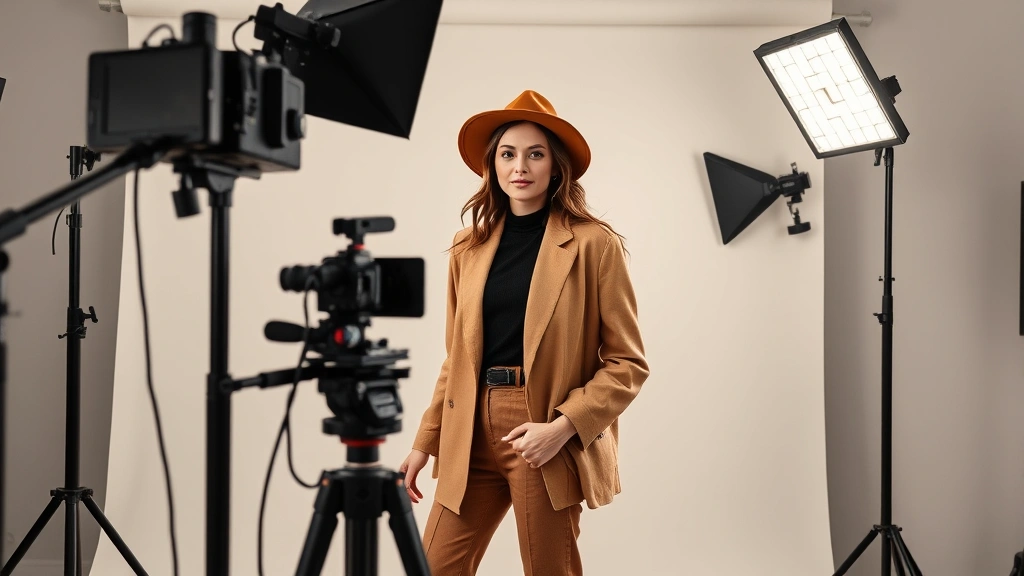
Many top influencers also invest in quality equipment. While smartphone cameras have become incredibly capable, using a dedicated camera with quality lenses and potentially hiring a photographer elevates production value. However, authenticity matters more than perfection—some of the most engaging content is shot on iPhones in natural settings. The key is ensuring your images are sharp, well-lit, and showcase your outfit clearly.
Collaborations and Brand Partnerships
For many influencers, brand collaborations and partnerships are primary income sources, but they’re also crucial for expanding reach and credibility. The most successful influencers approach partnerships strategically, only collaborating with brands that align with their aesthetic and values.
Before accepting any partnership, ask yourself: Would I genuinely recommend this brand to my followers? Does it fit my personal aesthetic? Am I comfortable associating my name with this company? These questions ensure that partnerships enhance rather than dilute your brand. Followers can immediately sense when influencers are promoting products they don’t actually believe in, and such inauthentic endorsements damage credibility far more than the temporary payment helps.
The best brand partnerships feel organic and integrated into your regular content rather than obviously promotional. Show the product in real-life styling scenarios, explain specifically why you love it, and demonstrate how it fits into your wardrobe and lifestyle. This approach converts better for brands and feels more authentic to your audience.
Successful influencers also negotiate thoughtfully. Beyond upfront payment, consider asking for product allowances, affiliate commissions, long-term ambassadorships, or creative freedom clauses. As your influence grows, your compensation should reflect the value you provide. Many creators work with fashion designers and brands on collaborative collections, which can be incredibly lucrative and exciting.
Building relationships with brand representatives is also valuable. Consistent, authentic creators often become go-to partners for brands, leading to more opportunities and better terms. Many of the most successful influencers have built long-term relationships with brands they genuinely love, resulting in ongoing partnerships rather than one-off sponsored posts.
Monetization Strategies for Fashion Creators
Understanding the various ways to monetize your fashion influence is essential for building a sustainable career. Top creators rarely rely on a single income stream; instead, they diversify across multiple revenue sources to create financial stability and independence.
Sponsored content and brand partnerships are often the most lucrative option, with rates varying dramatically based on follower count, engagement rate, and niche. However, building your influence through fashion design software knowledge or studying fashion careers in NYC can position you for higher-tier opportunities. Affiliate marketing, where you earn commissions on products purchased through your links, provides passive income and scales with your audience size.
Many successful fashion influencers create and sell their own products: branded merchandise, digital products like style guides or lookbooks, or even clothing collections. These ventures have higher profit margins than sponsored content and strengthen your brand identity. Some influencers launch courses teaching their styling methodology, photography techniques, or content creation strategies to other aspiring creators.
Subscription-based models through platforms like Patreon or exclusive content memberships provide recurring revenue from your most dedicated followers. YouTube ad revenue, podcast sponsorships, and speaking engagements at fashion events are additional income streams for established influencers. The key is building enough influence that opportunities naturally emerge.
Importantly, the most sustainable path to significant earnings is building genuine influence first. Focus on creating excellent content, building authentic community, and providing real value to your audience. As your influence grows, monetization opportunities will naturally follow. Influencers who prioritize monetization over community building typically find their growth plateaus quickly.
FAQ
What’s the difference between a fashion influencer and a stylist?
While the terms are sometimes used interchangeably, there are key differences. A fashion influencer primarily builds influence through social media content and typically monetizes through sponsorships and brand partnerships. A fashion consultant or stylist works directly with clients, providing personalized styling advice and wardrobe services. Many successful creators combine both roles, offering styling services to supplement their influencer income.
How long does it take to become a successful fashion influencer?
There’s no fixed timeline, but most successful influencers spend 1-2 years building a foundation before seeing significant opportunities. Consistency, quality content, and genuine community engagement matter far more than posting frequency. Some creators gain rapid traction, while others build slowly but sustainably. Focus on long-term brand building rather than quick growth hacks.
Do I need to be conventionally attractive to succeed as a fashion influencer?
Absolutely not. The most successful fashion influencers come in all ages, body types, abilities, and backgrounds. What matters is having a clear personal aesthetic, creating quality content, and building authentic community. Diversity in fashion content has actually become a major trend, with audiences increasingly valuing representation and authenticity over conventional beauty standards.
How do I handle negative comments and criticism?
Developing thick skin while remaining emotionally intelligent is important. Not all criticism is valuable, but some provides genuine insights. Distinguish between constructive feedback that helps you improve and trolling that doesn’t deserve engagement. Most successful influencers have clear community guidelines and don’t hesitate to delete or block accounts that violate them. Remember that having critics often indicates you’re creating impactful content.
Should I specialize in a specific fashion niche or keep my content general?
Specialization typically leads to greater influence and monetization potential. Whether you focus on sustainable fashion, luxury styling, affordable fashion, plus-size fashion, or another niche, having a clear focus helps you build authority and attract both followers and brand partnerships. That said, your personal style should feel authentic—don’t force a niche that doesn’t genuinely align with your interests.