


80s Men’s Fashion Comeback? Expert Insights into Retro Revival
The 1980s were a decade of bold experimentation, excess, and unapologetic style statements. From power suits with exaggerated shoulder pads to vibrant neon tracksuits, 1980’s men’s fashion represented an era when bigger was undeniably better. Today, fashion insiders are witnessing a remarkable resurgence of these iconic silhouettes and aesthetics, prompting style enthusiasts to ask: is the 80s fashion comeback here to stay, or is it merely a fleeting nostalgic trend?
The cyclical nature of fashion has always meant that what was once considered dated eventually becomes fashionable again. However, the current revival of 1980s men’s fashion isn’t simply about recreating the past—it’s about reinterpreting classic elements through a contemporary lens. Modern designers are cherry-picking the best aspects of 80s style while ditching the most extreme elements, creating a refined version that resonates with today’s fashion-conscious men. This thoughtful curation has transformed retro inspiration into wearable, sophisticated everyday wear.
Understanding this comeback requires examining the key elements that defined 80s menswear, analyzing why these trends are resurging now, and learning how to incorporate vintage-inspired pieces into a modern wardrobe. Whether you’re a fashion enthusiast or simply curious about styling trends, this comprehensive guide explores the intersection of nostalgic aesthetics and contemporary fashion.

Defining 80s Menswear: The Essential Elements
The 1980s represented a departure from the minimalist sensibilities of the previous decade. Men’s fashion embraced maximalism, bold colors, and statement-making silhouettes. The decade was characterized by several defining aesthetic principles that set it apart from any other era in modern fashion history.
Power suits dominated professional and social settings. These weren’t your father’s tailored jackets—80s power suits featured dramatically extended shoulder pads that created an almost architectural silhouette. Paired with equally bold ties, often featuring geometric patterns or neon hues, these suits communicated ambition and authority. The oversized proportions were intentional, creating an imposing presence that dominated boardrooms and nightclubs alike.
Athletic wear transcended the gym in the 1980s. Tracksuits, leg warmers, and colorful sneakers became acceptable street style. Brands like Adidas and Puma released increasingly bold designs, with men pairing matching jacket-and-pant sets in electric blues, hot pinks, and vibrant yellows. This intersection of sportswear and fashion wear democratized style—anyone could look fashionable by simply choosing bold colors and comfortable silhouettes.
Denim received revolutionary treatment during this era. Acid wash, stone wash, and bleached finishes transformed the humble blue jean into a fashion statement. Tight-fitting jeans were paired with oversized blazers, creating an intentional silhouette clash that somehow worked perfectly. Denim jackets received similar treatment, often decorated with studs, patches, and embellishments that reflected individual personality and musical preferences.
Accessories became sculptural. Large belt buckles, chunky chains, multiple ear piercings, and statement rings were standard for the fashion-forward 80s man. Sunglasses weren’t just functional—oversized frames with mirrored or colored lenses became iconic symbols of the decade. Watches grew larger and more technical-looking, with digital displays and plastic bands becoming status symbols.
Why the 80s Fashion Comeback Is Happening Now
Fashion operates in cycles, but understanding why specific decades resurface requires examining contemporary cultural conditions. The current 80s revival isn’t random—it’s driven by identifiable factors that make vintage inspiration particularly relevant today.
Nostalgia marketing plays a significant role. Millennials and Gen X consumers who grew up during the 1980s now possess considerable purchasing power. Television shows like “Stranger Things” and films celebrating 80s aesthetics have reignited appreciation for the era’s visual language. This demographic actively seeks products and styles that evoke their childhoods, creating market demand for retro-inspired fashion.
The rise of how to find your personal style conversations has encouraged men to embrace bolder fashion choices. Contemporary culture increasingly celebrates individuality and self-expression through clothing. The 80s, despite their excess, represented an era when men weren’t afraid to be noticed. This confidence aligns perfectly with current fashion movements emphasizing authenticity and personal branding.
Sustainability concerns have paradoxically driven 80s fashion interest. As consumers become more environmentally conscious, vintage shopping and thrifting have become mainstream. Secondhand 80s pieces are abundant, affordable, and environmentally responsible. What was once considered “old” is now celebrated as sustainable fashion, creating a virtuous cycle where retro styles gain both ethical and aesthetic credibility.
Social media algorithms amplify trend cycles dramatically. Platforms like Instagram and TikTok accelerate fashion trends, bringing niche aesthetics into mainstream consciousness faster than ever before. Fashion influencers and content creators have discovered that 80s styling generates engagement, leading to increased visibility for retro-inspired pieces and motivating brands to create contemporary interpretations of classic silhouettes.
High fashion’s embrace of 80s aesthetics has legitimized the trend. Luxury designers including Vogue‘s featured designers and runway shows have prominently featured oversized blazers, bold colors, and statement accessories reminiscent of the decade. When luxury brands validate a trend, it trickles down through all price points, making 80s inspiration accessible across market segments.
Key Pieces Making a Triumphant Return
Not all 80s fashion elements deserve revival. Smart style enthusiasts distinguish between pieces worth celebrating and those best left in the past. Understanding which items work in contemporary contexts is essential for successfully incorporating retro inspiration into modern wardrobes.
Oversized blazers top the list of 80s pieces achieving legitimate comeback status. Unlike the extreme shoulder pads of the original era, contemporary interpretations feature more subtle construction while maintaining the relaxed, confident silhouette. These blazers work beautifully over t-shirts, creating an effortlessly put-together aesthetic that reads as intentional rather than costume-like. Pair them with tailored trousers or well-fitted jeans for maximum versatility.
Leather jackets have eternal appeal, but 80s interpretations featured distinct design elements. Oversized fits, decorative zippers, and statement hardware are returning. Modern leather jackets inspired by the decade incorporate these details while maintaining cleaner lines than their predecessors. The key is choosing pieces that feel contemporary rather than purely nostalgic.
Vintage-inspired sneakers dominate current footwear trends. Chunky sole sneakers, often called “dad shoes” or “ugly sneakers,” directly reference 1980s athletic shoe design. Brands have capitalized on this trend by rereleasing classic models and creating new designs that echo the era’s aesthetic. These sneakers pair surprisingly well with tailored clothing, creating intentional style contrasts.
Graphic t-shirts have returned with renewed purpose. Rather than band tees or generic prints, contemporary graphic shirts feature artistic designs, bold typography, and strategic placement. Worn under oversized blazers or standalone, these pieces make subtle personality statements while maintaining modern sensibilities.
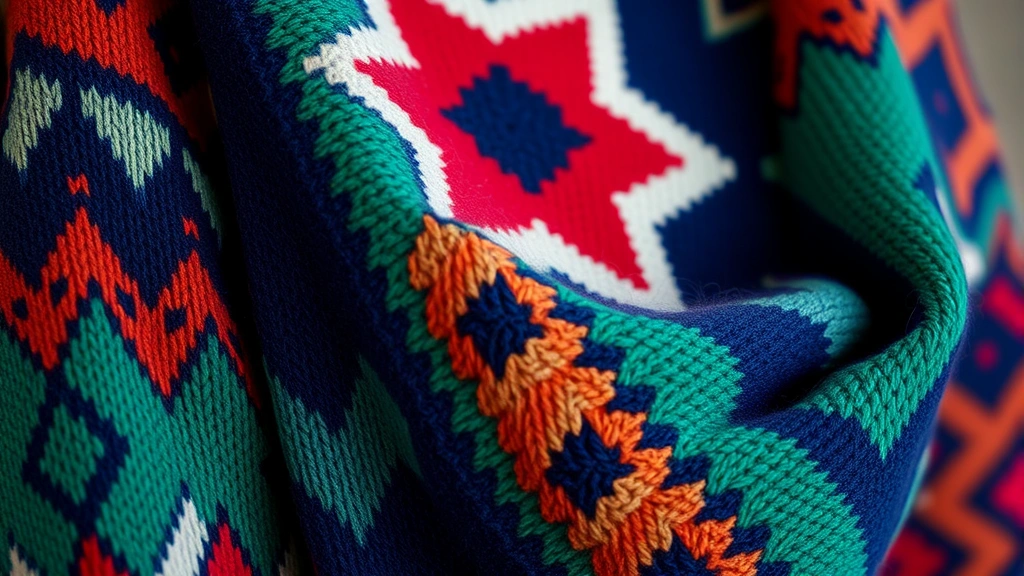
Colorful knitwear represents a more wearable aspect of 80s fashion. Geometric patterns, bold color blocking, and interesting textures define contemporary pieces inspired by the decade. A well-chosen sweater in electric blue or featuring striking patterns can instantly elevate casual outfits while nodding to 80s aesthetics without appearing costume-like.
Statement accessories continue the revival. Chunky watches with visible mechanisms, layered chains, and bold rings appeal to men seeking to express personality through accessories. The contemporary approach emphasizes quality and intentionality—pieces should feel curated rather than accumulated randomly.
Modern Styling Guide: How to Wear 80s Inspiration Today
Successfully incorporating 80s elements into contemporary wardrobes requires restraint and intentionality. The goal isn’t recreating 1980s outfits wholesale, but rather drawing inspiration from the era’s confidence and boldness while maintaining modern sensibilities.
The Balanced Approach: Pair one statement 80s-inspired piece with contemporary basics. If you’re wearing an oversized blazer with bold colors, keep the rest of your outfit understated. Try pairing it with simple dark jeans and a plain white t-shirt. Conversely, if you’re wearing a graphic t-shirt or colorful knitwear, balance it with tailored neutral pieces. This approach prevents outfits from reading as costumes while still celebrating retro inspiration.
Color Coordination: The 80s embraced bold color combinations that would make contemporary minimalists cringe. Modern interpretations work best when colors are intentional rather than chaotic. Try pairing jewel tones—emerald, sapphire, or ruby—with neutral basics. Or experiment with color blocking using complementary hues, but keep the palette to two or three colors maximum.
Fit Considerations: Contemporary tailoring differs significantly from 80s proportions. Modern oversized pieces are designed with contemporary silhouettes in mind—they’re roomy without being extreme. When shopping for 1980s fashion drawing inspiration pieces, look for items that feel current rather than costume-like. Try pieces on carefully, ensuring they flatter your specific body type while maintaining the relaxed confidence the era embodied.
Layering Strategies: The 80s excelled at layering different textures and proportions. Contemporary layering should feel intentional. Try oversized blazers over fitted t-shirts, or graphic shirts under structured vests. Experiment with interesting fabric combinations—leather and knit, denim and silk, cotton and velvet. Layering adds visual interest while allowing you to adjust your look throughout the day.
Footwear Selection: Chunky sneakers work with surprisingly varied outfits. Pair them with tailored trousers for an unexpected contrast, or wear them with casual pieces for an effortlessly cool aesthetic. Consider investing in classic silhouettes that will remain relevant beyond the current trend cycle—think clean leather sneakers with substantial soles rather than neon-colored statement shoes.
Visit fashion drawings resources to visualize styling combinations before committing to purchases. Understanding how pieces work together visually can prevent costly mistakes and build confidence in your styling choices.
Designer Perspective: What Fashion Experts Say
Industry professionals offer valuable insights into the 80s fashion comeback and its longevity. Leading fashion publications and designers have weighed in on why this trend resonates and how it’s evolving.
Fashion industry experts consistently note that the 80s revival differs fundamentally from previous retro trends. Rather than wholesale recreation, contemporary designers are deconstructing 80s elements and recontextualizing them within modern design frameworks. This approach creates pieces that feel fresh rather than derivative.
Luxury brands have particularly embraced this trend, recognizing that 80s inspiration allows for bolder design statements than minimalist aesthetics permit. The decade’s emphasis on individual expression aligns with contemporary luxury positioning—brands increasingly market products as vehicles for personal identity rather than status symbols alone.
Trend forecasters predict that 80s influence will continue evolving rather than disappearing entirely. The most sustainable elements—oversized silhouettes, bold colors, and statement accessories—are becoming integrated into contemporary design vocabulary rather than remaining purely nostalgic references. This suggests a genuine aesthetic shift rather than a temporary trend.
Fashion educators emphasize that understanding historical context enriches contemporary style choices. Students studying fashion design degree programs learn that design innovation often emerges from historical inspiration thoughtfully applied to contemporary challenges. The 80s revival exemplifies this principle—designers aren’t copying the past, they’re using it as a springboard for innovation.
Finding Authenticity: Balancing Nostalgia with Modern Fashion
The most successful contemporary style incorporates retro inspiration while maintaining modern authenticity. This balance requires understanding what made the 80s distinctive and determining which elements remain valuable today.
Confidence as the Core Element: The defining characteristic of 80s fashion wasn’t any specific piece—it was the confidence with which people wore their clothes. Men weren’t afraid to be noticed, to experiment, or to express personality through fashion. Contemporary style that successfully channels 80s inspiration captures this confidence while avoiding pure nostalgia. Wear bold colors because you genuinely like them, not because they’re trendy. Choose oversized pieces because they suit your aesthetic, not because you’re recreating a decade.
Personal Curation: Rather than adopting the entire 80s aesthetic, curate elements that genuinely resonate with you. Perhaps you love the era’s bold color palette but prefer contemporary tailoring. Maybe you appreciate the confidence in accessorizing but want to apply it through modern pieces. Building a personal style informed by 80s inspiration creates authenticity impossible to achieve through costume-like recreation.
Quality Over Quantity: The 80s embraced abundance, but contemporary style increasingly values quality. Invest in well-made pieces that will last beyond trend cycles. A quality leather jacket inspired by 80s aesthetics will serve you longer than a trendy fast-fashion interpretation. This approach respects both the environment and your personal style development.
Seasonal Adaptation: 80s fashion was loud and permanent. Contemporary style benefits from seasonal variation. Embrace bold colors and statement pieces during seasons when they naturally fit—bright hues in summer, rich jewel tones in fall. This prevents your style from becoming stagnant while maintaining the confidence the era embodied.
Understanding fashion croquis and design principles helps visualize how retro inspiration translates to your body and lifestyle. Fashion illustration resources can clarify proportions and styling combinations before you commit to purchases.
The StyleLoom Daily Blog offers ongoing fashion articles exploring how historical trends inform contemporary style, providing inspiration for building personally authentic wardrobes informed by diverse influences.
FAQ
Is the 80s fashion comeback just for young people?
Absolutely not. The 80s revival appeals across age groups, though for different reasons. Those who lived through the era may embrace pieces from their youth, while younger generations discover the decade’s boldness through contemporary reinterpretations. The key is choosing pieces that suit your personal style and body type, regardless of age.
Can I wear 80s-inspired fashion to professional settings?
Yes, with strategic choices. Oversized blazers in neutral colors work beautifully in professional contexts. Bold-colored knitwear can add personality to business casual environments. Avoid neon colors, graphic prints, and excessive accessories in conservative professional settings. The goal is bringing confidence and personality to professional style without appearing costume-like.
How do I avoid looking like I’m wearing a costume?
Balance is essential. Pair one statement 80s-inspired piece with contemporary basics. Ensure proportions suit your body type and contemporary tailoring standards. Choose quality pieces that feel intentional rather than accumulated randomly. Consider your personal aesthetic and select elements that genuinely resonate rather than adopting the entire era’s look.
Where can I find authentic 80s pieces versus contemporary interpretations?
Vintage shops and online resale platforms offer authentic pieces, though quality and condition vary. Contemporary brands increasingly create pieces inspired by the era, often with better quality and fit for modern bodies. Luxury designers offer high-end interpretations, while fast-fashion brands provide affordable options. Consider your budget and quality preferences when deciding between authentic vintage and contemporary-inspired pieces.
Will 80s fashion stay relevant or is it a passing trend?
Fashion experts suggest that while the specific trend cycle will eventually shift, the elements that make 80s inspiration appealing—bold colors, confident proportions, individual expression—are becoming integrated into contemporary design vocabulary. Rather than disappearing, 80s influence is likely becoming a permanent part of modern fashion language.
How do I incorporate 80s style into my existing wardrobe?
Start with one or two pieces that genuinely appeal to you. Perhaps an oversized blazer or colorful knitwear. Experiment with styling these pieces alongside your current wardrobe, discovering combinations that feel authentic to your personal aesthetic. Gradually expand your collection as you develop confidence in blending retro inspiration with contemporary pieces.

