How to Sketch Fashion? Designer Insights and Techniques
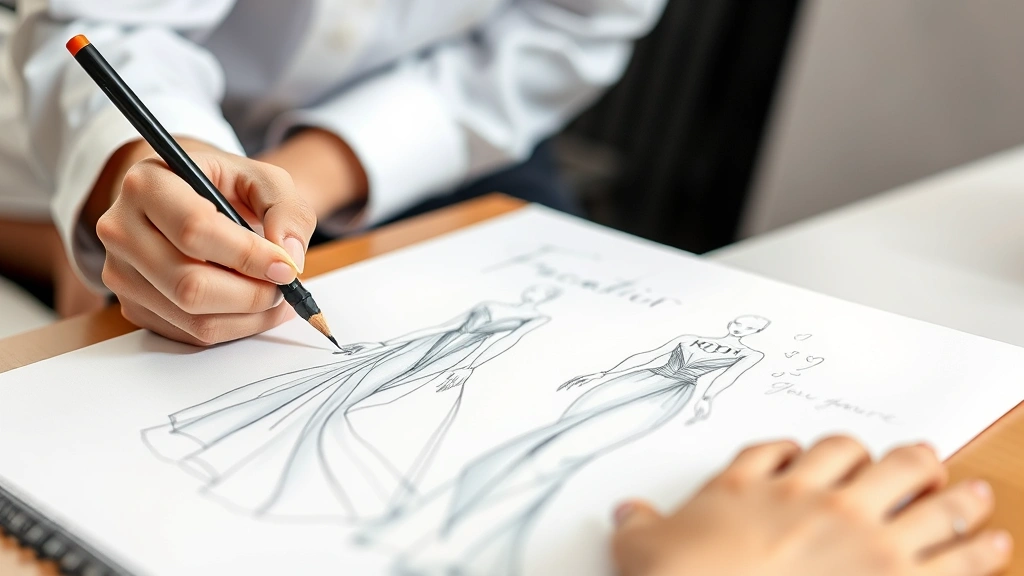
Fashion sketching is the visual language that transforms creative ideas into wearable art. Whether you’re aspiring to join the competitive fashion careers in NYC or simply exploring your creative passion, mastering fashion drawings is an essential skill that bridges imagination and design reality. In this comprehensive guide, we’ll explore the fundamental techniques, insider secrets, and professional approaches that top designers use to bring their visions to life on paper.
The art of fashion illustration has evolved dramatically over the decades, yet its core purpose remains unchanged: communicating design concepts with clarity, elegance, and artistic flair. From quick gesture sketches to detailed technical drawings, fashion drawings serve as the blueprint for every garment that graces the runway or retail racks. Understanding how to sketch fashion effectively requires a combination of anatomical knowledge, artistic technique, and an eye for proportion and style.
Understanding Fashion Drawing Fundamentals
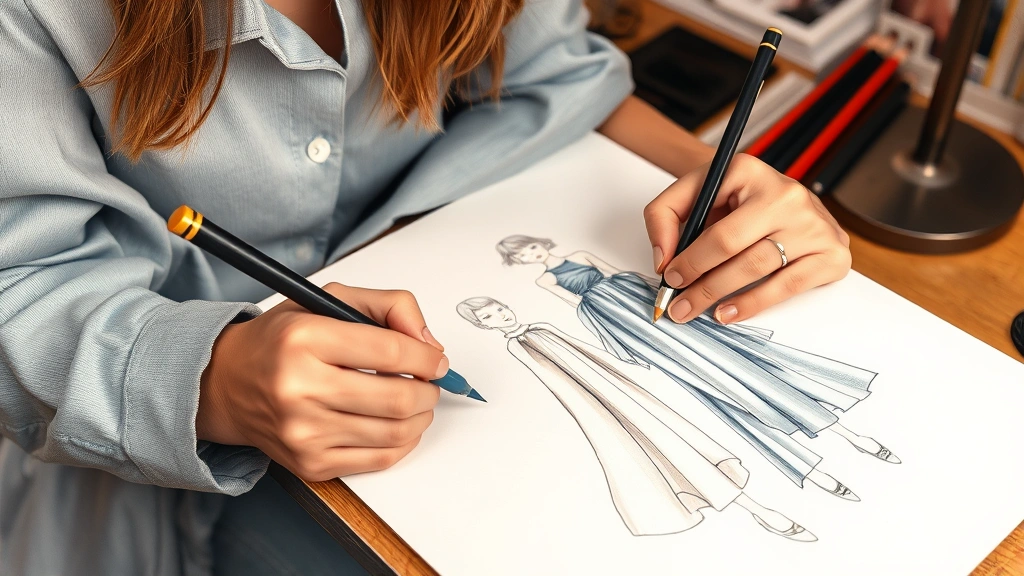
Fashion drawings begin with understanding the basic principles that distinguish fashion illustration from fine art. The fashion figure, also known as a croquis, is typically elongated and stylized to emphasize the clothing rather than realistic human proportions. Professional fashion illustrators commonly use a nine-head proportion system, where the total height of the figure equals approximately nine times the length of the head. This elongation creates the elegant, aspirational quality that makes garments appear more desirable and fashionable.
The foundation of any strong fashion sketch lies in understanding proportion, balance, and the relationship between the figure and the clothing it wears. Before diving into detailed rendering, designers spend considerable time developing their ability to capture the essence of a pose in quick, confident lines. These preliminary sketches, often called gesture drawings, establish the overall composition and ensure that the garment silhouette reads clearly from a distance.
Professional designers often emphasize that fashion drawings are not meant to be anatomically perfect replicas of the human form. Instead, they’re stylized interpretations designed to showcase clothing design. The face, hands, and feet are often simplified or exaggerated to keep focus on the garment itself. This intentional departure from realism is what gives fashion illustrations their distinctive character and appeal. Understanding this conceptual shift is crucial for anyone looking to develop their skills in fashion illustration.
Many designers recommend starting with formal fashion design education to build these foundational skills systematically. However, dedicated self-study combined with consistent practice can also yield impressive results. The key is understanding the underlying principles before attempting more complex illustrations.
Essential Tools and Materials for Sketching
The right tools can significantly impact your fashion sketching experience and final results. While expensive materials aren’t necessary to start, investing in quality basics will help you develop better technique and achieve more professional-looking drawings.
Drawing Pencils and Graphite: Begin with a range of graphite pencils from H (hard) to B (soft) grades. Most fashion illustrators prefer HB to 2B for initial sketching, as these provide good control without being too dark. Mechanical pencils offer consistent line weight and are excellent for technical drawings and flats.
Paper Selection: The paper you choose affects how your tools perform and how your final artwork appears. Smooth paper works best for detailed technical drawings, while slightly textured paper is ideal for marker work. Many professionals use sketch paper for initial concepts and transition to bristol board or mixed media paper for finished illustrations.
Markers and Colored Pencils: Alcohol-based markers are industry standards for fashion illustration. Brands like Copic and Prismacolor are favored by professionals for their color range, blendability, and archival quality. Colored pencils work wonderfully for detail work and layering, and they’re more forgiving for beginners learning color application.
Inking Materials: Fine-tip pens and ink are essential for creating clean, professional outlines and details. Many designers use these to define garment edges and add finishing touches to their illustrations.
Additional Supplies: Keep blending stumps, erasers, rulers, and measuring tools on hand. A fashion design ruler with built-in proportional guides can be invaluable for maintaining consistent figure proportions. Light tables or tracing pads are also helpful for refining sketches without repeatedly erasing.
For those interested in digital approaches, exploring fashion design software can expand your capabilities and prepare you for modern design industry workflows.
Mastering the Fashion Figure
The fashion figure is the foundation upon which all successful fashion sketches are built. Developing the ability to draw a confident, proportional croquis is fundamental to communicating your design ideas effectively. Most fashion illustrators spend months, even years, perfecting their figure drawing before moving on to complex garment design.
Head and Face Proportions: The head should be approximately one-ninth of the total body height. The face is typically simplified in fashion illustration, with minimal facial features that suggest personality without detracting from the clothing. The eyes are usually positioned about one-third down from the top of the head, and the chin should align with the bottom of the head.
Torso and Shoulder Placement: The shoulders should be drawn wider and more angular than realistic proportions to create an elegant silhouette. The torso is typically shortened compared to realistic human anatomy, contributing to the elongated appearance of fashion figures. The waistline should be positioned approximately one-third down from the shoulders.
Limb Proportions: Arms in fashion figures are often drawn longer and more slender than anatomically accurate. The hand should be positioned roughly at mid-thigh when arms are relaxed at the sides. Legs are significantly elongated, with knees positioned about halfway down the leg length. Feet are often exaggerated in size to balance the elongated proportions and accommodate fashionable footwear.
Practicing basic croquis repeatedly helps develop muscle memory and confidence. Most professionals recommend drawing at least ten to twenty basic figures daily when developing this skill. Create a collection of templates in different poses—standing, walking, sitting—that you can use as references for your design sketches.
Techniques for Dynamic Poses and Movement
Static, straight-on figures are a starting point, but fashion illustrations truly come alive when they convey movement and personality. Professional designers use several techniques to create dynamic, engaging sketches that make garments appear more desirable and wearable.
Understanding Gesture and Flow: Begin each sketch with a simple line of action—a curved or diagonal line that establishes the overall movement and energy of the pose. This single line can completely transform a stiff figure into one that appears to be moving, walking, or turning. The line of action should flow through the entire figure, from the head down through the torso and legs.
Weight Distribution and Stance: In realistic human anatomy, weight must be supported. Fashion illustrators exaggerate this principle to create elegance and movement. When weight is shifted to one leg, the hip rises slightly on that side, creating an S-curve through the body. This subtle shift makes figures appear more sophisticated and fashion-forward.
Foreshortening and Angles: Three-quarter views and angled perspectives make fashion drawings more interesting than pure profile or front views. Learning to foreshorten limbs and body parts that extend toward the viewer adds depth and dimension to your sketches. This technique requires understanding perspective and how proportions appear to change based on viewing angle.
Hand and Foot Placement: Hands should be positioned purposefully—touching the hair, adjusting clothing, or gesturing expressively. Similarly, feet should show different angles and positions that suggest movement. These details transform a figure from a generic template into a specific, memorable illustration.
Professional fashion designers often reference live models, photographs, or video for inspiration when creating dynamic poses. Studying how fabric moves and drapes on a moving body is invaluable for creating convincing fashion illustrations.
Fabric Rendering and Texture Details
The ability to convincingly render different fabrics is what separates amateur sketches from professional fashion drawings. Each fabric type has distinct visual characteristics that must be understood and illustrated accurately to communicate design intent effectively.
Understanding Fabric Behavior: Different fabrics drape, fold, and move in characteristic ways. Silk and satin are fluid and create smooth, flowing lines with graceful folds. Cotton and linen create more angular, defined creases. Structured fabrics like wool or technical materials hold their shape and create sharp, geometric folds. Understanding these differences allows you to sketch garments that appear to be made from the correct materials.
Shading and Value: Fabric texture is primarily conveyed through shading and value variation. Light-colored fabrics require subtle shading to show form and dimension, while darker fabrics can use more dramatic contrast. The direction of light should be consistent across the entire figure, creating believable shadows and highlights that make garments appear three-dimensional.
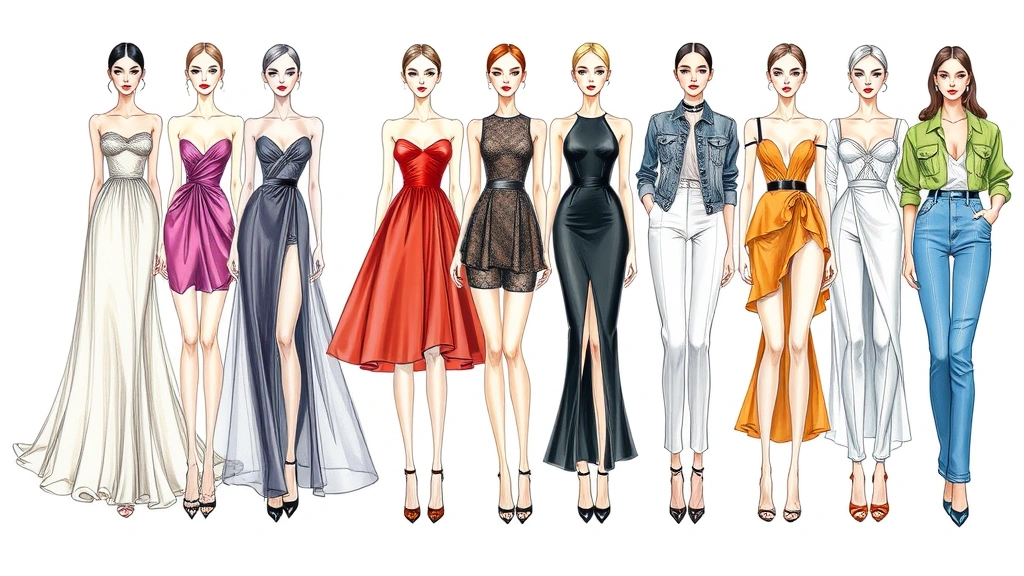
Rendering Specific Fabrics: Denim is typically shown with visible seams, stitching, and a characteristic texture created through cross-hatching or stippling. Silk appears smooth and reflective with long, flowing highlights. Knit fabrics show texture through subtle variations and sometimes visible knit pattern. Lace requires careful line work to show the intricate pattern while maintaining the overall garment shape.
Pattern and Print Application: When illustrating patterned fabrics, the pattern should follow the contours of the garment and the folds of the fabric. Patterns that wrap around the body should show perspective and distortion that reflects the three-dimensional form beneath. This attention to detail significantly enhances the believability of your fashion drawings.
Color Theory and Media Selection
Color is a powerful tool in fashion illustration that can make or break a design presentation. Understanding color theory and how different media perform is essential for creating compelling fashion drawings that effectively communicate your design vision.
Color Psychology in Fashion: Different colors evoke different emotions and associations. Warm colors like red, orange, and yellow create energy and excitement, while cool colors like blue, green, and purple suggest calm and sophistication. Neutrals provide balance and allow accent colors to stand out. Professional designers carefully select color palettes that reinforce the mood and message of their designs.
Value and Contrast: The relationship between light and dark values is more important than the specific colors chosen. High contrast draws attention and creates drama, while low contrast creates subtlety and sophistication. Using a full range of values from very light to very dark makes illustrations appear more professional and polished.
Media Characteristics: Markers provide quick, vibrant color application and are ideal for design presentations and quick concepts. Colored pencils offer more control and allow for subtle blending and layering. Watercolor creates beautiful, flowing effects and is excellent for rendering soft fabrics and organic shapes. Digital media offers unlimited color options and the ability to make quick adjustments.
Color Layering Techniques: Building color through multiple layers creates depth and sophistication. Start with light washes or base colors, then gradually build darker values and more saturated colors. This approach prevents colors from appearing flat or artificial. Many professionals use complementary colors in shadows to create vibrancy rather than using black.
Technical Flats and Production Drawings
While fashion illustrations focus on artistic presentation, technical flats serve a different but equally important purpose. These precise, two-dimensional drawings communicate exact design specifications to manufacturers and production teams. Understanding how to create professional flats is essential for anyone pursuing fashion designer positions.
Flat Drawing Principles: Flats are drawn from a straight-on view without perspective distortion. They emphasize accurate proportions, seam placement, and construction details. Every button, zipper, pocket, and seam is clearly indicated. The goal is to create an unambiguous technical document that manufacturers can use as a production guide.
Measurement and Specification: Professional flats include detailed measurements and specifications. Seam allowances, hem depths, and garment dimensions must be precisely indicated. Color specifications, fabric content, and care instructions are often included in flat packages. This level of detail ensures that the final produced garment matches the designer’s original vision.
Views and Angles: Complete flat packages typically include front, back, and side views. Detail shots highlight specific construction elements like collars, cuffs, or pocket details. These multiple views ensure that every aspect of the garment is clearly documented.
Line Weight and Clarity: Flats use consistent, clear line weight that reproduces well in black and white. There’s no shading or artistic interpretation—just clear, accurate lines that communicate construction. Digital tools are increasingly used for flats because they allow for precise measurements and easy modifications.
Professional Development and Career Paths
Developing expertise in fashion sketching opens numerous career opportunities in the fashion industry. Whether you aspire to become a design director, illustrator, or technical designer, strong sketching skills are fundamental to success.
Building a Compelling Portfolio: Your portfolio should showcase your best work and demonstrate your range and versatility. Include both conceptual illustrations and technical flats. Show your ability to render different fabrics, silhouettes, and styles. A strong portfolio tells a story about your design aesthetic and capabilities, making it an essential tool for securing design positions or freelance opportunities.
Continuous Learning and Skill Development: The fashion industry evolves rapidly, and staying current with trends and techniques is crucial. Many designers attend workshops, take online courses, and study work by established illustrators to continuously improve their skills. Following industry leaders on social media and studying fashion magazines provides constant inspiration and education.
Exploring Digital Tools: While traditional sketching remains valuable, digital design tools are increasingly important in modern fashion design workflows. Exploring fashion design software options can expand your capabilities and make you more competitive in the job market. Many professionals use digital tools for client presentations and production specifications.
Networking and Industry Involvement: Connecting with other designers, attending fashion events, and participating in design competitions can accelerate your career development. Many entry-level fashion designer positions are filled through networking and personal connections. Building relationships in the industry is as important as developing your technical skills.
For those seeking formal education, pursuing a fashion design degree provides structured learning and industry connections. However, many successful designers have developed their skills through dedicated self-study and practical experience. The key is consistent practice, genuine passion for fashion, and willingness to continuously improve.
Visiting StyleLoom Daily Blog regularly can provide ongoing inspiration, trend updates, and industry insights that support your professional development. Additionally, learning how to find your personal style helps establish your unique design voice and aesthetic perspective.
Fashion illustration is both an art and a skill that requires dedication, practice, and passion. The most successful designers never stop learning and pushing their creative boundaries. Whether you’re creating quick concept sketches or detailed technical flats, each drawing represents an opportunity to communicate your vision and contribute to the fashion industry.
Frequently Asked Questions
What is the best way to start learning fashion sketching?
Begin with basic croquis practice, focusing on proportions and simple poses. Use reference materials like fashion magazines and life drawing classes. Practice daily, starting with quick gesture sketches before moving to more detailed illustrations. Many aspiring designers benefit from formal instruction or online courses that provide structured learning.
Do I need expensive materials to create professional fashion drawings?
While quality materials do help, expensive supplies aren’t necessary to start. Begin with basic pencils, paper, and markers. As you develop your skills and determine your preferred media, you can invest in higher-quality tools. Many professional designers started with modest materials and upgraded as they progressed.
How long does it take to become proficient at fashion sketching?
With consistent daily practice, most people can develop basic competency within three to six months. However, achieving professional-level skill typically requires one to two years of dedicated practice. Continued improvement happens throughout a designer’s entire career as they refine their technique and develop their unique style.
Is digital fashion design replacing traditional sketching?
Digital tools are increasingly important in modern fashion design, but traditional sketching remains valuable. Many designers use both approaches—sketching by hand for quick ideas and exploration, then refining designs digitally for presentations and production. Understanding both traditional and digital techniques makes you more versatile and competitive.
What’s the difference between fashion illustration and technical flats?
Fashion illustrations are artistic presentations designed to showcase garments in an appealing, stylized manner. They emphasize aesthetics and appeal. Technical flats are precise, two-dimensional drawings that communicate exact design specifications to manufacturers. Both are essential in the fashion industry but serve different purposes.
How can I develop my unique design style through sketching?
Study designers whose work resonates with you, but develop your own interpretation rather than copying directly. Experiment with different media, techniques, and subject matter. Let your sketches reflect your personality and aesthetic preferences. Your unique style develops naturally over time as you create consistently and authentically.