
How to Draw 1980’s Fashion? Designer Insights & Techniques
The 1980s remains one of the most visually dynamic and expressive decades in fashion history, offering endless inspiration for artists and fashion illustrators. Drawing 1980s fashion requires understanding the era’s bold aesthetics, exaggerated silhouettes, and fearless color combinations that defined a generation. Whether you’re a fashion student, aspiring designer, or illustration enthusiast, mastering the techniques to capture this iconic period will elevate your creative portfolio and deepen your appreciation for fashion history.
This comprehensive guide draws from designer insights, historical fashion references, and practical illustration techniques to help you authentically recreate 1980s fashion on paper. From understanding the structural elements of power dressing to capturing the essence of Miami Vice aesthetics, we’ll explore every dimension of this unforgettable era. By the end, you’ll possess the knowledge and confidence to sketch silhouettes that truly embody the spirit of the 1980s.
Understanding 1980s Fashion Fundamentals
Before you begin sketching, immerse yourself in the cultural context that shaped 1980s fashion. This decade was characterized by excess, individuality, and a rejection of minimalism. The era embraced maximalism in every form—bigger hair, bolder makeup, brighter colors, and more elaborate clothing. Understanding this philosophy is crucial when learning to draw 1980s fashion effectively.
The 1980s witnessed the rise of several distinct fashion movements simultaneously. Punk and new wave influenced street style with leather jackets, safety pins, and asymmetrical cuts. Meanwhile, the preppy movement dominated with polo shirts, shoulder pads, and pastel colors. Simultaneously, hip-hop culture introduced baggy silhouettes, tracksuits, and athletic-inspired wear that would become iconic. As you begin your illustration journey, study how these movements coexisted and influenced mainstream fashion.
Visit Vogue’s comprehensive 80s fashion retrospective to understand how major fashion houses approached the decade. This research foundation will inform your drawing accuracy and help you appreciate why certain silhouettes dominated the era.
Consider exploring the Style Loom Daily Blog for additional fashion context and historical perspectives. Understanding fashion evolution helps you draw with authenticity and confidence.
Key Silhouettes and Proportions
The most distinctive feature of 1980s fashion is undoubtedly the exaggerated shoulder pad. When drawing 1980s fashion, shoulders should extend dramatically beyond the natural shoulder line, creating a powerful, angular silhouette. This applies to blazers, dresses, t-shirts, and even casual wear. The shoulder pad wasn’t merely functional—it represented power, confidence, and the decade’s love of structured, architectural clothing.
When sketching the torso, remember that 1980s proportions often feature a fitted waist paired with voluminous sleeves and hips. Peplum tops, which flared out at the waist, were enormously popular. Draw the peplum as distinct horizontal ruffles or structured panels that create a dramatic silhouette. The contrast between fitted and loose elements is essential to capturing authentic 1980s proportions.
Pants in the 1980s came in distinct styles worth mastering. High-waisted, tapered trousers dominated professional settings, while baggy, oversized pants characterized casual and hip-hop-influenced looks. When drawing pants, pay attention to the rise—1980s trousers typically sit much higher on the waist than contemporary styles. The taper should be pronounced, creating an inverted triangle effect from hip to ankle.
Skirts ranged from mini lengths to midi, often featuring asymmetrical hems or dramatic slits. Pencil skirts hugged the body, while tulle and taffeta skirts created voluminous silhouettes perfect for the era’s dance-inspired aesthetic. When illustrating skirts, consider the fabric weight and how it would naturally fall and move.
Understanding how personal style evolved during different decades helps you draw with historical accuracy. The 1980s represented a pivotal moment where individual expression through fashion reached new heights.
Mastering Bold Colors and Patterns
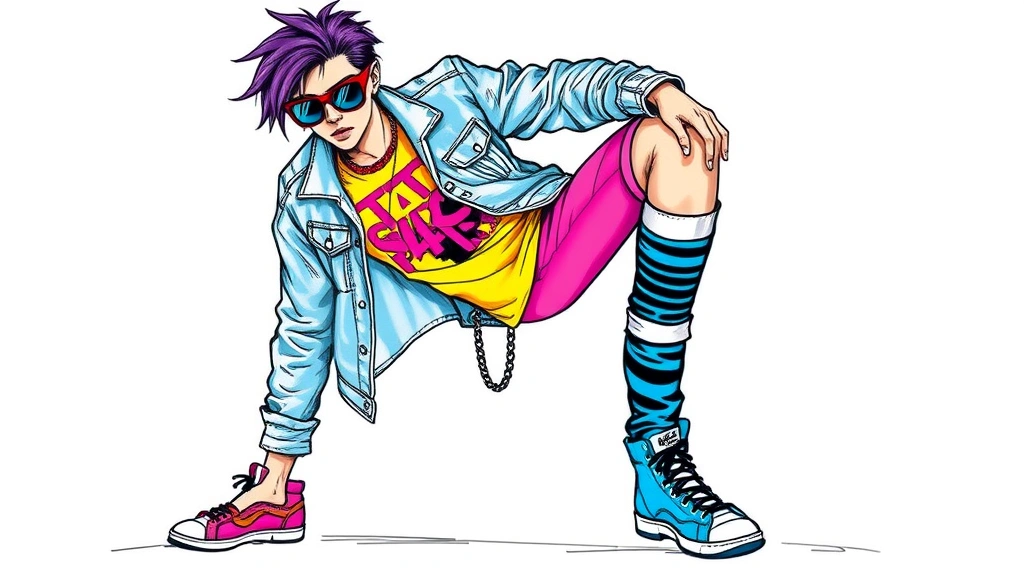
Color selection is absolutely critical when drawing 1980s fashion. The decade rejected subtlety in favor of vibrant, clashing hues that demanded attention. Neon colors—hot pink, electric blue, lime green, and bright orange—dominated both high fashion and street wear. When adding color to your 1980s fashion illustrations, don’t shy away from intensity. These colors weren’t accidental; they were deliberate statements of confidence and individuality.
Pastels also played a significant role, particularly in preppy and romantic aesthetic interpretations. Soft pink, baby blue, lavender, and mint green created a contrasting visual language to neon. Many outfits combined both color families, creating unexpected and striking combinations.
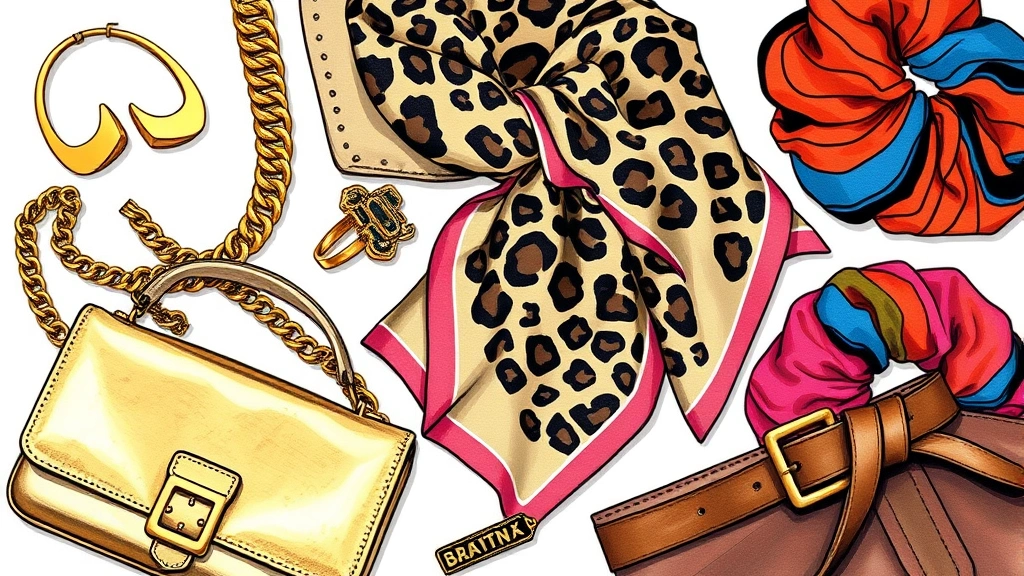
Patterns in the 1980s were equally bold. Animal prints—leopard, zebra, and snake—appeared on everything from jackets to accessories. Geometric patterns like Memphis design influenced fashion, introducing squiggles, triangles, and abstract shapes. Polka dots, stripes, and color-blocking created visual interest. When drawing patterns, commit fully to their boldness and don’t overcomplicate them. Simple, clean pattern execution reads more authentically than overly detailed renderings.
Lamé and metallic fabrics reflected light and glamour. When illustrating these materials, use highlights and shadows to suggest their reflective quality. Sequins, rhinestones, and studs adorned evening wear and performance costumes. Render these embellishments with strategic placement rather than covering entire surfaces—a few well-placed sparkles suggest the overall effect without overwhelming your illustration.
Denim was ubiquitous in 1980s fashion, often decorated with paint splatters, bleach spots, or embroidery. Consider adding these personalized touches to your denim illustrations to capture the era’s DIY aesthetic.
Drawing Iconic 80s Accessories
Accessories elevated 1980s outfits from ordinary to extraordinary. When drawing 1980s fashion, paying meticulous attention to accessories is non-negotiable. Large, geometric jewelry dominated—chunky gold chains, oversized hoop earrings, and statement rings were essential. Render these accessories with bold outlines and strategic shading to emphasize their substantial presence.
Belts were worn dramatically, often featuring large buckles and bright colors. Draw belts as prominent design elements, not afterthoughts. Wide leather belts cinched the waist, creating dramatic silhouettes. Chain belts and studded belts added edge to casual outfits.
Footwear in the 1980s included leg warmers worn over athletic shoes, creating a distinctive silhouette. Sneakers with multiple straps and bright color combinations were popular. Stiletto heels, often in metallics or bold colors, completed formal looks. When drawing feet and shoes, render them with the same attention to proportion and detail as the clothing.
Bags ranged from large shoulder bags to tiny clutches. The Birkin bag, though originally from the 1980s, became iconic. Draw bags with clean lines and consider how they’d interact with the figure—would they be held, carried on the shoulder, or worn as crossbody styles?
Sunglasses were oversized and omnipresent. Ray-Ban Wayfarers and aviators dominated, but geometric and colored frames also appeared frequently. When drawing faces wearing sunglasses, ensure the frames are proportionally large and cover significant facial area.
Hats included fedoras, baseball caps, and berets. Hair accessories like scrunchies, headbands, and clips were worn boldly and often in contrasting colors. When illustrating hair with accessories, show how these elements interact with the hair volume characteristic of the era.
Techniques for Capturing Movement and Attitude
Drawing 1980s fashion successfully means capturing the era’s confident, sometimes confrontational attitude. The 1980s fashion illustration style emphasized movement, attitude, and personality. When sketching figures, use dynamic poses that suggest confidence and presence. Avoid stiff, static positioning; instead, show figures in motion—walking with purpose, striking powerful poses, or dancing.
The fashion illustration style of the 1980s often featured exaggerated proportions in figures themselves. Heads might be slightly smaller relative to bodies, legs extended longer, and poses more dramatic. Study fashion illustrations from the era to understand these stylistic conventions. Publications like Harper’s Bazaar’s fashion trends section occasionally features historical illustrations worth studying.
Facial expression matters tremendously in 1980s fashion illustration. Eyes should convey confidence, attitude, and personality. Makeup was bold—heavy eyeshadow, defined lips, and dramatic brows. When drawing faces, exaggerate these makeup elements slightly to capture the era’s aesthetic.
Hair was voluminous and often teased. Whether rendering curly, wavy, or straight hair, show significant volume through curved lines and shading. The bigger the hair, the more authentically 1980s your illustration will read.
Consider the context and environment when drawing. Are you illustrating someone at a nightclub, in an office, at the gym? The setting influences pose, attitude, and styling choices. A power-dressed businesswoman would carry herself differently than a street-style figure.
Power Dressing: Corporate Fashion Illustration
Power dressing defined professional 1980s fashion and represents a crucial element to master when learning to draw 1980s fashion. This aesthetic emerged as women increasingly dominated corporate environments and used fashion as a tool for projecting authority and competence.
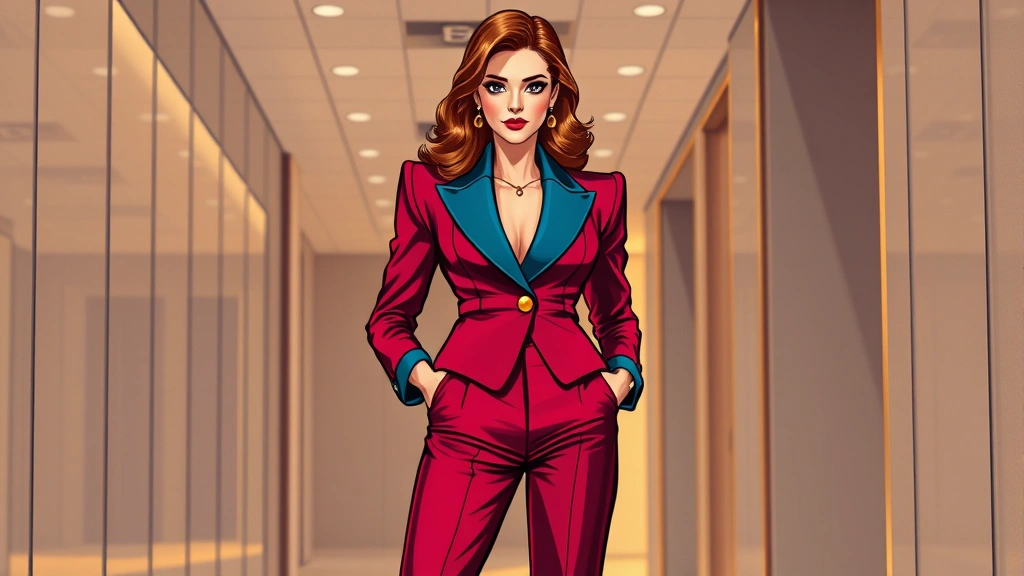
The power suit featured exaggerated shoulder pads, a fitted waist, and often came in bold colors or patterns. When drawing power suits, emphasize the structured shoulders—they should look almost architectural. The jacket typically hit at the hip, with buttons running down the center. Pair suits with high-waisted trousers that tapered at the ankle or with pencil skirts in coordinating or contrasting colors.
Blouses worn beneath power suits were often silk, featuring bold prints, bright colors, or metallic finishes. Draw these blouses with attention to how they layer beneath the jacket—sometimes only the collar and cuffs are visible, but they should still suggest the garment’s quality and style.
Color combinations in power dressing were crucial. Jewel tones—emerald, sapphire, ruby—paired with gold accessories created sophisticated, commanding looks. Pastels offered a softer approach to power dressing while maintaining authority. When selecting colors for your power-dressed figures, consider how the combination conveys confidence and professionalism.
Accessories completed power looks. Gold jewelry, structured handbags, and professional footwear were essential. Scarves—often silk with bold prints—added visual interest and could be tied at the neck or draped over the shoulder.
For deeper understanding of how fashion design has evolved, explore fashion design degree programs which often cover historical periods like the 1980s comprehensively.
Casual and Street Style of the Decade
While power dressing dominated professional spaces, casual 1980s fashion was equally distinctive and often more expressive. When drawing 1980s fashion in casual contexts, embrace the era’s love of mixing patterns, colors, and styles that would seem clashing by today’s standards but felt perfectly natural in the 1980s.
Tracksuits represented casual luxury and athletic-inspired wear. Draw these as matching sets with contrasting stripes running down sleeves and pant legs. The fit was relaxed but not oversized—tracksuits skimmed the body rather than hanging loose. Pair tracksuits with sneakers and minimal jewelry for an authentic look.
Leg warmers became a fashion staple beyond the gym, worn over jeans or with shorts and leggings. When illustrating leg warmers, show them as substantial accessories that add volume to the lower leg. They typically came in bright colors and sometimes featured stripes or patterns.
Acid wash denim was ubiquitous in casual wear. When drawing acid-washed jeans, use light blue with darker blue shadows to create the characteristic mottled appearance. Add details like paint splatters or bleach spots to enhance authenticity.
Band t-shirts and graphic tees were essential casual wear. When drawing these, keep graphics bold and simple—band logos, concert tour dates, or graphic images. Oversized fits were popular, with the t-shirt sometimes falling off one shoulder or tied at the waist.
Layering was crucial in 1980s casual style. Combine oversized blazers with graphic tees, add leg warmers with high-top sneakers, and accessorize with multiple chains and bracelets. The more unexpected the combination, the more authentically 1980s it feels.
Exploring 1970s fashion for men and 1950s fashion for guys provides valuable context for understanding how men’s fashion evolved into the 1980s, helping you draw with historical perspective.
Digital Tools for 80s Fashion Design
Modern fashion illustrators often use digital tools to create 1980s-inspired designs. If you’re working digitally, several approaches enhance your 1980s fashion illustrations. Procreate, Adobe Illustrator, and Clip Studio Paint all offer capabilities perfect for fashion illustration.
Use brush tools that create bold, clean lines reflective of 1980s illustration style. Avoid overly soft, blended approaches; instead, embrace more graphic, defined strokes. The 1980s aesthetic often featured clear line work with strategic shading rather than highly rendered, photorealistic approaches.
Layer your work to separate line art, base colors, patterns, and highlights. This organization allows you to make adjustments and experiment with color combinations easily. Digital tools excel at allowing you to try multiple color schemes quickly—take advantage of this flexibility to explore bold 1980s palettes.
Consider using reference images from authentic 1980s fashion sources. Fashion magazines from the era, runway photos, and street style photography provide invaluable visual references. The more specific your references, the more authentic your illustrations will be.
Practice creating swatch libraries for 1980s colors and patterns. Build a digital collection of neon colors, pastels, metallics, and characteristic 1980s patterns. Having these readily available streamlines your design process and ensures color consistency across multiple illustrations.
Explore how contemporary fashion brands draw inspiration from historical periods, including the 1980s. Understanding how modern designers reinterpret 1980s elements can inform your illustration choices.
Texture overlays can suggest metallic finishes, sequins, and lamé fabrics. Experiment with blend modes to layer textures subtly over your illustrations. The key is suggestion rather than overwhelming realism—a few well-placed texture elements read more effectively than comprehensive coverage.
FAQ
What are the most important features to emphasize when drawing 1980s fashion?
Shoulder pads are absolutely essential—they’re the most recognizable feature of 1980s fashion. Additionally, emphasize bold colors, exaggerated proportions, and attitude-filled poses. The 1980s were about confidence and excess, so don’t hold back when drawing these elements.
How do I choose authentic colors for 1980s fashion illustrations?
Research the specific 1980s aesthetic you’re drawing. Power dressing featured jewel tones and pastels, while street style embraced neons and bright colors. Hip-hop influenced fashion used earth tones and blacks. Study reference images and commit to bold color choices—the 1980s rejected subtlety.
Should I render 1980s fashion with realistic or stylized proportions?
Both approaches work, depending on your illustration style. Authentic 1980s fashion illustrations often featured slightly stylized proportions—slightly smaller heads, longer legs, and more dramatic poses. However, realistic proportions also work beautifully when capturing 1980s silhouettes and details.
What’s the best way to practice drawing 1980s fashion?
Study authentic reference images from the era extensively. Sketch repeatedly, focusing on mastering specific elements—shoulders, proportions, accessories. Create multiple quick sketches rather than fewer detailed drawings initially. This builds your visual vocabulary and muscle memory for 1980s-specific elements.
How can I make my 1980s fashion illustrations feel authentic?
Authenticity comes from understanding the era’s cultural context and design philosophy. Research the decade’s music, art, and social movements. Study fashion magazines, runway shows, and street style photography from the 1980s. The more deeply you understand the period, the more naturally authentic your illustrations will feel.
Are there specific body types that represent 1980s fashion best?
The 1980s celebrated diverse body types, but the fashion itself was structured and architectural. Regardless of body type, the silhouettes—power suits with strong shoulders, fitted waists, and voluminous elements—define the era. Draw a variety of body types wearing 1980s fashion to represent the decade’s inclusive aesthetic.