Teenage Style Essentials: Fashion Blogger’s Guide
Navigating teenage fashion can feel overwhelming, but building a confident personal style doesn’t require following every trend or breaking the bank. This comprehensive guide breaks down the essentials every teen should know about creating a wardrobe that reflects their personality, works for their lifestyle, and helps them feel genuinely confident. Whether you’re just discovering your fashion voice or refining an already-developed sense of style, understanding the fundamentals of teenage fashion will empower you to make intentional choices that matter.
The teenage years represent a unique opportunity to experiment, explore, and ultimately discover who you are through clothing. Your wardrobe becomes a form of self-expression that communicates your values, interests, and personality to the world. This guide explores everything from building basics to understanding current trends, finding your aesthetic, and developing sustainable shopping habits that serve both your style and your budget.
Understanding Your Personal Style Foundation
Before purchasing anything, take time to understand what actually resonates with you aesthetically and practically. Finding your personal style involves honest self-reflection about the clothes that make you feel confident, comfortable, and authentically yourself. This foundation prevents impulsive purchases and creates cohesion in your closet.
Start by examining your daily life. What activities dominate your schedule? Are you constantly at school, sports practice, social events, or working? Your lifestyle should heavily influence your wardrobe priorities. A teen involved in competitive sports needs different essentials than one focused on creative pursuits or academic clubs. Understanding this reality means your clothes will actually work for your life rather than sitting unworn in your closet.
Consider what colors make you feel most confident. While trends come and go, your personal color palette remains consistent. Some teens gravitate toward warm neutrals like cream, camel, and warm browns, while others feel most themselves in cool tones like navy, gray, and white. Experimenting with different color combinations helps identify what genuinely flatters you and makes you feel good. This isn’t about following color theory rules—it’s about noticing which shades you naturally reach for and which make you feel energized.
The fashion style guide approach helps clarify whether you lean toward minimalist, maximalist, preppy, edgy, romantic, or eclectic aesthetics. Most teens find themselves somewhere on a spectrum rather than fitting neatly into one category. You might be 60% minimalist with 40% romantic elements, or primarily edgy with unexpected preppy touches. Understanding these proportions helps you make purchases that feel authentically you.
Essential Basics Every Teen Needs
Quality basics form the foundation of any functional teenage wardrobe. These aren’t exciting or trendy, but they’re essential because they work with everything and provide reliability on days when creativity isn’t your priority.
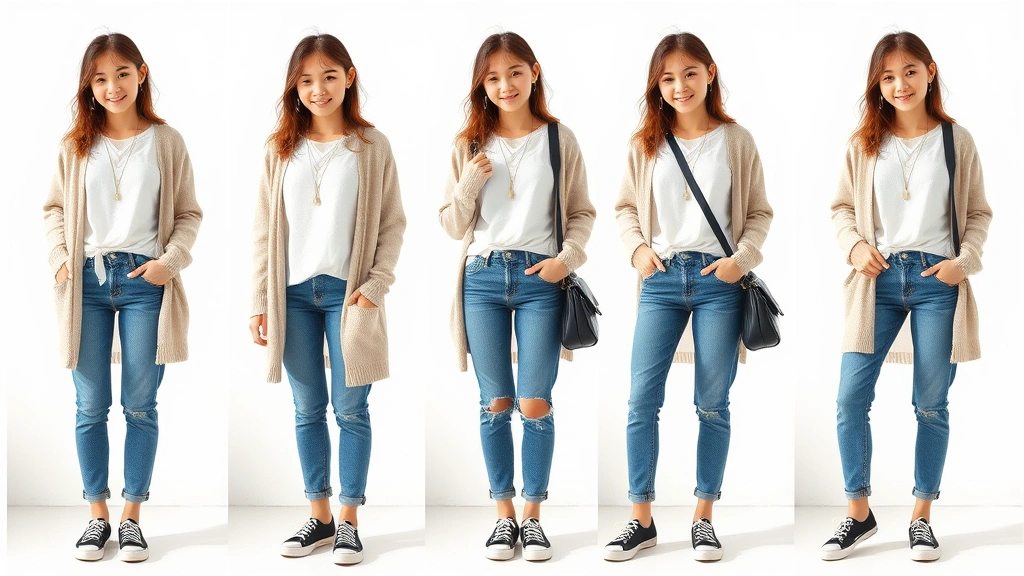
Neutral Tops: Invest in several well-fitting basics in your neutral color palette. A white t-shirt, cream long-sleeve, gray tee, and black tee form the foundation. Add a basic tank top and a simple sweater in neutral tones. These basics layer beautifully, work under everything, and won’t go out of style. Quality matters here—better-constructed basics last longer and look more polished than ultra-cheap alternatives.
Bottoms That Actually Fit: Finding jeans that fit your body and make you feel confident is transformative. Rather than chasing trends, prioritize fit and comfort. Most teens benefit from having two or three pairs of jeans in different washes—a dark wash for dressier occasions, a medium wash for everyday wear, and possibly a lighter wash or distressed pair. Additionally, keep neutral trousers or chinos for dressier situations, and comfortable leggings for casual days.
Layering Pieces: Cardigans, lightweight sweaters, and button-ups are invaluable for creating different looks from the same basics. They add dimension, allow temperature regulation, and completely transform an outfit’s vibe. A classic cardigan works with dresses, jeans, and skirts, making it one of the most versatile pieces you’ll own.
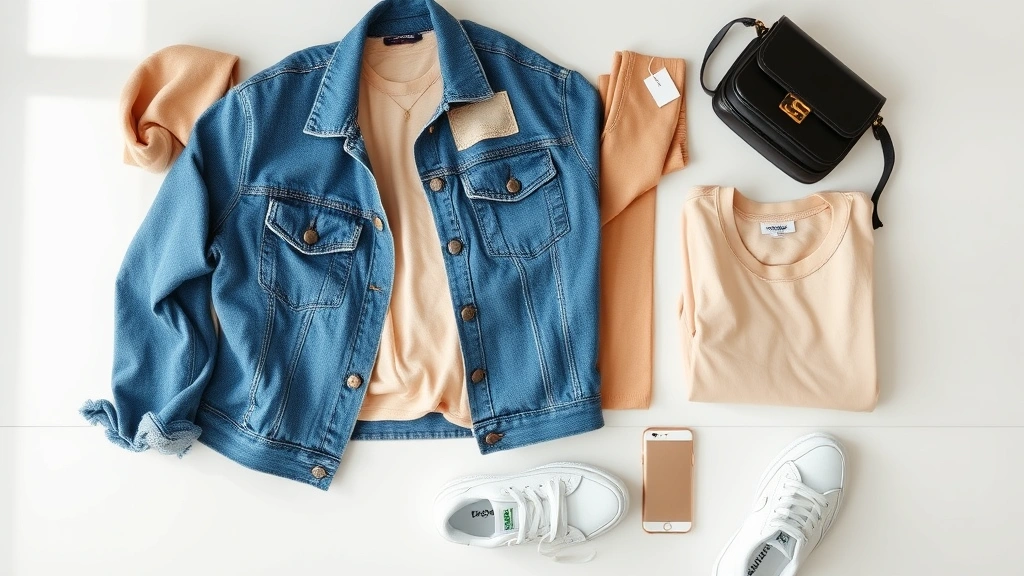
Neutral Outerwear: A classic denim jacket, neutral bomber, or simple blazer works with nearly everything and provides both functionality and style. Choose colors and styles that work with your existing wardrobe rather than something trendy that might feel dated quickly.
Building a Functional Wardrobe Strategy
Rather than random purchases, successful teenage style relies on intentional wardrobe building. The capsule wardrobe concept—maintaining a smaller collection of pieces that work together—works beautifully for teens because it maximizes outfit combinations while minimizing decision fatigue and closet clutter.
Start by identifying your core color palette. This typically includes two or three neutral base colors (like navy, gray, and white) plus two or three accent colors that you love and wear frequently. Every piece you purchase should work with this palette, ensuring that most items coordinate with most other items.
Consider the different fashion styles that appeal to you, then select pieces that bridge your favorite aesthetics. This creates versatility—pieces work in multiple outfit combinations because they speak the same style language. A minimalist piece in a bold color might feel out of place, but a minimalist piece in a neutral shade integrates seamlessly with most wardrobes.
The 80/20 rule applies well to teenage fashion: 80% of your wardrobe should consist of basics and versatile pieces you wear frequently, while 20% can be more trend-forward or statement-making. This ratio ensures you have reliable go-to outfits while still allowing room for personality and experimentation. As you develop types of fashion preferences, this ratio might shift slightly, but the principle remains valuable.
Practical considerations matter tremendously. Before purchasing anything, ask yourself: Does this work with at least three existing pieces? Will I wear this at least 30 times? Does this fit my lifestyle and climate? Can I style this in multiple ways? Honest answers to these questions prevent closet clutter and ensure your money goes toward pieces you’ll actually wear.
Navigating Trends Without Losing Yourself
Trends are fun, but sustainable teenage style means engaging with them thoughtfully rather than chasing every new thing. The key is distinguishing between trends that genuinely interest you and those you’re pursuing because they’re everywhere.
Micro-trends—styles that explode on social media and disappear within months—require careful consideration. While it’s fun to participate in trends, investing significant money in pieces that will feel dated quickly doesn’t make financial sense. Instead, try trend-forward pieces through affordable retailers or accessories rather than expensive basics. A trendy hair clip or bag costs far less than a trendy dress and provides similar trend participation.
Seasonal trends deserve different treatment than micro-trends. Each season brings legitimate style evolutions in silhouettes, colors, and themes. Engaging with seasonal trends through one or two statement pieces while keeping your basics consistent creates a modern look without abandoning your personal style. A seasonal color or silhouette in a basic piece feels current without being risky.
The most sustainable approach involves identifying which trends genuinely align with your style and which ones you’re tempted by purely because they’re popular. If you naturally gravitate toward minimalism, jumping on a hyper-feminine trend won’t create something you actually wear. However, if a trend subtly shifts your existing aesthetic—like adding slightly looser silhouettes to your minimalist style—that’s worth exploring.
Following fashion influencers and checking fashion blogs helps you stay aware of trends, but remember these sources profit from consumption. Curate your inspiration carefully, following creators whose style genuinely resonates with you rather than those who constantly promote new purchases. Your style should evolve naturally, not transform completely each season.
Accessorizing Like a Pro
Accessories provide the easiest way to transform basics, experiment with trends, and express personality without major financial investment. Strategic accessorizing is perhaps the most valuable teenage style skill because it multiplies outfit combinations exponentially.
Jewelry: A few quality basics—delicate gold or silver chains, simple studs, and versatile bracelets—work with almost everything. These provide a foundation, and you can add trend-forward or statement pieces seasonally. Layering delicate necklaces or stacking rings creates visual interest while remaining relatively affordable.
Bags: A neutral crossbody bag, simple backpack, and small shoulder bag cover most needs. These are pieces worth investing in because they get heavy use and significantly impact overall outfit aesthetics. Adding a trendy bag in an accent color provides seasonal interest without committing to trendy clothing.
Footwear: White sneakers, neutral flats, and comfortable everyday shoes form the foundation. Add one or two pairs that feel special or slightly dressier for occasions. Shoes dramatically affect outfit perception, so quality matters, but you don’t need extensive shoe collections.
Hair and Small Accessories: Hair clips, headbands, and scarves are affordable ways to feel trend-forward and add personality. These items cost little but create significant visual impact. Experimenting with different styles through these accessories helps you understand what aesthetics actually resonate with you.
Shopping Smart on a Teen Budget
Building excellent teenage style doesn’t require significant money—it requires intentionality. Smart shopping strategies help you maximize your budget while building a wardrobe you genuinely love.
Quality Over Quantity: One well-made basic lasts longer and looks better than three cheaply-made versions. While teens naturally have budget constraints, prioritizing quality in basics pays dividends. A quality white t-shirt costs more upfront but maintains its shape, color, and structure through dozens of washes, making its cost-per-wear incredibly low.
Second-Hand Shopping: Thrifting provides access to quality pieces, unique finds, and sustainable fashion. Many teens find their favorite pieces at thrift stores for a fraction of retail price. This approach also reduces the pressure to buy new constantly, allowing you to focus on pieces you genuinely love rather than what’s currently available.
End-of-Season Sales: Strategic shopping during sales events stretches your budget significantly. Buying winter clothes in January or summer pieces in August means paying 50-70% less while getting the same quality. This requires patience but teaches valuable financial skills.
Outlet Stores and Discount Retailers: Many quality brands operate outlet stores with significant discounts. However, be cautious about purchasing items just because they’re cheap. The best deal is on something you’ll actually wear.
Rental and Borrowing: For special occasion clothing, consider rental services or borrowing from friends. This provides access to special pieces without the financial commitment or closet space requirements.
Confidence and Styling Tips
Ultimately, teenage style confidence comes from wearing clothes that genuinely make you feel like yourself. Technical styling knowledge matters less than understanding how specific pieces make you feel.
The Fit Factor: Properly fitting clothes transform how you look and feel. Clothes shouldn’t be so tight they’re uncomfortable or so loose they drown you. Tailoring basics to fit perfectly is an underrated investment that makes everything look more polished. Many dry cleaners offer affordable alterations, making this accessible even on teen budgets.
Building Outfit Formulas: Create reliable outfit combinations that you know work. These become your go-to outfits on days when you’re tired, running late, or uncertain. Having three to five solid outfit formulas means you always have something that makes you feel confident, even on difficult mornings.
Experimenting Safely: Try new styles through affordable pieces or accessories before committing to expensive purchases. A trendy color in a tank top costs less than a trendy dress but provides valuable information about whether that color actually works for you.
Developing Your Signature: Many stylish people have signature elements—a specific accessory style, color combination, or silhouette they return to repeatedly. These signatures make your style recognizable and help you feel cohesive. Your signature might be delicate jewelry, specific color combinations, or a particular type of shoe. Leaning into what naturally appeals to you creates authentic style.
Seasonal Refreshes: Rather than constantly buying new pieces, refresh your existing wardrobe seasonally through accessories, layering, and styling changes. The same sweater works completely differently with different bottoms, accessories, and styling, providing novelty without requiring new purchases.
FAQ
What’s the most important piece in a teenage wardrobe?
A well-fitting pair of jeans that makes you feel confident is arguably the most versatile and essential piece. You’ll wear jeans more than almost any other item, so finding a pair that fits perfectly and makes you feel good is transformative. After jeans, a quality white t-shirt serves as the foundation for countless outfits.
How often should teens update their wardrobe?
Rather than updating seasonally, focus on replacing items as they wear out and adding pieces that genuinely excite you. Most teens benefit from adding 5-10 new pieces per season rather than complete wardrobe overhauls. This approach is more sustainable financially and environmentally while preventing closet clutter.
How can I find my personal style if I don’t know what I like?
Save images of outfits that appeal to you on Pinterest or Instagram for a few weeks without overthinking. Review these saved images and look for patterns—colors, silhouettes, aesthetics that appear repeatedly. These patterns reveal your authentic preferences. Additionally, notice which pieces in your current closet you actually wear repeatedly; these indicate your true style preferences.
Is it okay to wear trends if they don’t match my style?
You can absolutely wear trends, but they should enhance your existing style rather than completely contradict it. If a trend genuinely appeals to you and you can see yourself wearing it multiple times, it’s worth exploring. However, forcing yourself into trends that don’t resonate with you creates outfits that feel inauthentic.
How do I dress for my body type without focusing on flaws?
Rather than focusing on hiding perceived flaws, emphasize what makes you feel confident. Some teens feel most confident in fitted clothes that show their shape, while others prefer looser silhouettes. Neither is better—what matters is what makes you feel genuinely comfortable and confident. Experiment with different silhouettes to discover your preferences, then prioritize those styles.
What’s the best way to shop sustainably as a teen?
Prioritize quality basics that last longer, shop second-hand when possible, borrow or rent special occasion clothing, and be intentional about purchases. Before buying anything, ask whether you’ll wear it at least 30 times. This approach reduces consumption while building a wardrobe you genuinely love, and it teaches sustainable habits that serve you throughout your life.