Maximalist Fashion: Expert Styling Tips for Bold Self-Expression
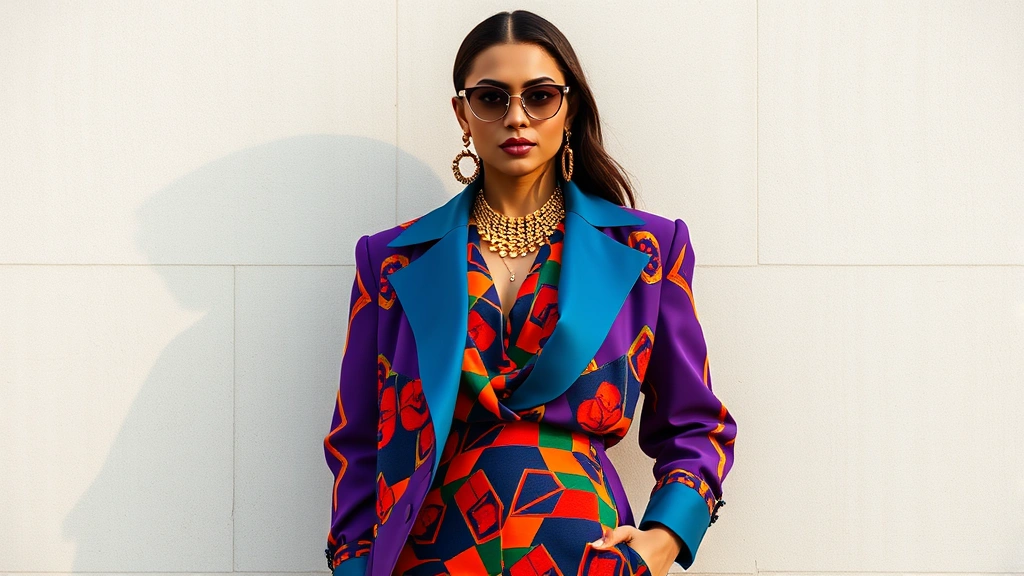
Maximalist fashion is the ultimate rebellion against minimalism’s whispered restraint. It’s a celebration of abundance, color, pattern, and unapologetic self-expression that transforms your wardrobe into a personal art gallery. Rather than asking “is this too much?” maximalism confidently declares “bring it on.” This trend-forward approach to style has captivated fashion enthusiasts worldwide, from runway shows to street style photography, proving that more can indeed be more when executed with intention and confidence.
The beauty of maximalist fashion lies in its democratic nature. Whether you’re drawn to bold color blocking, mixed prints, layered textures, or statement accessories, there’s no single rulebook to follow. Unlike minimalism’s restrained palette, maximalist fashion celebrates diversity in every form. It’s about embracing your unique aesthetic preferences and building outfits that tell your personal story through bold choices and fearless combinations. This styling philosophy empowers you to break free from fashion conventions and create looks that feel authentically you.
In this comprehensive guide, we’ll explore expert strategies for mastering maximalist fashion styling while maintaining visual harmony and personal elegance. Whether you’re new to bold dressing or looking to refine your maximalist approach, these tips will help you build confident, cohesive outfits that turn heads and express your vibrant personality.
Understanding Maximalist Fashion Philosophy
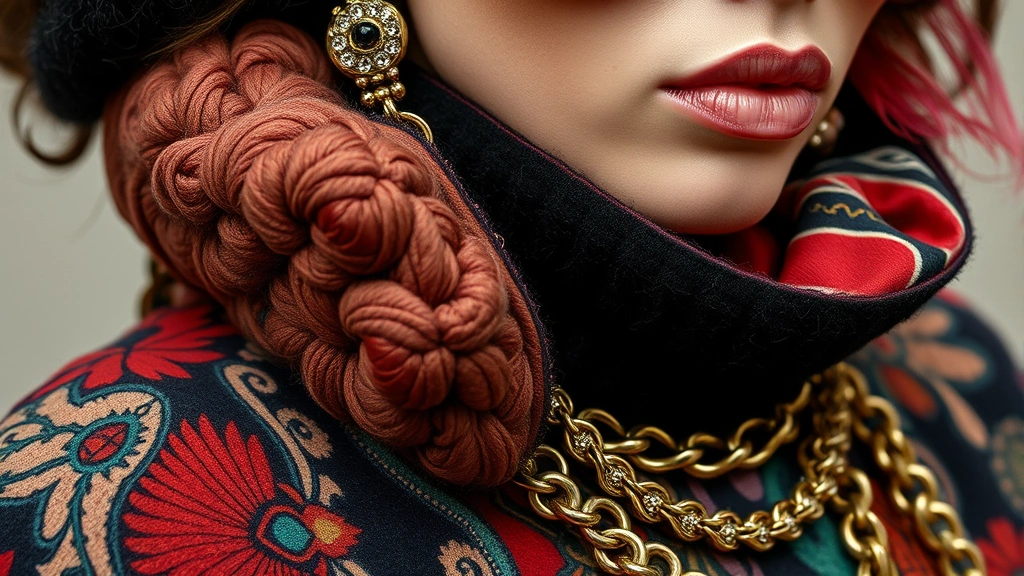
Maximalism in fashion represents a deliberate choice to embrace abundance rather than restraint. It’s rooted in the philosophy that self-expression through clothing should know no bounds. Unlike minimalism, which strips away excess to reveal essential elements, maximalism builds layers of personality, allowing multiple design elements to coexist harmoniously. This approach draws inspiration from various fashion movements, including 90s fashion’s bold experimentation, maximalist art movements, and contemporary street style trends.
The core principle of maximalist fashion is intentionality. Every element you include—whether it’s a vibrant color, a striking pattern, or a chunky accessory—should serve your overall aesthetic vision. This doesn’t mean throwing together random pieces without consideration. Rather, it means carefully curating items that work together to create a cohesive, visually interesting ensemble. Maximalism celebrates individuality while maintaining a sense of purpose in your styling choices.
Understanding your personal maximalist style begins with recognizing what excites you. Do you gravitate toward jewel tones and metallics? Are you drawn to clashing prints and bold geometric shapes? Perhaps you prefer layered textures that create depth and dimension. Your maximalist identity emerges from these preferences, and once you understand them, you can build outfits with confidence and authenticity. Finding your personal style is the foundation of effective maximalist fashion.
Mastering Color Coordination and Contrast
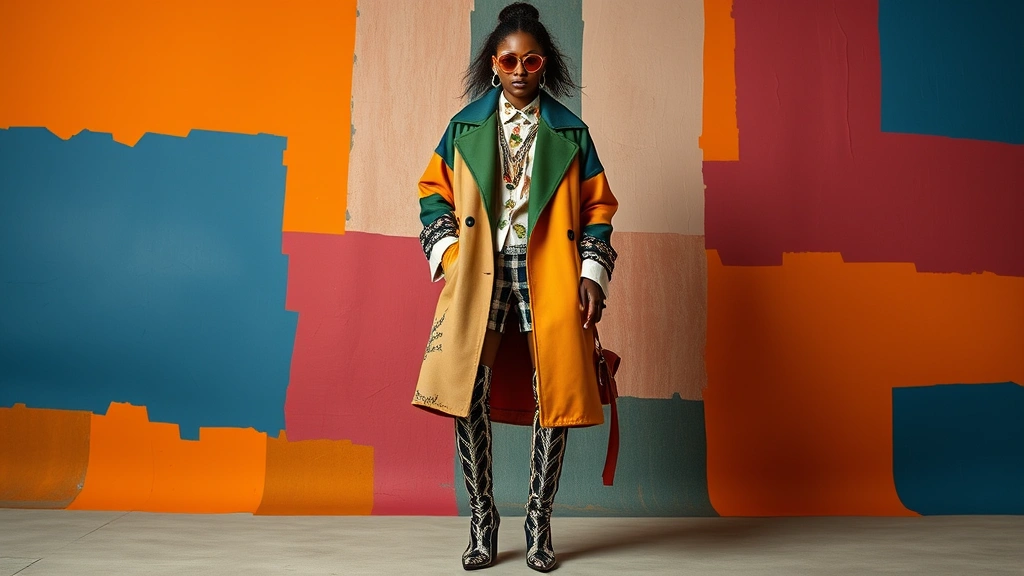
Color is the most immediate tool in a maximalist’s styling arsenal. Rather than restricting yourself to neutral palettes, maximize your impact through strategic color combinations that create visual interest and emotional impact. The key to successful color maximalism lies in understanding color theory and how different hues interact with one another.
Complementary Color Blocking involves pairing colors opposite each other on the color wheel—think deep purple with sunny yellow, or emerald green with warm coral. These combinations create high-contrast, eye-catching outfits that demand attention. When executed thoughtfully, complementary color blocking creates sophisticated, fashion-forward looks rather than chaotic ensembles. Start with a 60-30-10 ratio: allow one color to dominate (60%), give another significant presence (30%), and use your third color as an accent (10%).
Analogous Color Harmony takes a different approach by combining colors that sit adjacent on the color wheel. Rich burgundy paired with deep plum and touches of wine creates a luxurious, cohesive look that feels intentional rather than random. This method is perfect when you want to embrace color maximalism while maintaining visual balance and sophistication.
Monochromatic Maximalism focuses on varying shades, tints, and tones of a single color family. A navy blazer, cobalt dress, and sapphire shoes create visual depth through texture and silhouette variation rather than color diversity. This approach works beautifully for those who want to embrace maximalist principles while maintaining a more refined aesthetic.
Expert styling tip: When working with multiple colors, consider the undertones. Warm colors (oranges, warm reds, golden yellows) harmonize beautifully together, as do cool colors (purples, cool blues, jewel tones). Mixing warm and cool tones intentionally creates striking contrast; mixing them accidentally creates visual discord.
The Art of Mixing Patterns Fearlessly
Pattern mixing is the signature move of maximalist fashion, and it’s where many people hesitate. The secret to mastering this technique is understanding scale, color harmony, and strategic placement. Mixing patterns doesn’t mean combining every print you own into a single outfit—it means selecting complementary patterns that work together visually.
Scale Variation is fundamental to successful pattern mixing. Combine large-scale prints with smaller, more delicate patterns to create visual rhythm. A bold geometric print paired with a tiny floral or subtle polka dot creates interest without overwhelming the eye. Conversely, mixing two large-scale patterns of similar visual weight creates chaotic competition for attention.
Color Bridge Patterns act as visual connectors between different prints. If you’re wearing a burgundy floral dress and want to add a striped blazer, choose a blazer with stripes that echo the burgundy color from your dress. This creates cohesion despite the pattern variation. The shared color family allows your eye to recognize the connection between the patterns.
Strategic pattern placement matters significantly. Consider placing your boldest pattern in your focal point area—typically your top or dress—and then introduce secondary patterns through accessories or lower garments. This creates hierarchy and prevents your outfit from feeling visually chaotic. A statement patterned blazer works beautifully over a solid-colored dress, while adding a patterned scarf or shoes grounds the look with additional visual interest.
Texture as Pattern Substitute offers another approach. If you’re nervous about traditional pattern mixing, try combining different fabric textures instead. A matte silk blouse, textured knit cardigan, and glossy satin skirt create visual interest through surface variation rather than printed patterns, making the combination feel sophisticated and intentional.
Layering Textures for Visual Depth
Texture layering is the secret weapon of maximalist stylists who want to create depth without relying solely on color and pattern. Different fabric textures catch light differently, creating dimension and visual complexity that elevates your entire look. This approach is particularly effective in creating maximalist outfits that feel sophisticated rather than overwhelming.
Consider the tactile qualities of your fabrics: smooth silk creates elegance and shine, chunky knits add warmth and visual weight, lace introduces delicate femininity, leather brings edge and structure, and velvet adds luxury and depth. Combining these textures strategically creates outfits with incredible visual interest. A smooth silk blouse layered under a chunky cable-knit sweater and topped with a structured leather jacket creates textural complexity that catches the eye and invites tactile interest.
Sheer layering adds another dimension to maximalist styling. A delicate mesh or sheer fabric layered over a solid color creates visual intrigue while maintaining sophistication. Long sheer sleeves over solid-colored long sleeves, or a sheer overlay over a solid dress, creates depth and visual interest without adding bulk or weight to your silhouette.
Unexpected texture combinations often yield the most compelling maximalist looks. Pairing rough, raw textures with refined, delicate ones creates contrast that’s visually fascinating. Distressed denim with a luxurious cashmere sweater, or a structured wool coat with soft silk camisole, demonstrates how texture variation creates sophisticated maximalism.
Statement Accessories That Command Attention
Accessories are where maximalist fashion truly shines. These finishing touches transform a basic outfit into a bold, memorable ensemble. Statement accessories serve as the exclamation points in your maximalist style narrative, drawing attention and expressing personality with impact.
Bold Jewelry creates immediate visual impact. Chunky gold chains, oversized gemstone rings, ornate chandelier earrings, and layered necklaces of varying lengths create a luxurious, abundant aesthetic. Maximalist jewelry styling embraces mixing metals—gold with silver with rose gold—creating an eclectic, curated look. The key is balancing statement jewelry placement; if you’re wearing dramatic statement earrings, keep your necklace more subtle, and vice versa.
Colorful Bags serve as functional art pieces in maximalist fashion. Rather than relegating yourself to neutral handbags, embrace bold colors, metallic finishes, and eye-catching designs. A vibrant fuchsia bag becomes the focal point of a neutral outfit, while a patterned or textured bag adds visual interest to an already colorful ensemble. Oversized totes, structured satchels, and unique silhouettes all work beautifully in maximalist styling.
Statement Shoes ground your outfit with personality. Sequined heels, patterned boots, metallic sandals, or chunky platform shoes create visual anchors that tie your look together while expressing bold style choices. These shoes work whether you’re wearing a simple dress or a complex, patterned ensemble.
Scarves and Shawls offer versatile opportunities for maximalist expression. Bold printed scarves, richly colored wraps, and textured shawls layer beautifully into outfits while adding warmth and visual interest. These accessories can anchor an entire outfit or add finishing touches to an already complex ensemble.
Headwear and Hair Accessories elevate maximalist styling to new heights. Bold headbands, ornate clips, colorful beanies, and statement hats add personality and visual interest to your overall look. These accessories work particularly well for those seeking to embrace maximalism through carefully curated details.
Building a Maximalist Capsule Wardrobe
While maximalism embraces abundance, strategic wardrobe building ensures you can create numerous outfits from intentionally selected pieces. A maximalist capsule wardrobe differs from minimalist capsules by emphasizing versatility in color, pattern, and style rather than neutral restraint.
Color Foundation Pieces form the base of your maximalist wardrobe. Rather than limiting yourself to black, white, and gray, choose colors that excite you: deep jewel tones, warm earth tones, or vibrant brights. Build your foundation with basics in these colors—simple tees, tailored blazers, well-fitting pants—that serve as canvases for pattern and texture layering.
Patterned Staples add visual interest and create outfit combinations. Include pieces like printed blazers, patterned dresses, and textured knits that work with multiple other pieces. Choose patterns in colors that appear in your foundation pieces, ensuring cohesion across your wardrobe.
Layering Pieces expand your styling possibilities. Cardigans, oversized sweaters, structured jackets, and sheer overlays allow you to create depth and complexity. These pieces work with both solid and patterned items, making them invaluable in a maximalist wardrobe.
Statement Bottoms deserve dedicated wardrobe real estate. Patterned pants, textured skirts, and bold-colored denim work beautifully in maximalist styling. These pieces anchor outfits and create visual interest without requiring as much pattern mixing in your top half.
The goal is selecting pieces that work together through shared color families, complementary styles, and versatile silhouettes. This approach allows you to create numerous outfit combinations while maintaining your maximalist aesthetic. Understanding fashion design principles helps you select pieces that work cohesively together.
Styling Maximalist Looks for Every Occasion
Maximalist fashion adapts beautifully across different occasions when approached strategically. The key is understanding how to scale your boldness appropriately while maintaining your signature style.
Casual Maximalism embraces bold colors, playful patterns, and relaxed silhouettes. Oversized patterned tees, colorful sneakers, and layered accessories create approachable, fun looks perfect for everyday wear. This is where you can experiment most freely, combining patterns and colors without worrying about formal constraints.
Professional Maximalism requires more restraint while maintaining your bold aesthetic. Structured blazers in jewel tones or subtle patterns, tailored pants in rich colors, and refined jewelry create polished looks appropriate for office environments. The key is choosing quality pieces with sophisticated details rather than overwhelming patterns. A deep emerald blazer over a cream blouse with gold jewelry creates professional maximalism that commands respect while expressing personality.
Event Maximalism celebrates abundance fully. Sequined fabrics, bold metallics, dramatic silhouettes, and statement jewelry create showstopping looks for parties, galas, and celebrations. This is your opportunity to go fully maximalist without restraint. Combine multiple textures, layer jewelry, and embrace bold color combinations that express your most confident self.
Date Night Maximalism balances boldness with allure. Rich jewel tones, elegant fabrics, and refined accessories create sophisticated, attractive looks. Focus on quality pieces and strategic styling rather than overwhelming patterns. A luxurious emerald velvet top with fitted black pants and statement earrings creates sophisticated maximalism that feels intentional and attractive.
Avoiding Common Maximalist Fashion Mistakes
Even experienced maximalists sometimes stumble. Understanding common pitfalls helps you refine your approach and create consistently stunning looks.
Lack of Focal Point creates visually chaotic outfits. When everything demands equal attention—bold patterns, bright colors, and statement accessories all competing—your look becomes overwhelming rather than impressive. Solution: Establish a clear focal point, whether it’s your top, shoes, or accessories, and allow other elements to support rather than compete.
Ignoring Color Harmony results in outfits that feel discordant rather than intentional. Randomly combining colors without considering undertones and relationships creates visual discord. Solution: Use color theory as your guide, ensuring colors either complement, harmonize, or create intentional contrast.
Pattern Overload occurs when too many patterns of similar scale compete for attention. Solution: Vary pattern scale, use color bridges to connect patterns, and limit yourself to two or three patterns maximum per outfit.
Poor Fit and Proportion undermines even the boldest styling. Oversized everything or perfectly fitted everything creates imbalance. Solution: Mix fitted and relaxed pieces, ensuring your silhouette remains intentional and flattering.
Neglecting Quality makes maximalist looks feel cheap rather than curated. Fast fashion pieces with poor construction undermine your maximalist vision. Solution: Invest in quality pieces that hold their shape, color, and structure through repeated wear.
Forgetting Grooming Basics creates an unkempt rather than bold aesthetic. Maximalist fashion requires impeccable grooming to feel intentional. Solution: Ensure hair is styled, skin is glowing, and nails are polished, allowing your clothing choices to shine rather than appearing sloppy.
Expert styling tip: When uncertain about a combination, the “squint test” helps. Squint at your outfit in the mirror; if it still reads as intentional and cohesive, you’ve achieved maximalist success. If it looks chaotic, refine your choices.
Many fashion enthusiasts find that maximalist styling approaches work beautifully across all age groups, allowing for age-appropriate expression while maintaining bold personal style. Maximalism isn’t about age; it’s about confidence and intention.
FAQ
Can I wear maximalist fashion to professional settings?
Absolutely. Professional maximalism focuses on quality, sophistication, and strategic restraint. Choose jewel-toned blazers, patterned blouses in professional prints, and refined accessories that express personality while maintaining workplace appropriateness. The key is ensuring your bold choices enhance rather than distract from your professional presence.
How do I start embracing maximalist fashion if I’m used to minimalism?
Begin gradually by introducing one bold element at a time. Add a colorful blazer to your neutral outfit, then progress to patterned accessories, and eventually experiment with pattern mixing. This gradual approach builds confidence and helps you develop your maximalist aesthetic without feeling overwhelmed.
What’s the difference between maximalist fashion and looking like you’re wearing a costume?
Intentionality separates maximalist fashion from costume-like appearance. Every element should serve your overall aesthetic vision and work harmoniously with other pieces. Quality fabrics, proper fit, impeccable grooming, and cohesive color/pattern choices create polished maximalism rather than chaotic costume-wearing.
How many colors can I wear in one outfit?
There’s no absolute limit, but three to five colors typically creates balanced maximalism. Use the 60-30-10 color ratio, allowing one color to dominate, another to have significant presence, and others to serve as accents. This approach prevents your outfit from feeling overwhelming while maintaining visual interest.
Are there any items that don’t work in maximalist fashion?
Most items work in maximalist fashion when styled intentionally. Even basic pieces become maximalist through strategic pairing with bold accessories, layering, or color choices. The key is approaching every piece as an opportunity for self-expression rather than viewing any item as inherently incompatible with maximalism.
How do I accessorize a maximalist outfit without looking overdone?
Balance is key. If your outfit features multiple bold patterns and colors, choose simpler, more refined accessories. Conversely, a simpler base allows for more dramatic, statement-making accessories. Generally, limit yourself to two or three statement accessories per outfit, ensuring they work together cohesively rather than competing for attention.