Gen X Fashion: Iconic Styles with Historical Insights
Generation X fashion represents a revolutionary moment in style history, defined by rebellious attitudes, thrift-store aesthetics, and an uncompromising rejection of mainstream excess. Born between 1965 and 1980, Gen X witnessed the collapse of traditional fashion hierarchies and the rise of DIY culture, grunge, and anti-fashion sentiments that paradoxically became some of the most iconic and influential trends of the late 20th century. This generation didn’t just wear clothes—they weaponized style as a form of cultural resistance and authentic self-expression.
The Gen X fashion movement emerged from a unique cultural landscape shaped by economic uncertainty, latchkey childhoods, and MTV’s explosive influence on visual culture. Unlike their Baby Boomer parents who embraced conspicuous consumption, Gen Xers found beauty in the worn, the discarded, and the unconventional. From flannel shirts and ripped jeans to leather jackets and combat boots, Gen X fashion became synonymous with authenticity and an anti-establishment ethos that continues to resonate with contemporary style movements today.
The Cultural Context: Understanding Gen X Style Origins
To truly understand Gen X fashion, we must examine the historical context that birthed this distinctive aesthetic. The 1980s and 1990s were marked by significant cultural shifts: the fall of the Berlin Wall, the end of the Cold War, the rise of personal computers, and a growing sense of disillusionment among young people. Economic recession, corporate downsizing, and the AIDS crisis created a backdrop of uncertainty that fundamentally shaped how Gen Xers viewed consumption and identity.
Unlike the conspicuous consumption of the 1980s mainstream—characterized by power suits, neon colors, and designer logos—Gen X developed an oppositional aesthetic. Young people began shopping at thrift stores not out of necessity, but as a deliberate choice to reject corporate fashion dictates. This was the era when different fashion styles began to fragment into subcultural movements, each with its own visual language and philosophical underpinnings.
The influence of music cannot be overstated in Gen X fashion development. Punk rock, new wave, hip-hop, and eventually grunge provided visual blueprints for how young people could express their identity through clothing. MTV’s launch in 1981 meant that fashion was no longer dictated solely by magazines and runways—musicians and artists became the primary style influencers, democratizing fashion in unprecedented ways.
Gen X rejected the notion that fashion should be expensive or exclusive. Instead, they embraced a philosophy where creativity and attitude mattered more than price tags. A vintage leather jacket from a thrift store held more cultural capital than a designer blazer. This democratization of style would eventually influence high fashion itself, as luxury brands began to co-opt grunge and streetwear aesthetics by the mid-1990s.
Grunge: The Movement That Defined a Generation
Grunge emerged from the Seattle music scene in the late 1980s and exploded into mainstream consciousness during the early 1990s, becoming the most visible and influential expression of Gen X fashion. Bands like Nirvana, Pearl Jam, Soundgarden, and Alice in Chains didn’t consciously create a fashion movement—they simply wore what was comfortable and accessible, and the world took notice. Grunge fashion was inherently anti-fashion, which made it paradoxically the most fashion-forward movement of its era.
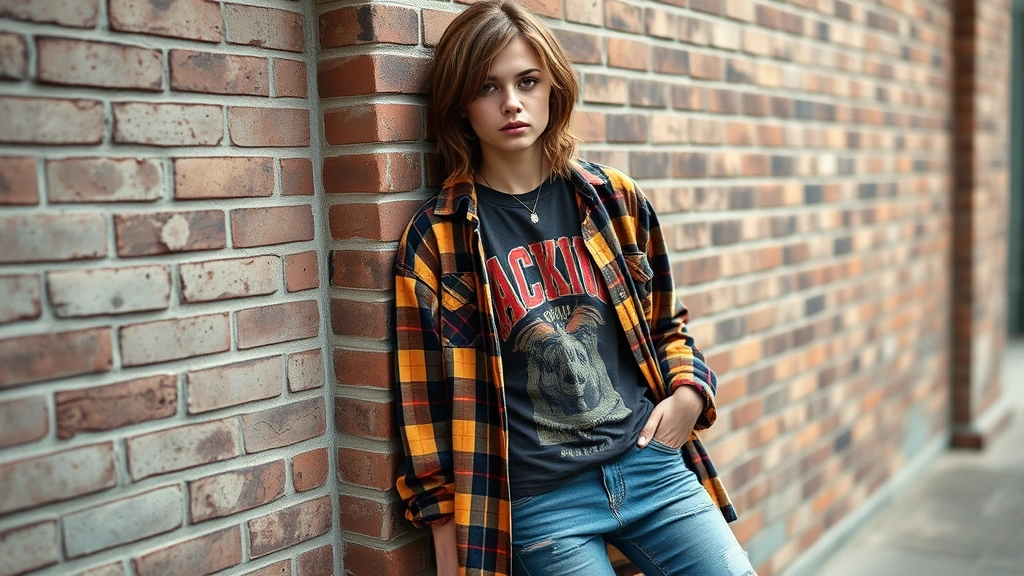
The grunge aesthetic consisted of deliberately disheveled elements: oversized flannel shirts, ripped and faded jeans, worn-out band t-shirts, and heavy boots. Hair was unwashed and unkempt. Makeup, when worn, was minimal and often smudged. The overall effect was one of studied carelessness, though achieving this look required a surprising amount of intentionality. Thrift stores became treasure troves where Gen Xers hunted for authentic vintage pieces that carried history and character.
Kurt Cobain’s influence on grunge fashion cannot be understated. His uniform of oversized cardigans, ripped jeans, and worn Converse sneakers became the template for millions of young people worldwide. What made grunge revolutionary was its explicit rejection of fashion’s traditional power structures. Here was a movement that achieved massive cultural influence while actively disdaining fashion itself—a contradiction that ultimately changed fashion forever.
By the mid-1990s, luxury fashion houses recognized grunge’s cultural dominance and began incorporating its aesthetic into high-end collections. Marc Jacobs’ 1992 collection for Perry Ellis, featuring flannel shirts and combat boots, was initially scorned by traditional fashion critics but ultimately validated the grunge movement’s legitimacy. This moment demonstrated that Gen X fashion had transcended subcultural status and become a dominant force in mainstream style.
Streetwear, Skateboard Culture, and Urban Rebellion
While grunge dominated popular culture, another crucial Gen X fashion movement was quietly revolutionizing style in urban centers: streetwear. Emerging from skateboard culture, hip-hop communities, and urban street life, streetwear represented a completely different but equally important expression of Gen X aesthetics. This movement prioritized functionality, comfort, and cultural authenticity over fashion convention.
Skateboard fashion influenced Gen X style through brands like Vans, Thrasher, and Stüssy, which created clothing that was designed for actual use rather than mere appearance. Baggy jeans, oversized t-shirts, flannel shirts, and sneakers became the uniform of skateboarders and their admirers. The skateboard community’s DIY ethos—repairing boards, creating custom graphics, and building ramps—reflected the same anti-corporate sensibility that defined grunge but with a more action-oriented focus.
Hip-hop fashion, another crucial streetwear component, brought different aesthetic values to Gen X style. Influenced by Bronx and Los Angeles street culture, hip-hop fashion embraced bold colors, oversized silhouettes, and branded sportswear in ways that contrasted with grunge’s monochromatic palette. Yet both movements shared a fundamental commitment to authenticity and community-based style creation. Brands like Tommy Hilfiger, FUBU, and later Supreme became cultural touchstones that blended athletic wear with high fashion aspirations.
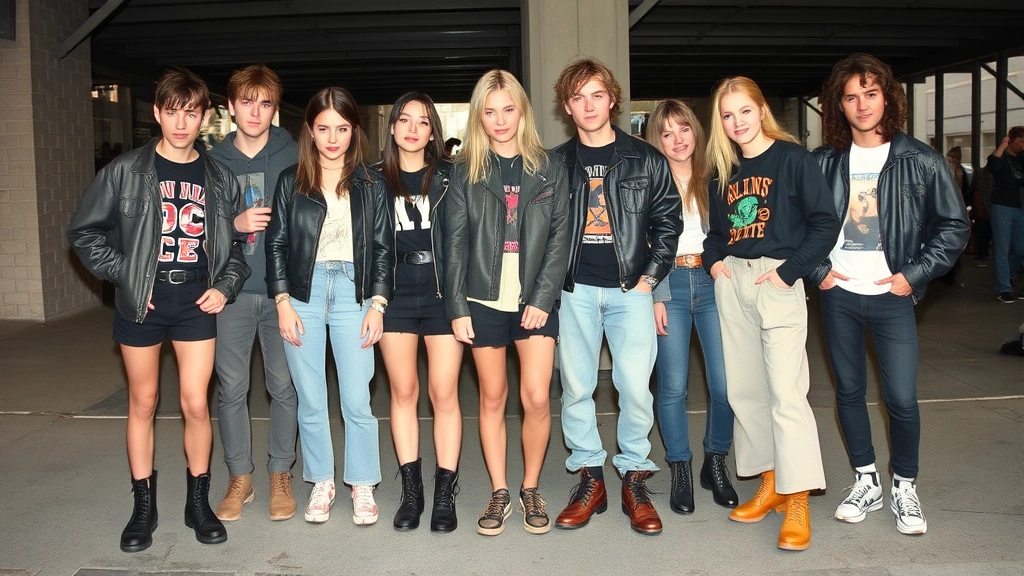
The intersection of skateboard culture and hip-hop created a dynamic streetwear aesthetic that remains influential today. Oversized silhouettes, layering, vintage band tees, and statement sneakers became the vocabulary of Gen X streetwear. Unlike grunge’s anti-fashion stance, streetwear culture was more explicitly fashion-conscious while maintaining commitment to street credibility and community authenticity. This balance between style awareness and street legitimacy became a defining characteristic of Gen X urban fashion.
Minimalism and Understated Elegance
Beyond grunge and streetwear, Gen X also embraced minimalism as a legitimate fashion philosophy. This movement, influenced by Japanese design principles and the work of designers like Jil Sander, Calvin Klein, and Helmut Lang, represented a more refined approach to Gen X aesthetics. Where grunge was deliberately disheveled, minimalism was carefully controlled. Where streetwear was bold and expressive, minimalism was restrained and subtle.
Minimalist Gen X fashion emphasized clean lines, neutral color palettes, and high-quality basics. Simple white t-shirts, black trousers, neutral blazers, and understated accessories created an aesthetic that was simultaneously rebellious and sophisticated. Minimalism rejected fashion’s historical obsession with ornamentation and status symbols, replacing them with a focus on proportion, fabric quality, and timeless design principles.
This aesthetic represented a different kind of Gen X rebellion—not against fashion itself, but against excess and conspicuous consumption. A minimalist wardrobe was inherently sustainable, built on versatile pieces that could be mixed and matched across seasons. It rejected the fast-fashion mentality that was beginning to emerge in the 1990s, instead emphasizing investment in quality basics that would last for years.
The minimalist approach also democratized fashion in its own way. You didn’t need expensive designer pieces or rare vintage finds to achieve the look—a well-fitting white t-shirt and quality black jeans were accessible to most people. This accessibility aligned perfectly with Gen X values of authenticity and anti-elitism. Explore more about fashion style guide principles to understand how minimalism continues to influence contemporary wardrobes.
Key Pieces Every Gen X Wardrobe Needs
Understanding Gen X fashion means recognizing the essential pieces that defined the aesthetic. These items transcend trends because they embody the generation’s core values: authenticity, functionality, and anti-establishment attitude. Building a Gen X-inspired wardrobe doesn’t require expensive designer pieces; instead, it emphasizes quality basics and carefully selected statement items.
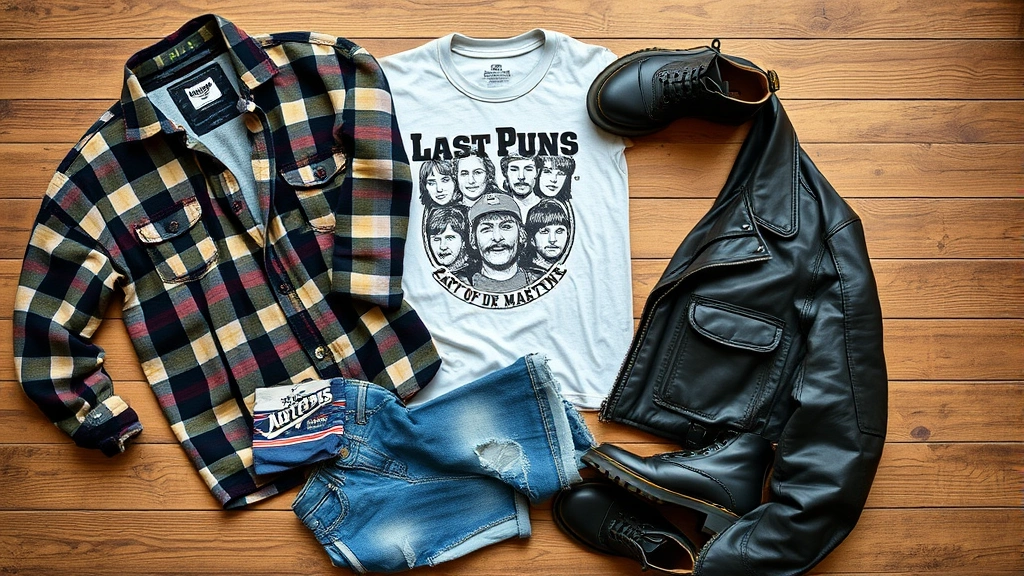
The flannel shirt stands as the quintessential Gen X piece. Oversized, worn, and often thrifted, flannel shirts provided warmth and visual interest while maintaining an intentionally casual aesthetic. Pair them over band tees, wear them as standalone pieces, or tie them around the waist—the flannel shirt’s versatility made it indispensable to Gen X style. Look for vintage pieces or modern reproductions in authentic plaid patterns and natural fabrics.
Ripped and faded denim jeans represented another cornerstone of Gen X fashion. Unlike today’s manufactured distressing, authentic Gen X denim was genuinely worn and lived-in. The wear patterns told stories of actual use rather than designer manipulation. When shopping for Gen X-inspired denim, seek pieces with authentic patina, real fading, and genuine wear rather than artificially distressed versions.
Band t-shirts served as both fashion statement and cultural declaration. Wearing a Nirvana, Sonic Youth, or Public Enemy shirt communicated your musical taste and cultural allegiances. These tees were often oversized, faded from repeated washing, and sometimes featuring holes or stains that added to their authenticity. Contemporary fashion has embraced band tees as legitimate style pieces, though Gen X wore them first and with far more genuine cultural connection.
Combat boots and heavy footwear completed the Gen X look. Dr. Martens became iconic Gen X shoes, worn by punks, grunge enthusiasts, and streetwear devotees alike. These boots were durable, unfashionable in traditional senses, and uncompromisingly functional. Their aesthetic appeal derived from utility and counter-cultural associations rather than beauty in conventional terms.
Leather jackets provided the rebellious edge that defined Gen X cool. Whether black, worn, and distressed or perfectly fitted, leather jackets communicated attitude and toughness. Thrifted vintage jackets carried historical weight and authentic patina that new pieces couldn’t replicate. The leather jacket remains one of fashion’s most enduring symbols of rebellion, and Gen X perfected its styling.
Vintage and thrifted pieces deserve special mention as crucial Gen X fashion elements. Thrift store shopping wasn’t merely economical—it was philosophical. Wearing vintage meant rejecting fast fashion, embracing sustainability, and celebrating individual style over mass production. Contemporary thrifting culture owes everything to Gen X’s pioneering embrace of secondhand fashion as culturally superior to new retail pieces.
Learn more about curating these pieces by exploring fashion and accessories styling strategies that help create cohesive Gen X-inspired looks.
Gen X Icons: The Style Influencers Who Shaped Fashion
Gen X fashion was shaped by cultural icons who embodied the generation’s aesthetic values and attitude. These individuals weren’t traditional fashion models—they were musicians, actors, and artists whose authenticity resonated with millions. Their influence on style was organic and culturally rooted rather than dictated by fashion institutions.
Kurt Cobain emerged as grunge’s most influential style icon. His careless aesthetic—oversized cardigans, ripped jeans, worn Converse—became the template for global youth culture. Cobain’s power lay in his apparent indifference to fashion; he dressed for comfort and authenticity rather than style, which paradoxically made him infinitely more stylish than fashion-conscious celebrities. His influence extended far beyond music, reshaping how mainstream fashion understood cool and rebellion.
Courtney Love brought a different energy to Gen X fashion, mixing grunge elements with punk rock attitude and strategic femininity. Her babydoll dresses, thigh-high boots, and deliberately messy aesthetic challenged grunge’s masculine associations and proved that the movement could accommodate diverse gender expressions. Love’s styling showed that Gen X fashion could be playful, provocative, and powerful simultaneously.
Tupac Shakur and Biggie Smalls represented hip-hop’s influence on Gen X streetwear. Tupac’s oversized silhouettes, bandanas, and Timberland boots created an aesthetic that contrasted with grunge’s monochromatic palette. His style communicated street authenticity and cultural pride while influencing mainstream fashion’s embrace of hip-hop aesthetics. These artists proved that Gen X fashion encompassed multiple movements and communities.
Johnny Depp embodied Gen X’s anti-establishment attitude through fashion. His thrifted pieces, vintage band tees, and deliberately disheveled appearance made him the thinking person’s celebrity. Depp’s styling showed that Gen X aesthetic could work in mainstream entertainment without compromising authenticity or adopting traditional glamour conventions.
Winona Ryder represented Gen X femininity through her understated style and vintage aesthetic. Her thrifted dresses, minimal makeup, and natural presentation offered an alternative to 1980s excess. Ryder’s style proved that Gen X fashion could be elegant and refined while maintaining the generation’s commitment to authenticity and anti-establishment values.
The Legacy: How Gen X Fashion Influences Modern Trends
Gen X fashion’s influence on contemporary style cannot be overstated. The aesthetic principles developed during the 1980s and 1990s continue to shape how designers, retailers, and consumers approach clothing and style. Understanding this legacy reveals why certain trends persist and how historical fashion movements inform current aesthetics.
The contemporary resurgence of grunge aesthetics demonstrates Gen X fashion’s enduring appeal. Fashion houses from Gucci to Saint Laurent regularly reference flannel, ripped denim, and oversized silhouettes in their collections. What’s interesting is how these luxury interpretations of Gen X aesthetics maintain the original movement’s spirit—emphasizing comfort, authenticity, and anti-fashion attitudes—while existing within high-fashion contexts. This tension between grunge’s anti-fashion origins and its adoption by luxury brands remains productively unresolved.
The sustainability movement in contemporary fashion owes enormous debt to Gen X’s thrifting culture. Today’s emphasis on secondhand shopping, vintage pieces, and sustainable consumption practices directly descends from Gen X’s pioneering embrace of thrift stores and vintage clothing. What began as a counterculture practice has become mainstream environmental consciousness, validating Gen X’s prescient understanding that sustainable fashion was both ethically and aesthetically superior.
Streetwear’s evolution into luxury fashion represents another crucial Gen X legacy. Contemporary brands like Supreme, Stüssy, and Vans—rooted in Gen X skateboard and hip-hop culture—now command luxury price points and designer collaborations. This trajectory demonstrates how Gen X street culture ultimately infiltrated and transformed high fashion, proving that authentic street style possessed more cultural power than traditional fashion hierarchies acknowledged.
Minimalism’s continued dominance in contemporary design reflects Gen X’s rejection of excess. The emphasis on quality basics, neutral palettes, and timeless pieces that characterizes contemporary minimalism directly descends from 1990s Gen X aesthetics. This approach to fashion—building wardrobes on versatile basics rather than chasing trends—has become mainstream wisdom, validating Gen X’s original insights about sustainable, functional style.
The normalization of casual dressing in professional contexts represents another Gen X fashion legacy. The generation’s insistence that comfort and authenticity mattered more than formal convention has influenced how workplaces approach dress codes. Tech industry culture, which explicitly rejects business formal dress codes, owes conceptual debt to Gen X’s pioneering embrace of casual wear as culturally legitimate.
Gen X fashion also established the template for celebrity styling as authentic expression rather than fashion industry dictation. The idea that celebrities should dress according to personal taste rather than designer endorsements or fashion magazine requirements originated with Gen X cultural icons. This principle now influences how contemporary celebrities approach style, with emphasis on personal authenticity over fashion industry approval.
To understand how these historical movements continue shaping contemporary style, explore StyleLoom Daily Blog for ongoing trend analysis and historical fashion perspectives. Additionally, understanding fashion types helps contextualize how Gen X aesthetics fit within broader fashion history.
FAQ
What defines Gen X fashion philosophy?
Gen X fashion is defined by authenticity, anti-establishment attitude, and rejection of conspicuous consumption. The generation embraced thrifted pieces, band t-shirts, and deliberately casual aesthetics as rebellion against 1980s excess and corporate conformity. Gen X prioritized comfort and personal expression over fashion industry dictates.
How did grunge become such a dominant fashion movement?
Grunge emerged from Seattle’s music scene and became mainstream through MTV’s influence. Musicians like Kurt Cobain wore comfortable, affordable clothing without fashion consciousness, which paradoxically made them incredibly stylish. The movement’s anti-fashion stance—rejecting designer brands and expensive pieces—resonated with young people experiencing economic uncertainty.
Can I wear Gen X fashion without looking dated?
Absolutely. Gen X fashion’s emphasis on timeless basics, quality pieces, and authentic vintage items means these aesthetics remain perpetually relevant. Flannel shirts, well-fitting jeans, leather jackets, and band tees transcend trends because they embody enduring style principles rather than fleeting fashion fads.
Where should I shop for authentic Gen X pieces?
Thrift stores, vintage boutiques, and consignment shops offer authentic Gen X pieces with genuine history and patina. Contemporary retailers like Vans, Carhartt, and Urban Outfitters produce new pieces in Gen X aesthetic. For luxury Gen X-inspired pieces, explore designer collections that reference the movement’s influence on high fashion.
How does Gen X fashion differ from 1980s fashion?
1980s mainstream fashion embraced excess, bright colors, designer logos, and conspicuous consumption. Gen X fashion rejected these values, instead emphasizing understated aesthetics, thrifted pieces, neutral palettes, and anti-fashion attitudes. Where 1980s fashion celebrated wealth display, Gen X celebrated authenticity and rebellion.
What role did thrifting play in Gen X fashion culture?
Thrifting was central to Gen X fashion philosophy. Young people shopped at thrift stores not out of necessity but as deliberate rejection of corporate fashion and consumer culture. Vintage pieces carried historical authenticity and character that new retail items couldn’t replicate, making thrifted fashion culturally superior in Gen X values.
How has Gen X fashion influenced contemporary luxury brands?
Luxury fashion houses now regularly reference Gen X aesthetics in their collections, incorporating flannel, ripped denim, oversized silhouettes, and band tee imagery. This reflects how Gen X street culture ultimately transformed high fashion, proving that authentic street style possessed more cultural power than traditional fashion hierarchies acknowledged.