Fashion Illustration Trends: Expert Insights into the Future of Visual Style
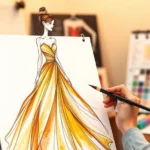
Fashion illustration has undergone a remarkable transformation in recent years, evolving from traditional pen-and-paper sketches to a dynamic blend of digital innovation, sustainable practices, and artistic experimentation. As the fashion industry continues to embrace new technologies and consumer values shift toward authenticity and individuality, illustration has become more than just a design tool—it’s a statement of creative vision and cultural relevance. Today’s fashion illustrators are pushing boundaries, challenging conventions, and redefining what it means to visualize style in an increasingly digital and socially conscious world.
The convergence of art, technology, and fashion has created an exciting landscape where illustrators can showcase their unique perspectives while influencing global trends. From hyperrealistic digital renderings to bold, minimalist line drawings, the spectrum of contemporary fashion illustration reflects the diversity of modern design thinking. Industry experts, leading fashion houses, and emerging digital platforms are recognizing illustration as a critical component of brand identity and creative storytelling. Understanding these evolving trends not only helps designers stay relevant but also provides valuable insights into where fashion is headed.
The Digital Revolution in Fashion Illustration
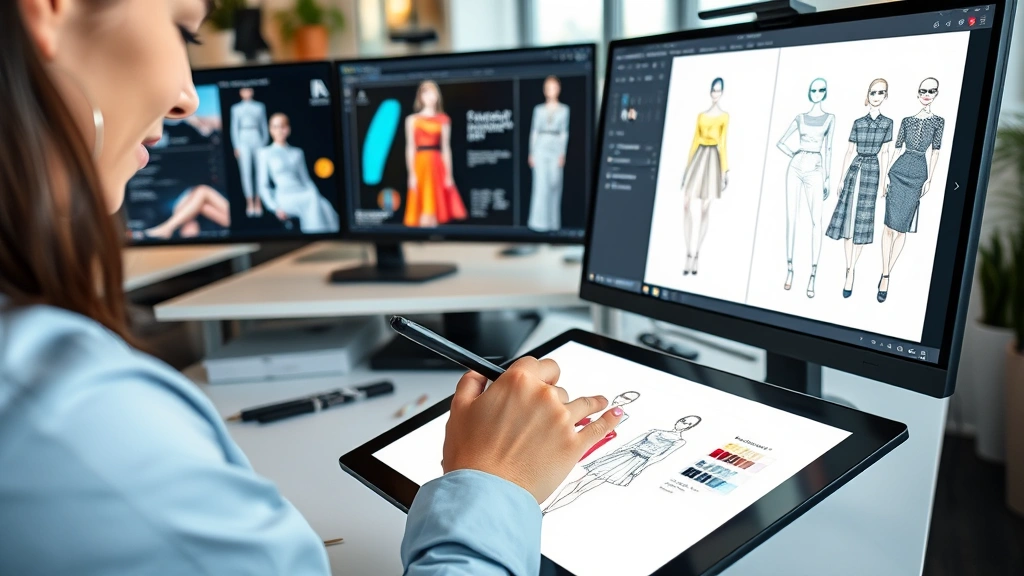
The shift from analog to digital illustration has fundamentally altered how fashion designers conceptualize and present their ideas. Fashion design software has democratized the creation process, allowing aspiring illustrators to produce professional-quality work without expensive materials or extensive formal training. Programs like Procreate, Adobe Illustrator, and Clip Studio Paint have become industry standards, offering unprecedented flexibility and precision.
Digital illustration offers distinct advantages that traditional methods cannot match. Illustrators can now experiment with unlimited color palettes, apply complex textures instantly, and modify compositions with a single click. The non-destructive nature of digital work means artists can explore multiple directions simultaneously, saving time and resources. Furthermore, digital illustrations can be easily adapted across different mediums—from runway presentations to social media content to fashion editorials—making them invaluable for brands operating in today’s omnichannel landscape.
However, the digital revolution hasn’t eliminated traditional illustration entirely. Many contemporary illustrators maintain a hybrid approach, combining hand-drawn elements with digital enhancement. This fusion creates a unique aesthetic that blends the warmth and authenticity of traditional media with the precision and versatility of digital tools. Renowned fashion illustrators like Instagrafite have built massive followings by showcasing this blended technique, proving that the most compelling visual work often emerges from combining old and new methodologies.
Sustainability and Conscious Design Illustration
As the fashion industry grapples with environmental concerns and ethical production practices, illustration has become a powerful tool for communicating sustainability messages. Forward-thinking brands are using illustration to tell stories about responsible sourcing, ethical manufacturing, and circular fashion models. This trend reflects a broader shift where visual communication extends beyond aesthetics to encompass values and purpose.
Sustainable illustration practices themselves are gaining traction, with artists exploring eco-friendly digital platforms and reducing their carbon footprint through cloud-based collaboration. Brands like Patagonia and Stella McCartney leverage illustration to reinforce their commitment to environmental responsibility, using visual storytelling to connect with conscious consumers. The aesthetic of sustainable fashion illustration often incorporates natural elements, organic shapes, and earthy color palettes that evoke environmental awareness.
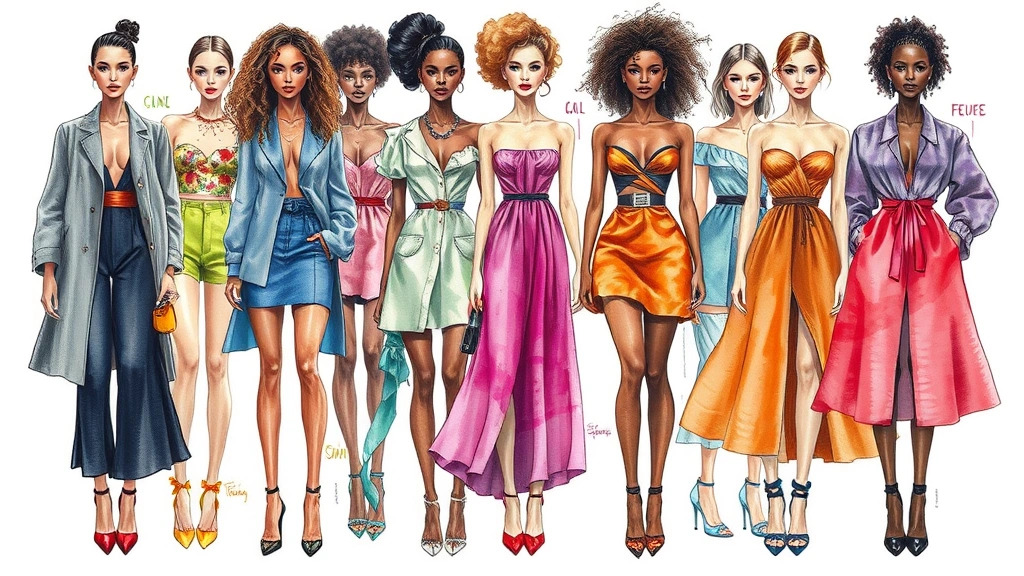
This conscious approach to illustration extends to representation and inclusivity. Illustrators are being mindful about the bodies, faces, and stories they depict, moving away from homogeneous beauty standards toward celebrating diverse body types, skin tones, ages, and abilities. This shift isn’t merely trendy—it reflects authentic market demands and cultural evolution. When brands commission fashion and illustration work that genuinely represents their diverse customer base, the results resonate more powerfully and build stronger emotional connections.
Diversity and Representation in Visual Style
The fashion illustration landscape has undergone a significant transformation regarding representation and inclusivity. Where illustration once perpetuated narrow beauty standards, contemporary practice celebrates the full spectrum of human diversity. This evolution isn’t just ethically important—it’s commercially smart, as brands recognize that authentic representation drives engagement and loyalty.
Leading illustrators and fashion houses are actively commissioning work that features diverse body types, skin tones, ages, gender expressions, and abilities. This inclusive approach challenges the historical dominance of Eurocentric aesthetics in fashion illustration and opens opportunities for artists from underrepresented communities. Platforms like Instagram have amplified voices of illustrators from around the world, creating a more democratized and diverse visual landscape.
The representation movement extends beyond human figures to encompassing diverse fashion aesthetics and cultural perspectives. Illustrators are drawing inspiration from global fashion traditions, street style, and subcultural movements, creating a richer visual vocabulary. This cross-cultural exchange enriches the entire field and reflects the reality of modern fashion, which increasingly draws from diverse sources. Understanding this diversity is crucial for anyone studying different types of fashion styles.
Modern Tools and Illustration Techniques
Contemporary fashion illustrators employ an impressive array of tools and techniques, each offering distinct aesthetic possibilities. Beyond the standard digital applications, illustrators are experimenting with AI-assisted design, 3D rendering software, and virtual fashion technologies that allow them to create immersive visual experiences.
Procreate and Adobe Creative Suite remain dominant, but specialized software like CLO 3D and Marvelous Designer enables illustrators to create photorealistic fabric simulations and three-dimensional garment visualizations. These technical capabilities allow designers to present concepts with unprecedented clarity and help clients visualize final products before production begins. The learning curve for these tools has become essential knowledge for professional illustrators seeking competitive advantage.
Beyond software, technique innovation is driving the field forward. Watercolor illustration combined with digital enhancement creates soft, organic aesthetics perfect for luxury and lifestyle brands. Bold geometric patterns and minimalist line work appeal to contemporary and avant-garde designers. Textured, layered digital paintings evoke fine art sensibilities, elevating fashion illustration to gallery-worthy status. Some illustrators are experimenting with motion graphics and animated illustration, creating dynamic visual content for digital platforms.
The resurgence of hand-lettering combined with figure drawing adds personality and character to illustration work. Custom typography integrated with illustrated figures creates cohesive brand narratives and enhances storytelling capacity. This attention to detail and craft sensibility resonates particularly well with luxury brands and independent designers seeking distinctive visual identities.
Social Media’s Influence on Illustration Trends
Social media platforms have fundamentally reshaped how fashion illustration is created, shared, and consumed. Instagram, TikTok, and Pinterest have become primary galleries where illustrators build audiences, gain recognition, and secure commissions. This democratization has created unprecedented opportunities for emerging talent while simultaneously creating intense competition and pressure to maintain constant output.
The algorithm-driven nature of social media has influenced illustration aesthetics themselves. Visually striking, immediately engaging work performs better, pushing illustrators toward bold colors, dramatic compositions, and distinctive styles that stand out in crowded feeds. Timeliness is crucial—illustrators who quickly capture emerging trends gain significant engagement and relevance. This real-time responsiveness has made fashion illustration a more dynamic, culturally attuned practice.
Behind-the-scenes content showing the illustration process has become increasingly popular, with time-lapse videos and work-in-progress posts garnering substantial engagement. This transparency humanizes the creative process and builds deeper connections between illustrators and audiences. Platforms like TikTok have launched careers for young illustrators who might have struggled to gain visibility through traditional channels, creating a more inclusive and meritocratic landscape.
Collaboration opportunities flourish on social media, with illustrators partnering with fashion brands, influencers, and other creatives to expand their reach. Cross-promotion and community engagement have become essential skills for successful contemporary illustrators. The most thriving illustrators leverage social platforms not just as promotional tools but as genuine community spaces where they engage with followers, share knowledge, and build collaborative networks.
Color Theory and Movement in Contemporary Work
Color application in fashion illustration has evolved into a sophisticated language that communicates mood, brand identity, and cultural zeitgeist. Contemporary illustrators demonstrate advanced understanding of color psychology, using unexpected palettes to challenge conventions and create memorable visual impact. The days of safe, predictable color choices have largely passed, replaced by bold experimentation and intentional color narratives.
Trending color palettes shift seasonally and culturally, with fashion illustrators serving as early indicators of broader aesthetic movements. The recent embrace of vibrant, saturated colors reflects cultural optimism and desire for self-expression, while simultaneously, minimalist palettes appeal to those seeking clarity and sophistication. Illustrators must balance trend awareness with timeless sensibility, creating work that feels current without becoming dated.
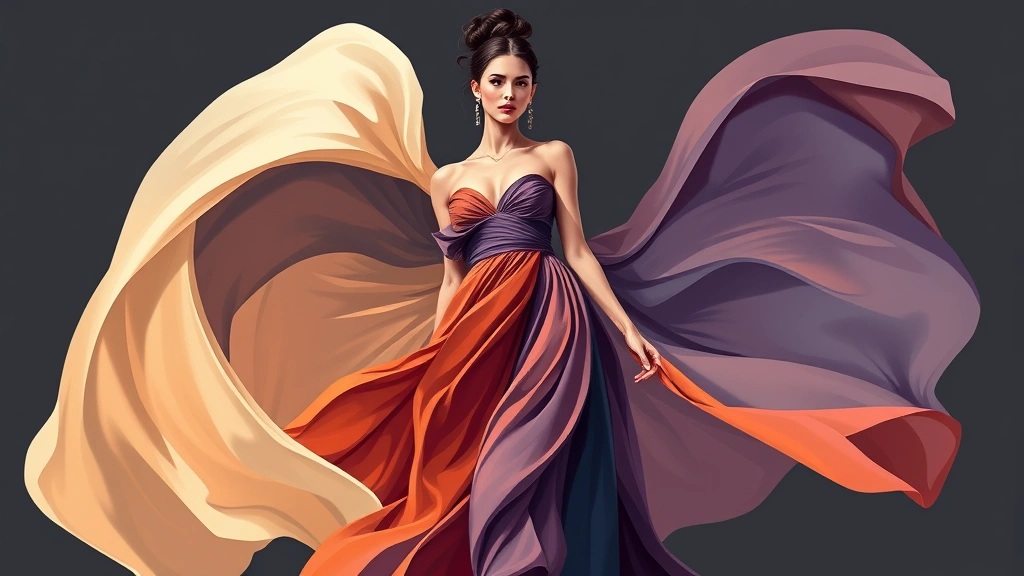
Movement and dynamism in illustration have become increasingly important as static images compete with video and animated content. Contemporary fashion illustration often emphasizes flowing fabrics, dynamic poses, and energetic line work that suggests motion and vitality. This kinetic quality makes illustrations more engaging and better suited to digital consumption, where movement captures attention more effectively than static imagery.
The use of negative space and compositional balance has become more sophisticated, with illustrators creating layered visual experiences that reward closer examination. Details matter—subtle texture variations, carefully considered backgrounds, and thoughtful negative space elevate illustration from functional design tool to compelling visual art. This elevated approach to craft reflects growing recognition of illustration as a legitimate art form worthy of serious critical attention.
Career Opportunities for Modern Illustrators
The expanding recognition of illustration as a critical business function has created diverse career pathways for talented artists. Fashion houses, from luxury conglomerates to independent designers, employ in-house illustrators and commission freelance work. The most successful illustrators build hybrid careers combining multiple revenue streams: commission work, licensing, social media partnerships, teaching, and product development.
Working with a fashion consultant or brand strategist can help illustrators understand market demands and develop commercially viable styles. Many illustrators collaborate with marketing agencies, e-commerce platforms, and fashion tech companies creating visual content for diverse applications. The rise of personal branding and influencer culture has created opportunities for illustrators to monetize their social media presence through sponsored content and brand partnerships.
Educational institutions increasingly recognize illustration as essential design training, creating teaching opportunities for experienced practitioners. Mentorship and skill-sharing have become valued contributions to the creative community. Some illustrators have leveraged their expertise to develop their own fashion lines, create illustration-focused products, or establish studios that train emerging talent. The fashion style guide landscape now regularly features illustration-focused content, reflecting the field’s growing prominence.
Freelance illustration offers flexibility and creative control but requires strong business acumen, consistent marketing, and professional networking. Building a distinctive portfolio that showcases unique perspective and technical skill is essential for attracting quality clients. The most successful freelance illustrators maintain active social media presence, engage regularly with the fashion community, and continuously evolve their capabilities to remain competitive.
Emerging opportunities exist in virtual fashion, metaverse design, and NFT art spaces, where illustrators can explore new creative frontiers. As fashion increasingly intersects with gaming, digital experiences, and virtual environments, illustrators with skills in these emerging areas position themselves at the forefront of industry evolution.
FAQ
What software do professional fashion illustrators use?
Industry-standard software includes Adobe Illustrator, Procreate, Clip Studio Paint, and Adobe Photoshop. Many professionals use multiple programs depending on project requirements. Specialized tools like CLO 3D and Marvelous Designer enable photorealistic fabric and garment visualization. The choice depends on personal preference, budget, and specific project needs.
How has social media changed fashion illustration?
Social media has democratized access to audiences, allowing illustrators to build careers without traditional gatekeepers. It’s accelerated trend cycles, increased pressure for constant content creation, and created new monetization opportunities. Platforms like Instagram and TikTok have become primary portfolios and networking spaces essential for contemporary illustrator success.
What skills are most important for aspiring fashion illustrators?
Strong foundational drawing skills, understanding of garment construction and fabric behavior, color theory knowledge, and digital proficiency are essential. Beyond technical skills, developing a distinctive visual voice, understanding fashion history and trends, and cultivating strong communication abilities are equally important. Continuous learning and adaptation to emerging tools remain crucial.
How do illustrators stay relevant with rapidly changing trends?
Successful illustrators maintain active engagement with fashion media, follow trend forecasting resources, participate in fashion communities, and regularly experiment with new techniques. Studying work from diverse artists, attending fashion events, and consuming cultural content broadly helps illustrators develop informed perspectives. Balancing trend awareness with personal artistic integrity prevents work from becoming derivative.
Can illustration be a sustainable career in fashion?
Absolutely. The demand for quality illustration continues growing as brands recognize its value in visual communication and brand differentiation. Building sustainable careers requires diversifying revenue streams, developing strong client relationships, maintaining consistent output, and continuously improving skills. Many successful illustrators combine commission work, licensing, teaching, and product development.
What distinguishes exceptional fashion illustration from average work?
Exceptional illustration demonstrates clear understanding of garment construction, fabric behavior, and human anatomy. It features distinctive visual voice, sophisticated color application, thoughtful composition, and attention to detail. The best work tells stories, evokes emotion, and elevates beyond functional design into compelling visual art. Technical skill combined with creative vision and cultural awareness separates outstanding illustrators from competent technicians.
Learn more about the creative landscape: Explore Style Loom Daily Blog for comprehensive fashion insights and visual inspiration. Vogue’s design and illustration coverage provides industry perspective on emerging trends. The Parsons School of Design offers resources on contemporary illustration practices. Industry leaders at CFDA discuss illustration’s role in fashion innovation. For trend forecasting insights, consult WGSN, the leading trend forecasting authority.