How to Nail Cottagecore Aesthetic? Expert Advice
Cottagecore fashion has emerged as one of the most enchanting and sought-after aesthetic styles in contemporary fashion. This romantic, pastoral-inspired movement celebrates the beauty of rural life, vintage craftsmanship, and timeless elegance. If you’ve been captivated by the whimsical charm of cottagecore and want to incorporate this dreamy aesthetic into your wardrobe, you’re in the right place. This comprehensive guide will walk you through the essential elements, styling tips, and expert advice to help you master the cottagecore look.
The cottagecore aesthetic draws inspiration from countryside living, Jane Austen novels, and the simple pleasures of rural existence. It’s about creating a visual narrative that celebrates nature, sustainability, and the romance of bygone eras. Whether you’re drawn to the soft color palettes, the vintage-inspired silhouettes, or the overall sense of peaceful escapism, cottagecore offers a refreshing alternative to contemporary fashion trends. Let’s explore how you can authentically embrace this beautiful aesthetic and make it your own.
Understanding the Cottagecore Philosophy
Cottagecore is far more than just a fashion trend—it’s a lifestyle philosophy rooted in romanticism and nostalgia. The movement celebrates simplicity, craftsmanship, and a deep connection with nature. To truly nail the cottagecore aesthetic, you must first understand its core values and what makes it resonate with so many people in today’s fast-paced world.
At its heart, cottagecore represents a desire to escape the chaos of modern life and embrace the tranquility of rural existence. It’s inspired by historical periods when people lived closer to the land, grew their own food, and created clothing and goods by hand. This aesthetic embraces imperfection, authenticity, and the beauty found in natural materials and traditional techniques. When you adopt the cottagecore style, you’re not just choosing clothes—you’re embracing a philosophy that values sustainability, quality, and meaningful connections.
The visual language of cottagecore includes elements like wildflowers, vintage lace, weathered wood, and pastoral landscapes. It celebrates the romance of historical periods while maintaining a modern sensibility. Fashion experts from Vogue have noted that cottagecore represents a significant shift in how consumers approach fashion, prioritizing timelessness over fast fashion trends. This aesthetic encourages you to invest in pieces that will last, pieces that tell stories, and pieces that connect you to a larger community of like-minded individuals who value beauty, authenticity, and environmental consciousness.
Essential Color Palettes for Cottagecore Fashion
Color selection is absolutely crucial when creating your cottagecore aesthetic. The color palette is what immediately communicates the cottagecore vibe and sets the tone for your entire look. Understanding which colors work best together will help you create harmonious outfits that feel authentically cottagecore.
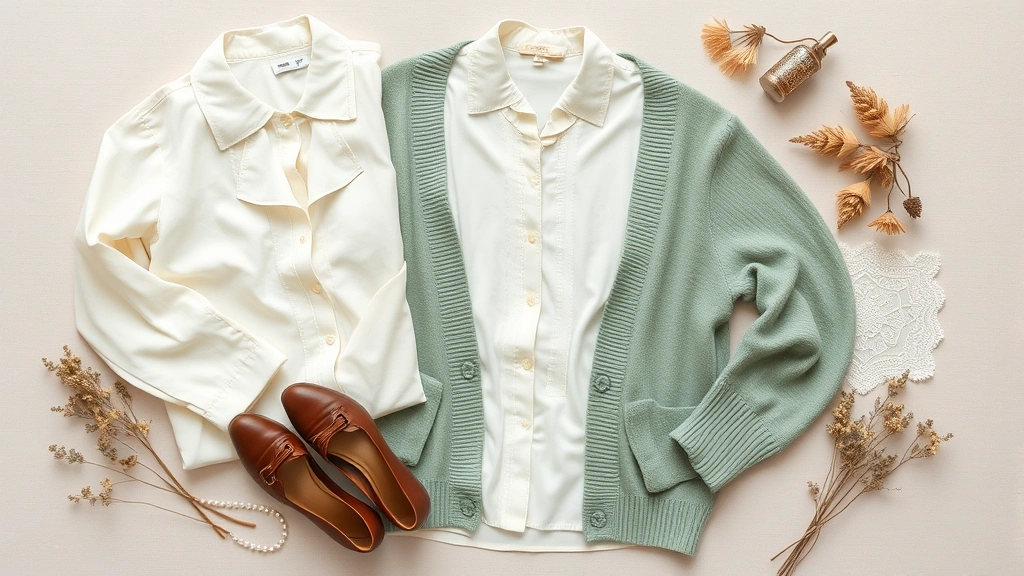
The primary cottagecore color palette consists of soft, muted, earthy tones that evoke the natural world. Cream, ivory, soft white, and pale beige form the foundation of most cottagecore outfits. These neutral base colors provide the perfect canvas for layering and accessorizing. Sage green is absolutely essential—it’s perhaps the most iconic cottagecore color, evoking images of herb gardens and countryside landscapes. Dusty rose, mauve, and soft blush pink add romantic femininity to your wardrobe. Soft butter yellow, reminiscent of wildflowers and sunlit meadows, brings warmth and cheerfulness to your looks.
Earth tones play a vital role in cottagecore fashion. Warm browns, terracotta, ochre, and burnt sienna connect you to the natural world and agricultural heritage. Navy blue and forest green provide subtle depth without overwhelming the delicate aesthetic. When selecting colors, avoid overly saturated or neon hues—the cottagecore palette thrives on softness and subtlety. Harper’s Bazaar fashion editors recommend building a color board using Pinterest or fabric swatches to ensure your selections feel cohesive and authentic. Remember that the interplay between colors should feel organic and natural, as if you’ve gathered your inspiration directly from a countryside garden.
Layering colors is an art form in cottagecore styling. Combine your neutral bases with one or two accent colors in each outfit. For example, pair cream linen with a sage green cardigan and dusty rose accessories. This approach creates visual interest while maintaining the soft, harmonious aesthetic that defines cottagecore fashion.
Fabric and Texture Fundamentals
The fabrics you choose are absolutely essential to achieving an authentic cottagecore look. Natural, breathable materials that feel substantial and well-made are the cornerstone of this aesthetic. Avoid synthetic fabrics and cheap polyblends—cottagecore is about quality and authenticity.
Linen is perhaps the most important cottagecore fabric. Its natural texture, slight irregularities, and soft drape perfectly embody the aesthetic’s values. Linen wrinkles beautifully and actually looks better with age and wear, which aligns perfectly with cottagecore’s appreciation for vintage charm. Cotton, particularly cotton muslin and cotton voile, offers softness and breathability. These fabrics have been used for centuries and carry historical authenticity. Wool, especially in softer merino blends, provides warmth and structure, perfect for cardigans, sweaters, and layering pieces.
Lace is iconic in cottagecore fashion. Delicate cotton lace, vintage-inspired lace trim, and lace overlays add romantic femininity. Look for lace that feels handmade or vintage rather than cheap and plastic-looking. Broderie anglaise, eyelet lace, and floral lace patterns are particularly cottagecore. Raw silk and silk blends offer luxury and drape beautifully. Corduroy and velveteen provide texture and warmth while maintaining the vintage aesthetic.
Texture matters enormously in cottagecore styling. Combine smooth fabrics with textured ones—pair a delicate linen blouse with a chunky knit cardigan. Incorporate crochet elements, hand-embroidered details, and hand-sewn stitching. These details tell stories and demonstrate craftsmanship. When shopping, run your hands over fabrics and choose those that feel substantial and natural. Avoid anything that feels cheap, plasticky, or overly synthetic. The tactile experience of cottagecore fabrics is part of the aesthetic’s appeal.
Silhouettes and Clothing Pieces
Understanding which silhouettes work best is crucial for nailing the cottagecore aesthetic. The ideal cottagecore silhouette is romantic, modest, and gently feminine without being restrictive or overly trendy. When building your fashion style, focus on pieces that feel timeless and have historical roots.
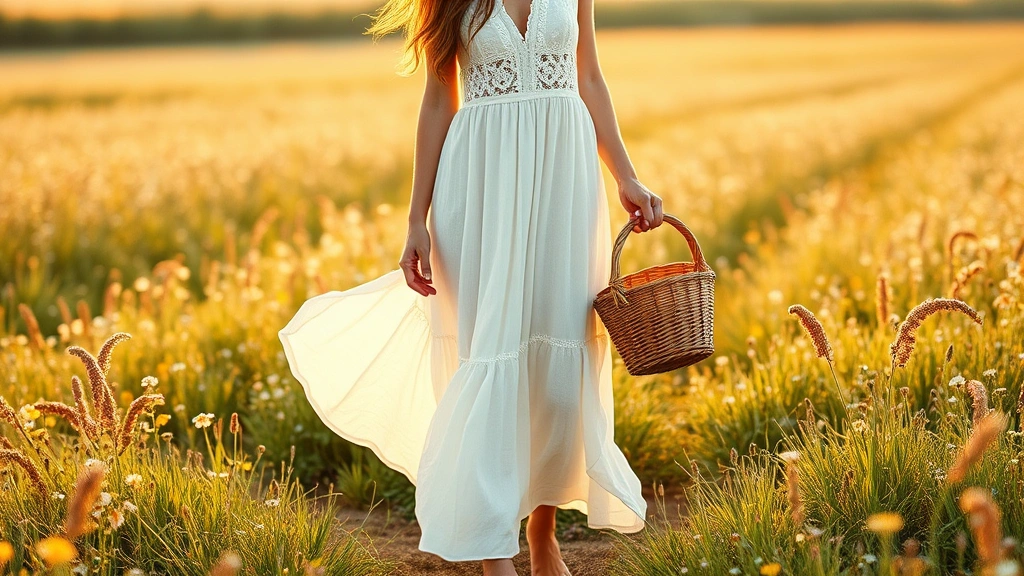
Prairie dresses and maxi dresses are absolute cottagecore staples. These floor-length or ankle-length dresses often feature high necklines, long sleeves, and delicate details like lace, embroidery, or smocking. Look for dresses with puffed sleeves, empire waists, or gentle gathering at the waist. Vintage-inspired slip dresses work beautifully layered under sheer or knit tops. Midi skirts, particularly in linen, cotton, or lace, are incredibly versatile. A-line skirts with modest waistbands feel more cottagecore than tight pencil skirts.
Blouses are essential building blocks. Look for white or cream cotton blouses with delicate details—lace panels, embroidery, pintucks, or smocking. Peter Pan collars, puffed sleeves, and modest necklines are quintessentially cottagecore. Button-up shirts in linen or cotton offer versatility. Cardigans, both knit and crocheted, are perfect layering pieces. Long, flowing cardigans in neutral or soft colors add romantic femininity. Waistcoats and vests over dresses or blouses create charming, vintage-inspired looks.
Aprons are surprisingly chic in cottagecore fashion. Both decorative aprons and functional kitchen aprons can be styled as fashion pieces. Look for vintage-inspired aprons with ruffles, embroidery, or lace trim. Puffed-sleeve shirts, reminiscent of historical periods, add authentic period details. Knit sweaters and pullovers, particularly in cable knit or textured patterns, provide warmth and vintage charm. When selecting silhouettes, prioritize comfort and modesty. The cottagecore aesthetic celebrates the beauty of coverage, layering, and romantic draping rather than body-hugging, trendy cuts.
Accessories and Details
Accessories are where you can truly express your cottagecore personality and attention to detail. The right accessories elevate your outfit from simply wearing vintage-inspired clothes to genuinely embodying the cottagecore aesthetic. Every piece should feel intentional and contribute to the overall narrative.
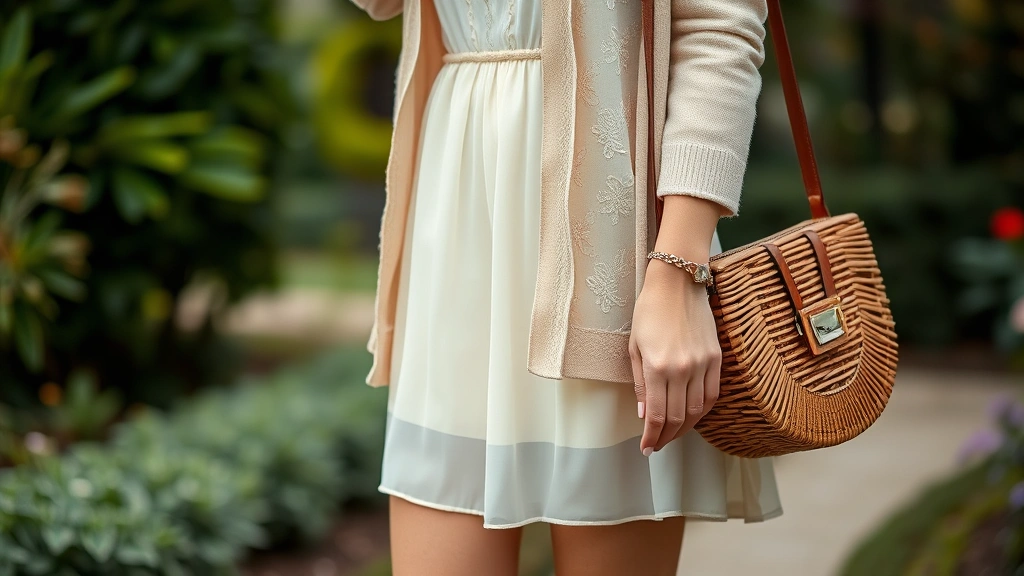
Bags are crucial cottagecore accessories. Wicker baskets, linen totes, and vintage leather satchels feel authentically cottagecore. Look for bags with natural materials, vintage details, and imperfect finishes. Rattan bags, particularly smaller basket bags, are incredibly popular in cottagecore styling. Leather bags with a worn, vintage appearance add character. Avoid modern, sleek designs in favor of structured, classic shapes that feel timeless.
Footwear should prioritize comfort and vintage aesthetics. Mary Jane shoes, particularly in leather with modest heels, are iconic cottagecore shoes. Vintage-style boots with laces and natural leather feel authentic. Flat loafers, ballet flats, and simple leather shoes work beautifully. Embroidered or delicate shoes add feminine details. Avoid modern sneakers and trendy athletic wear—instead, choose shoes that feel like they belong in a countryside setting. Fashion accessories should emphasize natural materials and vintage aesthetics.
Jewelry should be delicate and meaningful rather than bold and flashy. Dainty gold or silver chains, vintage lockets, and pearl jewelry feel cottagecore. Cameos, vintage brooches, and antique rings add historical authenticity. Avoid heavy, modern jewelry in favor of pieces that feel inherited or vintage. Floral motifs, nature-inspired designs, and handmade pieces resonate perfectly with the aesthetic.
Hair accessories complete the cottagecore look beautifully. Vintage hair clips, delicate hair ribbons, and simple headbands add charm. Flowers in your hair, whether fresh wildflowers or delicate fabric flowers, feel quintessentially cottagecore. Bonnets and vintage-inspired hats, while bold, can work for those fully committed to the aesthetic. Consider pearl hair clips, lace headbands, and simple scrunchies in soft colors.
Other essential accessories include vintage-inspired belts, particularly leather belts with simple buckles. Shawls, particularly vintage wool or linen shawls, add layers and romance. Handkerchiefs and vintage scarves can be styled creatively. Every accessory should feel purposeful and contribute to the overall aesthetic rather than feeling like a trendy add-on.
Styling Tips from Fashion Experts
Fashion experts and styling professionals have developed valuable insights into creating authentic cottagecore looks. These professional tips will help you elevate your cottagecore game and create cohesive, beautiful outfits. When exploring types of fashion and different approaches to styling, cottagecore offers unique opportunities for creative expression.
The first expert tip is to embrace layering. Cottagecore styling is all about creating depth and visual interest through thoughtful layering. Start with a simple base—perhaps a cream slip dress—then add a delicate blouse underneath, a cardigan over top, and a shawl for extra romance. This approach creates texture, interest, and the ability to adjust to temperature changes. Layering also creates the characteristic romantic silhouette that defines cottagecore.
Second, invest in quality basics. Rather than accumulating many cheap pieces, purchase fewer high-quality items that you’ll wear repeatedly and cherish. A well-made linen slip dress, a quality cream blouse, and a beautiful cardigan form the foundation of a cottagecore wardrobe. These pieces will last for years and only improve with age and wear.
Third, embrace imperfection and vintage details. Look for pieces with visible stitching, slight irregularities, and handmade qualities. Vintage or vintage-inspired items with patina, worn edges, and historical character feel more authentic than perfectly pristine new items. Experts recommend shopping vintage and secondhand to find genuine cottagecore pieces while supporting sustainability.
Fourth, coordinate your entire aesthetic—not just clothing. Your home décor, accessories, and lifestyle choices should align with cottagecore values. This holistic approach creates authenticity and ensures your personal style feels genuinely integrated into your life. According to The Cut, the most successful style adoptions occur when people fully commit to the aesthetic’s values rather than simply wearing the clothes.
Fifth, focus on proportion and balance. Pair fitted pieces with flowing pieces. Balance delicate details with substantial fabrics. If you’re wearing a voluminous prairie dress, keep your accessories minimal and delicate. If you’re wearing a fitted slip dress, add a flowing cardigan or shawl. This balance creates visual harmony and prevents outfits from feeling costume-like.
Sixth, pay attention to hair and makeup. Cottagecore beauty is soft and natural. Minimal makeup with focus on natural skin, soft blush, and subtle lips feels cottagecore. Hair should look effortlessly romantic—loose waves, soft braids, or simple half-up styles. Avoid heavy makeup, dramatic styling, or trendy beauty looks that contradict the aesthetic’s natural, timeless values.
Building Your Cottagecore Wardrobe
Creating a cohesive cottagecore wardrobe requires strategic planning and thoughtful purchasing. Rather than buying randomly, approach your wardrobe as a curated collection of pieces that work together harmoniously. This intentional approach aligns perfectly with cottagecore values of sustainability and quality over quantity.
Start with neutral bases. Invest in several quality pieces in cream, ivory, soft white, and pale beige. These form the foundation of most outfits and allow you to build endless combinations. A cream linen slip dress, white cotton blouses, ivory cardigans, and beige linen skirts provide versatile bases for countless looks.
Add your signature colors gradually. Introduce sage green through a cardigan or skirt. Add dusty rose through accessories or a blouse. Build your color palette intentionally, ensuring each new piece coordinates with what you already own. This approach prevents your wardrobe from feeling disjointed and ensures pieces work together beautifully.
Invest in quality layering pieces. Cardigans, vests, shawls, and lightweight sweaters are essential for cottagecore styling. These pieces extend the life of your wardrobe and allow you to create new looks by layering differently. When exploring how to find your personal style, layering pieces are invaluable for experimenting with different combinations.
Prioritize key statement pieces. Every cottagecore wardrobe needs a prairie dress, a lace blouse, and a vintage-inspired skirt. These pieces define the aesthetic and become signature parts of your style. Choose them carefully, ensuring they fit well and make you feel beautiful.
Build accessory collections slowly. Rather than buying many cheap accessories, acquire fewer high-quality pieces—a beautiful leather bag, quality Mary Jane shoes, delicate jewelry. These items will serve you for years and develop character with use.
Shop vintage and secondhand. Thrift stores, vintage boutiques, and online vintage marketplaces offer authentic cottagecore pieces at reasonable prices. Vintage shopping aligns with cottagecore values of sustainability and supports the aesthetic’s emphasis on timeless pieces with history.
Keep a mood board or Pinterest collection of inspiration. Gather images that resonate with your cottagecore vision. Notice which colors, silhouettes, and details appear repeatedly. Use this as a guide when making purchasing decisions, ensuring your wardrobe develops a cohesive, personal cottagecore aesthetic rather than feeling generic or costume-like.
Consider your lifestyle when building your wardrobe. If you work in a corporate environment, you may need to modify your cottagecore pieces to fit professional settings. A prairie dress might become a midi skirt with a professional blouse. Vintage accessories might become subtle jewelry. Adapt the aesthetic to your life rather than forcing your life to fit the aesthetic.
Finally, embrace the journey. Building a cottagecore wardrobe is not something that happens overnight. It’s a gradual process of discovering pieces, experimenting with styling, and refining your personal interpretation of the aesthetic. Enjoy the process of collecting meaningful pieces and developing your unique cottagecore style. Visit StyleLoom Daily Blog regularly for inspiration and styling ideas as you develop your cottagecore aesthetic.
FAQ
What is cottagecore fashion exactly?
Cottagecore fashion is a romantic, pastoral-inspired aesthetic that celebrates rural life, vintage craftsmanship, and timeless elegance. It draws inspiration from countryside living, historical periods, and the simple pleasures of nature. The aesthetic emphasizes natural fabrics, muted colors, vintage-inspired silhouettes, and meaningful details over trendy, fast-fashion pieces.
Can I wear cottagecore fashion in modern settings like work or school?
Absolutely! Cottagecore pieces can be adapted to professional and academic settings. Choose classic midi skirts with professional blouses, wear vintage-inspired cardigans with neutral dresses, or incorporate subtle cottagecore accessories into more contemporary outfits. The key is balancing your love for the aesthetic with the requirements of your environment.
Is cottagecore fashion expensive?
Cottagecore doesn’t have to be expensive. While investing in quality pieces is encouraged, you can build a beautiful cottagecore wardrobe through thrift stores, vintage shops, and online marketplaces. Many cottagecore staples like simple linen skirts and cotton blouses are affordable when purchased from sustainable brands or secondhand sources.
What’s the difference between cottagecore and other vintage-inspired aesthetics?
Cottagecore specifically emphasizes rural, pastoral elements and prioritizes sustainability and craftsmanship values. While other vintage aesthetics might focus on specific historical periods or urban settings, cottagecore celebrates countryside living and the romance of agricultural heritage. It’s more about a lifestyle philosophy than simply wearing vintage clothes.
How do I know if cottagecore is right for me?
If you’re drawn to nature, appreciate vintage aesthetics, value quality over trends, and want to express creativity through fashion, cottagecore might be perfect for you. Consider whether the soft colors, romantic silhouettes, and lifestyle values resonate with you. You don’t need to fully commit—you can incorporate cottagecore elements into your existing style gradually.
Where can I find authentic cottagecore pieces?
Vintage and secondhand shops, thrift stores, and online marketplaces like Depop and Vestiaire Collective offer authentic cottagecore pieces. Sustainable fashion brands specializing in natural fabrics and timeless designs also create cottagecore-aligned pieces. Check Fashion Magazine for brand recommendations and styling inspiration.