
Fashion Tech Trends 2023: Expert Insights Into Digital Innovation
The intersection of fashion and technology has evolved from a niche conversation into the beating heart of the industry. As we navigate 2023, the landscape of fashion tech continues to reshape how designers create, how retailers operate, and how consumers interact with their wardrobes. From artificial intelligence-powered personal styling to blockchain-verified authenticity, the innovations transforming fashion are nothing short of revolutionary. This comprehensive guide explores the most significant trends that are defining the future of style.
The digital revolution in fashion isn’t merely about adding screens to fitting rooms or creating virtual clothes. It’s about fundamentally reimagining the relationship between technology and personal expression. Brands are leveraging cutting-edge tools to democratize style, enhance sustainability, and create hyper-personalized shopping experiences that were once considered impossible. Whether you’re a fashion professional seeking to understand emerging technologies or a style enthusiast curious about what’s next, understanding these trends is essential.
AI-Powered Personal Styling and Virtual Try-On
Artificial intelligence has emerged as the most transformative force in personalized fashion styling. Advanced algorithms now analyze body type, skin tone, personal preferences, and lifestyle factors to recommend pieces that would have previously required hours of consultation with a professional stylist. Companies like Stitch Fix and Trunk Club have pioneered this space, but 2023 has seen exponential improvements in accuracy and sophistication.
The magic of AI-driven styling lies in its ability to learn. Each interaction, each saved item, and each purchase feeds the algorithm, making recommendations increasingly precise over time. This technology democratizes access to professional styling expertise that was once reserved for those who could afford personal fashion stylist jobs-level consultants. Virtual try-on technology has reached remarkable levels of realism, allowing customers to see how garments fit their specific body type before purchasing, dramatically reducing return rates.
Major retailers have integrated AI chatbots that function as digital style advisors, available 24/7 to answer questions about fit, fabric care, and styling suggestions. These systems process natural language queries and provide contextual recommendations based on current trends, seasonal collections, and individual style profiles. The technology has become sophisticated enough to understand nuanced requests like “suggest something that would work for my business casual office but also transition to weekend drinks.”
Vogue has extensively covered how luxury brands are implementing AI styling assistants, noting that the technology is becoming less about replacing human expertise and more about augmenting it. The most successful implementations combine algorithmic intelligence with human insight, creating hybrid experiences that offer both efficiency and personal touch.
Sustainable Tech Solutions in Fashion
As environmental consciousness becomes central to fashion consciousness, technology is playing a crucial role in developing sustainable solutions. Innovations in fabric production, inventory management, and circular fashion platforms are reshaping how the industry approaches sustainability. Fashion tech in the sustainability space includes everything from lab-grown materials to AI-optimized production schedules that minimize waste.
Digital design and 3D visualization tools allow designers to perfect garments virtually before producing physical samples. This reduces the number of prototype iterations, significantly cutting waste and resource consumption. Companies like Browzwear and CLO Virtual Fashion have revolutionized the design process, enabling designers to see how fabrics drape, move, and interact with light without creating physical samples. This technology has been particularly transformative for emerging designers and small brands that previously couldn’t afford the cost of multiple prototype iterations.
Blockchain technology is being applied to track the environmental impact of garments throughout their lifecycle. Customers can scan a QR code on their purchase and see the exact carbon footprint, water usage, and labor conditions associated with that specific piece. This transparency empowers consumers to make informed decisions aligned with their values. Fashion consultants are increasingly educating clients about these technologies, helping them understand the true cost of their purchases.
Rental and resale platforms powered by advanced inventory management systems are extending garment lifecycles and creating circular fashion ecosystems. Apps like Rent the Runway and Vestiaire Collective use machine learning to match styles with users, predict demand, and optimize their inventory. These platforms have fundamentally changed how people approach fashion consumption, particularly among younger demographics who value access over ownership.
Blockchain and Authentication
Counterfeiting costs the fashion industry an estimated $4.2 billion annually, making authentication a critical concern for luxury brands and conscious consumers alike. Blockchain technology provides an immutable ledger of a garment’s journey from production through ownership, creating unprecedented transparency and security. Each luxury item can be assigned a unique digital certificate that travels with it through the supply chain and into the hands of consumers.
This technology is particularly valuable for the luxury market, where authenticity directly impacts value and desirability. Brands like Gucci, Louis Vuitton, and Burberry have implemented blockchain-based authentication systems that allow customers to verify the legitimacy of their purchases. The technology creates a permanent record that cannot be forged, providing peace of mind to consumers and protecting brand integrity.
Beyond authentication, blockchain enables new business models in fashion. Smart contracts can automatically ensure that designers, manufacturers, and suppliers receive their appropriate compensation, reducing payment disputes and improving financial transparency throughout the supply chain. This is particularly beneficial for independent designers and small production facilities working with larger brands.
The integration of blockchain with fashion style authentication also creates opportunities for secondary market growth. Authenticated resale through blockchain-verified platforms adds legitimacy to the pre-owned luxury market, allowing brands to participate in and benefit from the circular economy while maintaining quality control.
Augmented Reality Shopping Experiences
Augmented reality has transcended novelty status to become a practical tool that fundamentally enhances the shopping experience. Major brands now offer AR try-on features that allow customers to visualize how clothing, accessories, and even makeup look on their specific body and in their own environment before making a purchase decision.
Snapchat and Instagram have integrated AR filters developed by fashion brands, allowing users to try virtual outfits and accessories directly within social media platforms. This seamless integration of shopping and social interaction has created new pathways for discovery and purchase. The technology particularly resonates with Gen Z consumers who expect interactive, digital-first shopping experiences.
Virtual showrooms and digital fashion shows have become standard practice, especially following the pandemic’s acceleration of digital-first strategies. Brands create immersive 3D environments where customers can explore collections, customize pieces in real-time, and see how items interact with their existing wardrobe through virtual styling. These experiences provide the engagement and inspiration of in-person shopping without geographic limitations.
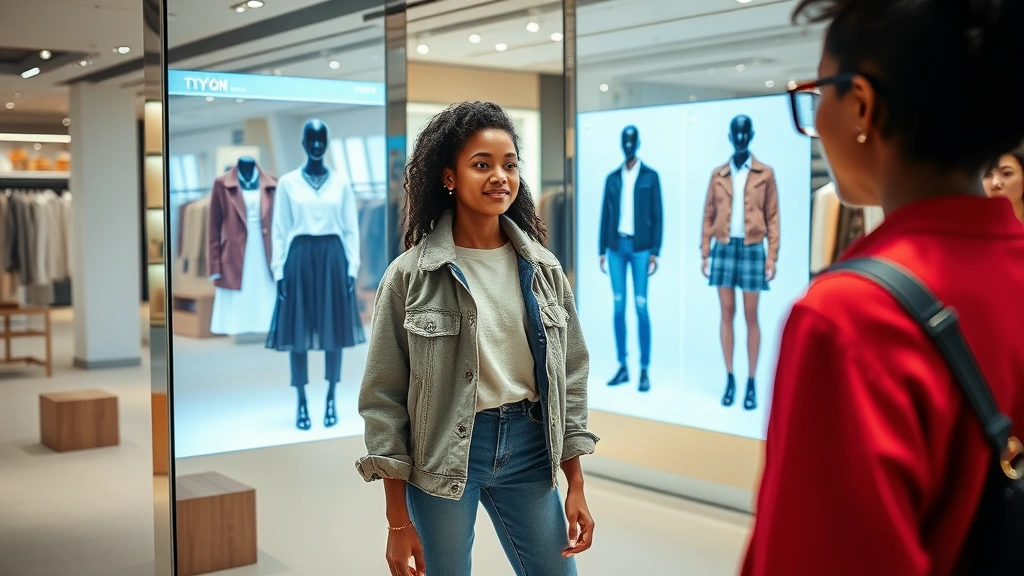
AR fitting room technology in physical retail stores combines the best of both worlds. Customers stand in front of smart mirrors that overlay different sizes, colors, and styles onto their reflection, allowing them to see how garments fit without the time-consuming process of trying on multiple items. This technology reduces friction in the shopping process while providing valuable data to retailers about which items customers engage with most.
Wearable Technology Integration
The line between fashion and technology has blurred completely with the rise of sophisticated wearable technology. Smart fabrics embedded with sensors can monitor health metrics, regulate temperature, and even change color or pattern based on environmental conditions or user preferences. Brands like Google’s Project Jacquard and startups such as Myant are creating clothing that looks and feels like traditional garments while delivering technological functionality.
Smartwatches and fitness trackers have evolved from clunky tech accessories to stylish fashion statements. Luxury brands now produce designer smartwatch bands and collaborate with tech companies to create high-fashion wearables. This intersection has created new opportunities for fashion stylist fashion professionals to advise clients on integrating technology into their personal style.
Temperature-regulating fabrics, moisture-wicking smart textiles, and even clothing with integrated LED displays are moving from prototype phase into commercial production. These innovations appeal to consumers seeking functional fashion that enhances their daily lives while maintaining aesthetic appeal. Athletic brands have particularly embraced this trend, creating performance wear that doubles as everyday fashion.
Biometric clothing that monitors vital signs is gaining traction in both healthcare and fitness applications. Garments embedded with sensors can track heart rate, sleep quality, stress levels, and other health markers, providing valuable data to wearers while maintaining the appearance of conventional clothing. This convergence of fashion and health technology represents one of the most exciting frontiers in the industry.
Digital Fashion and NFTs
The emergence of digital-only fashion has created an entirely new category within the industry. NFTs (non-fungible tokens) and digital garments exist solely in virtual spaces, yet they’re purchased, owned, and traded with real monetary value. Brands like Balenciaga, Gucci, and Dolce & Gabbana have launched digital collections that allow customers to dress their avatars in virtual clothing for gaming, social platforms, and metaverse experiences.
While the NFT market experienced significant volatility, the concept of digital fashion has proven resilient. Virtual clothing offers several compelling advantages: zero environmental impact, unlimited customization possibilities, and the ability to own multiple versions of the same piece in different colors and styles. For many consumers, particularly younger demographics, digital fashion represents an exciting frontier of personal expression.
Phygital fashion—combining physical and digital elements—has emerged as a more practical middle ground. Customers purchase physical garments that come with digital versions they can use in virtual environments. This approach appeals to brands seeking to extend their reach into metaverse platforms while maintaining connection to physical product sales.
The integration of digital fashion into mainstream retail is accelerating. Virtual fashion shows streamed to global audiences, digital lookbooks created entirely through 3D rendering, and virtual styling sessions conducted by AI avatars are becoming standard marketing and sales tools. This expansion creates new career opportunities for digital designers and virtual stylists.
Supply Chain Transparency
Technology is finally delivering on the promise of supply chain transparency that conscious consumers have been demanding. Advanced tracking systems allow brands to document every step of a garment’s journey from raw material sourcing through manufacturing, distribution, and delivery. Customers can scan a QR code and access detailed information about where their clothes were made, who made them, and under what conditions.
IoT (Internet of Things) sensors embedded in shipments provide real-time tracking that benefits both retailers managing inventory and consumers tracking orders. This technology has reduced theft, optimized logistics, and improved delivery accuracy. The data collected also helps brands understand demand patterns and optimize production schedules to minimize overstock and waste.
Artificial intelligence analyzes supply chain data to identify inefficiencies, predict disruptions, and suggest optimizations. During recent global supply chain challenges, these predictive systems proved invaluable in helping brands maintain continuity. Forward-thinking companies are using this technology not just to react to problems but to proactively build resilience into their supply chains.
Transparency technology also addresses labor concerns. Blockchain records can document working conditions, wage payments, and safety compliance throughout the supply chain. This accountability mechanism incentivizes ethical practices and allows brands to differentiate themselves on values. Fashion style quiz platforms are even incorporating supply chain ethics into their recommendations, helping consumers discover brands aligned with their values.
Business of Fashion regularly publishes in-depth analysis of how major brands are implementing supply chain transparency, noting that technology adoption correlates strongly with consumer trust and brand loyalty. The most successful implementations treat transparency as a competitive advantage rather than a compliance requirement.

FAQ
What is fashion tech and why is it important?
Fashion tech refers to the application of technology to all aspects of the fashion industry, from design and production to retail and consumption. It’s important because it addresses critical challenges including sustainability, counterfeiting, supply chain efficiency, and customer satisfaction. Technology enables brands to create better products more efficiently while providing consumers with more information and personalized experiences.
How is AI changing personal styling?
AI analyzes individual preferences, body type, lifestyle, and seasonal trends to provide personalized style recommendations. Modern AI systems learn from user behavior to become increasingly accurate over time. This technology democratizes access to professional styling expertise and makes fashion more accessible to broader audiences while reducing return rates through better fit predictions.
Are NFTs and digital fashion here to stay?
Digital fashion has proven more resilient than initial NFT hype suggested. While the speculative bubble around NFTs has deflated, the underlying concept of digital-only fashion items has genuine utility, particularly for metaverse and gaming applications. Phygital approaches combining physical and digital elements appear to be the most commercially viable path forward.
How can consumers benefit from fashion tech?
Consumers benefit through personalized recommendations, accurate fit predictions, verified authenticity, transparent supply chain information, and access to virtual try-on experiences. Technology also enables more sustainable consumption through rental platforms and circular fashion ecosystems. Additionally, wearable technology integrates health and style benefits into everyday clothing.
Which brands are leading in fashion tech innovation?
Luxury brands like Gucci, Louis Vuitton, and Burberry lead in blockchain authentication. Direct-to-consumer brands like Stitch Fix and Trunk Club pioneer AI styling. Tech companies like Google and startups like Myant are advancing wearable technology. Retailers like Snapchat and Instagram integrate AR experiences, while sustainability-focused brands embrace 3D design and circular platforms.
What’s the future of fashion tech?
The future will likely see increased integration of AI, AR, and wearable technology into everyday fashion experiences. Sustainability through technology will become non-negotiable rather than differentiating. Supply chain transparency will become standard industry practice. The convergence of fashion, health technology, and personal data will create new possibilities for customization and wellness integration.