90s Rave Fashion: Expert Tips for a Bold Look
The 90s rave scene wasn’t just about the music—it was a full-sensory explosion of color, attitude, and unapologetic self-expression. From neon windbreakers to holographic accessories, 90s rave fashion represented a rebellious departure from mainstream style, creating a cultural moment that still influences designers and fashion enthusiasts today. Whether you’re attending a modern electronic music festival, hosting a themed party, or simply channeling that nostalgic energy, mastering the art of rave-inspired dressing requires understanding the core elements that made this aesthetic so iconic.
This comprehensive guide will walk you through the essential components of authentic 90s rave fashion, providing expert styling tips, fabric choices, and accessory combinations that capture the spirit of this electrifying era. We’ll explore how to balance boldness with wearability, ensuring you look festival-ready without sacrificing comfort or personal style. Whether you’re a seasoned raver looking to refine your look or a curious fashion enthusiast exploring retro aesthetics, these insights will help you create an unforgettable 90s rave outfit.
Understanding the 90s Rave Aesthetic
The 90s rave scene emerged from underground electronic music culture, primarily in the United Kingdom and Europe, before spreading globally. This wasn’t high fashion in the traditional sense—it was street-level, youth-driven style that celebrated individuality and community. Ravers intentionally rejected conventional beauty standards and dress codes, instead embracing an anything-goes mentality that combined athletic wear, club culture, and pure creative chaos.
What made 90s rave fashion so distinctive was its emphasis on visibility and movement. Dancers needed clothes that wouldn’t restrict their motion on packed dance floors, yet wanted outfits that made them stand out in dark venues illuminated by strobe lights and lasers. This practical requirement merged with artistic expression, resulting in oversized silhouettes, strategic cutouts, and reflective materials that caught light beautifully. The aesthetic was fundamentally about fun—taking fashion seriously meant not taking it seriously at all.
Understanding this philosophy is crucial to authentically capturing rave style today. It’s not about looking polished or coordinated; it’s about confidence, creativity, and embracing the unexpected. When you explore 90s black fashion trends, you’ll notice similar themes of bold self-expression, though rave culture pushed these boundaries even further with its unapologetic use of color and pattern.
Color Palettes and Neon Everything
Neon was the undisputed king of 90s rave fashion. Bright, almost fluorescent colors dominated the scene—electric lime green, hot pink, vivid orange, and intense turquoise. These weren’t subtle accent colors; they were statement-making, eye-searing hues that demanded attention. The reason was simple: in dark clubs with black lights and UV lighting, neon fabrics literally glowed, creating an otherworldly effect that enhanced the immersive experience.
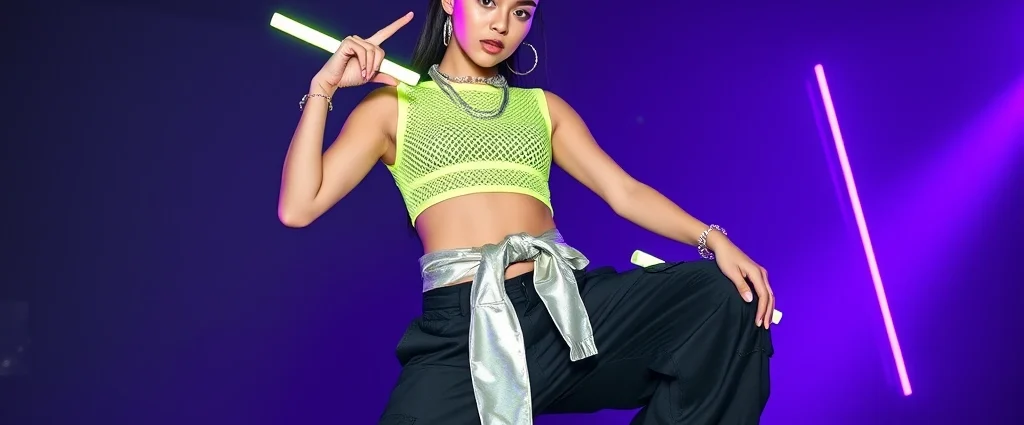
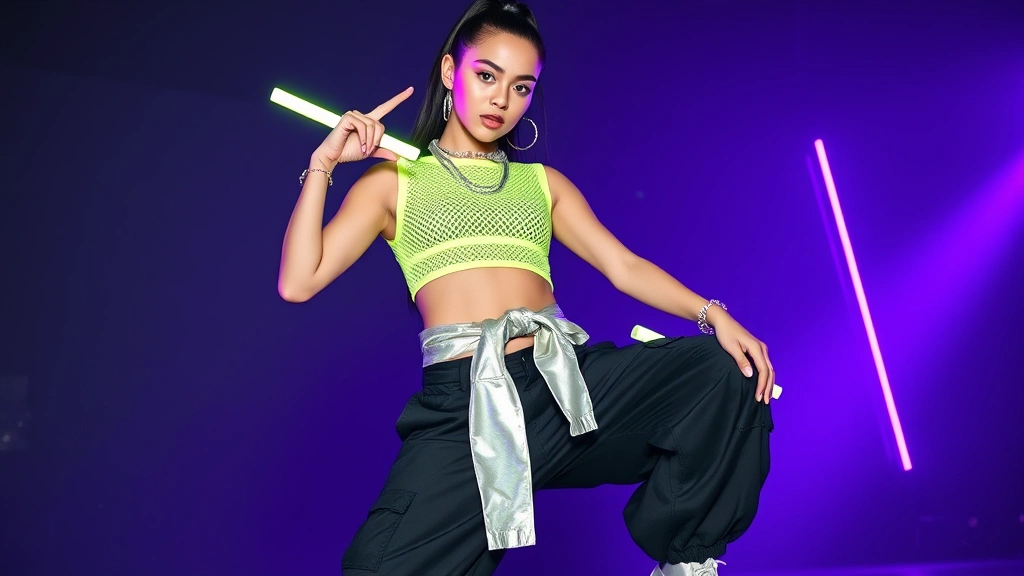
However, authentic rave fashion wasn’t exclusively neon. Many ravers balanced bright pieces with darker neutrals—black, navy, or dark gray—creating contrast that made neon pops even more striking. This contrast technique remains one of the most effective ways to wear rave-inspired fashion without looking like a highlighter. Consider pairing neon-colored mesh tops with black cargo pants, or combining a lime green windbreaker with neutral basics.
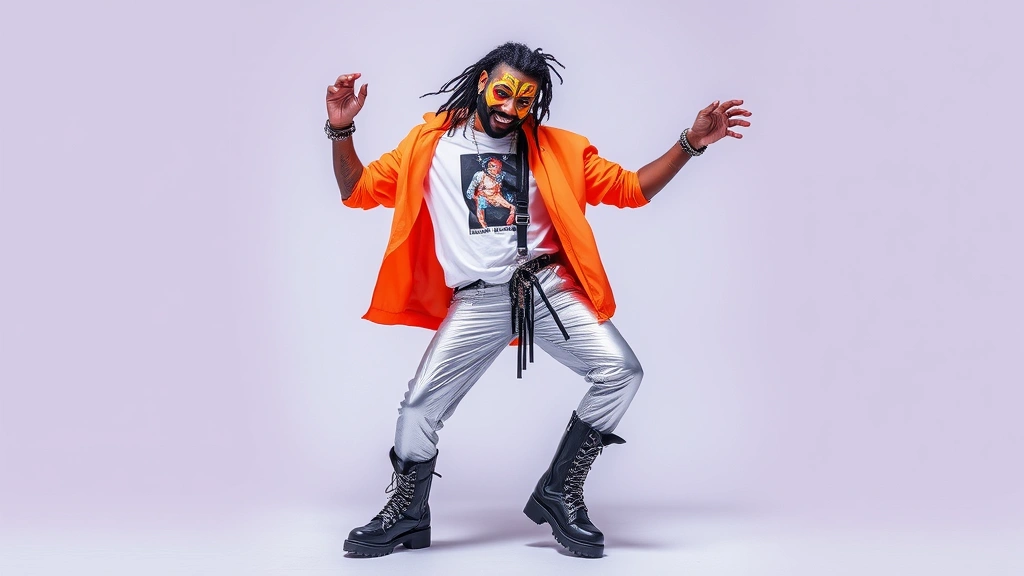
Beyond neon, holographic and iridescent materials became increasingly popular as the decade progressed. These fabrics shifted color depending on light angles and movement, creating a mesmerizing, almost liquid effect. Metallic silvers and golds also featured prominently, appealing to the futuristic aesthetic many ravers embraced. The color philosophy was simple: more is more, and if it reflects light, it’s even better.
When planning your rave outfit, select two to three dominant colors maximum. Let one be your statement color—perhaps a neon piece—and support it with complementary shades. This prevents your outfit from becoming overwhelming while maintaining that bold rave energy. Many enthusiasts of 90s men fashion embraced these same color principles, proving that rave aesthetics transcended gender boundaries.
Essential Clothing Pieces
Oversized T-Shirts and Mesh Tops
The oversized t-shirt was a rave staple, often featuring graphic prints, band logos, or bold color blocking. These shirts provided freedom of movement while offering a canvas for creative expression. Mesh tops—sometimes worn alone, sometimes layered—became iconic for their transparency and futuristic appearance. The appeal of mesh was twofold: it allowed body heat to escape during intense dancing, and it created visual interest through layering and texture.
Cargo Pants and Baggy Trousers
Functionality met fashion in rave-era cargo pants. Multiple pockets weren’t just practical for carrying essentials; they became design features that defined the silhouette. Baggy trousers in various fabrics—from heavy cotton to nylon—dominated dance floors. The key characteristic was volume: pants that allowed dancers to move freely without restriction. Many featured adjustable waistbands, drawstrings, and tapered ankles that created a distinctive shape.
Windbreakers and Shell Jackets
Neon windbreakers became synonymous with 90s rave culture. These jackets, often in metallic or holographic finishes, were lightweight and packable, perfect for outdoor raves or venues where temperature fluctuated. Shell jackets in bold colors offered similar functionality while providing that unmistakable rave aesthetic. The appeal extended beyond practicality—these jackets simply looked cool in motion, especially under club lighting.
Crop Tops and Bra Tops
Many ravers embraced crop tops and bra-style tops, celebrating body confidence and comfortable dancing. These pieces often featured bold colors, metallic finishes, or interesting cutout details. Layering was common—wearing a crop top over a long-sleeved mesh shirt created visual complexity while maintaining coverage and movement freedom.
Hot Pants and Shorts
High-waisted hot pants in metallic or neon fabrics represented the bold, confident side of rave fashion. Often paired with thigh-high tights or leg wraps, they created eye-catching leg lines while allowing freedom of movement. This aesthetic celebrated the body without requiring explicit sexualization—it was simply about comfort, confidence, and looking good on the dance floor.
Accessories and Statement Pieces
Accessories transformed basic rave outfits into complete, unforgettable looks. This was where creativity truly flourished, with ravers mixing textures, materials, and styles in ways that shouldn’t work but absolutely did.
Leg Wraps and Gaiters
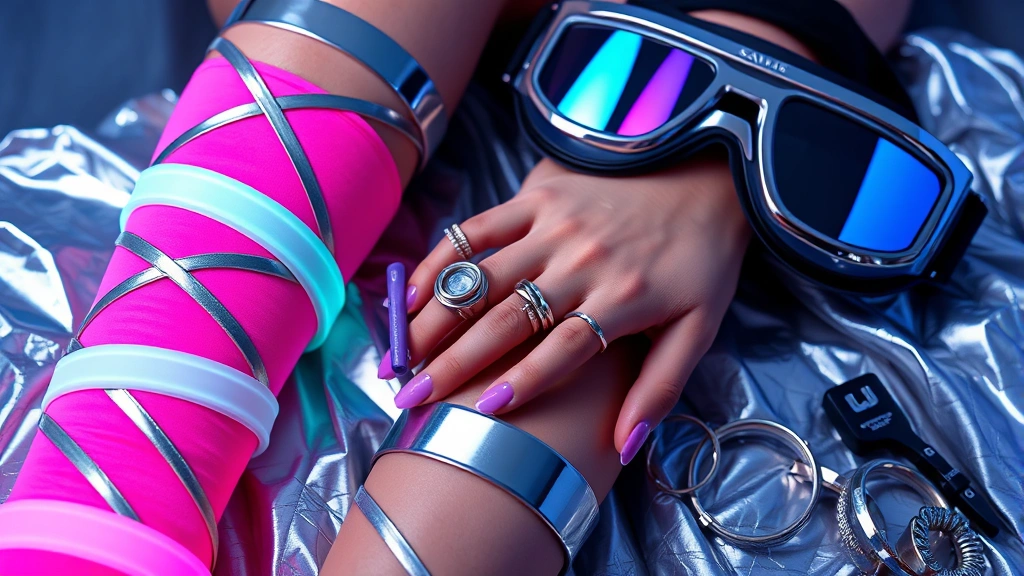
Colorful leg wraps became iconic rave accessories, worn around calves, thighs, or shins. These stretchy fabric wraps came in neon colors and metallic finishes, often with reflective properties. They served both practical and aesthetic purposes—providing compression during intense dancing while creating striking visual lines.
Body Harnesses and Straps
Leather or fabric body harnesses, worn over clothing, became bold statement pieces. These accessories emphasized the body’s geometry while adding an edgy, avant-garde element. They ranged from simple single straps to complex multi-strap designs, allowing for tremendous personal customization.
Jewelry and Chains
Large, chunky jewelry dominated rave fashion. Silver chains, oversized rings, and statement necklaces added weight and presence to outfits. Some ravers wore multiple chains simultaneously, creating layered, almost armor-like effects. Glow-in-the-dark and UV-reactive jewelry added practical appeal—pieces literally glowed under club lighting.
Goggles and Visors
Futuristic goggles and visors became iconic rave accessories, serving both functional and aesthetic purposes. They protected eyes from bright lights while screaming 90s rave aesthetic. Styles ranged from oversized wraparound designs to vintage-inspired motorcycle goggles, often featuring colored lenses or reflective surfaces.
Gloves and Arm Warmers
Fingerless gloves in metallic or neon colors added texture and interest to upper body styling. Arm warmers, inspired by 80s aerobics culture but reimagined through a rave lens, provided warmth while maintaining that nostalgic aesthetic. These pieces were often worn in multiples, stacked up the forearms for maximum visual impact.
Footwear Guide for Ravers
Choosing the right shoes for rave fashion requires balancing style with the practical demands of hours spent dancing. Your feet deserve consideration, but so does your overall aesthetic.
Platform Sneakers and Chunky Trainers
Chunky platform sneakers dominated rave footwear. Brands like Buffalo and Skechers became cultural icons, with their thick rubber soles providing comfort and a distinctive silhouette. These shoes worked because they were simultaneously practical and visually striking—the exaggerated sole created an almost architectural quality.
Combat Boots and Doc Martens
Heavy-soled combat boots provided an edgier alternative to sneakers. Doc Martens, in particular, became symbols of rave culture’s rebellious spirit. These boots worked especially well with baggy pants, creating a grounded, solid foundation for lighter, more experimental pieces worn above.
Metallic and Holographic Shoes
As rave culture evolved, holographic and metallic sneakers emerged. These shoes caught light beautifully, making feet visually interesting even in movement. Some ravers opted for entirely silver or holographic footwear, creating a futuristic vibe that complemented neon and metallic clothing pieces.
Footwear Styling Tips
Whatever shoe you choose, ensure it’s genuinely comfortable. You’ll be standing and dancing for hours, potentially on concrete or uneven surfaces. Prioritize support and cushioning over pure aesthetic. That said, chunky shoes naturally complement baggy pants and oversized tops, so the aesthetic alignment is usually straightforward. Consider metallic or reflective laces to enhance the rave vibe without compromising comfort.
Hair and Makeup Styling
Your hair and makeup complete the rave transformation, offering opportunities for creativity and self-expression that complement clothing choices.
Hair Styling Approaches
Rave culture embraced diverse hair aesthetics. Some ravers favored bold colors—bright pink, electric blue, or holographic silver—achieved through temporary dyes or spray-on colors. Others opted for structural styles: space buns, zigzag parts, cornrows, or gravity-defying spikes created with heavy-duty gel. The key was visual impact; subtle, understated hair was antithetical to rave philosophy.
Hair accessories offered additional customization. Colorful hair clips, metallic barrettes, glow sticks threaded through braids, and decorative hair wraps all enhanced the overall look. Many ravers incorporated LED elements or reflective materials into hairstyles, creating moving light shows as they danced.
Makeup Styling
Rave makeup emphasized eyes and boldness. Heavy eyeliner, often extending beyond natural eye shapes into dramatic wings or exaggerated designs, became standard. Eyeshadow featured bright, contrasting colors—neon green against hot pink, electric blue against silver. Glitter, both loose and pressed, covered lids, cheeks, and sometimes entire faces.
Face paint and stickers added another dimension. Some ravers created geometric designs, animal prints, or abstract patterns across their faces. Glow-in-the-dark makeup and UV-reactive products enhanced the nighttime aesthetic, quite literally glowing under club lighting. Unlike conventional makeup, rave makeup celebrated excess, asymmetry, and artistic chaos.
Makeup Application Tips
Invest in high-quality, long-wear products designed to withstand hours of sweating and movement. Primer helps ensure eyeshadow and eyeliner last through the night. Glitter primer prevents glitter migration while keeping sparkles vibrant. Consider waterproof formulas, as sweat and occasional liquid splashes are inevitable at raves. The goal is maintaining visual impact throughout the night, so durability matters alongside aesthetics.
Modern Interpretation and Sustainability
Today’s fashion enthusiasts can embrace 90s rave fashion while respecting contemporary values around sustainability and ethical consumption. This requires thoughtful sourcing and creative styling choices.
Thrifting and Vintage Shopping
The most sustainable approach involves finding authentic vintage pieces from the 90s. Thrift stores, vintage shops, and online platforms like Depop or Vestiaire Collective offer genuine rave-era clothing at reasonable prices while reducing environmental impact. Vintage neon windbreakers, original cargo pants, and authentic band tees carry the aesthetic credibility of original pieces while extending these items’ lifecycles.
Modern Reproductions with Conscience
Many contemporary brands now create rave-inspired pieces using sustainable materials. Look for companies prioritizing organic cotton, recycled polyester, and ethical manufacturing. Modern interpretations often improve upon originals—better construction, improved comfort, and thoughtful design—while maintaining aesthetic authenticity.
DIY and Customization
Channel rave culture’s DIY spirit by customizing existing pieces. Add neon patches to vintage jackets, paint designs on plain cargo pants, or embellish crop tops with metallic thread. This approach is inherently sustainable, creative, and deeply authentic to rave philosophy. The culture celebrated individual expression; customizing pieces to reflect your personality honors that legacy.
Quality Over Quantity
Rather than accumulating numerous pieces, invest in quality basics you’ll genuinely wear. A well-made pair of cargo pants, a durable windbreaker, and comfortable platform sneakers form the foundation for countless rave-inspired outfits. Build from these staples, adding accessories and statement pieces gradually.
Styling Combinations for Different Vibes
The Classic Bold Approach
Combine a neon mesh crop top with black cargo pants, add a holographic windbreaker, and style with chunky platform sneakers. Layer with metallic body harness and glow-in-the-dark jewelry. This combination hits all essential rave fashion elements while maintaining visual coherence through the black-and-neon color scheme.
The Futuristic Edge
Pair silver or holographic pants with a dark oversized t-shirt featuring geometric designs. Add a metallic shell jacket, complete with silver platform sneakers and futuristic goggles. Accessorize with chain necklaces and reflective leg wraps. This approach emphasizes the futuristic aesthetic that appealed to many ravers.
The Experimental Artist
Layer an oversized graphic tee over a mesh top, add patterned cargo pants in contrasting colors, and style with a neon windbreaker in a clashing hue. Incorporate multiple accessories—body harness, leg wraps, chains, and glow sticks. This aesthetic celebrates creative chaos and individual expression.
The Grounded Alternative
Combine dark cargo pants with a fitted black crop top, add a neon windbreaker as the statement piece, and style with combat boots. Keep accessories minimal—perhaps glow-in-the-dark jewelry and a single statement chain. This approach appeals to those wanting rave aesthetic without maximum visual intensity.
Consider exploring 80s rap fashion for additional inspiration, as these adjacent aesthetics share some stylistic DNA while maintaining distinct identities. Similarly, understanding 70s black fashion provides historical context for how rave culture built upon and rejected previous fashion movements.
FAQ
Can I wear 90s rave fashion outside of actual raves?
Absolutely. Modern street style increasingly incorporates rave-inspired elements. Neon windbreakers work beautifully with casual outfits, oversized graphic tees pair well with contemporary bottoms, and chunky platform sneakers complement numerous styles. The key is moderation—balance statement pieces with neutral basics, and you can wear rave fashion to festivals, parties, casual outings, and even creative workplaces. Check out Fashion Nova dresses for examples of how contemporary brands incorporate bold, statement-making aesthetics into everyday fashion.
What’s the difference between 90s rave fashion and 90s club fashion?
While related, these aesthetics differ in intensity and purpose. Club fashion incorporated rave elements but maintained more sophistication and wearability for non-dancing contexts. Rave fashion, by contrast, prioritized comfort and movement for hours of dancing while maximizing visual impact. Rave fashion was intentionally bolder, more experimental, and less concerned with conventional style rules. It was a subculture aesthetic, while club fashion was broader mainstream interpretation.
How do I find authentic vintage 90s rave pieces?
Specialized vintage shops, online marketplaces like Depop and Vestiaire Collective, and dedicated rave fashion retailers offer authentic pieces. Look for brand indicators—Buffalo platform shoes, vintage windbreakers from athletic brands, and authentic band tees. Check construction quality, fabric composition, and any tags indicating manufacturing dates. Authentic pieces often cost less than you’d expect, making vintage shopping both economical and sustainable.
What’s the best way to accessorize a simple rave outfit?
Start with one statement accessory—perhaps a holographic body harness or chunky chain necklace—then build from there. Add glow-in-the-dark or reflective elements like leg wraps or jewelry. Layer multiple accessories of different types: chains, rings, leg wraps, and perhaps goggles or a visor. The goal is creating visual richness without overwhelming the outfit. Remember that rave fashion celebrates maximalism, so more accessories generally work better than fewer.
Are there color combinations to avoid in rave fashion?
Rave fashion intentionally embraces clashing colors, so few combinations are truly “wrong.” That said, some combinations work better than others. Neon colors paired with complementary neon shades create visual harmony, while neon against black creates maximum contrast. Avoid pairing too many different neon shades without neutral breaks, as this can appear chaotic rather than intentional. When in doubt, use black or dark gray as a grounding color that makes other hues pop.
How do I make a budget-friendly rave outfit?
Thrifting offers the most economical approach. Find basic pieces—plain t-shirts, cargo pants, and neutral jackets—at thrift stores, then customize them with paint, patches, or dye. Temporary neon hair color costs just a few dollars. DIY accessories from craft supplies can rival expensive statement pieces. Building your look gradually, acquiring one quality piece monthly rather than buying everything at once, also reduces financial pressure while allowing thoughtful curation.
Can men wear 90s rave fashion?
Absolutely. Rave culture was gender-inclusive, and 90s men fashion embraced many rave elements. Oversized t-shirts, cargo pants, windbreakers, platform sneakers, and accessories all work perfectly in men’s styling. The key difference might be fit—men’s pieces often feature more relaxed silhouettes naturally—but the aesthetic principles remain identical. Rave fashion celebrated individual expression regardless of gender, and modern interpretations continue this inclusive philosophy.
What should I know about wearing platform shoes?
Platform shoes require adjustment period. The extra height changes your gait and center of gravity, so practice wearing them before attending events. Ensure adequate cushioning and arch support, as hours of dancing in platforms can strain feet. Quality matters significantly—cheaper platforms often have inadequate support. Start with lower platform heights if you’re inexperienced, gradually moving to chunkier styles. Many ravers swear by specific brands known for comfort despite their bold aesthetic.
How do I style rave fashion for different seasons?
Summer rave fashion emphasizes minimal layering—crop tops, hot pants, and mesh pieces dominate. Lightweight windbreakers provide sun protection while maintaining the aesthetic. Winter rave fashion incorporates heavier jackets, long-sleeved mesh tops for layering, and tights or leg warmers for warmth. Metallic and holographic pieces work year-round, though they pair better with darker fabrics in winter. The fundamental aesthetic remains consistent; only the layering and weight of pieces changes seasonally.