90’s Men Fashion Trends: Expert Analysis
The 1990s represents one of the most transformative decades in men’s fashion history, a period when style became democratized and individualism trumped conformity. This era witnessed an unprecedented collision of high fashion, street culture, and youth rebellion that fundamentally reshaped how men approach clothing. From the minimalist sophistication of Calvin Klein to the anti-fashion ethos of grunge, the 90s created a diverse landscape where multiple aesthetic movements coexisted and thrived simultaneously.
Understanding 90’s men fashion requires more than nostalgia—it demands recognition of how cultural movements, technological advancement, and economic shifts influenced sartorial choices. The decade produced iconic silhouettes, color palettes, and styling approaches that continue to influence contemporary menswear. Whether you’re a fashion historian, a trend enthusiast, or someone seeking to incorporate vintage 90s elements into your wardrobe, this comprehensive analysis explores the defining characteristics that made this decade unforgettable.
The relevance of 90s fashion extends far beyond historical interest. Today’s designers consistently draw inspiration from this era, reinterpreting its key elements through modern lenses. Understanding these foundational trends provides valuable context for developing your personal style and making informed fashion choices that feel both timeless and contemporary.
The Grunge Revolution and Minimalism
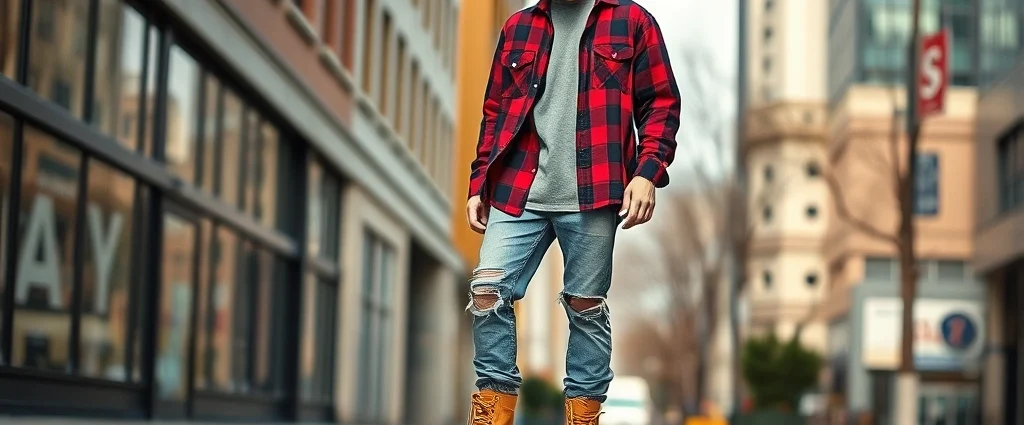
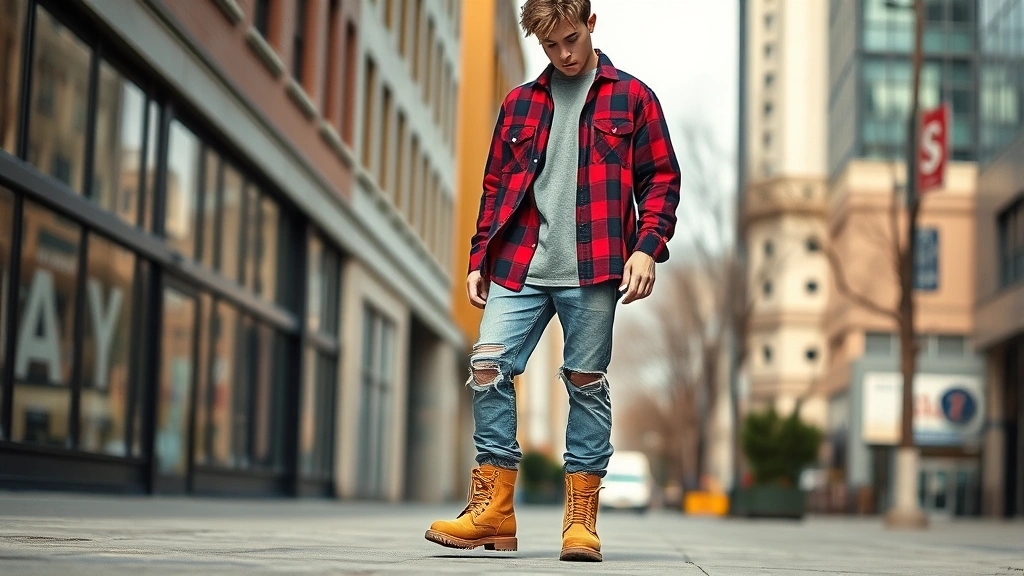
The early 1990s witnessed the explosive emergence of grunge, a movement that fundamentally challenged prevailing notions of masculine style and beauty standards. Originating from Seattle’s music scene, grunge aesthetic rejected the polished, power-suit dominated 80s in favor of deliberately disheveled, anti-fashion sensibilities. Flannel shirts, ripped jeans, and worn-out boots became symbols of authenticity and rebellion, signaling a generational shift toward casual authenticity over aspirational materialism.
Grunge’s influence on 90’s men fashion cannot be overstated. Designers like Marc Jacobs for Perry Ellis and later his own label recognized the commercial viability of this aesthetic, translating street-level authenticity into high-fashion collections. The movement democratized fashion by suggesting that expensive designer pieces were unnecessary—thrift store finds and vintage items held equal cultural currency. This shift had profound implications for how men approached personal style, encouraging individual expression over brand loyalty.
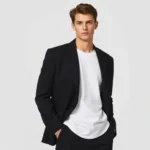
Simultaneously, minimalism emerged as the antithetical yet complementary aesthetic movement. While grunge embraced chaos and imperfection, minimalism celebrated restraint, clean lines, and functional simplicity. Designers like Calvin Klein championed this philosophy, creating understated collections featuring neutral color palettes, premium fabrics, and timeless silhouettes. The minimalist approach represented sophistication through subtraction—the belief that less truly meant more.
The coexistence of grunge and minimalism in 90’s men fashion created a fascinating dichotomy. Both movements rejected 80s excess, but through entirely different methodologies. Grunge said “I don’t care how I look,” while minimalism said “I’ve carefully considered every element.” Yet both resonated deeply with male consumers seeking alternatives to traditional masculine dress codes. This duality established the foundation for contemporary menswear’s embrace of diverse aesthetic movements.
Hip-Hop Culture and Streetwear Dominance
While grunge dominated alternative culture and high fashion, hip-hop culture was orchestrating a parallel revolution in 90’s men fashion that would ultimately prove more commercially significant and culturally enduring. Hip-hop aesthetic—characterized by oversized silhouettes, bold branding, athletic wear, and street-level authenticity—became increasingly mainstream throughout the decade. Artists like Tupac, Biggie Smalls, and Wu-Tang Clan weren’t just musicians; they were style influencers who shaped how millions of young men dressed.
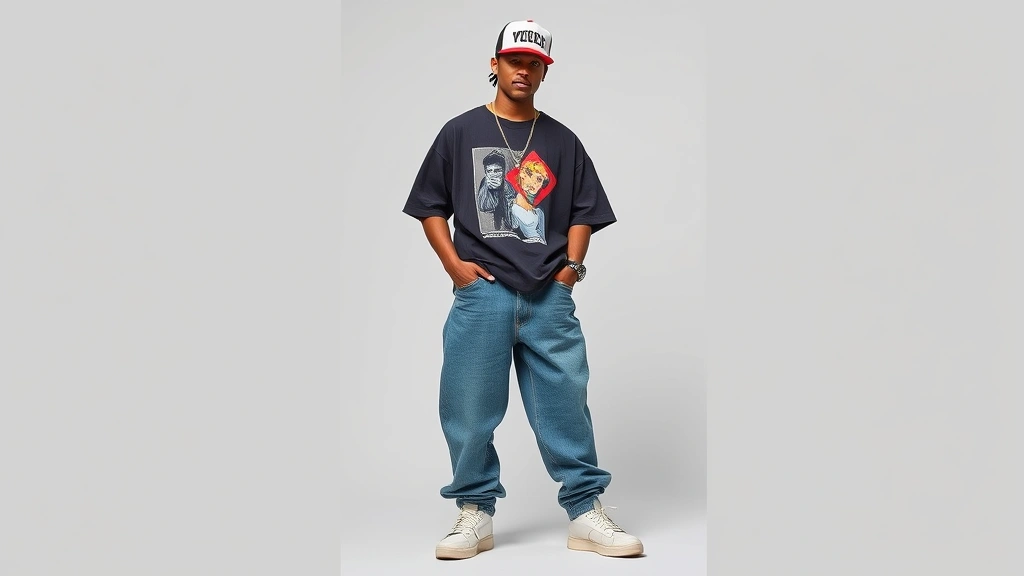
The hip-hop influence introduced several key elements to 90’s men fashion: oversized jerseys, baggy jeans, Timberland boots, and prominent brand visibility. Luxury brands that had previously been inaccessible to urban communities suddenly became status symbols within hip-hop culture. Tommy Hilfiger, FUBU, and Nautica gained unprecedented popularity, though often through unexpected cultural pathways. The Tommy Hilfiger phenomenon, for instance, exploded partly through an urban legend about the designer’s racist comments, creating ironic brand loyalty among the very communities he supposedly disdained.
Streetwear emerged as a legitimate fashion category during this period, blurring boundaries between athletic wear, casual clothing, and high fashion. This represented a seismic shift in menswear hierarchy. Previously, fashion had flowed from haute couture downward to street level. Hip-hop culture inverted this model, with street-level aesthetics becoming so influential that luxury designers began reinterpreting streetwear elements. Vogue and other fashion publications increasingly featured hip-hop artists and street style, legitimizing these trends within fashion institutions.
The relationship between hip-hop and 90’s men fashion extended beyond aesthetics to encompass values and identity. For many young men, particularly in urban communities, fashion became a form of cultural expression and economic aspiration. Wearing specific brands communicated group affiliation, economic status, and cultural awareness. This commercialization of culture created complex dynamics, as brands increasingly courted hip-hop artists and communities, sometimes authentically and sometimes opportunistically.
Minimalist Design Philosophy
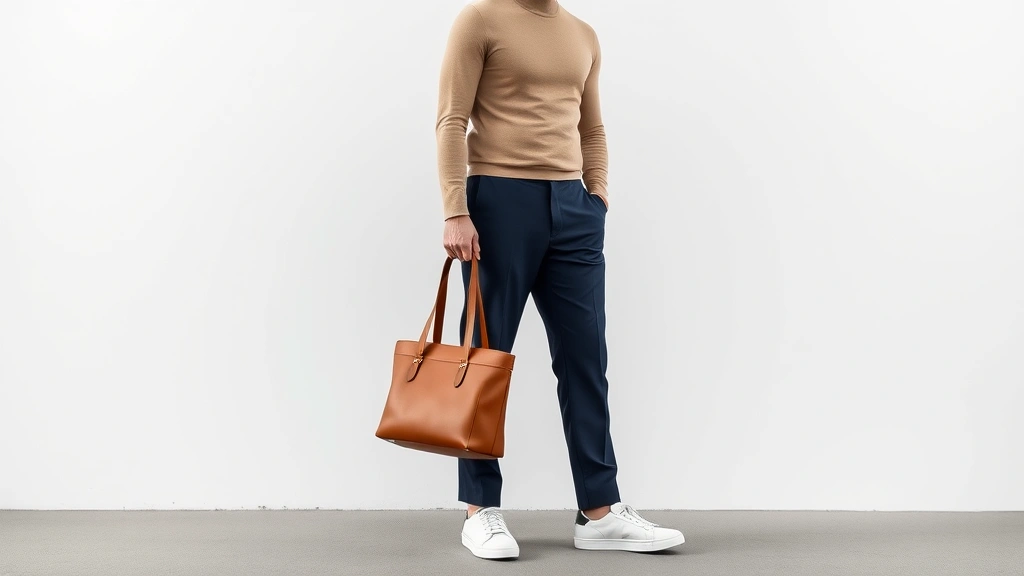
The minimalist movement in 90’s men fashion represented a conscious rebellion against the maximalism and conspicuous consumption of the 1980s. This design philosophy, rooted in Japanese aesthetics and Scandinavian functionalism, emphasized essential forms, neutral color palettes, and quality construction over quantity. Brands like Calvin Klein, Jil Sander, and Helmut Lang became synonymous with this approach, creating collections that prioritized fabric quality, fit precision, and timeless silhouettes over trend-chasing novelty.
Minimalism in 90’s men fashion wasn’t about blandness or uniformity, despite common misconceptions. Rather, it represented a sophisticated understanding that true style emerged through restraint and attention to detail. A perfectly fitted neutral shirt, premium denim, and quality leather shoes constituted a complete minimalist outfit—one that transcended seasonal trends and remained perpetually relevant. This philosophy aligned with emerging environmental consciousness and challenged the fashion industry’s wasteful tendencies.
The minimalist aesthetic influenced how men approached wardrobe building. Instead of accumulating numerous pieces, the philosophy encouraged investing in versatile, high-quality basics that could be mixed and matched across seasons. This represented a departure from both fast-fashion consumption and ostentatious brand-loyalty. Color palettes typically featured blacks, whites, grays, beiges, and navy blues—neutrals that allowed for sophisticated combinations without visual chaos. Fabric choices prioritized natural materials: cotton, linen, wool, and silk.
Minimalism’s influence extended to accessorization and detail work. Where 80s fashion celebrated visible branding and ornamental excess, minimalism suggested that quality was self-evident. Subtle designer details, refined construction, and impeccable tailoring communicated luxury without requiring logos or flashy embellishments. This approach elevated the status of basics, suggesting that a well-made plain t-shirt held more value than a poorly constructed branded piece. The philosophy resonated particularly with professional men seeking sophisticated alternatives to corporate formality.
Baggy Silhouettes and Oversized Aesthetics
Perhaps no single element better characterizes 90’s men fashion than the embrace of baggy, oversized silhouettes that dominated the decade. This represented a dramatic departure from the fitted, body-conscious styles of the 1980s and early 1990s. Oversized jeans, voluminous t-shirts, and roomy jackets became the default choice for millions of young men, particularly within hip-hop and streetwear communities, though the trend eventually permeated all fashion segments.
The shift toward baggy silhouettes carried multiple meanings depending on cultural context. Within hip-hop culture, oversized clothing communicated affluence—the ability to purchase clothes larger than necessary suggested financial comfort. In grunge contexts, baggy clothes represented anti-fashion indifference and masculine casualness. For minimalists, oversized garments in neutral tones created architectural silhouettes that prioritized form over body conformity. Regardless of context, the trend fundamentally challenged conventional masculine dressing, which had traditionally emphasized fitted, body-defining clothing.
Technical innovations in denim manufacturing enabled the baggy jean phenomenon. Brands like JNCO, Ecko, and Fubu produced jeans with dramatically enlarged leg openings, sometimes measuring 20+ inches in circumference. These weren’t simply larger versions of standard jeans; they represented entirely new silhouettes with pronounced crotch drops, high waistbands, and extensive fabric volume. The aesthetic required intentional styling—oversized jeans paired with chunky sneakers, oversized jerseys, and other proportionally exaggerated pieces created cohesive visual statements rather than appearing accidentally ill-fitting.
The baggy silhouette trend eventually influenced high fashion, with designers like Tommy Hilfiger and Ralph Lauren creating oversized collections that captured mainstream acceptance. By the mid-90s, baggy jeans and oversized clothing had transcended subcultural markers to become the dominant silhouette across demographics. This represented a significant victory for street-level fashion influence, demonstrating that youth culture could fundamentally reshape industry standards. The trend persisted through the late 90s before gradually yielding to more fitted silhouettes in the 2000s, though the legacy of oversized fashion continues influencing contemporary menswear.
Denim Innovation and Jean Culture
Denim achieved unprecedented cultural significance during the 1990s, evolving from utilitarian workwear to the fundamental building block of 90’s men fashion. The decade witnessed extraordinary innovation in jean design, construction, and styling, with denim brands achieving celebrity status and commanding premium prices. Jeans transcended their casual associations to become acceptable in virtually all social contexts, from corporate offices to formal events, fundamentally democratizing professional dress codes.
The 90s witnessed the emergence of premium denim as a luxury category. Brands like Levi’s, Lee, and Wrangler competed with designer labels such as Calvin Klein, Tommy Hilfiger, and DKNY for market dominance. The introduction of stone-washing, acid-washing, and various distressing techniques created visual variety that appealed to diverse aesthetic preferences. Vintage and deadstock denim from previous decades suddenly commanded high prices, establishing a secondary market and encouraging consumers to view jeans as investment pieces rather than disposable basics.
Fit variations proliferated throughout the decade, accommodating the diverse silhouettes that defined 90’s men fashion. Classic straight-leg cuts coexisted with slim fits and dramatically oversized baggy styles. Waistband heights varied from low-rise to high-waisted options, while inseams ranged from cropped to ankle-dragging lengths. This diversity acknowledged that different body types, aesthetic preferences, and cultural contexts required different denim solutions. The proliferation of fit options democratized denim, suggesting that everyone could find jeans that aligned with their personal style.
Denim styling became increasingly sophisticated during this period. Jeans could be cuffed, rolled, or hemmed at various lengths. They could be paired with oversized shirts, fitted tees, or layered looks. The versatility of denim meant that a single pair could be styled multiple ways, supporting the emerging emphasis on wardrobe efficiency and personal creativity. Distressed details, strategic rips, and intentional fading became design features rather than signs of wear, encouraging consumers to purchase pre-damaged jeans at premium prices.
Footwear Revolution
The 1990s witnessed a footwear revolution that fundamentally transformed men’s shoe culture and established sneakers as legitimate fashion statements rather than purely athletic equipment. This shift represented a democratization of fashion, as athletic brands suddenly competed with traditional dress shoe manufacturers for cultural relevance. Nike, Adidas, and emerging brands like Timberland and New Balance achieved unprecedented fashion prominence, with specific models becoming cultural icons and investment pieces.
Chunky sneakers dominated 90’s men fashion, particularly in the mid-to-late decade. Models like the Nike Air Max, Adidas Equipment, and Puma’s RS Computer Shoe featured exaggerated soles, bold colorways, and technical aesthetics that made them visually commanding. These weren’t subtle shoes; they demanded attention and communicated fashion-forward thinking. The chunky sneaker aesthetic aligned with oversized clothing trends, creating proportionally balanced silhouettes where exaggerated footwear complemented voluminous garments.
Timberland boots achieved legendary status within 90’s men fashion, particularly within hip-hop culture. The wheat-colored, 6-inch work boot became so culturally significant that it transcended its utilitarian origins to become a symbol of urban masculinity and street credibility. Timberlands appeared in music videos, on album covers, and in the hands of style icons, establishing the brand as essential to authentic 90s aesthetic. The boots’ durability, comfort, and distinctive appearance made them practical choices that also communicated cultural awareness.
Slip-on shoes like Vans and Adidas Gazelles offered minimalist alternatives to chunky sneakers, appealing to skate culture and those seeking simpler aesthetics. These shoes’ versatility allowed pairing with both baggy and fitted silhouettes, contributing to their widespread adoption. The decade also witnessed the emergence of Loafers and Driving shoes as acceptable casual footwear, particularly within minimalist and European-influenced fashion circles. The variety of footwear options reflected 90’s men fashion’s fundamental embrace of diverse aesthetic movements.
Accessories and Details That Defined the Decade
Accessories played crucial roles in 90’s men fashion, often determining whether an outfit appeared intentional or accidental. The decade’s approach to accessories reflected broader cultural values: minimalists favored subtle, quality pieces while hip-hop influenced fashion celebrated visible branding and distinctive items. Understanding accessory choices provides insight into the decade’s aesthetic diversity and how individual elements combined to create cohesive personal styles.
Baseball caps emerged as essential accessories, particularly within hip-hop and streetwear contexts. Whether worn forward, backward, or sideways, caps communicated cultural affiliation and fashion awareness. Sports team caps, brand-emblazoned caps, and vintage caps all held cultural currency, with specific teams and brands carrying particular significance. The baseball cap’s casual nature made it acceptable across diverse social contexts while its styling flexibility allowed creative interpretation. Beanie hats and knit caps served similar functions, particularly during winter months and within skate and grunge communities.
Sunglasses achieved iconic status in 90’s men fashion, with specific styles becoming instantly recognizable cultural markers. Oversized rectangular sunglasses, wraparound athletic styles, and vintage cat-eye shapes all circulated simultaneously, reflecting the decade’s aesthetic pluralism. Sunglasses communicated attitude—they suggested cool detachment, protection from attention, and fashion consciousness. The variety of styles meant that sunglasses could be selected to complement specific outfits or reinforce particular aesthetic identities.
Jewelry and watches became increasingly visible in 90’s men fashion, particularly within hip-hop culture. Gold chains, oversized watches, and statement rings communicated wealth and cultural confidence. This represented a significant departure from traditional masculine restraint regarding jewelry, suggesting that men could embrace ornamental elements without compromising masculinity. The trend reflected hip-hop’s celebration of material success and visual abundance, creating tension with minimalism’s philosophy of restraint and understatement.
Bags and backpacks served both functional and aesthetic purposes. Messenger bags, crossbody bags, and oversized backpacks became essential accessories, particularly within streetwear and skate cultures. Logo-emblazoned designer bags communicated brand loyalty and economic status, while vintage and thrifted options aligned with grunge aesthetics. The variety of bag styles and materials allowed for significant personal expression, with bag choices often serving as focal points in carefully curated outfits.
Brit-Pop Influence and British Fashion
While American culture—particularly hip-hop and grunge—dominated 90’s men fashion globally, British fashion movements created distinctive alternatives that attracted devoted followings and influenced high fashion. Brit-pop culture, emerging from the mid-90s music scene featuring bands like Oasis and Blur, introduced distinctly British aesthetic sensibilities that celebrated working-class style, vintage references, and rebellious attitude.
The Brit-pop aesthetic drew heavily from 1960s British Mod culture, reinterpreting vintage silhouettes and styling approaches for contemporary contexts. Fitted shirts, tailored jackets, and slim-fitting trousers replaced the oversized silhouettes dominating American fashion. Adidas trainers, particularly the Adidas Gazelle and Stan Smith, became associated with Brit-pop culture, offering alternatives to American sneaker culture. The emphasis on tailoring and fit represented a deliberate rejection of American baggy silhouettes, creating visual distinction that communicated geographic and cultural identity.
British designers like Alexander McQueen and Vivienne Westwood created provocative collections that challenged conventional masculinity while celebrating British cultural heritage. McQueen’s work, in particular, combined technical innovation with rebellious attitude, creating collections that influenced high fashion globally. The designer’s embrace of unconventional materials, exaggerated silhouettes, and challenging aesthetics demonstrated that British fashion could compete with American and European fashion centers while maintaining distinctive identity.
The Union Jack motif became iconic within Brit-pop culture, appearing on clothing, accessories, and fashion items as symbols of British nationalism and cultural pride. This represented a significant moment in fashion history, where national identity became explicitly fashionable. The trend influenced global fashion, with the Union Jack appearing in collections by American and European designers seeking to capture Brit-pop’s cultural currency. The aesthetic communicated belonging to a specific cultural movement while celebrating British heritage.
Color Palettes and Fabric Choices
The color palettes defining 90’s men fashion reflected the decade’s aesthetic diversity, with different movements favoring distinctly different chromatic approaches. Understanding color choices provides insight into how 90s fashion communicated meaning and how individuals could signal aesthetic affiliations through color selection. The variety of accepted color combinations challenged previous decades’ more conservative approaches to masculine color use.
Minimalism favored neutral palettes: blacks, whites, grays, taupes, and navy blues dominated collections from Calvin Klein and similar designers. These neutrals created sophisticated, timeless aesthetics that transcended seasonal trends. The philosophy suggested that neutral colors provided backgrounds for quality fabrics and construction details, allowing garment structure and material to communicate luxury. Neutral palettes also offered practical advantages, as pieces could be easily combined and mixed across seasons without chromatic conflicts.
Hip-hop influenced fashion celebrated bold colors and high contrast. Bright primary colors, neon hues, and saturated tones appeared in oversized clothing, creating visually commanding aesthetics. Color blocking—pairing contrasting colors in distinct sections—became popular, particularly in athletic wear and streetwear. The emphasis on visible color communicated confidence and cultural awareness, suggesting that wearer wasn’t attempting to blend in but rather to command attention through distinctive color choices.
Grunge embraced muted, earthy tones: browns, olive greens, rust oranges, and dark blues. These colors aligned with natural materials and vintage aesthetics, suggesting authenticity and anti-fashion sensibilities. The limited color palette created cohesive visual statements despite the deliberately disheveled nature of grunge styling. Plaid patterns, featuring multiple colors in geometric arrangements, became iconic within grunge culture, offering visual complexity while maintaining the movement’s aesthetic principles.
Fabric choices in 90’s men fashion reflected both practical considerations and aesthetic values. Natural fibers—cotton, linen, wool, and silk—dominated quality pieces, particularly within minimalist movements. These materials offered comfort, durability, and environmental consciousness compared to synthetic alternatives. Synthetic fabrics, however, enabled technical innovations in athletic wear and streetwear, providing moisture-wicking properties and distinctive visual effects that natural fibers couldn’t achieve. The tension between natural and synthetic materials reflected broader debates about sustainability, performance, and luxury.
Modern Revival and Contemporary Applications
The 1990s aesthetic has experienced remarkable revival in contemporary fashion, with designers and consumers increasingly drawing inspiration from this foundational decade. Understanding how 90’s men fashion elements function in modern contexts provides practical guidance for incorporating vintage aesthetics into contemporary wardrobes while maintaining current relevance. The revival reflects both nostalgic appreciation and recognition that 90s design principles remain fundamentally sound.
Contemporary menswear increasingly embraces oversized silhouettes and baggy fits that dominated 90s streetwear. However, modern interpretations often combine these elements with unexpected pieces or refined fabrics, creating more sophisticated statements than their 90s predecessors. Baggy jeans paired with fitted shirts or oversized sweaters combined with tailored trousers create balanced silhouettes that honor 90s aesthetics while reflecting contemporary design sensibilities. This hybridity demonstrates how historical references can inform modern fashion without appearing purely nostalgic.
Luxury brands consistently reference 90’s men fashion in their collections, acknowledging the decade’s cultural significance and design innovation. High-end designers create updated versions of iconic 90s pieces—premium denim, minimalist basics, and oversized outerwear—positioned as contemporary innovations rather than historical reproductions. This legitimizes the decade’s aesthetic contributions while attracting consumers seeking both novelty and historical continuity. The commercial success of 90s-inspired collections demonstrates that these trends transcend nostalgic interest to represent enduring design principles.
For practical application, contemporary men can incorporate 90’s men fashion elements through thoughtful curation rather than complete aesthetic commitment. Oversized pieces work well when balanced with fitted garments, creating visual interest without appearing accidentally ill-fitting. Neutral color palettes remain eternally relevant, offering timeless foundations for personal style development. Quality basics—well-fitting jeans, premium t-shirts, and versatile outerwear—reflect minimalist principles while providing practical wardrobe foundations. Strategic accessorization, whether through footwear, bags, or hats, allows 90s references without overwhelming entire outfits.
Explore the broader context of fashion evolution by reviewing our comprehensive guide to 90s fashion trends and understanding how this decade influenced subsequent style movements. Additionally, examining 80s fashion for men provides valuable comparison context, illustrating how dramatically fashion philosophies shifted between decades. For those seeking to develop cohesive personal aesthetics, our resource on finding your personal style offers practical guidance for identifying which 90s elements align with your aesthetic preferences and lifestyle requirements. Visit our style blog for ongoing trend analysis and styling inspiration that helps contextualize historical movements within contemporary fashion landscapes.
FAQ
What were the most iconic 90s men’s fashion brands?
Several brands achieved legendary status during the 1990s. Tommy Hilfiger became synonymous with both minimalist and hip-hop aesthetics, achieving unprecedented cultural relevance. Calvin Klein’s minimalist collections defined sophisticated restraint, while streetwear brands like FUBU and Ecko captured hip-hop cultural currency. Luxury designers including Helmut Lang and Jil Sander pioneered minimalist high fashion, while athletic brands like Nike and Adidas achieved fashion prominence beyond their original categories. British brands like Dr. Martens and Timberland developed cult followings, particularly within grunge and hip-hop communities respectively.
How can I incorporate 90s fashion into modern outfits?
Contemporary incorporation of 90s fashion requires intentional curation rather than complete aesthetic adoption. Start with foundational basics: quality denim in various fits, neutral t-shirts, and oversized button-up shirts provide versatile pieces that honor 90s aesthetics while remaining current. Layer oversized pieces with fitted garments to create balanced silhouettes. Select footwear thoughtfully—chunky sneakers work well with fitted trousers, while slip-on shoes pair naturally with baggy jeans. Incorporate accessories strategically: baseball caps, sunglasses, and quality bags add 90s references without overwhelming outfits. The key is balancing historical references with contemporary design sensibilities, creating outfits that feel intentional rather than purely nostalgic.
Why did baggy jeans dominate the 1990s?
Baggy jeans emerged from multiple cultural sources simultaneously. Within hip-hop culture, oversized clothing communicated affluence and cultural confidence. Grunge aesthetics embraced casual, deliberately unkempt silhouettes that rejected previous decades’ body-conscious fits. Technical innovations in denim manufacturing enabled dramatically exaggerated proportions that weren’t previously possible. The trend reflected broader youth culture rejection of 1980s excess and body-conscious styling, offering alternatives that prioritized comfort and individual expression. By the mid-90s, baggy jeans had transcended subcultural origins to become mainstream fashion, demonstrating how street-level trends could fundamentally reshape industry standards.
What role did minimalism play in 90s men’s fashion?
Minimalism represented a significant design philosophy that influenced high fashion, ready-to-wear collections, and individual styling approaches throughout the 1990s. The movement emphasized quality over quantity, suggesting that carefully selected neutral basics held more value than excessive accumulation. Designers like Calvin Klein and Jil Sander created collections featuring premium fabrics, refined construction, and timeless silhouettes that transcended seasonal trends. Minimalism challenged fashion industry waste, encouraging consumers to invest in versatile pieces rather than pursuing trend-chasing novelty. The philosophy influenced how men approached wardrobe building, establishing principles that remain relevant in contemporary fashion contexts.
How did hip-hop culture influence 90s men’s fashion globally?
Hip-hop culture fundamentally reshaped global menswear by legitimizing street-level aesthetics within high fashion contexts. Artists and cultural figures became style influencers whose clothing choices reached millions through music videos, album covers, and media coverage. Brands that had previously been inaccessible to urban communities suddenly achieved cultural prominence through hip-hop associations. The movement introduced oversized silhouettes, visible branding, athletic wear, and Timberland boots to mainstream fashion. Hip-hop inverted traditional fashion hierarchies where trends flowed from haute couture downward; instead, street-level aesthetics became so influential that luxury designers began reinterpreting streetwear elements. This represented a seismic cultural shift that permanently democratized fashion.
Which 90s fashion trends are making comebacks in contemporary menswear?
Several 90s trends have experienced significant contemporary revival. Oversized silhouettes, particularly baggy jeans and roomy outerwear, have returned to fashion prominence, though often styled with more contemporary balance. Minimalist aesthetics continue influencing luxury menswear, with premium basics and neutral palettes remaining eternally relevant. Chunky sneakers have resurged dramatically, with brands releasing updated versions of iconic 90s models. Vintage and thrifted fashion has achieved unprecedented cultural status, reflecting 90s grunge aesthetics’ anti-consumption philosophy. Streetwear has evolved into a legitimate luxury category, validating hip-hop culture’s influence on fashion hierarchies. The widespread 90s revival demonstrates that the decade’s design principles remain fundamentally sound and commercially viable.