

90s Black Fashion Comeback? Expert Insights Into the Resurgence of an Iconic Era
The 1990s represent one of the most transformative decades in fashion history, and at the heart of this revolution was an unmistakable aesthetic: minimalist elegance, bold statements, and the uncompromising power of black. Today, fashion enthusiasts and industry experts are witnessing a remarkable resurgence of 90s black fashion, a trend that speaks to our contemporary desire for authenticity, sustainability, and timeless style. This comeback isn’t merely nostalgic—it’s a sophisticated reinterpretation of an era that fundamentally changed how we dress and express ourselves through clothing.
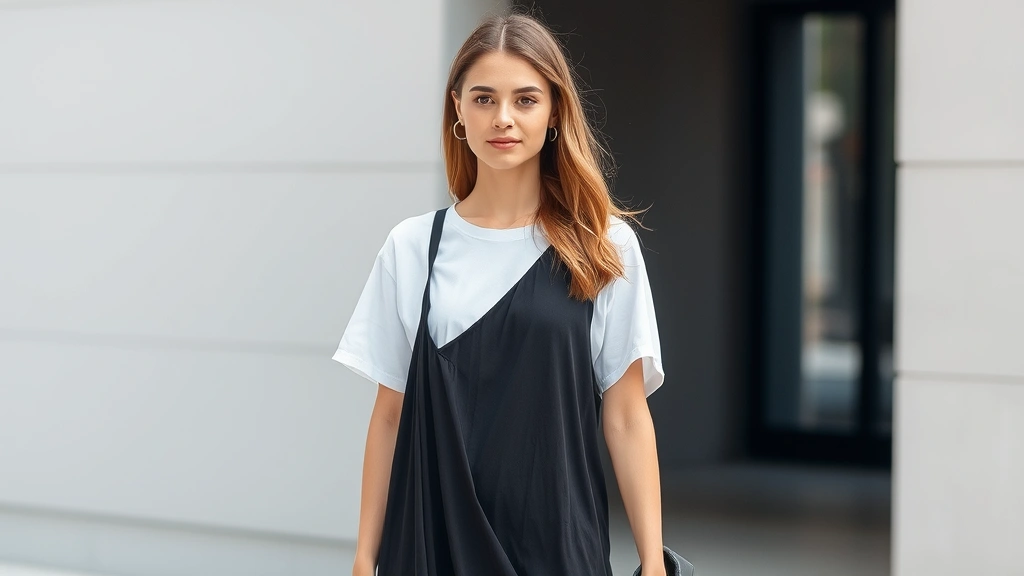
The enduring appeal of 90s black fashion lies in its versatility and emotional resonance. Whether it was the slip dress worn over a white t-shirt, oversized blazers, or minimalist black turtlenecks, the decade created a visual language that transcended trends and became the foundation for modern style. As we navigate an increasingly complex fashion landscape, many are returning to these foundational pieces, recognizing that true style never truly disappears—it simply evolves and reinvents itself for new generations.
The Original 90s Black Fashion Movement
Understanding the comeback of 90s black fashion requires examining the original movement that defined an entire generation. The 1990s emerged from the excess of the 1980s with a deliberate rejection of maximalism. 90s men fashion embraced a more understated approach, while women’s fashion pioneers like Kate Moss and Carolyn Bessette-Kennedy championed the slip dress aesthetic that became synonymous with the era. Black wasn’t just a color choice—it was a philosophical statement about simplicity, sophistication, and rebellion against consumer excess.
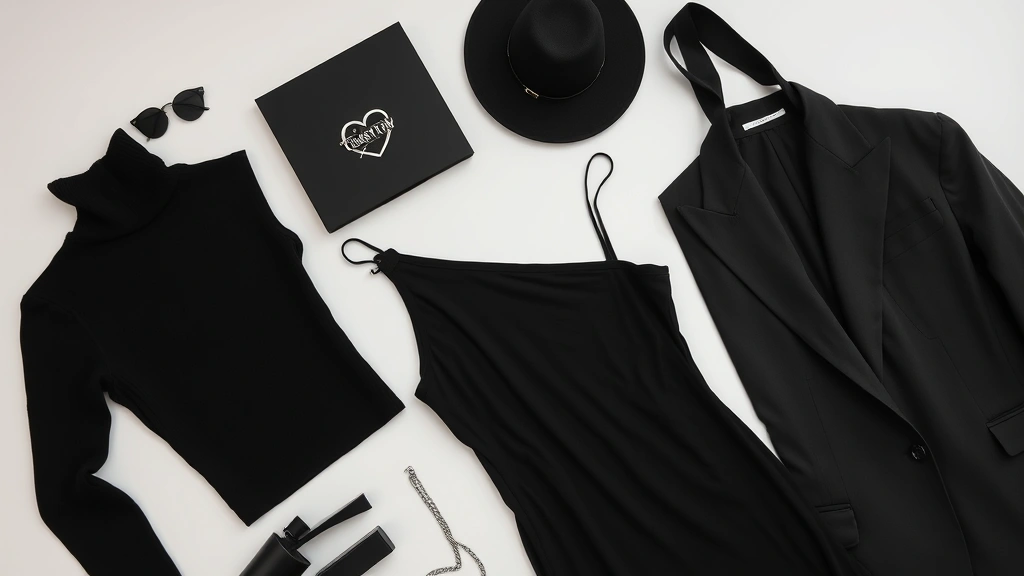
The minimalist black wardrobe of the 90s was revolutionary because it challenged the notion that fashion required constant change and conspicuous consumption. Designers like Calvin Klein, Jil Sander, and Helmut Lang built entire empires on the concept that black clothing, when cut perfectly and constructed with precision, could be both timeless and completely contemporary. This era saw the rise of the “uniform” concept in fashion, where individuals developed a signature style based on elevated basics rather than seasonal trends. The black turtleneck, straight-leg jeans, and oversized blazer became armor for creative professionals, artists, and anyone seeking to project quiet confidence.
What made this movement particularly powerful was its democratic nature. Unlike the conspicuous luxury of the 1980s, 90s black fashion could be accessed and interpreted by anyone willing to invest in quality basics. This accessibility contributed significantly to its lasting impact and explains why the aesthetic continues to resonate today. The movement wasn’t about exclusivity—it was about the universal language of style that transcends age, gender, and socioeconomic status.
Why 90s Aesthetics Are Making a Comeback
The resurgence of 90s black fashion in contemporary culture is no accident. Multiple factors converge to make this aesthetic particularly relevant in our current moment. First, there’s the cyclical nature of fashion itself, where styles typically return with renewed interest every 20-30 years. The 1990s, now sufficiently distant to feel fresh yet recent enough to carry cultural significance, have entered that sweet spot of nostalgia and relevance. The complete fashion history timeline demonstrates how this cyclical pattern has repeated throughout modern fashion.
Beyond cyclical trends, our contemporary culture is actively seeking refuge in the values that 90s black fashion represented. In an era of social media excess, fast fashion waste, and information overload, the minimalist aesthetic offers psychological relief. The 90s black wardrobe represents intentionality—each piece serves a purpose, each item earns its place in the closet. This philosophy aligns perfectly with the growing conscious consumption movement and the desire for sustainable fashion practices. People are tired of overflowing closets filled with disposable pieces; they want to return to the quality-over-quantity approach that defined the 90s.
Additionally, the rise of digital minimalism and the aesthetic of “quiet luxury” have created the perfect cultural moment for 90s black fashion’s comeback. Unlike the logos and branding that dominated recent decades, contemporary luxury has become about subtlety, craftsmanship, and the knowledge that true elegance whispers rather than shouts. The 90s perfected this approach, making it entirely natural that modern fashion is rediscovering these principles. Men’s fashion trends 2025 increasingly reflect this shift toward understated sophistication.
Key Pieces Defining the Modern Resurgence
The modern 90s black fashion comeback centers on specific pieces that have proven their staying power. These aren’t obscure vintage items—they’re fundamental wardrobe essentials that have never truly left but are now being celebrated with renewed enthusiasm and contemporary interpretation. Understanding these key pieces is essential for anyone looking to embrace this aesthetic authentically.
The Black Slip Dress: Perhaps the most iconic 90s piece, the slip dress has evolved significantly while maintaining its essential character. Modern versions appear in premium fabrics like silk charmeuse and are styled with intentionality—layered over white t-shirts, paired with oversized blazers, or worn with contemporary footwear. The slip dress represents the intersection of femininity and minimalism that defined 90s style.
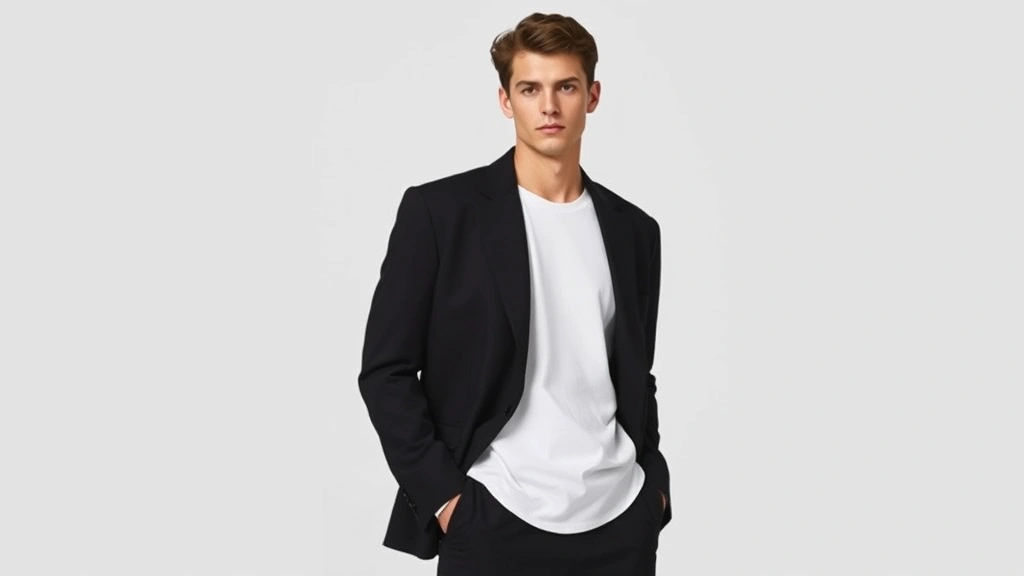
Oversized Blazers: The perfectly imperfect oversized blazer remains central to 90s black fashion revival. Contemporary versions often feature modern cuts, interesting textures, or subtle details while maintaining the essential oversized silhouette. These blazers work across gender expressions and can be dressed up or down, making them essential for a versatile modern wardrobe.
Straight-Leg and Tailored Trousers: After years of skinny jeans and athleisure dominance, straight-leg and tailored trousers in black have returned with authority. These pieces represent the opposite of trend-chasing—they’re fundamentally flattering, endlessly versatile, and completely timeless. The quality of construction has improved dramatically since the original 90s, making modern versions even more desirable.
Minimalist Turtlenecks: The black turtleneck, famously worn by Steve Jobs and countless creative professionals, has become more relevant than ever. Modern turtlenecks come in various weights and fabrics, from fine merino wool to luxurious cashmere blends, allowing for seasonal adaptation while maintaining the essential aesthetic.
Simple Black Accessories: The 90s approach to accessories—minimal, functional, and subtly elegant—defines modern interpretations. Simple leather belts, small shoulder bags, and understated jewelry complete the look without competing with the clothing itself.
Expert Perspectives on Contemporary Black Fashion
Industry experts and fashion historians have weighed in on the 90s black fashion phenomenon, offering valuable insights into what makes this resurgence significant. According to Vogue, the return to minimalism represents a fundamental shift in how consumers approach fashion consumption and identity expression. Fashion historians note that the 90s represented a rare moment when minimalism and accessibility intersected, creating a democratic aesthetic that contrasts sharply with the exclusivity often associated with high fashion.
The resurgence also reflects broader conversations about sustainability in fashion. Experts emphasize that 90s black fashion pieces, designed to be timeless rather than trend-dependent, naturally support a more sustainable approach to wardrobing. Business of Fashion has extensively covered how this aesthetic aligns with environmental consciousness and the growing movement toward circular fashion. When pieces are designed to last decades rather than seasons, their environmental impact is significantly reduced.
Trend forecasters also highlight how the 90s black fashion aesthetic provides a foundation for personal style development. Rather than dictating exactly what to wear, the minimalist approach creates a framework within which individuals can express their personality through subtle variations, quality choices, and personal combinations. This flexibility makes it particularly relevant for contemporary consumers seeking how to find your personal style without relying on trend cycles.
Several fashion institutes have noted that design schools are increasingly teaching the principles underlying 90s minimalism as foundational to fashion education. The idea that perfect proportions, quality construction, and color harmony matter more than novelty is being reemphasized as young designers enter the industry. This educational focus ensures that the 90s aesthetic will continue to influence fashion for years to come.
How to Incorporate 90s Black Fashion Today
Embracing the 90s black fashion comeback doesn’t mean recreating the 1990s exactly. Instead, it’s about understanding the principles that made that era so successful and applying them to contemporary life. Here’s how to build a modern wardrobe informed by 90s aesthetics:
- Start with Quality Basics: Invest in well-made black basics—t-shirts, turtlenecks, and simple tops in premium fabrics. These form the foundation of any 90s-inspired wardrobe and work across seasons and occasions.
- Choose Timeless Silhouettes: Prioritize pieces with classic proportions over trendy cuts. Straight-leg trousers, oversized blazers, and midi skirts have proven their longevity and will remain relevant for years.
- Embrace Monochromatic Dressing: The 90s perfected the art of wearing all black or near-black combinations. Experiment with different textures and shades to create visual interest without relying on color.
- Invest in Footwear: Simple black footwear—minimal sneakers, sleek loafers, or pointed-toe pumps—completes the aesthetic. Quality shoes elevate the entire look and last for years.
- Add Contemporary Elements: Modern accessories, contemporary jewelry, or updated haircuts prevent the look from feeling costume-like. The 90s aesthetic should feel current, not historical.
- Focus on Fit: Modern tailoring and fit standards mean that contemporary pieces will fit better than original 90s items. Ensure everything is tailored to your specific measurements.
The Sustainability Factor
One of the most compelling reasons for the 90s black fashion comeback is its inherent sustainability. The minimalist approach fundamentally contradicts the fast fashion model that has dominated recent decades. When you build a wardrobe around timeless black pieces, you’re making an environmental and economic statement.
The original 90s aesthetic was built on the premise that fewer, better pieces beat a closet full of disposable items. Modern consumers, increasingly aware of fashion’s environmental impact, are returning to this philosophy. Black clothing, in particular, offers practical advantages—it’s easier to care for, hides stains, works across seasons, and pairs with virtually everything. This practicality means pieces get worn more frequently and last longer, reducing the overall environmental footprint.
Additionally, the 90s black fashion approach supports the secondhand and vintage fashion markets. Pieces designed to be timeless rather than trendy hold their value and desirability long after purchase. This means that 90s pieces remain relevant in contemporary wardrobes and in the resale market, extending their useful life exponentially. The resurgence of 90s black fashion has directly contributed to the explosion of vintage fashion marketplaces and the normalization of buying and selling pre-owned clothing.
Celebrity Influence and Modern Interpretation
Contemporary celebrities and influencers have played a crucial role in the 90s black fashion comeback, though often without explicitly referencing the 90s. Celebrities like Hailey Bieber, Bella Hadid, and Timothée Chalamet have built signature styles around black basics and minimalist aesthetics that directly echo the 90s, but feel completely contemporary. Their influence demonstrates that the aesthetic isn’t retro—it’s timeless.
What’s particularly interesting is how modern celebrities interpret 90s principles with contemporary technology and styling. A black slip dress styled today might pair with cutting-edge sneakers, modern jewelry, or contemporary bags that wouldn’t have existed in the 1990s. This blend of 90s foundational pieces with modern accessories creates an aesthetic that feels both nostalgic and completely current.
Fashion designers have also embraced this direction. Collections from major fashion houses increasingly feature minimalist black pieces prominently, suggesting that this aesthetic has moved beyond trend into the realm of timeless style. 80s fashion for men also influences contemporary style, but the 90s black aesthetic has proven more durable and relevant to current fashion conversations.
The influence extends beyond high fashion into streetwear, where brands have built entire collections around the minimalist black aesthetic. This democratization means that the 90s look is accessible across price points and available from virtually every major retailer. Unlike many fashion trends that remain exclusive to luxury brands, the 90s black fashion comeback is genuinely universal.
FAQ
Is 90s black fashion only for certain body types?
Absolutely not. The beauty of 90s black fashion lies in its versatility. The emphasis on quality tailoring and proper fit means pieces can be adapted to any body type. Oversized pieces work for some, while others prefer more fitted silhouettes. The key is finding the right proportions for your body and ensuring proper tailoring. The minimalist approach actually helps you focus on what works for you rather than forcing trends that don’t suit your frame.
Can I mix 90s black fashion with contemporary trends?
Yes, and this is actually recommended. Blending 90s foundational pieces with contemporary accessories, footwear, and styling prevents the look from feeling dated or costume-like. A classic black slip dress pairs beautifully with modern sneakers or contemporary jewelry. The timelessness of 90s basics makes them perfect bases for more experimental modern pieces.
How do I avoid looking like I’m wearing a costume?
The key is modernization. Update your hair, makeup, and accessories to reflect contemporary aesthetics. Use modern fabrics and construction standards rather than seeking exact replicas of 90s pieces. Focus on the principles—simplicity, quality, timelessness—rather than specific items. Contemporary styling prevents the look from feeling historical.
Is the 90s black fashion comeback sustainable?
Yes, significantly. The emphasis on quality, timeless pieces that work across seasons and years means less overall consumption. Building a wardrobe around black basics reduces the need for constant new purchases. Additionally, pieces designed to be timeless hold their value in secondhand markets, extending their useful life.
Where can I find quality 90s-inspired black pieces?
Modern retailers across all price points offer minimalist black basics. From luxury brands to contemporary retailers, the 90s aesthetic is widely available. Additionally, vintage and secondhand markets offer authentic 90s pieces. When shopping, prioritize quality construction, proper fit, and timeless silhouettes over novelty or trend-chasing.
Can men wear 90s black fashion?
Absolutely. The 90s black fashion movement wasn’t gender-specific, and contemporary interpretations remain equally relevant for all gender expressions. Black turtlenecks, oversized blazers, straight-leg trousers, and minimalist accessories work beautifully in masculine, feminine, and gender-neutral styling. The principles of quality, simplicity, and timelessness transcend gender.