
80s Fashion for Men: Designer Insights
The 1980s represent one of the most transformative and audacious decades in men’s fashion history. This era witnessed an unprecedented explosion of color, texture, and boldness that fundamentally challenged traditional masculinity in style. From the power suits of Wall Street to the experimental streetwear of underground clubs, 80s fashion for men encapsulated a spirit of rebellion, optimism, and unapologetic self-expression that continues to influence contemporary designers today.
What made the 80s so revolutionary wasn’t merely the silhouettes or fabrics, but rather the cultural permission men suddenly had to experiment with their appearance. The decade broke free from the conservative constraints of the 1970s, embracing excess, neon colors, and avant-garde styling that would have been unthinkable just years earlier. This transformation was driven by music icons, film stars, and innovative designers who recognized that menswear could be just as expressive and trend-driven as womenswear.
Understanding 80s men’s fashion requires examining the designers, cultural movements, and social shifts that created this unique aesthetic landscape. Whether you’re interested in finding your personal style through retro influences or simply curious about this iconic era, this comprehensive guide explores the key elements that defined masculine style during this unforgettable decade.
Power Dressing and Corporate Culture
The 1980s witnessed the rise of power dressing, a phenomenon that transformed corporate menswear into a statement of ambition and success. This trend emerged from the booming financial markets and the cultural obsession with wealth and status that dominated the decade. Men’s suits became broader, more structured, and more deliberately imposing, reflecting the competitive nature of the era’s business culture.
Designers like Ralph Lauren and Giorgio Armani revolutionized how men approached tailoring. Armani’s influence was particularly profound—his soft-shouldered jackets, while still commanding presence, offered a more refined alternative to the aggressively padded shoulders that dominated early 80s menswear. The silhouette was intentionally exaggerated: shoulders extended well beyond the natural shoulder line, creating a nearly architectural quality to the jacket.
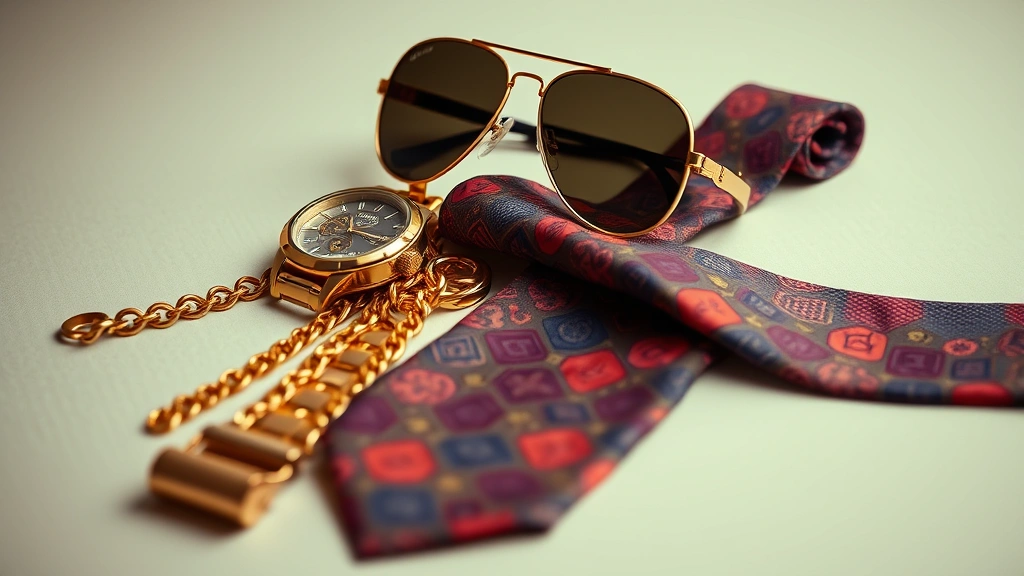
The corporate 80s man paired his power suit with distinctive accessories that communicated success and sophistication. Silk ties in bold patterns—geometric designs, abstract prints, and vibrant colors—replaced the conservative neckwear of previous decades. Suspenders (or braces, as they’re known internationally) became visible status symbols, often in bright colors or distinctive patterns that coordinated with ties. Pocket squares, sometimes in contrasting fabrics, added additional layers of intentional styling.
Understanding fashion history reveals that power dressing wasn’t merely aesthetic—it was deeply connected to economic and social movements. Men used their wardrobes as literal armor in competitive workplace environments. The investment banker or corporate executive needed to project authority, trustworthiness, and success simultaneously, and menswear became the vehicle for this communication.
Neon Rebellion and Street Style
While corporate America embraced tailored excess, the streets told a completely different story. The 80s counterculture—encompassing hip-hop, new wave, punk, and emerging electronic music scenes—rejected conformity entirely. This era saw the birth of streetwear as we know it today, with youth culture creating fashion codes that deliberately opposed establishment aesthetics.
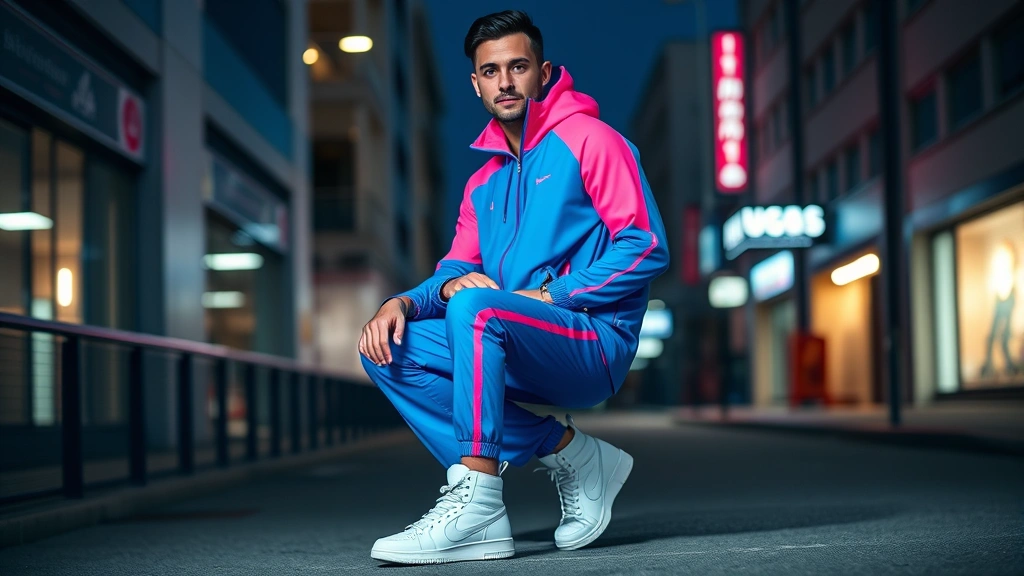
Neon colors dominated street style with an intensity that seems almost surreal in retrospect. Bright electric blues, lime greens, hot pinks, and vivid oranges appeared on everything from tracksuits to windbreakers. These weren’t subtle accents but rather bold color choices that demanded attention. The visual effect was intentionally jarring—a direct rejection of the muted earth tones and neutrals that had defined menswear for generations.
Sportswear became a fundamental component of 80s street style in ways that transcended actual athletic activity. Tracksuits, originally designed for athletic training, became everyday fashion statements. Brands like Adidas and Puma created iconic silhouettes that defined the era. The tracksuits featured distinctive color blocking, often combining two or three bold colors in geometric patterns. Matching your tracksuit required commitment to a coordinated look—shoes, socks, sometimes even hats and accessories in complementary colors.
Denim underwent significant transformations during this period. Acid-wash denim, created through bleaching techniques that produced mottled, marbled patterns, became ubiquitous. High-waisted, tapered jeans with strategic rips and tears—sometimes intentional, sometimes the result of genuine wear—dominated youth fashion. Layering was essential: wearing a fitted tank top under an oversized denim jacket, or pairing tight jeans with an oversized sweatshirt created the distinctive silhouette that defined 80s youth culture.
Iconic Designer Brands
The 1980s elevated designer menswear to unprecedented cultural prominence. Unlike previous decades where designer fashion was relatively exclusive, the 80s saw brands become status symbols worn visibly and deliberately. Logo visibility became a key component of 80s style—men wanted everyone to know what they were wearing.
Giorgio Armani dominated the decade’s menswear landscape with his revolutionary approach to tailoring. His unstructured jackets and fluid silhouettes offered an alternative to the rigid power suits that defined early 80s corporate culture. Armani understood that modern masculinity didn’t require aggressive padding and exaggeration; instead, quality fabrics and precise tailoring could communicate sophistication more effectively. His influence on contemporary menswear remains incalculable.
Versace brought unabashed luxury and sexuality to menswear in ways that challenged traditional masculine presentation. His bold prints, vibrant colors, and sensual fabrics created clothing that was unapologetically decorative and expressive. Versace didn’t design for men who wanted to blend in—his pieces were for those seeking maximum visual impact and personal expression through fashion.
Japanese designer Rei Kawakubo of Comme des Garçons introduced deconstructed menswear that questioned fundamental assumptions about how clothes should fit and function. Her oversized silhouettes, unusual proportions, and experimental fabric treatments offered an intellectual counterpoint to the mainstream 80s aesthetic. This fashion innovation demonstrated that the 80s welcomed diverse approaches to menswear design.
Ralph Lauren established an aspirational lifestyle brand that transcended clothing. His Polo line created a casual luxury aesthetic that appealed to both establishment figures and those seeking accessible designer fashion. The polo shirt, often featuring the iconic embroidered pony logo, became a status symbol that communicated taste and class consciousness.
Key Silhouettes and Cuts
The 80s introduced several distinctive silhouettes that remain visually recognizable decades later. Understanding these key shapes helps contextualize why 80s fashion for men looked so dramatically different from other eras.
The Power Suit featured exaggerated shoulder padding that extended several inches beyond the natural shoulder line. Jackets were often double-breasted, adding to the imposing silhouette. The jacket length remained relatively standard, but the overall effect was architectural and commanding. Lapels were wide, sometimes reaching three inches or more, and often notched rather than peaked.
The Oversized Sweatshirt became a staple of casual 80s style. These weren’t fitted garments but rather dramatically oversized pieces that hung loosely from the shoulders. Often featuring bold graphic prints, color blocking, or metallic accents, sweatshirts were layered over fitted t-shirts or tank tops to create visual contrast.
The Tapered Pant defined 80s trouser silhouettes. Waistbands were often quite high, and the leg tapered dramatically toward the ankle, creating a distinctive leg line. This cut worked particularly well with the oversized tops that characterized the era, creating visual balance between voluminous upper bodies and slim lower legs.
The Bomber Jacket evolved significantly during the 80s. Originally military-inspired, 80s versions featured bold colors, metallic fabrics, and oversized proportions. Nylon bomber jackets in electric colors became street style staples, often paired with matching tracksuits or contrasting outfits.
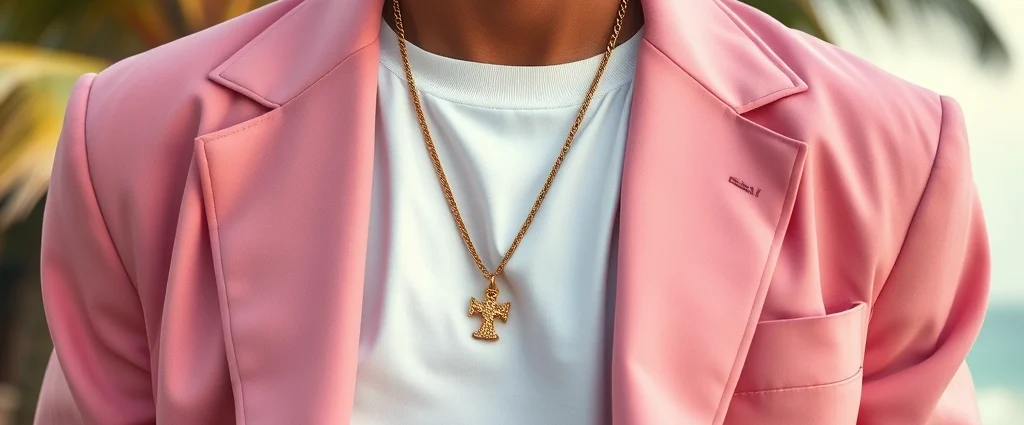
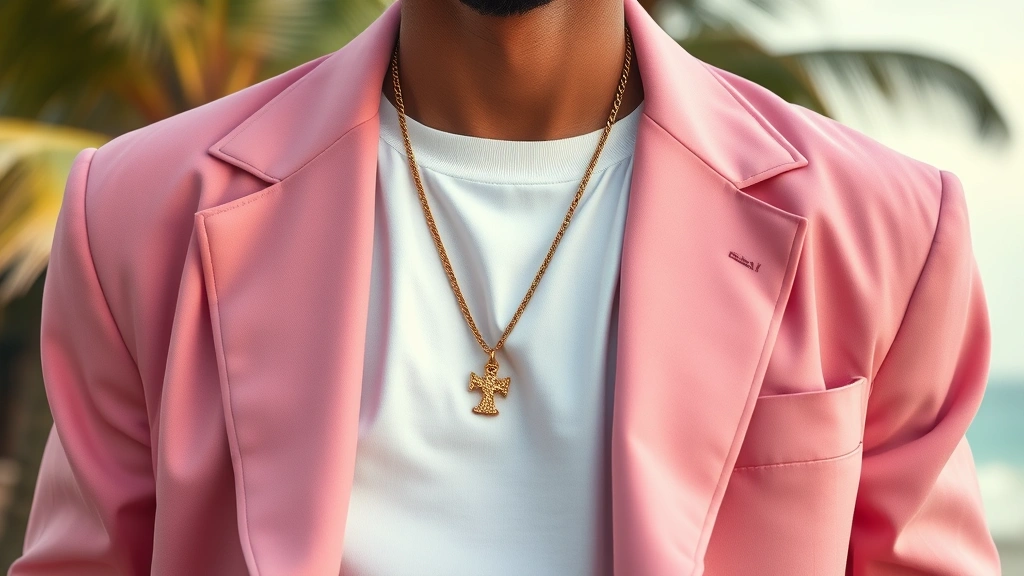
The Miami Vice Aesthetic represented a specific silhouette combination: pastel blazers (often in shades of pink, peach, or light blue) worn without shirts or with t-shirts underneath, paired with white or pastel linen trousers. This look epitomized 80s luxury casual wear and influenced how men approached dressing for warm weather.
Accessories and Statement Pieces
Accessories in 80s menswear weren’t afterthoughts but rather essential components that elevated outfits from basic to distinctive. The decade embraced maximalist accessorizing with enthusiasm.
Watches became statement pieces, with digital watches and sports watches gaining prominence alongside traditional timepieces. Casio’s G-Shock watches and similar technological designs appealed to men seeking futuristic accessories. Gold watches, often chunky and prominently displayed, communicated wealth and status.
Chains and Jewelry appeared on men’s bodies with unprecedented visibility. Gold chains, both delicate and chunky, were worn openly. Bracelets, rings, and even earrings became acceptable accessories for men, particularly in music and club cultures. This represented a dramatic shift in masculine presentation norms.
Sunglasses evolved into oversized statements. Aviators remained popular, but new styles featured larger lenses and more prominent frames. Colors ranged from traditional to neon, and reflective lenses added a futuristic quality.
Sneakers transformed from purely athletic footwear into fashion statements. High-top sneakers, often in bold colors or featuring distinctive color blocking, were worn with casual and even semi-formal outfits. Brands like Nike and Converse created iconic styles that defined the era.
Bandanas and Headwear played crucial roles in 80s street style. Worn as headbands, tied around necks, or attached to jackets, bandanas in neon colors or bold patterns added visual interest. Baseball caps, often oversized, and trucker hats also featured prominently.
Music and Cultural Icons
Music culture drove 80s menswear evolution more than any other single factor. Different musical genres created distinct aesthetic codes that influenced how men dressed.
Hip-Hop introduced sportswear as high fashion. Artists like Run-D.M.C. paired Adidas tracksuits with oversized gold chains, establishing a visual language that emphasized brand visibility and bold color choices. This influence cannot be overstated—hip-hop culture fundamentally transformed how young men approached casual dressing.
New Wave and Synth-Pop embraced androgyny and theatrical styling. Artists like David Bowie and Duran Duran wore tight, colorful clothing that challenged traditional masculine presentation. Synthesizer music’s futuristic aesthetic translated into clothing featuring metallic fabrics, geometric patterns, and unconventional color combinations.
Heavy Metal and Hair Metal pushed excess to its absolute limits. Tight leather pants, oversized band t-shirts, studded jackets, and dramatic hair styling created a deliberately provocative aesthetic. This look prioritized individual expression and shocking appearance over conventional notions of masculine presentation.
Club Culture and House Music created underground fashion codes that emphasized experimental styling and gender-bending presentation. Oversized clothing, unusual proportions, and deliberately clashing patterns represented a rejection of mainstream fashion rules.
The relationship between 70s men’s fashion and 80s evolution demonstrates how musical and cultural shifts drive fashion change. The 80s represented a dramatic departure from 70s aesthetics, largely driven by new musical genres and the youth culture surrounding them.
Modern Revival and Contemporary Influence
80s menswear influences contemporary fashion far more than most people recognize. Designers and stylists consistently mine this era for inspiration, reinterpreting key elements for modern audiences.
High-fashion runways regularly feature 80s-inspired pieces: oversized tailoring, bold color combinations, statement accessories, and retro silhouettes. Luxury brands recognize that 80s aesthetics appeal to consumers seeking distinctive, memorable fashion statements. The era’s embrace of color and individuality resonates with contemporary values around personal expression.
Streetwear culture, which emerged from 80s youth movements, remains deeply influenced by this era’s design language. Oversized silhouettes, visible branding, bold colors, and mixed-media construction techniques all trace their lineage to 80s street style. Modern sneaker culture, with its emphasis on limited releases and designer collaborations, evolved directly from 80s athletic shoe culture.
The resurgence of vintage 80s pieces in contemporary wardrobes demonstrates the enduring appeal of this era’s aesthetic. Men actively seek authentic pieces from the 1980s, valuing both their historical significance and their distinctive visual impact. This contemporary fashion interest in retro pieces reflects broader cultural nostalgia and appreciation for the era’s uncompromising approach to self-expression.
Color theory in contemporary menswear owes significant debt to 80s experimentation. The acceptance of men wearing vibrant hues, bold patterns, and visually striking combinations represents a permanent shift in masculine fashion norms that originated during the 1980s. This cultural permission to embrace color and decoration in menswear remains one of the decade’s most lasting contributions to fashion evolution.
FAQ
What defined 80s fashion for men?
80s menswear combined power dressing in corporate environments with bold, experimental street style. Key characteristics included exaggerated shoulder padding, neon colors, oversized silhouettes, visible branding, and an unprecedented embrace of color and decoration in men’s fashion. The era rejected 70s conservatism in favor of audacious self-expression.
Who were the most influential menswear designers of the 1980s?
Giorgio Armani revolutionized tailoring with unstructured jackets, Versace brought bold luxury and sexuality to menswear, Ralph Lauren created aspirational casual luxury, and Comme des Garçons introduced deconstructed experimental designs. These designers fundamentally shaped how men approached fashion during this transformative decade.
How did music culture influence 80s menswear?
Hip-hop introduced sportswear as high fashion with visible branding, new wave embraced androgyny and theatrical styling, heavy metal pushed excess and individual expression, and club culture created experimental underground fashion codes. Musical genres essentially created distinct aesthetic codes that defined how men in different subcultures dressed.
What are key pieces from 80s menswear that remain relevant today?
Power suits with architectural tailoring, oversized sweatshirts, high-waisted tapered trousers, bomber jackets, vintage sneakers, and bold jewelry continue influencing contemporary menswear. The era’s embrace of color, pattern mixing, and visible branding established design principles that remain central to modern fashion.
How can I incorporate 80s menswear into modern styling?
Update the era’s core elements: oversized tailoring through contemporary brands, bold colors through modern interpretations, statement accessories with current styling sensibilities, and mixing high and low fashion pieces. The key is understanding the underlying design principles—color boldness, oversized proportions, and uncompromising self-expression—rather than literal recreation of specific 80s pieces.
What’s the difference between 80s corporate and street style menswear?
Corporate 80s fashion emphasized tailored power suits with exaggerated shoulders, coordinated silk ties, and conservative color palettes, communicating professional authority. Street style embraced neon colors, oversized sportswear, visible branding, and experimental silhouettes that rejected establishment aesthetics. These parallel movements reflected different social environments and cultural values.

