80s Rap Fashion: Iconic Looks & Legacy
The 1980s marked a transformative moment in music and style when hip-hop burst onto the mainstream scene, bringing with it a revolutionary aesthetic that challenged conventional fashion norms. 80s rap fashion wasn’t merely about clothing—it was a powerful statement of identity, creativity, and cultural rebellion that continues to influence designers and fashion enthusiasts today. From Grandmaster Flash’s electrifying stage presence to Run-D.M.C.’s groundbreaking sneaker culture, the decade established visual codes that defined an entire generation and laid the foundation for modern streetwear.
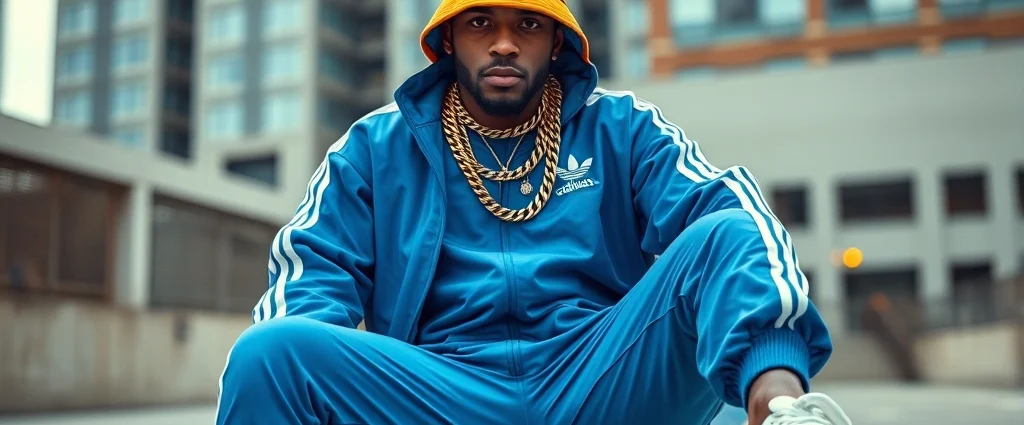
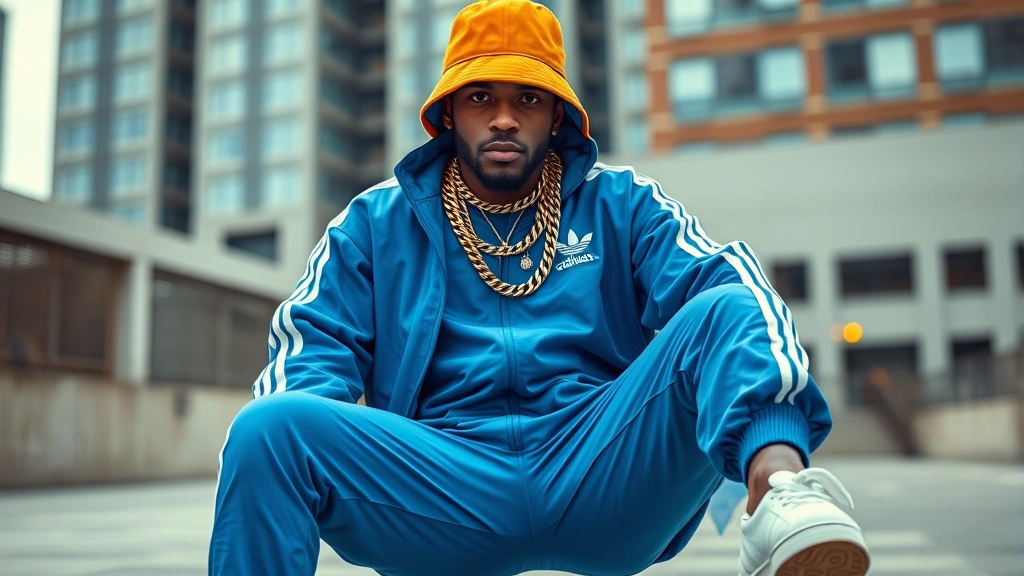
What made this era particularly significant was how rap artists transformed everyday streetwear into high-fashion statements. Tracksuits, oversized gold chains, Adidas sneakers, and bucket hats became symbols of aspiration and artistic expression. These weren’t items chosen by stylists or fashion houses—they were organic expressions of creativity emerging from the Bronx, Harlem, and other urban centers. The authenticity of 80s fashion for men in hip-hop culture resonated globally, making it one of the most enduring and reinterpretable style movements in fashion history.
The Rise of Hip-Hop Style
The emergence of hip-hop fashion in the 1980s was intrinsically connected to the music’s explosive growth from underground phenomenon to global force. Early pioneers like Grandmaster Flash and Afrika Bambaataa understood that visual presentation amplified their message. The style that developed wasn’t borrowed from high fashion runways—instead, it was constructed from the pragmatic and creative resources available in urban communities. Nylon tracksuits provided visibility on dark dance floors, oversized silhouettes offered comfort for breakdancers, and bold colors commanded attention in crowded streets.
The mid-to-late 80s saw rap fashion become increasingly sophisticated and intentional. Artists recognized that their appearance could communicate status, creativity, and cultural pride. This era directly preceded and influenced the broader 90s fashion movement, which would take these foundational elements and expand them further. The connection between music and fashion became symbiotic—album covers and music videos served as fashion editorials, reaching millions of viewers and establishing new trends overnight.
What distinguished rap fashion from other musical movements was its democratic approach. Unlike punk or new wave, which often required specific subcultural knowledge to decode, rap style was explicitly aspirational and accessible. Young people worldwide could adopt these looks using affordable materials, making the aesthetic reproducible and adaptable across different communities and economic backgrounds.
Iconic Silhouettes and Garments
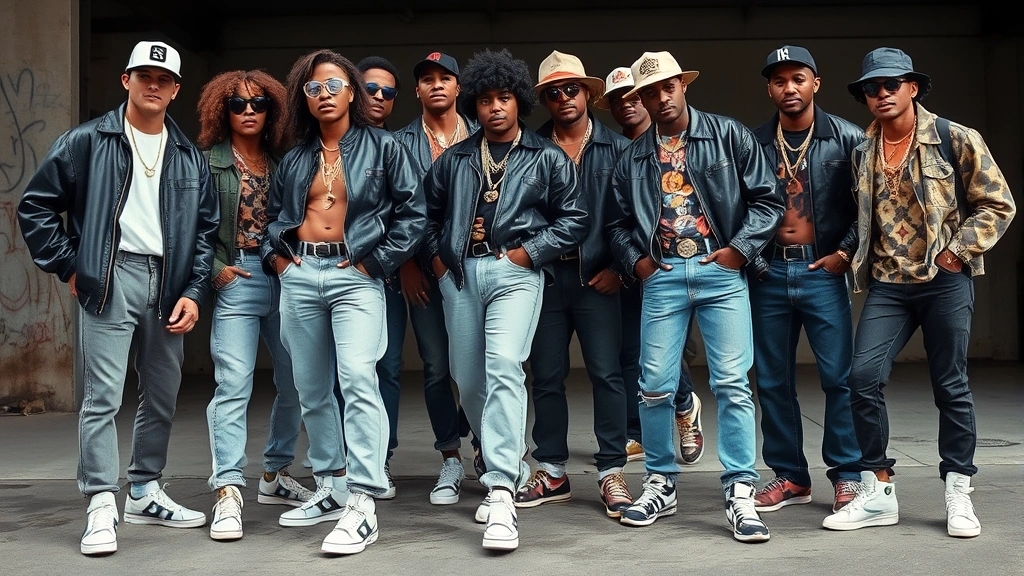
The silhouette of 80s rap fashion was deliberately oversized and voluminous, a stark contrast to the fitted aesthetics dominating mainstream fashion. Tracksuits emerged as the quintessential garment—usually in bright neon colors like electric blue, hot pink, or lime green, often with contrasting stripes. These weren’t athletic wear in the traditional sense; they were fashion statements that transformed gym clothing into stage-worthy ensembles. Brands like Adidas, Puma, and Fila became status symbols, with the three stripes or distinctive branding displayed prominently.
Oversized blazers and suit jackets formed another cornerstone of the aesthetic. Often worn several sizes too large, these garments conveyed confidence and command of space. Paired with matching trousers or sometimes jeans, they created a silhouette that was simultaneously sharp and relaxed. 70s men fashion influences appeared here, as many rappers drew inspiration from funk musicians’ tailored approach, then subverted it through exaggeration.
Denim represented another crucial element, worn in multiple iterations—acid-washed, stone-washed, or pristine dark indigo. Baggy jeans became increasingly popular as the decade progressed, offering freedom of movement and a relaxed aesthetic that contrasted with the fitted styles of previous decades. Layering was essential, with t-shirts, long-sleeve thermal tops, and sometimes tank tops worn in combination to create visual depth and textural interest.
Leather jackets, particularly in bold colors or with metallic accents, added an edge to many outfits. Sheepskin and suede variants provided luxury signaling, indicating success and elevated status. These jackets often featured oversized silhouettes and were worn with confidence and attitude, becoming iconic in music videos and concert photography.
Sneaker Culture Revolution
Run-D.M.C.’s legendary partnership with Adidas in 1986 fundamentally transformed sneaker culture and elevated athletic shoes to fashion artifact status. The group’s decision to wear Adidas Superstars with the tongue pulled out—a modification that became instantly recognizable—created one of fashion’s most significant moments. This wasn’t a traditional endorsement deal; it was a cultural phenomenon that demonstrated how rap artists could influence mainstream consumer behavior and redefine what luxury and status signified.
Sneakers became the foundation of any authentic 80s rap outfit. Adidas Superstars, New Balance 574s, and Nike Air Jordans (which launched in 1985) represented different tiers of aspiration. The white leather Adidas Superstar with its distinctive shell toe became almost uniform in hip-hop circles, worn with pride and frequently photographed. These shoes weren’t status symbols in the traditional sense—they weren’t exclusive or prohibitively expensive—but they carried cultural weight that made them more desirable than luxury footwear.
The sneaker obsession reflected broader values within hip-hop culture: accessibility, authenticity, and the ability to command respect through style rather than inherited wealth. Young people could save money, purchase genuine Adidas or Nike shoes, and instantly access the aesthetic language of their musical heroes. This democratization of style made 80s rap fashion genuinely revolutionary, as it proved that cultural influence didn’t require traditional gatekeepers or luxury price points.
Collectors and enthusiasts began treating sneakers as investments and art objects, a phenomenon that would explode in subsequent decades. The condition of shoes mattered—pristine white leather, untouched rubber soles, and original laces became markers of authenticity and respect. Sneaker culture became inseparable from hip-hop identity, establishing patterns that continue shaping fashion today.
Jewelry and Accessories
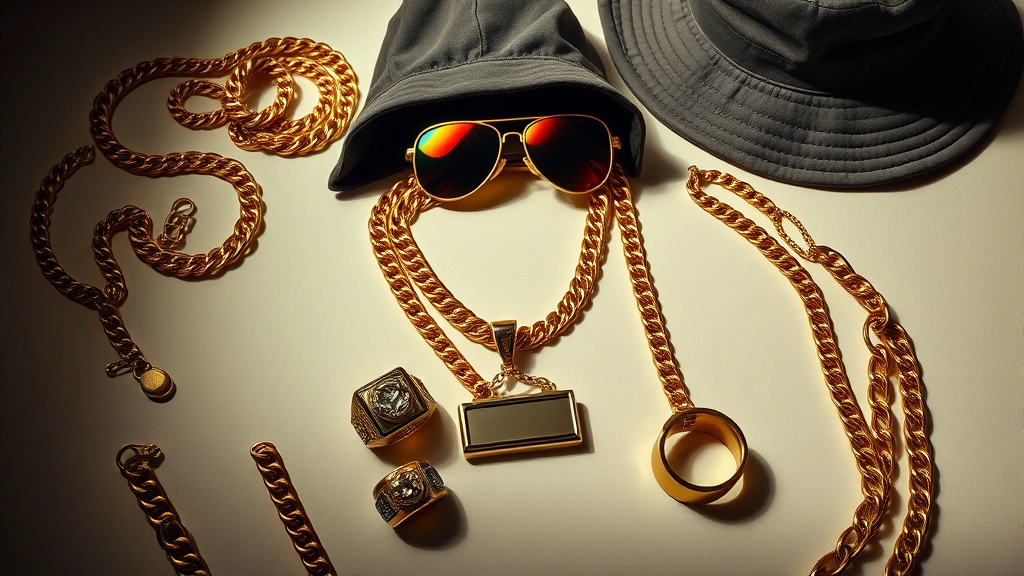
Gold chains represented the most visible and recognizable element of 80s rap fashion, embodying success, confidence, and cultural pride. These weren’t delicate or understated—they were chunky, heavy, and impossible to ignore. Thick rope chains, sometimes layered multiple at once, draped across chests in music videos and performances. The size and quantity of chains functioned as a visual language, communicating achievement and financial success in ways that transcended traditional markers of wealth.
Beyond chains, rings with oversized stones, gold bracelets, and nameplate necklaces completed the jewelry aesthetic. Many rappers wore custom pieces with their stage names or initials, personalizing their accessories and making them distinctive. These pieces often featured diamonds or cubic zirconia, with the visual impact mattering more than material authenticity. The boldness of wearing obviously flashy jewelry—regardless of actual precious metal content—represented a rejection of subtle wealth signaling in favor of celebratory abundance.
Bucket hats emerged as the accessory of choice, offering both practical sun protection and distinctive visual impact. Often in bright colors or patterned fabrics, these hats became synonymous with hip-hop style. Kangol hats provided a more structured alternative, worn at specific angles to communicate crew affiliation or personal style. Baseball caps, particularly those with embroidered logos or oversized proportions, rounded out the headwear options.
Sunglasses, often oversized and tinted in unusual colors, added mystery and attitude to any ensemble. Worn indoors and outdoors, these accessories became essential components of the complete look. Goggles and other futuristic eyewear also appeared, reflecting hip-hop’s embrace of imaginative and unconventional styling.
Belts served both functional and decorative purposes, often featuring large buckles that made bold statements. Some featured logos or custom designs, while others were simple leather or synthetic materials in contrasting colors. The belt buckle could be as visually dominant as any piece of jewelry, sometimes incorporating precious metals or elaborate designs.
Influential Rap Style Icons
Run-D.M.C. fundamentally transformed how the world perceived hip-hop fashion, bringing the aesthetic from underground communities to mainstream consciousness. Their consistent styling—black and red Adidas tracksuits, Adidas Superstars, fedoras, and gold chains—created a unified visual identity that became instantly recognizable. The group’s fashion choices were deliberate and coordinated, demonstrating that rap style could be sophisticated and carefully considered while maintaining authenticity and edge.
LL Cool J’s iconic Kangol hats and oversized leather jackets became signature elements of his visual presentation. His willingness to experiment with different silhouettes and color combinations pushed the boundaries of what 80s rap fashion could encompass. The phrase “Don’t call it a comeback” became as much about his fashion reinventions as his musical evolution, showing how style and music could develop in parallel.
Grandmaster Flash represented an earlier iteration of hip-hop style, bringing elements of funk and disco into the emerging rap aesthetic. His stage presence and willingness to wear bold colors and unconventional combinations influenced the more theatrical approaches that would follow. The evolution of hip-hop style owes significant debt to Flash’s pioneering approach.
Salt-N-Pepa revolutionized gender expression within rap fashion, proving that women could command the aesthetic with equal authority and innovation. Their bold color combinations, oversized silhouettes, and confident styling challenged assumptions about femininity and fashion. They demonstrated that 80s rap fashion wasn’t exclusively masculine, opening space for diverse expressions of identity and creativity.
Slick Rick’s elaborate jewelry, colorful clothing, and distinctive eye patch created a theatrical approach to rap fashion that emphasized individuality and artistic expression. His willingness to wear patterns, colors, and accessories that seemed to clash by conventional standards demonstrated that creativity and personal vision mattered more than traditional fashion rules.
Color Palettes and Patterns
Neon colors dominated the 80s rap fashion landscape, reflecting broader cultural aesthetics while providing maximum visibility and impact. Electric blues, hot pinks, lime greens, and bright yellows appeared in tracksuits, jackets, and accessories. These weren’t subtle color choices—they were declarative statements that commanded attention and conveyed confidence. The brightness of these colors made wearers visible in crowded spaces and memorable in photographs, practical considerations that also served aesthetic purposes.
Color blocking—combining contrasting colors in distinct sections—became a signature technique. A jacket might feature one color on the body and a dramatically different shade on the sleeves, or tracksuits might combine neon tops with contrasting bottoms. This approach created visual dynamism and made outfits more interesting and memorable. The boldness of these combinations reflected hip-hop’s rejection of conservative color coordination in favor of creative experimentation.
Patterns added another layer of visual interest. Geometric prints, stripes, and abstract designs appeared frequently. Acid-washed and stone-washed denim created unique patterns through chemical treatment, making each pair slightly different. Paisley, plaid, and other intricate patterns were sometimes mixed, creating complex visual compositions that demonstrated technical confidence and artistic vision.
Black remained a foundational color, often used to ground more colorful pieces or to create contrast. All-black ensembles conveyed sophistication and attitude, sometimes paired with a single vibrant accessory to create visual impact. The interplay between bright and neutral colors became a sophisticated design strategy that rappers intuitively understood.
Gender and Fashion Expression
While early hip-hop fashion is often remembered as masculine-dominated, women rappers and dancers made equally significant contributions to the aesthetic. Female artists approached oversized silhouettes, bold colors, and statement jewelry with distinctive perspectives that expanded what the style could represent. Salt-N-Pepa, Queen Latifah, and MC Lyte brought their own visual vocabularies, proving that the aesthetic could accommodate diverse gender expressions.
Women in hip-hop challenged traditional femininity by embracing the same oversized tracksuits and sneakers as their male counterparts, while also introducing elements like aerobics-inspired wear, bodycon silhouettes, and accessories that created distinctly feminine versions of the overall aesthetic. This demonstrated that gender didn’t determine participation in hip-hop fashion—instead, individual artists could adapt the fundamental elements to reflect their personal identities.
The oversized silhouettes that dominated the era actually provided freedom from restrictive body standards. Unlike contemporary fashion that emphasized fitted shapes, 80s rap style allowed wearers to move freely and present themselves on their own terms. This accessibility and comfort made the aesthetic genuinely inclusive, allowing people of different body types and gender expressions to participate equally.
Modern Legacy and Contemporary Influence
The influence of 80s rap fashion extends far beyond nostalgic revival—contemporary designers and brands actively reference and reinterpret these foundational elements. High-fashion houses have created collections inspired by hip-hop aesthetics, recognizing the movement’s cultural significance and lasting visual impact. Understanding personal style in contemporary contexts often requires acknowledging hip-hop’s contributions to modern fashion language.
Streetwear as a contemporary category owes its entire existence to the groundwork laid by 80s rap fashion. Brands like Supreme, Stüssy, and others that dominate current fashion emerged directly from hip-hop cultural contexts. The oversized silhouettes that characterized the era remain relevant, with contemporary designers often embracing baggy proportions and bold color combinations that would feel equally at home in 1985 or 2024.
Sneaker culture has evolved into a multibillion-dollar industry where collectors treat shoes as investment pieces and art objects. The foundation for this obsession was laid when Run-D.M.C. and their peers elevated sneakers to cultural artifacts worthy of serious attention. Contemporary sneaker releases generate the same excitement and demand that characterized the original Adidas Superstar partnership.
Gold chains and statement jewelry remain fashion staples, with contemporary artists and fashion influencers regularly referencing the maximalist jewelry approach pioneered in the 80s. The distinction between subtle and bold styling, between quiet luxury and declarative abundance, represents a fundamental choice that rap fashion made visible and desirable.
According to Vogue, hip-hop fashion represents one of the most significant cultural influences on contemporary style, with designers consistently drawing inspiration from the movement’s foundational aesthetics. The magazine regularly features retrospectives on 80s rap style, acknowledging its enduring relevance and impact.
Fashion institutions worldwide have begun recognizing hip-hop’s contributions to style history. The Metropolitan Museum of Art has featured exhibitions examining hip-hop’s cultural and aesthetic significance, legitimizing the movement as worthy of serious scholarly attention. This institutional recognition validates what practitioners have always known—that 80s rap fashion represents a genuinely revolutionary moment in style history.
Contemporary rappers and hip-hop artists continue building on the foundation established in the 80s, creating new aesthetic vocabularies while maintaining connections to foundational elements. The oversized silhouettes, bold colors, and statement accessories remain recognizable as hip-hop style, demonstrating remarkable longevity and adaptability.
The intersection of hip-hop fashion and luxury brands has created interesting dynamics in contemporary fashion. Collaborations between high-fashion houses and hip-hop artists represent a full-circle moment, where the street-level creativity that characterized the 80s is now being engaged with and amplified by traditional fashion institutions. These partnerships acknowledge that hip-hop fashion wasn’t merely a subcultural expression—it was a genuinely innovative contribution to global style.
Hypebeast and similar contemporary fashion publications built their entire editorial approach on covering hip-hop style and its evolution, demonstrating the movement’s continued relevance and cultural dominance. The language, aesthetics, and values established in the 1980s remain central to how contemporary fashion is discussed and celebrated.
FAQ
What were the most iconic brands in 80s rap fashion?
Adidas, Puma, Fila, Nike, and Tommy Hilfiger dominated 80s rap fashion. Adidas held particular significance due to Run-D.M.C.’s legendary partnership, making the Superstar sneaker and tracksuits iconic status symbols. Kangol hats and various leather jacket manufacturers also played important roles in establishing the complete aesthetic.
How did 80s rap fashion influence modern streetwear?
80s rap fashion essentially invented the contemporary streetwear category. Oversized silhouettes, sneaker obsession, bold colors, and the mixing of athletic wear with high fashion all originated in hip-hop culture. Contemporary streetwear brands directly reference and build upon the foundational elements established in this era, making the influence direct and continuous.
Why were gold chains so important in 80s rap fashion?
Gold chains represented visible success, confidence, and cultural pride. They functioned as wearable art and status symbols that communicated achievement in ways that transcended traditional luxury markers. The boldness of wearing obviously flashy jewelry represented hip-hop’s celebration of abundance and rejection of subtle wealth signaling.
Can you recreate 80s rap fashion looks today?
Absolutely. Many contemporary brands produce pieces inspired by 80s aesthetics, and vintage clothing remains accessible through thrift stores and online platforms. Key elements include oversized tracksuits, classic sneakers, gold jewelry, and bold colors. The beauty of the style is its fundamental flexibility and adaptability to personal preferences and contemporary contexts.
How did women participate in 80s rap fashion?
Women rappers and dancers made significant contributions through distinctive interpretations of core elements. Artists like Salt-N-Pepa and Queen Latifah wore oversized silhouettes and sneakers while introducing their own elements like aerobics-inspired wear and distinctive jewelry. Their participation demonstrated that the aesthetic could accommodate diverse gender expressions and personal styles.
What’s the connection between 80s rap fashion and contemporary luxury brands?
High-fashion houses now regularly reference and collaborate with hip-hop artists, acknowledging the movement’s cultural significance and lasting influence. These partnerships represent recognition that 80s rap fashion was genuinely innovative and worthy of serious attention. The street-level creativity that characterized the era continues influencing how luxury brands approach design and marketing.