
Reviving 90s Hip-Hop Fashion: Designer Insights
The 1990s represented a golden era for hip-hop culture, and nowhere was this more evident than in the revolutionary fashion statements made by artists and designers during that decade. From oversized silhouettes to bold color palettes, 90 hip hop fashion became a defining aesthetic that continues to influence contemporary style today. This era wasn’t simply about clothing—it was a cultural movement that challenged conventional fashion norms and gave voice to creative expression through streetwear innovation.
What made 90s hip-hop fashion truly transformative was its democratic approach to style. Unlike the exclusive world of high fashion, hip-hop aesthetics emerged from the streets, making it accessible and aspirational to millions worldwide. Designers and fashion houses that initially dismissed these trends eventually recognized their cultural significance and began collaborating with hip-hop artists, legitimizing streetwear as a serious fashion category. Today, as we witness a resurgence of 90s aesthetics across runways and street style, it’s essential to understand the foundational elements that made this era iconic.
The Origins of 90s Hip-Hop Fashion Culture
To fully appreciate 90 hip hop fashion, we must trace its roots back to the late 1980s and early 1990s when hip-hop transitioned from a niche cultural movement to a mainstream phenomenon. The fashion that accompanied this musical revolution was intrinsically linked to the communities where hip-hop originated—primarily in New York, Los Angeles, and other major urban centers. Unlike the polished, structured aesthetics of previous decades, hip-hop fashion embraced a more relaxed, individualistic approach that reflected the genre’s emphasis on authenticity and self-expression.
The evolution from 80s rap fashion to the 90s iteration represented a significant shift in how artists approached personal style. While the 80s featured more athletic-inspired looks and bold, neon-inflected color schemes, the 90s introduced a more refined approach to casual wear. This transition wasn’t accidental—it reflected changing attitudes within hip-hop culture itself, as the genre matured and artists gained more control over their public personas and brand identities.
Designer collaborations became increasingly important during this period. Brands like Tommy Hilfiger, FUBU, and Nautica recognized the influential power of hip-hop artists and began deliberately marketing to this demographic. This symbiotic relationship between fashion designers and hip-hop culture created a feedback loop that elevated streetwear to unprecedented cultural status. Young people worldwide looked to their favorite rappers and musicians for style inspiration, making 90 hip hop fashion a global phenomenon that transcended geographical and socioeconomic boundaries.

Key Silhouettes and Garment Innovations
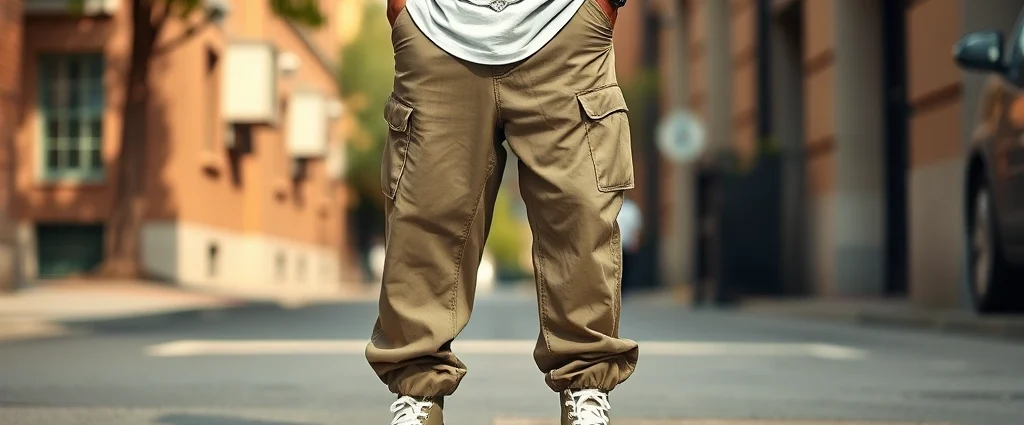
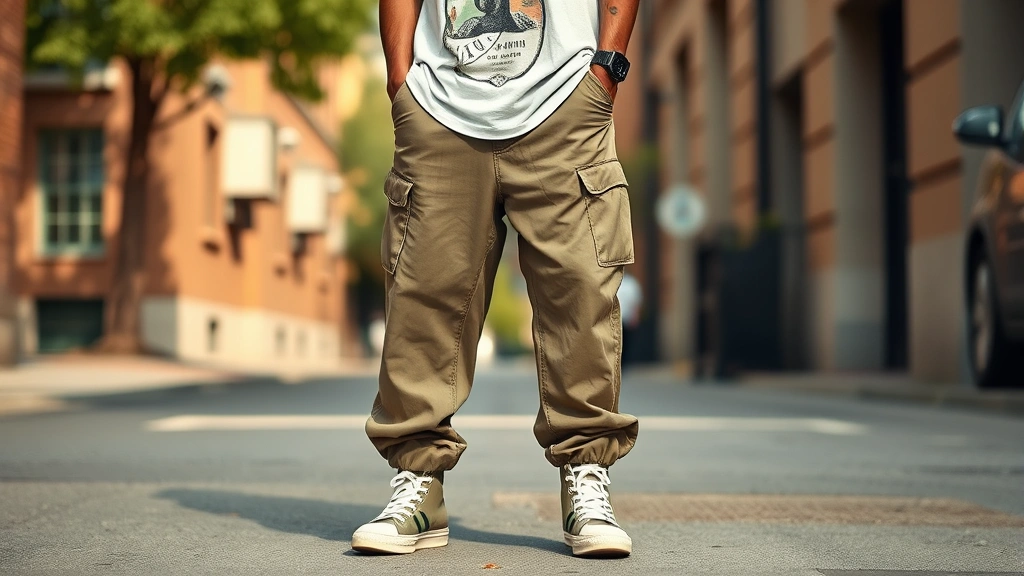
The silhouettes that defined 90 hip hop fashion were revolutionary in their departure from the fitted, body-conscious styles that had dominated previous decades. Oversized fits became the hallmark of the era, with baggy jeans, loose-fitting shirts, and relaxed jackets creating an aesthetic that prioritized comfort and visual impact over traditional tailoring. This oversized approach wasn’t merely a stylistic choice—it represented a philosophical shift toward individual expression and a rejection of fashion industry standards that had previously dictated how bodies should be dressed.
Baggy jeans emerged as the cornerstone of 90s hip-hop fashion, and their evolution deserves particular attention. These weren’t simply larger versions of standard denim; they featured specific design elements like dropped waistlines, exaggerated thigh width, and elongated inseams that created dramatic silhouettes. Brands like Guess, Tommy Hilfiger, and later, FUBU and Rocawear, specialized in producing jeans that met these exacting specifications. The way these jeans were worn—often sagging to reveal colorful boxer shorts—became a visual signature of the era, sparking countless debates about appropriateness and cultural expression.
Beyond denim, oversized jerseys and sports-inspired pieces dominated the landscape. Basketball jerseys, in particular, became canvases for personal style, with fans wearing their favorite players’ numbers as a form of fandom and fashion statement simultaneously. This trend created an interesting intersection between athletic wear and high fashion, blurring the lines between functional sports apparel and intentional style choices. The appeal of these pieces lay partly in their accessibility—sports jerseys were relatively affordable compared to designer clothing, yet they conveyed cultural capital and style awareness.
Outerwear in the 90s reflected the decade’s love of volume and statement-making. Oversized windbreakers, puffy jackets, and technical athletic wear became fashion pieces rather than purely functional garments. Brands began producing outerwear in unexpected color combinations and materials, elevating these utilitarian items to fashion status. The popularity of Starter jackets—reversible nylon jackets originally designed for sports fans—exemplifies how 90 hip hop fashion transformed everyday wear into coveted fashion items.
Color Palettes and Fabric Choices
The color palettes of 90 hip hop fashion reflected the era’s bold, confident aesthetic. While the 80s embraced neon and electric hues, the 90s introduced more sophisticated color combinations alongside bright, eye-catching options. Earth tones like khaki, olive, and brown appeared frequently, often paired with vibrant secondary colors like purple, forest green, or deep red. This combination of neutral bases with unexpected accent colors created visual interest while maintaining a certain streetwise sophistication.
Pastels also played a significant role in 90s hip-hop aesthetics, particularly in the mid-to-late 90s. Soft pinks, baby blues, and mint greens appeared in everything from oversized t-shirts to baggy pants, creating a more playful, approachable version of hip-hop style. This shift toward softer colors coincided with the rise of West Coast hip-hop, which often incorporated more relaxed, sun-soaked aesthetics compared to the harder edge of East Coast hip-hop fashion.
Fabric selection in 90 hip hop fashion emphasized durability, texture, and visual impact. Denim dominated, but so did nylon, polyester, and technical fabrics that created interesting visual effects. Corduroy appeared frequently, offering texture and a retro-inspired aesthetic that complemented the decade’s nostalgic elements. Velvet, particularly in rich jewel tones, became increasingly popular as the 90s progressed, adding a luxurious element to otherwise casual garments.
Printed graphics on t-shirts and jerseys became increasingly sophisticated. Rather than simple logos or basic text, designs often featured intricate artwork, photographic imagery, and complex color separations. Brands invested heavily in creating visually compelling graphic designs that functioned as wearable art. This emphasis on graphic design elevated the humble t-shirt to statement piece status and created opportunities for emerging artists and designers to showcase their talents on a global stage.
When exploring the broader context of 90s fashion trends, it becomes clear that hip-hop aesthetics influenced the entire fashion landscape of the decade, extending far beyond streetwear into mainstream fashion.
Iconic Brands and Designer Collaborations
The relationship between 90 hip hop fashion and corporate brands represented a significant turning point in fashion history. FUBU, an acronym for “For Us By Us,” became a symbol of Black-owned fashion entrepreneurship and cultural pride. Founded by Daymond John and his team, FUBU created clothing specifically designed for hip-hop culture, with designs that honored the aesthetic preferences and body types of the community. The brand’s success demonstrated that there was substantial market demand for fashion created by and for hip-hop culture.
Tommy Hilfiger occupied a more complex position in the 90s hip-hop fashion landscape. While the brand wasn’t initially created for the hip-hop market, it became deeply associated with the aesthetic through grassroots adoption by hip-hop artists and fans. The iconic red, white, and blue color scheme of the Tommy Hilfiger logo became instantly recognizable and highly coveted. This organic association between a traditional American brand and hip-hop culture created a fascinating case study in how market positioning can evolve through cultural forces beyond a brand’s original intentions.
Nautica, Polo Ralph Lauren, and Hilfiger variants created an interesting tier system within 90s hip-hop fashion. These brands carried different cultural meanings and price points, allowing individuals to navigate their personal style preferences and economic realities. The prestige associated with wearing authentic, high-quality brands became an important element of the culture, with counterfeiting and authentication becoming significant concerns.
Rocawear, founded by Jay-Z in 1999, represented the maturation of hip-hop fashion entrepreneurship. By the late 90s, successful hip-hop artists had accumulated sufficient capital and cultural influence to launch their own fashion lines. Rocawear combined hip-hop aesthetic sensibilities with genuine fashion expertise, creating products that appealed both to dedicated hip-hop fans and fashion enthusiasts more broadly. This trend accelerated in the 2000s and continues today, with virtually every major hip-hop artist maintaining a fashion brand or line.
The fashion blog community has extensively documented these brand relationships and their cultural significance in shaping 90 hip hop fashion narratives.
Accessories That Defined the Era
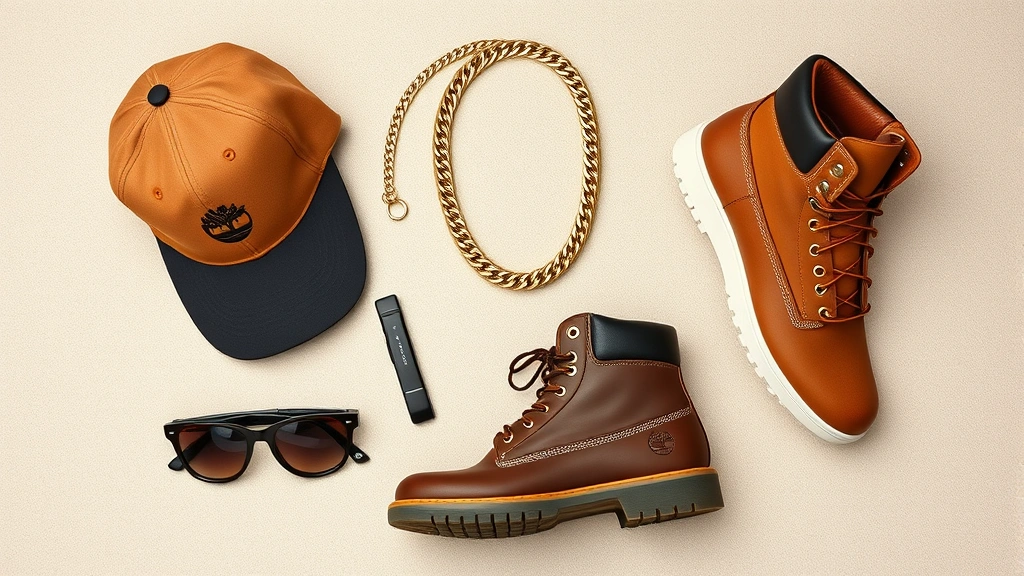
Accessories played a crucial role in completing 90s hip-hop fashion looks, often serving as the finishing touches that elevated outfits from casual to intentional style statements. Caps and hats became essential components, with brands like New Era dominating the accessory landscape. The fitted baseball cap, worn either forward or backward, became as iconic as the oversized jeans that accompanied it. Different teams and logo variations conveyed different meanings and affiliations, creating a visual language that informed and extended hip-hop culture.
Jewelry in 90 hip hop fashion became increasingly prominent and ostentatious as the decade progressed. Gold chains, large medallions, and diamond-studded pieces symbolized success and wealth, reflecting hip-hop’s celebration of material achievement. Watches, particularly luxury sports watches, became status symbols. The visual prominence of jewelry in music videos and promotional photos made these accessories aspirational for fans worldwide, driving demand for both authentic designer pieces and affordable alternatives.
Footwear deserves special attention in discussions of 90 hip hop fashion. Sneakers, particularly high-top basketball shoes from brands like Nike, Adidas, and Timberland, functioned as essential wardrobe components. The iconic Timberland boot, in particular, became synonymous with 90s hip-hop culture, especially in East Coast scenes. Limited edition releases, colorway variations, and collaborations between sneaker brands and hip-hop artists created a sneaker culture that persists and thrives today. The condition and authenticity of one’s sneakers communicated important information about taste and cultural knowledge.
Bags and backpacks completed the utilitarian aesthetic of 90 hip hop fashion. Oversized backpacks, often in nylon or canvas with multiple pockets and technical features, served both practical and aesthetic functions. Luxury brands began creating designer backpacks and messenger bags that maintained the casual silhouette while incorporating premium materials and construction.
Bandanas, worn either around the head, neck, or as pocket accessories, carried significant cultural meaning in 90s hip-hop fashion. Their colors and placement often conveyed gang affiliations or regional identity, making them loaded symbols that extended beyond simple fashion accessories. This aspect of 90 hip hop fashion demonstrates how clothing and accessories can carry deep cultural meaning beyond their purely aesthetic functions.
Modern Interpretations and Contemporary Revivals
The resurgence of 90 hip hop fashion in contemporary style represents more than simple nostalgia—it reflects a genuine recognition of the era’s aesthetic innovations and cultural significance. Modern designers and fashion houses have reexamined 90s hip-hop aesthetics, extracting elements and reinterpreting them for contemporary contexts. High fashion runway shows increasingly feature oversized silhouettes, baggy proportions, and the color palettes that defined the decade, signaling the mainstream fashion industry’s acknowledgment of hip-hop’s lasting influence.
Contemporary streetwear brands have built entire business models around 90s hip-hop aesthetic principles. Brands like Supreme, Stüssy, and countless others have leveraged the cultural capital associated with 90 hip hop fashion to create aspirational contemporary alternatives. These modern interpretations maintain the core elements—oversized fits, bold graphics, technical fabrics—while incorporating contemporary design sensibilities and production techniques.
Vintage shopping has become a primary way that contemporary fashion enthusiasts engage with authentic 90s hip-hop fashion. Thrift stores, online resale platforms, and specialized vintage retailers have become treasure troves for seekers of genuine 90s pieces. The hunt for rare band tees, deadstock sneakers, and original FUBU pieces has become a cultural phenomenon, with some items commanding premium prices based on rarity and condition. This secondary market has created economic value around pieces originally designed as casual, affordable wear.
When considering how to find your personal style, many contemporary fashion enthusiasts draw inspiration from 90 hip hop fashion as a foundational reference point.
How to Incorporate 90s Hip-Hop Style Today
Incorporating 90 hip hop fashion into contemporary wardrobes requires understanding the core principles that made the era distinctive while adapting those principles to modern contexts. The foundation of any 90s hip-hop inspired look begins with oversized proportions. Seek out baggy jeans, relaxed-fit t-shirts, and loose-fitting jackets that prioritize comfort and visual impact. Modern retailers offer contemporary interpretations of these silhouettes, making it easier than ever to build authentic-looking outfits without exclusively relying on vintage pieces.
Color coordination in 90s hip-hop fashion often involved pairing neutral bases with unexpected accent colors. A khaki or olive oversized t-shirt paired with vibrant purple baggy jeans and earth-toned sneakers captures the essence of 90 hip hop fashion. Alternatively, pastels combined with darker neutrals create a softer interpretation of the aesthetic. Experimentation within these color frameworks allows for personal expression while maintaining the distinctive visual language of the era.
Graphic t-shirts serve as excellent starting points for building 90s hip-hop inspired looks. Seek out pieces featuring bold artwork, photographic imagery, or vintage band and brand logos. Layer these under oversized jackets or shirts for added visual interest and depth. The key is ensuring that graphics are intentional and visually compelling rather than generic or poorly executed.
Footwear choices significantly impact the overall success of 90s hip-hop inspired outfits. High-top sneakers, particularly in neutral colors or bold color combinations, work exceptionally well. Timberland boots, while perhaps more seasonally appropriate, instantly evoke 90s hip-hop aesthetics. Contemporary sneaker releases from brands like Nike, Adidas, and New Balance often incorporate 90s design languages, making it possible to find modern pieces that honor the era’s aesthetic.
Accessories complete 90s hip-hop inspired looks. A fitted baseball cap, chain necklace, and small backpack or crossbody bag add finishing touches that elevate the overall aesthetic. Avoid over-accessorizing, as the 90s hip-hop aesthetic often emphasized balance between boldness and restraint.
For those interested in more comprehensive fashion guidance, exploring the complete fashion history timeline provides valuable context for understanding how 90 hip hop fashion fits within broader fashion evolution.
Understanding the historical context and cultural significance of 90 hip hop fashion allows contemporary wearers to engage authentically with the aesthetic. This isn’t merely about assembling pieces that resemble 90s looks—it’s about recognizing the cultural movement that created these styles and honoring the artists and communities who developed them. When wearing 90s hip-hop inspired fashion today, wearers participate in a living cultural tradition that continues to evolve and influence global fashion.
FAQ
What defines authentic 90s hip-hop fashion?
Authentic 90 hip hop fashion is characterized by oversized silhouettes, bold graphics, earth-tone and pastel color palettes, and an emphasis on comfortable, statement-making pieces. Brands like FUBU, Tommy Hilfiger, and Nautica dominated the landscape, and accessories like fitted caps and high-top sneakers completed looks. The aesthetic prioritized individual expression and rejected conventional fashion industry standards.
How can I find authentic vintage 90s hip-hop fashion pieces?
Vintage 90s hip-hop fashion pieces can be found through thrift stores, online resale platforms like Depop and Grailed, specialized vintage retailers, and auction sites. Authentic pieces often command premium prices, particularly rare items in excellent condition. When shopping, verify authenticity by examining tags, construction quality, and design details.
Which modern brands best capture 90s hip-hop aesthetic?
Contemporary streetwear brands like Supreme, Stüssy, and numerous others have built business models around 90s hip-hop principles. Additionally, many mainstream brands now offer oversized silhouettes and retro-inspired designs that honor the era’s aesthetic without requiring vintage shopping.
Can women wear 90s hip-hop fashion?
Absolutely. While often discussed in male-centric terms, women were integral to 90s hip-hop fashion culture. Female artists and fans created their own interpretations of the aesthetic, often combining oversized pieces with more fitted elements or incorporating unique accessory choices. Contemporary 90s hip-hop fashion styling welcomes all gender expressions and personal interpretations.
Is 90s hip-hop fashion considered outdated?
Not at all. The resurgence of 90s aesthetics across contemporary fashion indicates that these styles possess lasting cultural and aesthetic value. High fashion houses regularly reference 90s hip-hop design principles, and streetwear continues to build upon the foundational elements established during that era.
How does 90s hip-hop fashion differ from modern streetwear?
While 90s hip-hop fashion emphasized bold, intentional statement-making through oversized proportions and graphic prominence, modern streetwear often incorporates more subtle branding and refined silhouettes. However, contemporary streetwear owes enormous debt to 90s hip-hop innovations, and the two aesthetics share fundamental DNA despite their evolution.

