

2000s Mexican Street Style: Iconic Trends Analysis
The 2000s represented a transformative decade for Mexican street fashion, a period where vibrant cultural identity collided with global influences to create one of the most distinctive and recognizable style movements in fashion history. Walking through the streets of Mexico City, Guadalajara, or Monterrey during this era meant witnessing an explosion of color, attitude, and unapologetic self-expression that would eventually influence fashion capitals worldwide. This was an era where traditional Mexican aesthetics merged seamlessly with contemporary trends, creating a visual language that spoke to youth culture, regional pride, and the digital revolution that was reshaping how style was consumed and shared.
The 2000s Mexican street style phenomenon wasn’t simply about following international trends—it was about redefining them through a distinctly Mexican lens. Young people embraced baggy silhouettes, bold accessories, and graphic-heavy clothing that told stories of their neighborhoods, their music, and their aspirations. From the iconic low-rise jeans paired with oversized jerseys to the legendary chunky silver chains and religious medallions, every element served a purpose beyond mere aesthetics. This was fashion as cultural commentary, a way for Mexican youth to stake their claim in global style conversations while remaining deeply rooted in their heritage.

The Foundation: Understanding 2000s Mexican Street Culture
To truly understand 2000s Mexican street fashion, one must first grasp the cultural and social context from which it emerged. The early 2000s in Mexico were characterized by rapid urbanization, increased access to international media through cable television and early internet adoption, and a younger demographic that was increasingly connected to global pop culture while maintaining strong local traditions. This unique position created fertile ground for a distinctive style movement that borrowed from American hip-hop culture, European streetwear aesthetics, and deeply rooted Mexican traditions.
The streets became runways, and young Mexicans became style innovators who weren’t waiting for permission from established fashion houses to make statements. Fashion articles and guides from this era rarely captured the authenticity of what was happening on Mexican streets, largely because mainstream fashion media hadn’t yet recognized the cultural significance of these trends. However, the youth knew they were creating something important—a visual identity that represented their generation’s values, aspirations, and cultural pride.
The socioeconomic landscape played a crucial role in shaping these trends. With limited access to high-end designer brands, Mexican youth became masters of creative styling and mixing affordable pieces to create high-impact looks. Thrift stores, street markets, and affordable chain retailers became treasure troves where fashion-forward individuals could source pieces and remix them in unexpected ways. This necessity-driven creativity produced some of the most innovative and authentic street style the world has ever seen.

Silhouettes and Fit: The Art of Oversized Everything
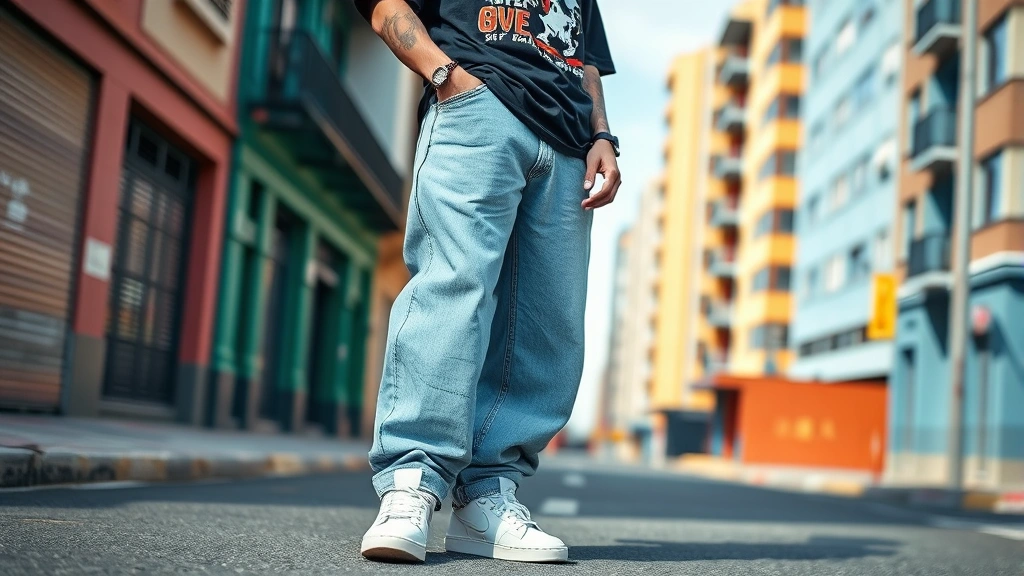
The silhouette of 2000s Mexican street fashion was unmistakably oversized, a bold rejection of the fitted trends that dominated some other fashion spheres during the same period. Baggy jeans with a fit that seemed to defy gravity were paired with equally oversized jerseys, typically basketball jerseys from NBA teams or graphic t-shirts that hung well past the hip. This wasn’t accidental—the oversized silhouette was a deliberate choice that communicated confidence, belonging to a particular cultural tribe, and a rejection of conventional fashion “rules.”
The baggy jeans phenomenon deserves particular attention because it became the foundation upon which entire outfits were built. These weren’t just any baggy jeans; they were low-rise designs that sat precariously on the hips, often paired with visible boxer shorts in bright colors or patterns. The fit was so deliberate that it became a marker of authenticity within the community. Jeans brands like Levi’s 501s and 505s were modified and customized, sometimes featuring elaborate embroidery, patches, or hand-painted designs that made each pair unique.
The oversized jersey trend extended beyond basketball wear to include oversized button-up shirts, often in loud patterns or solid colors, worn open over graphic tees. This layering technique created visual depth and allowed for multiple style statements to coexist within a single outfit. The silhouette communicated a sense of ease and confidence—the wearer wasn’t concerned with conforming to conventional proportions because they were too busy creating something entirely new. This approach to fit would later influence contemporary fashion designers who would study 2000s Mexican street style as a masterclass in silhouette innovation.
Color Palettes and Graphic Design Dominance
If oversized silhouettes were the foundation of 2000s Mexican street style, then color and graphic design were the soul. The color palettes favored by Mexican youth during this era were unapologetically bold: electric blues, hot pinks, lime greens, vibrant oranges, and deep purples dominated streetscapes. These weren’t muted, sophisticated tones—they were colors that demanded attention and refused to be ignored. Wearing these colors was a statement of presence, a way of saying “I’m here, I’m visible, and I’m proud.”
Graphic design on clothing reached new heights of creativity and cultural significance. Oversized graphic tees featured everything from religious imagery to pop culture references, from Mexican national symbols to abstract designs. Airbrushed designs were particularly popular, with intricate portraits of loved ones, religious figures, or custom artwork adorning clothing. The graphics weren’t subtle accents—they were the main event, often covering the entire front and back of garments. This emphasis on bold, prominent graphics reflected a broader cultural value of visual storytelling and personal expression.
The use of metallic fabrics and shiny materials also characterized this era’s color and design approach. Clothing in silver, gold, and holographic finishes appeared frequently, adding an almost futuristic quality to outfits. This choice seemed to reflect an optimism about the future and a willingness to embrace new technologies and trends. When paired with religious imagery or traditional Mexican symbols, these modern materials created an interesting dialogue between tradition and innovation.
Understanding how to find your personal style during this era meant embracing color fearlessly and letting graphic design become a primary mode of self-expression. The color and design choices weren’t random—they communicated affiliations, interests, and cultural pride in a visual language that transcended words.
Iconic Accessories That Defined the Era
Accessories in 2000s Mexican street fashion weren’t afterthoughts—they were essential components that elevated an outfit from simple to spectacular. Chunky silver chains were perhaps the most iconic accessory of the era, worn in multiples and in varying lengths. These weren’t delicate, refined pieces; they were bold, statement-making chains that hung prominently across the chest or around the neck. Religious medallions, often featuring Catholic imagery, were frequently attached to these chains, creating a powerful visual symbol that blended faith, culture, and style.
Beyond chains and medallions, the accessory landscape was remarkably diverse. Oversized sunglasses with dark lenses were worn regardless of whether the sun was shining—they were about attitude and mystique. Bandanas in bright colors were tied around wrists, worn as headbands, or attached to belts. Sports caps and fitted baseball caps, often featuring sports team logos, were worn with the brim forward or backward depending on the look being created. These accessories weren’t merely decorative; they were crucial elements that helped define subcultural affiliations and personal identity.
Belts became canvases for self-expression, often featuring large, prominent buckles in silver or gold. Some belts featured religious imagery, while others displayed brand logos or custom designs. The belt wasn’t just functional—it was a statement piece that drew attention to the waistline and contributed to the overall visual composition of an outfit. Wallets on chains were also popular, serving both practical and aesthetic purposes while adding metallic glint and movement to outfits.
Hand and wrist accessories completed the ensemble. Rings, often worn multiple per hand, featured everything from religious symbols to bold statement designs. Bracelets in various materials—leather, metal, beaded—were stacked and layered for maximum impact. These accessories created a sensory experience of movement and sound, with chains and bracelets contributing to the overall presence of the wearer.
Footwear Revolution and Sneaker Culture
Footwear in 2000s Mexican street fashion represented a fascinating intersection of comfort, style, and cultural significance. Sneakers were the dominant choice, but not just any sneakers—these were carefully selected, often customized pieces that anchored the entire outfit. Brands like Nike, Adidas, Puma, and Reebok were favored, with particular models becoming iconic within the community. The classic Adidas Superstar with its distinctive three stripes was particularly beloved, as were various Nike Air models.
The customization of sneakers was particularly important. Hand-painted designs, lace swaps, and creative modifications transformed mass-produced shoes into unique, personalized pieces. Some individuals would commission custom airbrush artists to create elaborate designs on their sneakers, turning them into wearable art. This practice reflected the broader DIY ethos of the era, where young people refused to accept products as they came from manufacturers and instead transformed them into something entirely personal.
White sneakers, in particular, held special significance. Whether classic leather Adidas or Nike Air Force Ones, white sneakers provided a clean canvas that contrasted with the boldness of everything else in the outfit. They represented cleanliness, freshness, and attention to detail—even while the overall aesthetic was deliberately oversized and bold. The maintenance of pristine white sneakers became a point of pride, a way of showing that despite the casual, baggy nature of the clothing, there was intentionality and care in the overall presentation.
Certain sneaker models became so iconic that they transcended their original purpose as athletic footwear. They became symbols of cultural belonging and taste-making. Owning the right sneakers in the right condition meant you understood the codes of 2000s Mexican street style. This sneaker culture would later influence global streetwear movements and would be studied by fashion historians as a crucial moment when athletic footwear became fashion’s most important category.
Hairstyles and Personal Grooming
Hair and grooming were integral to completing the 2000s Mexican street style aesthetic. The popular hairstyles reflected both American hip-hop influences and distinctly Mexican preferences. Short, closely cropped haircuts were extremely popular, often featuring designs shaved into the sides or back—geometric patterns, lines, or symbols that demonstrated the wearer’s relationship with their barber and their commitment to style. These weren’t accidents of hair growth; they were deliberate artistic choices.
For those wearing longer hair, styles ranged from shoulder-length cuts to longer locks, often adorned with accessories. Colored hair was not uncommon, with some individuals sporting bleached blonde sections or entirely blonde hair as a striking visual statement. Hair gel and styling products were essential components of the morning routine, helping to achieve the perfect level of volume and shine.
Facial hair grooming was equally important. Well-maintained goatees, mustaches, and carefully groomed beards were popular among young men, often paired with specific haircut styles. The grooming wasn’t casual—it represented dedication to personal presentation and adherence to community standards of style. Eyebrows were often carefully shaped and maintained, contributing to the overall polished yet casual aesthetic.
The relationship between hair, grooming, and overall style revealed something important about 2000s Mexican street fashion: despite the oversized silhouettes and bold graphics, there was significant attention to detail and personal care. The style wasn’t about looking unkempt or rebellious in a careless way—it was about being intentional, thoughtful, and committed to creating a cohesive visual identity.
Regional Variations Across Mexico
While 2000s Mexican street fashion shared common elements across the country, significant regional variations existed that reflected local cultures, economies, and influences. Mexico City, as the nation’s capital and cultural epicenter, was a trendsetting hub where the most experimental and avant-garde versions of the style emerged. The city’s larger population, greater access to international influences, and concentration of young, fashion-forward individuals meant that Mexico City often set the trends that would later spread to other regions.
Guadalajara, meanwhile, maintained particularly strong connections to traditional Mexican culture while embracing contemporary street style. The blending of regional dress elements with 2000s trends created a unique aesthetic that honored heritage while remaining contemporary. The style in Guadalajara often featured more prominent use of traditional Mexican colors and symbols, creating a distinctive regional flavor.
Northern border cities like Monterrey and Tijuana showed heavier influences from American hip-hop and contemporary American street culture, given their proximity to the United States. The style in these cities sometimes leaned more heavily toward the American aesthetic while still maintaining distinctly Mexican elements. The access to American brands and cultural products was greater in these regions, influencing the specific brands and styles that became popular.
Smaller towns and rural areas often had their own interpretations of the style, adapting trends based on local availability and cultural preferences. This created a rich tapestry of regional variations that all contributed to the broader 2000s Mexican street style movement while maintaining local distinctiveness. Understanding these regional differences provides a more complete picture of how diverse and nuanced this style movement truly was.
The Influence of Music and Entertainment
The relationship between music and 2000s Mexican street fashion cannot be overstated. Hip-hop culture, primarily American but increasingly embraced by Mexican youth, was a dominant influence on how people dressed, spoke, and presented themselves. Wearing clothing associated with favorite rappers and hip-hop artists became a way of expressing musical affiliation and cultural identity. The oversized silhouettes, the emphasis on visible branding, and the bold color choices all drew inspiration from hip-hop aesthetics.
However, Mexican regional music genres also played crucial roles in shaping street style. Banda music, norteño, and regional Mexican styles influenced how some communities approached fashion, creating interesting blends of different cultural influences. Some individuals would dress in ways that paid homage to their favorite regional artists, incorporating elements of traditional Mexican dress with contemporary street style.
Regional Mexican cinema and telenovelas also influenced fashion choices, with young people emulating the styles of their favorite actors and characters. The visual language of these entertainment mediums—which often featured bold colors, dramatic styling, and attention-grabbing fashion choices—resonated with the broader aesthetic principles of 2000s Mexican street style.
The emergence of Mexican hip-hop artists and homegrown music scenes meant that there was increasingly authentic, locally-produced music that spoke to young people’s experiences and aspirations. As these artists gained popularity, their fashion choices became models for their fans to emulate. This created a feedback loop where music and fashion influenced each other, with each medium reinforcing and evolving the other.
Modern Revival and Contemporary Relevance
The 2000s Mexican street style has experienced a significant revival in recent years, with contemporary fashion designers and young people recognizing the movement’s cultural significance and aesthetic merit. What was once dismissed by mainstream fashion as unsophisticated or overly bold is now celebrated as innovative, authentic, and culturally important. This recognition represents a broader shift in how fashion institutions value street style and youth culture.
Contemporary fashion brands have begun explicitly referencing 2000s Mexican street style in their collections, with oversized silhouettes, bold graphics, and chunky chain accessories appearing on runways and in high-end collections. This mainstreaming of the aesthetic represents both appreciation and appropriation—a complex relationship where the original creators of these styles are sometimes recognized and sometimes overlooked.
Young people today are rediscovering and reinterpreting 2000s Mexican street style, creating new versions that blend nostalgic elements with contemporary sensibilities. Thrift stores and vintage shops have become treasure troves for pieces from the era, with certain items becoming highly sought-after and valuable. This renewed interest has created a space where the original aesthetic can be appreciated, studied, and evolved.
Understanding fashion history from ancient to modern times makes clear that 2000s Mexican street style deserves recognition as a significant movement. It represents a moment when young people from a specific cultural context created something that eventually influenced global fashion. The movement demonstrated that authentic style doesn’t require access to luxury brands or formal fashion education—it requires creativity, cultural pride, and willingness to take risks.
The modern revival also reflects broader conversations about cultural appropriation and credit. As mainstream fashion embraces elements of 2000s Mexican street style, there’s increasing recognition of the need to acknowledge the originators and to understand the cultural context from which these trends emerged. This more thoughtful approach to fashion history helps ensure that credit and respect are given where they’re due.
Looking at men’s fashion trends in 2025, we can see clear echoes of 2000s Mexican street style influences—oversized silhouettes, bold graphics, and attention to accessories remain relevant. The cycle of fashion means that trends from the past continually resurface and influence the future, and 2000s Mexican street style will undoubtedly continue to inspire designers and fashion enthusiasts for decades to come.
The legacy of 2000s Mexican street fashion extends beyond clothing and accessories. It represents a moment in cultural history when young people from a particular background took control of their visual identity and created something entirely authentic and innovative. This lesson—that true style comes from understanding yourself and your culture, not from blindly following established rules—remains relevant and inspiring for anyone interested in fashion and self-expression.
FAQ
What were the most iconic brands in 2000s Mexican street fashion?
Nike, Adidas, Levi’s, and Reebok were among the most popular brands. However, what made the style distinctive wasn’t necessarily the brand names themselves, but how young people customized, mixed, and styled these pieces. Affordable brands and thrift store finds were equally important in creating the overall aesthetic.
How did 2000s Mexican street style influence global fashion?
The movement demonstrated the power of authentic, grassroots style creation. Contemporary designers have drawn inspiration from the oversized silhouettes, bold graphics, and accessory emphasis that defined the era. The revival of the aesthetic in recent years shows its lasting cultural impact and relevance.
Are 2000s Mexican street style trends coming back?
Yes, there’s a significant contemporary revival of 2000s Mexican street style. Young people are thrifting pieces from the era, and high-fashion brands are incorporating elements like oversized silhouettes and chunky chains into their collections. The aesthetic is being reinterpreted and evolved for contemporary contexts.
What’s the difference between 2000s Mexican street style and American hip-hop fashion?
While both movements share some visual elements like oversized silhouettes and bold graphics, 2000s Mexican street style is distinctly its own aesthetic. It incorporates Mexican cultural elements, regional variations, and a particular approach to color and graphic design that sets it apart from American hip-hop fashion, though both genres clearly influenced each other.
How can I incorporate 2000s Mexican street style into my modern wardrobe?
Consider exploring developing your fashion sense by incorporating key elements: oversized silhouettes, bold graphics, chunky chain accessories, and vibrant colors. Thrift stores are excellent sources for authentic pieces from the era, and contemporary brands are also creating new pieces inspired by the aesthetic.

