
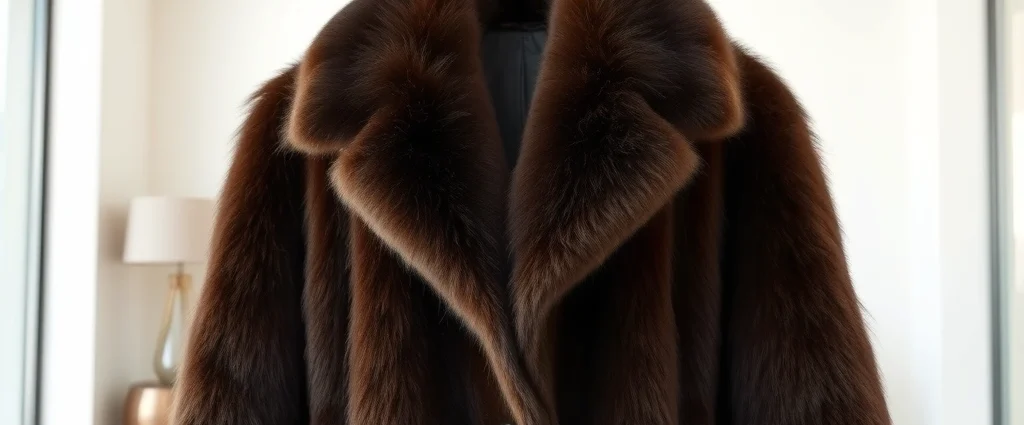
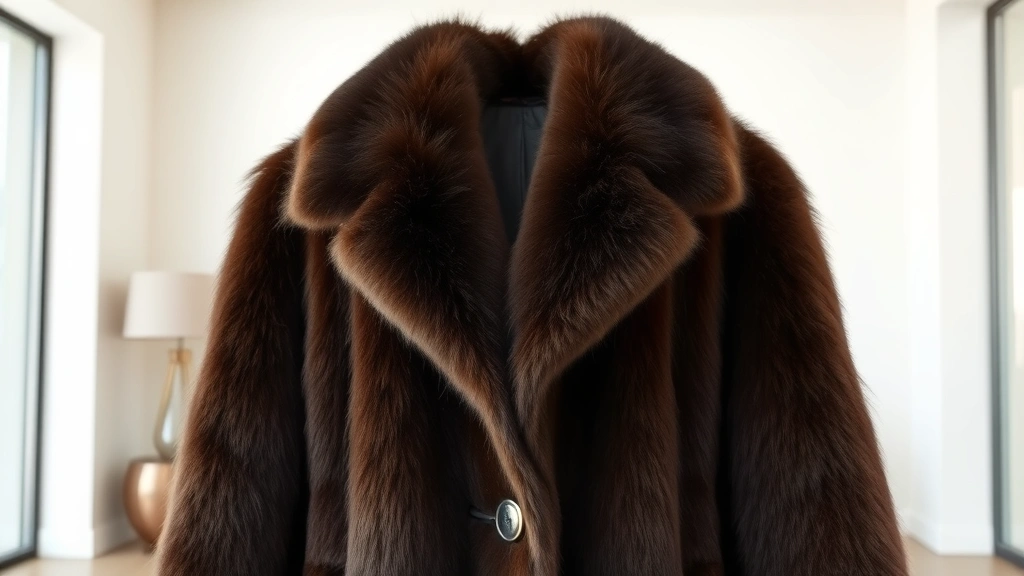
2000s Fur Fashion Comeback? Designer Insights and Modern Perspectives
The 2000s fur fashion era represents one of the most controversial yet undeniably glamorous periods in style history. From red carpet moments to street style statements, fur dominated the early 2000s aesthetic with unapologetic luxury and boldness. Today, as fashion cycles through its perpetual revival mechanism, designers and industry experts are revisiting this era with fresh perspectives, ethical considerations, and innovative approaches that challenge our understanding of luxury materials and sustainability.
The resurgence of 2000s fur fashion isn’t simply a nostalgic callback—it’s a nuanced conversation about craftsmanship, innovation, and the evolving relationship between fashion and ethics. Leading designers are reexamining fur’s role in contemporary wardrobes while exploring alternatives and responsible sourcing that reflect modern values. This exploration reveals how the fashion industry continues to evolve, balancing heritage aesthetics with progressive responsibility.
The Golden Era of 2000s Fur Fashion
The 2000s represented an unrestrained celebration of luxury maximalism where fur coats, stoles, and accessories became status symbols and style staples. This decade saw celebrities and fashion-forward individuals embracing oversized fur coats, fur-trimmed everything, and statement-making animal print pieces with unprecedented enthusiasm. The era’s aesthetic rejected minimalism in favor of opulence, texture, and visible wealth expression through fashion.
During this period, fur wasn’t relegated to winter necessity—it became a year-round fashion statement. Designers created fur bikinis, fur-lined sneakers, and fur handbags that pushed boundaries and challenged conventional fashion rules. The boldness of 2000s fur fashion reflected broader cultural attitudes about consumption, luxury, and self-expression that defined the pre-financial crisis era.
Understanding this fashion history timeline helps contextualize why fur became so dominant during this specific moment. The 2000s existed in a unique cultural space where conspicuous consumption was celebrated rather than questioned, and fashion served as a primary vehicle for status communication.
Why Fur Dominated Early 2000s Style
Several interconnected factors contributed to fur’s overwhelming presence in 2000s fashion. The rise of celebrity culture and reality television created insatiable demand for visible luxury markers. Celebrities like Paris Hilton, Jennifer Lopez, and Christina Aguilera frequently appeared in fur pieces, influencing millions of followers who aspired to replicate their glamorous aesthetics.
The economic boom of the early 2000s meant more consumers possessed disposable income for luxury purchases. Fur represented the ultimate luxury material—expensive, exclusive, and instantly recognizable as a status symbol. Fashion houses capitalized on this demand by incorporating fur into increasingly creative and unexpected pieces.
Additionally, technological advances in fur production and dyeing made fur more accessible and versatile than ever before. Designers could create vibrant colored furs, innovative textures, and hybrid pieces combining fur with other materials. This accessibility democratized fur fashion, making it available beyond ultra-wealthy consumers to the broader luxury market.
The 1980s men’s fashion influence also carried forward, as that decade’s maximalist approach to luxury continued shaping early 2000s aesthetics. Fur represented continuity with previous decades’ celebration of excess and conspicuous consumption.
Designer Perspectives on Modern Fur Revival
Contemporary fashion designers present nuanced perspectives on fur’s potential return. Leading designers from prestigious houses discuss how fur craftsmanship represents unmatched technical expertise and heritage that newer materials struggle to replicate. The skill required to source, treat, dye, and construct fur garments involves generations of accumulated knowledge that defines luxury fashion production.
Vogue has documented how several prominent designers are reconsidering fur through sustainability and responsibility lenses rather than pure nostalgia. These designers argue that ethically-sourced, vintage, and responsibly-produced fur pieces deserve consideration alongside innovative alternatives. The conversation has shifted from whether fur should exist in fashion to how it can exist responsibly.
Many contemporary designers emphasize that finding your personal style shouldn’t require abandoning values or ethics. Modern luxury fashion encourages consumers to make intentional choices aligned with their beliefs, whether that means embracing vintage fur pieces, investing in alternatives, or avoiding fur entirely.
Design houses like Stella McCartney have pioneered fur-free luxury, proving that exclusivity and desirability don’t require animal materials. Simultaneously, other designers argue that responsibly-sourced fur remains a legitimate material choice. This diversity of perspectives reflects fashion’s broader evolution toward pluralism and individual choice.
Ethical Considerations and Industry Shift
The fashion industry’s relationship with fur has fundamentally transformed since the 2000s. Animal welfare concerns, environmental impact studies, and evolving consumer values have created substantial pressure on fur production. Many countries have banned or severely restricted fur farming, forcing the industry to reconsider its practices and future viability.
European markets have largely moved away from fur production and consumption, with countries like Denmark phasing out mink farming entirely. This shift reflects changing consumer consciousness about animal welfare and environmental sustainability. The 2000s era’s unquestioned acceptance of fur production has given way to rigorous examination of farming practices, ecological impact, and ethical alternatives.
Contemporary designers acknowledge these concerns while maintaining diverse positions. Some argue that vintage fur pieces represent sustainable choices since the environmental impact already occurred decades ago, making wearing vintage fur more responsible than purchasing new synthetic alternatives requiring petroleum production. Others maintain that supporting any fur industry perpetuates problematic practices regardless of sourcing narratives.
This ethical complexity distinguishes modern fur fashion discussions from 2000s conversations. Today’s designers and consumers engage with fur through frameworks of responsibility, sustainability, and conscious consumption that were largely absent during the earlier era’s maximalist celebration of luxury.
Alternative Materials Reshaping Luxury
Innovation in synthetic and plant-based materials has fundamentally altered luxury fashion’s material landscape. Advanced faux furs now replicate real fur’s visual appearance, texture, and thermal properties while eliminating animal welfare concerns and reducing environmental impact. These alternatives have evolved from obviously artificial predecessors into genuinely luxurious materials that discerning consumers find compelling.
Lab-grown and cultivated materials represent the frontier of luxury innovation. Scientists and designers collaborate to create sophisticated alternatives that challenge conventional definitions of luxury. These materials often involve cutting-edge technology, sustainability credentials, and unique properties that real fur cannot match, redefining what luxury means in contemporary fashion.
Plant-based alternatives like mushroom leather, lab-grown silk, and innovative cellulose materials offer fashion designers unprecedented creative possibilities. These materials often perform better environmentally than traditional fur while enabling entirely new aesthetic directions. The rapid advancement of alternative materials technology suggests that future luxury fashion will likely feature materials that didn’t exist five years ago.
For fashion enthusiasts interested in exploring these innovations, understanding fashion design degree programs reveals how emerging designers are trained in these cutting-edge materials and sustainable production methods. The next generation of fashion professionals enters the industry with fundamentally different material philosophies than designers working during the 2000s.
Styling 2000s Fur Pieces Today
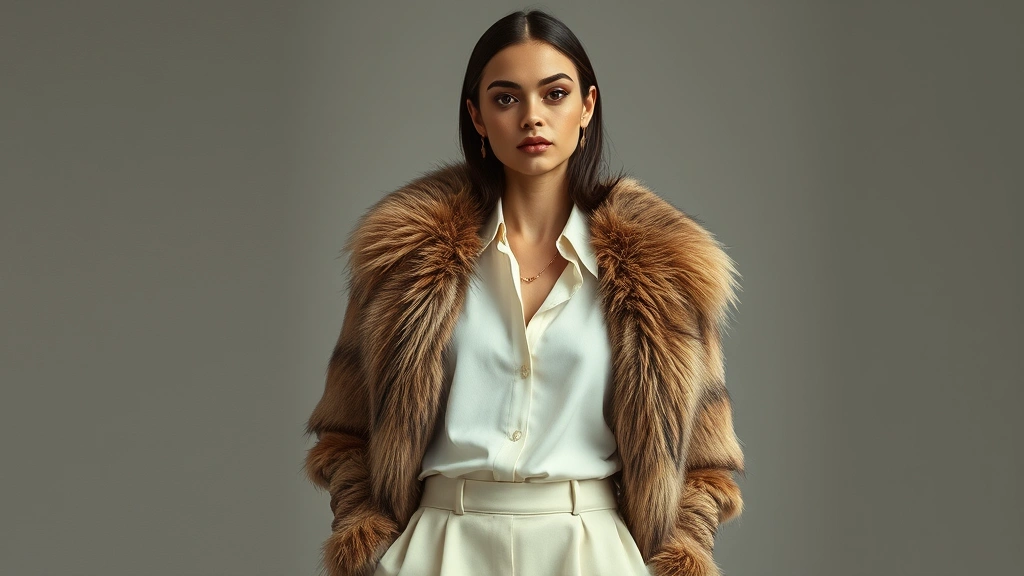
Wearing 2000s-inspired fur fashion in contemporary contexts requires thoughtful styling choices that acknowledge modern aesthetics and values. Vintage fur pieces can be integrated into current wardrobes through strategic styling that feels current rather than nostalgic. Pairing vintage fur stoles with minimalist contemporary pieces creates interesting contrast and conversation-starting juxtaposition.
Contemporary styling of 2000s fur emphasizes irony, camp, and intentional aesthetic mixing. Rather than recreating authentic 2000s looks, modern stylists deconstruct the era’s excess and recombine elements with contemporary pieces. A vintage fur coat worn with modern streetwear creates deliberate tension that feels fresh rather than dated.
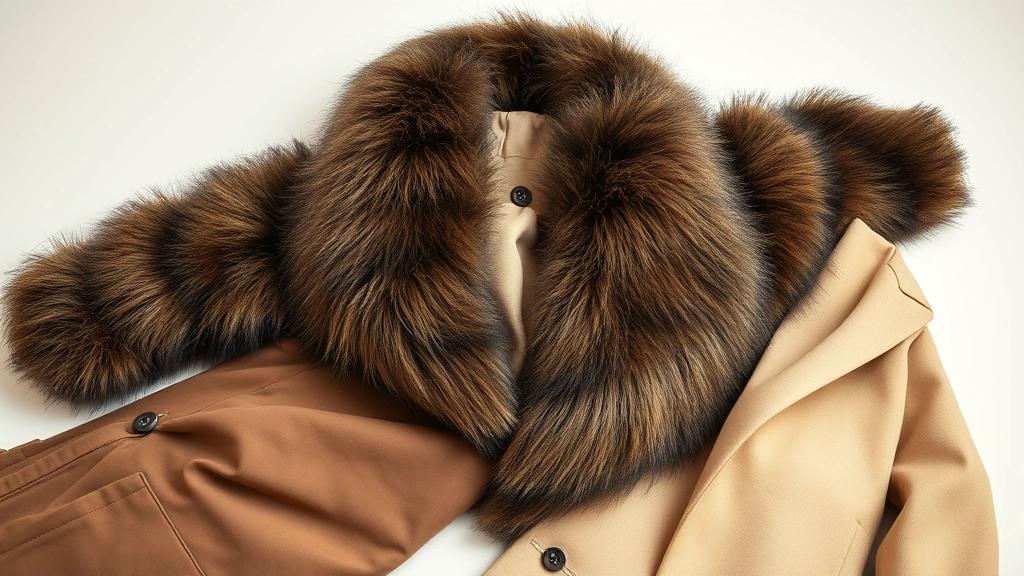
Vintage fur accessories offer lower-commitment entry points for exploring 2000s aesthetics. Fur-trimmed bags, collars, and cuffs add textural interest without requiring full commitment to fur coat wearing. These accessories work particularly well in minimalist contemporary wardrobes where they function as unexpected luxury details.
Color plays crucial roles in modernizing 2000s fur styling. While the era favored traditional browns, blacks, and blonde minks, contemporary styling embraces vintage colored furs—purples, pinks, and unconventional shades—as statement pieces that feel intentionally retro rather than accidentally dated. The color selection itself communicates awareness of the piece’s historical moment.
Celebrity Influence and Red Carpet Moments
Celebrity fashion continues shaping fur’s contemporary narrative. While some celebrities have publicly abandoned fur, others quietly maintain fur pieces in their collections and occasionally wear them to significant events. These choices generate substantial conversation, illustrating how celebrity style choices still influence broader cultural attitudes toward controversial materials.
Red carpet events occasionally feature fur pieces, typically vintage or from designers emphasizing ethical sourcing and craftsmanship. When prominent celebrities wear fur to major events, media coverage inevitably includes discussions of ethics, sustainability, and responsible luxury—conversations virtually absent from 2000s celebrity fur coverage.
The best fashion documentaries increasingly explore fur’s controversial role in fashion history and contemporary contexts. These documentaries reveal how celebrity influence shaped 2000s fur consumption while documenting the industry’s evolution toward greater responsibility and transparency.
Fashion influencers and contemporary style icons demonstrate diverse approaches to fur, from complete avoidance to selective vintage wearing to innovative alternative embracing. This diversity reflects broader fashion culture’s movement away from monolithic standards toward pluralistic style expression where individual values determine aesthetic choices.
The Future of Fur in Fashion
The future of fur in fashion remains genuinely uncertain, shaped by technological innovation, regulatory changes, and evolving consumer values. Several potential trajectories seem plausible: fur could largely disappear from mainstream fashion as alternatives improve and regulations tighten; fur could persist in niche luxury markets emphasizing heritage craftsmanship and ethical sourcing; or fur could transform entirely through lab-grown alternatives that replicate natural fur without animal involvement.
Many industry experts predict that lab-grown fur represents fur fashion’s most likely future. This technology would preserve traditional fur craftsmanship and luxury appeal while eliminating ethical concerns that currently constrain the industry. Lab-grown fur could satisfy consumers’ desires for authentic fur materials while addressing animal welfare and environmental concerns.
Regulatory trends suggest fur’s mainstream fashion role will continue contracting. More countries implement fur farming bans and import restrictions annually, gradually reducing fur’s accessibility and cultural acceptability. These regulations accelerate the industry’s shift toward alternatives and vintage piece circulation.
Simultaneously, luxury fashion’s increasing emphasis on sustainability and transparency creates space for responsible fur sourcing narratives. Designers can potentially rehabilitate fur’s reputation through rigorous transparency about sourcing, ethical treatment, and environmental mitigation. This approach would represent a fundamental reimagining of fur’s role from status symbol to carefully-considered material choice.
The Style Loom Daily Blog continues documenting fashion’s evolution and how historical trends resurface with contemporary twists. Understanding how 2000s fashion influences current design reveals broader patterns about nostalgia, sustainability, and style cycles.
FAQ
Is fur fashion making a comeback in 2024?
Fur fashion isn’t experiencing a mainstream comeback comparable to the 2000s, but rather exists in niche luxury markets and vintage fashion communities. Contemporary fur discussions emphasize ethics and sustainability rather than the conspicuous consumption that characterized 2000s fur fashion. Alternatives continue gaining market share and cultural acceptance.
Are designers still using real fur?
Some luxury designers continue using responsibly-sourced real fur, while others have adopted fur-free approaches. The industry lacks uniformity, with different houses maintaining different positions on fur based on brand values, market positioning, and philosophical beliefs about luxury and responsibility.
How can I wear 2000s fur fashion ethically?
Wearing vintage fur pieces represents the most ethical approach to 2000s-inspired fur fashion since the environmental and ethical impacts occurred decades ago. Alternatively, exploring innovative alternatives or choosing fur-free luxury options aligns with contemporary ethical frameworks while avoiding participation in current fur production systems.
What makes modern fur alternatives comparable to real fur?
Advanced synthetic furs now replicate real fur’s texture, appearance, warmth, and durability through sophisticated material engineering. Lab-grown alternatives and cultivated materials offer additional performance advantages while eliminating ethical concerns, making them genuinely competitive with traditional fur in luxury contexts.
Will fur ever disappear from fashion entirely?
Complete fur elimination seems unlikely given fashion’s cyclical nature and luxury’s attachment to heritage materials. More probable scenarios involve fur becoming increasingly niche, lab-grown alternatives replacing traditional fur, or fur persisting only within transparent, highly-regulated ethical sourcing contexts that fundamentally differ from current production systems.