
2004 Fashion Trends: Expert Insights into the Year That Defined Modern Style
The year 2004 stands as a pivotal moment in fashion history, representing a fascinating bridge between the minimalism of the late 1990s and the maximalist trends that would dominate the 2010s. This was an era when celebrities began wielding unprecedented influence over global fashion, social media was in its infancy, and fashion blogs were just starting to emerge as a force. The fashion landscape of 2004 reflected a unique blend of influences: low-rise denim dominated street style, luxury brands embraced logomania, and the concept of “fast fashion” was beginning to reshape how consumers approached clothing purchases.
Understanding 2004 fashion requires appreciating the cultural moment that produced it. This was the era of Paris Hilton, Jennifer Aniston, and Britney Spears—celebrities whose wardrobes were dissected in magazines and discussed around water coolers worldwide. The rise of reality television meant that fashion became increasingly democratic; anyone with a television could observe and emulate celebrity style. Meanwhile, the contrast with 90s fashion couldn’t have been more pronounced, as the understated sophistication of the previous decade gave way to bold statements and conspicuous consumption.
The Denim Revolution: Low-Rise Dominance
No discussion of 2004 fashion can proceed without addressing the phenomenon of ultra-low-rise jeans. This trend represented perhaps the most dramatic silhouette shift of the decade, with waistbands sitting dangerously low on the hips and requiring careful wardrobe coordination to avoid wardrobe malfunctions. Brands like True Religion, Seven for All Mankind, and Juicy Couture capitalized on this trend, creating jeans that were simultaneously status symbols and fashion statements. The low-rise jean wasn’t simply about comfort or practicality—it was a deliberate aesthetic choice that signaled youth, confidence, and fashion awareness.
The styling of these jeans in 2004 was equally distinctive. Tucked baby tees, visible thong underwear (often intentionally), and hip-hugging belts completed the look that defined early 2000s street style. This approach to dressing stood in stark contrast to the baggy, oversized silhouettes that had dominated the previous decade. Fashion designers and retailers recognized that this trend appealed to a youth demographic eager to differentiate themselves from their predecessors. The investment in premium denim was substantial—a pair of Seven jeans could cost upwards of $100, making them a luxury purchase for many consumers.
Interestingly, the low-rise trend also democratized high fashion. While designer brands offered premium versions, high street retailers provided accessible alternatives, meaning that teenagers with modest budgets could participate in the trend. This democratization of fashion trends became increasingly important throughout the 2000s and continues to shape how we think about style accessibility today. Understanding how to find your personal style within trending frameworks became essential for fashion-conscious individuals navigating 2004’s aesthetic landscape.
Logomania and Luxury Brands
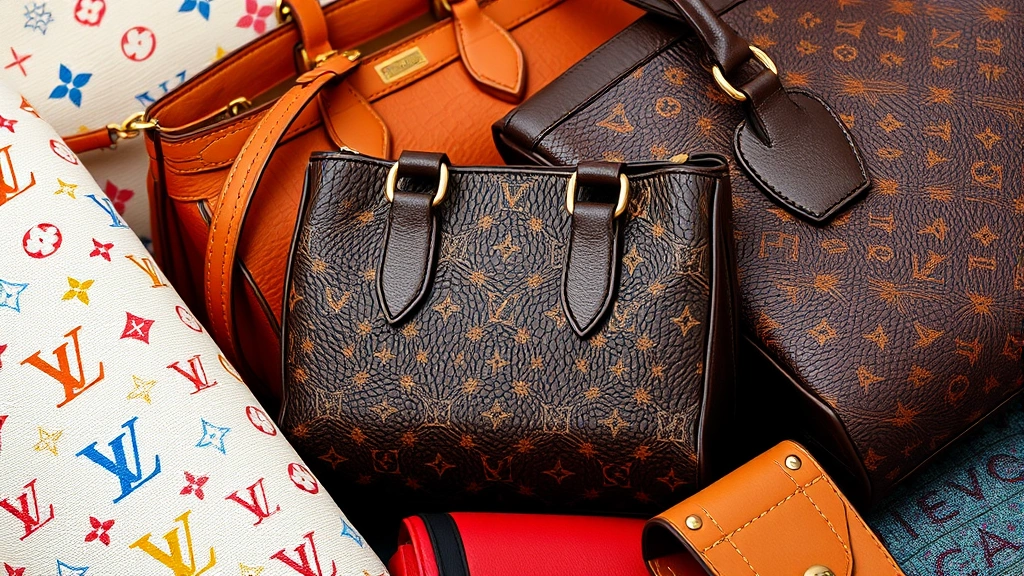
The early 2000s witnessed an explosion of logomania—the celebration and display of designer logos as status symbols. Unlike the subtle branding of previous eras, 2004 fashion embraced conspicuous consumption with enthusiasm. Monogrammed handbags from Louis Vuitton, Gucci’s interlocking GG logo, and Prada’s triangle badge became ubiquitous accessories that signaled wealth, taste, and fashion knowledge. This trend reflected broader economic conditions; the early 2000s saw relative economic prosperity in developed nations, and luxury spending reached new heights.
Luxury fashion houses responded to this demand by creating increasingly visible logos and collaborating with fashion retailers to expand their reach. Tom Ford’s tenure as Creative Director at Gucci had revolutionized the brand’s image in the late 1990s, and by 2004, Gucci was experiencing unprecedented popularity. The brand’s horse-bit loafers, monogrammed bags, and richly colored fabrics became aspirational items for fashion enthusiasts worldwide. Similarly, Prada maintained its position as a luxury powerhouse, known for refined taste and innovative design, while simultaneously embracing the logomania trend.
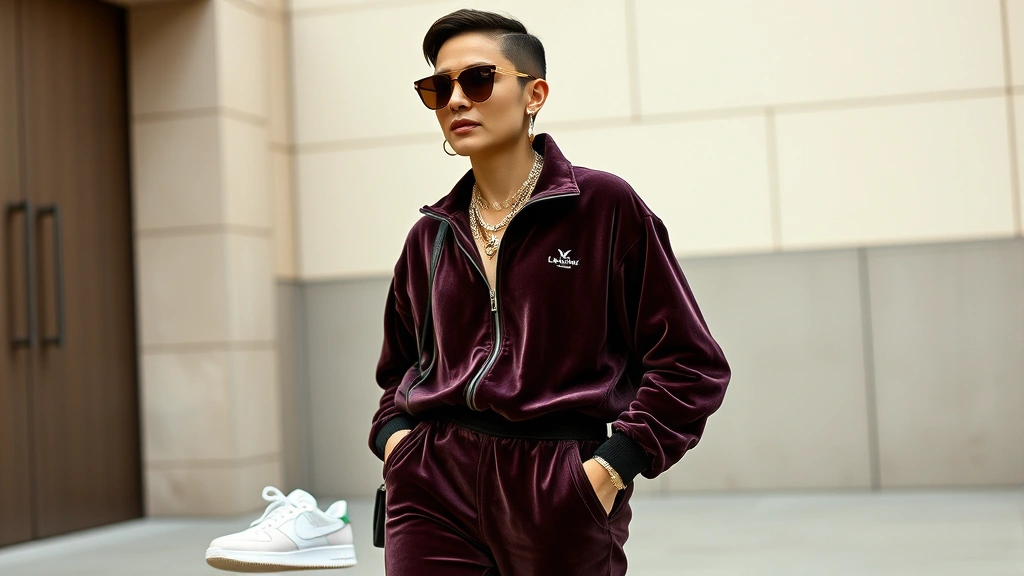
The logomania of 2004 also extended to clothing itself. Visible brand names on t-shirts, hoodies, and outerwear became increasingly common. Tracksuits bearing designer logos—popularized by celebrities like Jennifer Lopez—became status symbols that transcended their origins as athletic wear. This blurring of boundaries between sportswear and luxury fashion would continue to influence design throughout the decade and beyond. The concept of fashion design education began increasingly emphasizing the importance of understanding brand positioning and luxury market dynamics.
Accessories: The Power of Details
In 2004, accessories emerged as perhaps the most important element of fashion expression. While clothing silhouettes were relatively straightforward, accessories provided the opportunity for individual style expression and brand communication. The humble handbag became a focal point of fashion discussion, with certain styles achieving iconic status. The Birkin bag, though introduced decades earlier, experienced renewed popularity, while the Kelly bag remained a symbol of timeless elegance. For younger consumers, the Balenciaga City bag—with its distinctive hardware and soft leather—became the must-have accessory.
Sunglasses represented another crucial accessory category in 2004 fashion. Oversized frames, popularized by celebrities like Paris Hilton, became ubiquitous on sunny days and at fashion events. These weren’t subtle accessories but rather statement pieces that framed the face and conveyed fashion authority. Luxury brands competed fiercely in this category, with Tom Ford, Gucci, and Prada all offering premium sunglasses at premium prices. The sunglasses trend also reflected the increasing importance of celebrity culture; certain styles became associated with specific celebrities, driving demand among devoted fans.
Belts, jewelry, and footwear accessories also received considerable attention in 2004 fashion. Wide leather belts cinched at the waist became standard styling tools for creating silhouette definition with low-rise jeans. Layered necklaces, particularly delicate chains and pendant necklaces, complemented the minimalist approach to upper-body styling. Ankle bracelets and toe rings added finishing touches to outfits, particularly during warmer months. These accessories weren’t afterthoughts but rather carefully considered elements that could transform a basic outfit into a fashion statement.
Footwear Trends and Sneaker Culture
Footwear in 2004 reflected the era’s contradictions—simultaneously embracing both athletic and luxury aesthetics. Sneakers, particularly oversized basketball-inspired styles, dominated casual fashion. Brands like Nike, Adidas, and Puma competed fiercely for market share among youth consumers, with limited edition releases creating hype and driving sales. The collaboration between luxury fashion houses and athletic brands was still relatively rare in 2004, but the seeds were being planted for the designer sneaker phenomenon that would explode in subsequent years.
Beyond sneakers, 2004 saw the continued popularity of ballet flats, kitten heels, and strappy sandals. The ballet flat, in particular, became a versatile staple that could transition from casual daywear to evening events. Luxury brands offered premium versions in exotic skins and precious metals, while high street retailers provided affordable alternatives. The strappy sandal, often featuring delicate heels and minimal coverage, complemented the low-rise jeans and baby tee combination that defined early 2000s casual style.
Ugg boots, though originating in Australia decades earlier, experienced explosive growth in popularity during the early 2000s. These sheepskin boots became controversial—some fashion critics dismissed them as unflattering and unappealing—yet they maintained devoted followers, particularly among younger consumers and in cold climates. The boots represented comfort and casualness, values that would become increasingly important in fashion as the decade progressed. The diversity of footwear options available in 2004 reflected the fragmentation of fashion into multiple, sometimes contradictory, aesthetic categories.
Color Palettes and Fabric Choices
The color palette of 2004 fashion reflected a shift toward bolder, more saturated tones compared to the neutral minimalism of the 1990s. Bright pinks, rich browns, vibrant oranges, and jewel tones dominated fashion collections and street style. This embrace of color signaled a broader cultural shift toward self-expression and individuality. Designers experimented with unexpected color combinations, while consumers eagerly adopted these palettes in their personal wardrobes. The rise of color in fashion also reflected increased economic confidence and a desire to make bold visual statements.
Fabric choices in 2004 fashion varied widely depending on the occasion and aesthetic preference. Denim remained the foundation of casual wear, with various weights and finishes offering different visual effects. Velour, a plush fabric with a distinctive sheen, became associated with luxury and comfort, particularly in tracksuits and casual wear. Silk, cashmere, and other premium fabrics featured prominently in luxury collections, while polyester blends provided affordable alternatives for high street retailers. The tactile quality of fabrics became increasingly important as fashion emphasized sensory experience alongside visual aesthetics.
Sequins, beads, and other embellishments added sparkle and dimension to evening wear and party clothes. These decorative elements reflected the era’s enthusiasm for visible luxury and conspicuous consumption. Even casual clothing often featured subtle embellishments—rhinestones on jeans pockets, embroidered details on t-shirts, or metallic accents on accessories. This democratization of embellishment meant that fashion-forward individuals could incorporate luxury-inspired details into their wardrobes at various price points.
Celebrity Influence and Red Carpet Fashion
The year 2004 exemplified the increasing power of celebrity in shaping fashion trends. Paparazzi culture was reaching new heights, with celebrity street style photographed and analyzed as intensely as formal red carpet appearances. Websites and magazines dedicated themselves to tracking celebrity fashion choices, and consumers eagerly replicated looks they observed on their favorite stars. This dynamic created a feedback loop where celebrities influenced fashion, which then influenced how designers created collections, which then influenced celebrity choices.
Red carpet events in 2004 showcased the most avant-garde and luxurious fashion offerings. The Academy Awards, Golden Globes, and other prestigious events featured stunning gowns designed by the world’s most renowned fashion houses. Designers competed for opportunities to dress celebrities attending these events, recognizing that red carpet exposure could significantly boost a brand’s profile. The relationship between fashion designers and celebrities became increasingly symbiotic, with each party benefiting from the association.
Specific celebrity style icons emerged during this period, each influencing fashion in distinct ways. Jennifer Aniston’s sophisticated casual style influenced how many women approached everyday dressing. Paris Hilton’s embrace of logomania and pink aesthetic created a distinctive brand that extended beyond fashion into broader popular culture. Britney Spears’ provocative style choices generated discussion about appropriateness and youth culture. These diverse style influences meant that 2004 fashion wasn’t monolithic but rather fragmented into multiple, sometimes contradictory, aesthetic directions.
The Birth of Fashion Blogging
While fashion blogging wouldn’t reach mainstream prominence until the mid-to-late 2000s, the seeds were being planted in 2004. Early fashion enthusiasts began documenting their personal style choices on blogs, creating a new form of fashion commentary that existed outside traditional media structures. These early fashion bloggers, operating independently from major publications, represented a democratization of fashion authority. Anyone with internet access and fashion knowledge could potentially influence how others approached style.
The emergence of fashion blogs in 2004 represented a significant shift in how fashion information was disseminated and discussed. Unlike traditional fashion magazines, which operated on quarterly or monthly publication schedules, blogs could be updated daily with commentary on trends, celebrity sightings, and personal style observations. This immediacy and accessibility appealed to fashion enthusiasts eager for more frequent fashion content. While the fashion industry establishment initially dismissed blogs as amateurish, they would soon recognize the influence these platforms wielded over consumer behavior and trend adoption.
Understanding the latest fashion articles and guides became increasingly important as the internet democratized fashion knowledge. Fashion-forward individuals could now access information about trends, designer collections, and styling advice without relying solely on magazine subscriptions or television programs. This shift would have profound implications for the fashion industry, as traditional gatekeepers lost some of their exclusive authority over defining fashion legitimacy and relevance.
Looking back at 2004 fashion reveals an era of transition and contradiction. The decade’s early years embraced logomania and conspicuous consumption while simultaneously witnessing the emergence of platforms that would eventually democratize fashion authority. Celebrity culture reached unprecedented influence levels, yet the tools for ordinary people to participate in fashion conversations were just beginning to emerge. The silhouettes, colors, and accessories of 2004 reflected a cultural moment distinct from what came before and what would follow.
FAQ
What were the most iconic 2004 fashion trends?
The most iconic 2004 fashion trends included ultra-low-rise jeans, logomania with visible designer branding, oversized sunglasses, designer handbags as status symbols, and tracksuits. These trends reflected the era’s emphasis on conspicuous consumption and celebrity-driven fashion.
How did 2004 fashion differ from 1990s fashion?
2004 fashion embraced bold colors, visible logos, and fitted silhouettes, contrasting sharply with 1990s minimalism and understated sophistication. Understanding 90s fashion trends highlights how dramatically aesthetics shifted in just one decade.
Which designers dominated 2004 fashion?
Gucci, Prada, Louis Vuitton, and Balenciaga were among the most influential luxury brands in 2004. Tom Ford’s work at Gucci particularly influenced the era’s aesthetic direction.
Why were low-rise jeans so popular in 2004?
Low-rise jeans represented youth, confidence, and fashion awareness. They signaled a deliberate break from 1990s baggy silhouettes and became status symbols when created by premium denim brands.
How did celebrity culture influence 2004 fashion?
Paparazzi culture and celebrity obsession meant that what celebrities wore was immediately replicated by consumers. Street style photography and magazine coverage of celebrity fashion created powerful trend-setting dynamics.
What role did accessories play in 2004 fashion?
Accessories were paramount in 2004 fashion, with designer handbags, sunglasses, and belts serving as primary fashion statements. These items communicated brand affiliation and fashion knowledge.
Were there early signs of fashion blogging’s impact in 2004?
Yes, early fashion bloggers were beginning to establish platforms in 2004, though their influence remained limited. These pioneers laid groundwork for the fashion blogging explosion that would follow in subsequent years.