Discover Your Style Type: Fashion Expert Guide
Fashion is a powerful form of self-expression that extends far beyond simply wearing clothes. Every outfit tells a story about who you are, your values, and the impression you want to make on the world. Whether you’re navigating a professional wardrobe, seeking a personal style overhaul, or simply curious about fashion trends, understanding the different types of fashion styles is the first step toward building a cohesive, confident appearance that feels authentically you.
In this comprehensive guide, we’ll explore the most influential fashion styles, from timeless classics to contemporary trends, helping you identify which aesthetics resonate with your personality and lifestyle. By the end of this journey, you’ll have a clearer vision of your fashion identity and practical insights to elevate your everyday looks.
Classic Elegant Style: Timeless Sophistication
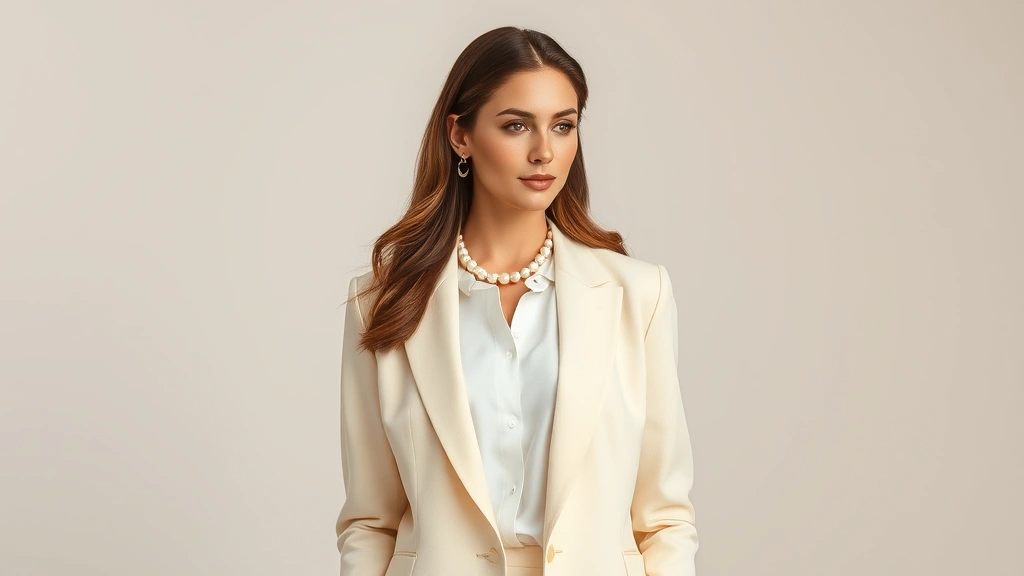
The classic elegant style represents the foundation of refined fashion. This aesthetic celebrates quality over quantity, featuring well-tailored pieces in neutral palettes, premium fabrics, and designs that transcend seasonal trends. Think crisp white button-downs, tailored blazers, perfectly fitted trousers, and sophisticated accessories that whisper rather than shout.
Classic elegance draws inspiration from fashion icons like Vogue’s featured style icons and timeless style principles. This approach prioritizes investment pieces—items you’ll wear for years—over fast fashion trends. A classic elegant wardrobe typically includes neutral colors like black, white, navy, beige, and gray, with occasional jewel tones for depth.
The beauty of this style lies in its versatility and longevity. A classic white silk blouse paired with tailored black trousers works for board meetings, dinner dates, and casual weekends when dressed down with sneakers. This style communicates confidence, professionalism, and understated luxury, making it ideal for those who value substance and permanence in their fashion choices.
Key pieces for classic elegance include: structured handbags, pearl jewelry, oxford shoes, cashmere sweaters, and timeless watches. The philosophy emphasizes proper fit above all else—even the simplest pieces look extraordinary when they fit your body perfectly.
Bohemian and Free-Spirited: Artistic Expression
Bohemian fashion celebrates individuality, creativity, and a carefree spirit. This style draws from various global influences, vintage elements, and artistic sensibilities. Boho fashion features flowing fabrics, earthy color palettes, layered textures, and eclectic accessories that tell stories of travel and cultural appreciation.
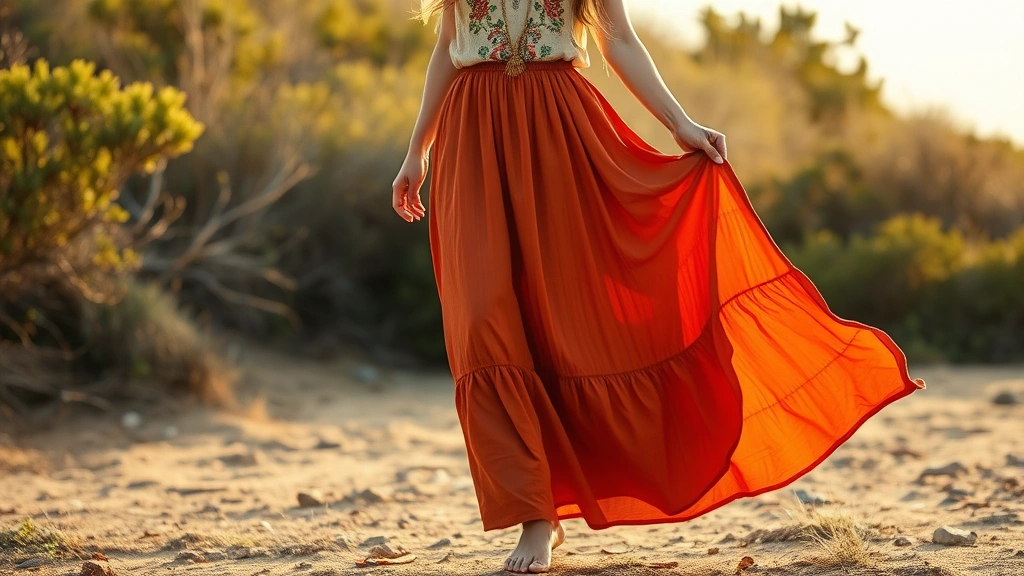
The bohemian aesthetic embraces patterns like paisley, geometric prints, and floral designs, often mixing multiple patterns in single outfits with confidence. Maxi skirts, loose-fitting blouses, fringe details, and layered jewelry are bohemian staples. This style celebrates natural textures—linen, cotton, suede, and leather—and often incorporates sustainable, ethically-sourced pieces.
What makes bohemian style particularly appealing is its rejection of rigid fashion rules. Boho enthusiasts mix vintage finds with contemporary pieces, combine unexpected colors, and prioritize comfort without sacrificing style. This approach works wonderfully for creative professionals, artists, and anyone who views fashion as a canvas for self-expression.
The boho palette typically includes terracotta, mustard, olive green, rust, cream, and warm browns. Accessories are crucial: statement rings, layered necklaces, embroidered bags, and ornate belts elevate even simple outfits. The overall effect is effortlessly artistic and undeniably romantic.
When exploring different fashion styles, bohemian stands out for its emphasis on personal narrative and cultural storytelling through clothing.
Minimalist and Modern: Less is More
Minimalist fashion represents the ultimate evolution of “less is more.” This style strips away excess, focusing on clean lines, neutral color schemes, and functional pieces that serve multiple purposes. Minimalism isn’t about deprivation—it’s about intentionality and quality.
The minimalist wardrobe consists of versatile, high-quality basics that combine effortlessly. Think monochromatic outfits, simple silhouettes, and pieces designed for longevity. Color palettes typically include black, white, gray, beige, and navy, with occasional accent colors in muted tones. Every piece earns its place through functionality and aesthetic appeal.
This style resonates strongly with professionals, environmentally-conscious consumers, and anyone overwhelmed by decision fatigue. A minimalist wardrobe reduces daily decisions, streamlines laundry, and ensures everything coordinates. The guide to finding your personal style often emphasizes minimalism as a starting point for clarity.
Key minimalist pieces include: white sneakers, tailored trousers, oversized blazers, simple white tees, and neutral sweaters. Accessories are minimal but impactful—perhaps a quality leather belt, simple jewelry, and one classic handbag. The philosophy celebrates Japanese design principles of simplicity and functionality.
Modern minimalism also embraces contemporary silhouettes and innovative fabrics. It’s not about looking boring; it’s about looking intentional, sophisticated, and effortlessly put-together. This style communicates clarity of vision and confidence in one’s aesthetic choices.
Streetwear and Urban: Contemporary Edge
Streetwear represents the evolution of urban fashion, drawing from skateboard culture, hip-hop influences, and contemporary youth movements. This style celebrates comfort, attitude, and cultural relevance, featuring sneakers, hoodies, graphic tees, and oversized silhouettes.
The streetwear aesthetic values authenticity and cultural connection. It’s less about following traditional fashion rules and more about expressing identity through brand choices, graphic designs, and unexpected combinations. Sneaker culture plays a central role—limited-edition releases can define entire outfits.
Streetwear embraces bold graphic prints, logo-forward pieces, and statement accessories. Color schemes vary widely but often include blacks, grays, and pops of neon or bright colors. Layering is essential—hoodies over tees, oversized jackets over fitted pieces, creating depth and visual interest.
This style appeals to younger demographics, creative professionals, and anyone who values comfort without sacrificing style impact. Streetwear has transcended subculture to become mainstream fashion, with luxury designers regularly incorporating streetwear elements into collections.
Key streetwear pieces include: premium sneakers, oversized hoodies, graphic tees, cargo pants, trucker jackets, and crossbody bags. Accessories might include bucket hats, chain necklaces, or vintage watches. The overall aesthetic communicates approachability, cultural awareness, and contemporary relevance.
Vintage and Retro: Nostalgia Meets Style
Vintage fashion celebrates clothing from previous decades, each era offering distinct aesthetic and cultural significance. Retro style borrows from past eras while incorporating contemporary elements, creating a nostalgic yet modern look.
The 1950s brings polka dots, full skirts, and feminine silhouettes. The 1970s offers bohemian influences, wide-leg pants, and earthy tones. The 1980s contributes bold colors, statement shoulders, and maximalist accessories. The 1990s brings minimalist slip dresses, grunge elements, and oversized flannel shirts.
Vintage fashion offers sustainability benefits, unique pieces, and storytelling potential. Each vintage item carries history and character impossible to replicate with new clothing. This style appeals to environmentally-conscious consumers, history enthusiasts, and fashion lovers seeking individuality.
The charm of vintage style lies in curation and mixing. Pairing a 1950s dress with contemporary sneakers, or combining a 1970s suede jacket with modern skinny jeans, creates compelling contrasts. Vintage enthusiasts often frequent thrift stores, estate sales, and online vintage retailers to build distinctive wardrobes.
When exploring fashion types, vintage stands out for its sustainability angle and historical appreciation. Colors, patterns, and silhouettes vary dramatically depending on the era you’re drawn to.
Romantic and Feminine: Soft Sophistication
Romantic fashion celebrates femininity through soft colors, delicate fabrics, and intricate details. This style emphasizes beauty, elegance, and a gentle aesthetic that feels both powerful and graceful.
The romantic palette features soft pastels—blush pink, lavender, mint, pale yellow—alongside deeper romantic hues like burgundy and rose gold. Fabrics are luxurious and flowing: silk, chiffon, lace, and tulle. Details matter tremendously: lace overlays, embroidered elements, ruffles, and bows add visual interest and charm.
Romantic style celebrates curves and femininity without objectification. Silhouettes are often fitted through the bodice and flowing through the skirt, creating elegant proportions. This aesthetic works beautifully for special occasions but translates to everyday wear through romantic blouses, feminine sweaters, and delicate accessories.
Key romantic pieces include: lace blouses, midi skirts, feminine dresses, pearl jewelry, soft cardigans, and delicate handbags. Shoes might be ballet flats, heeled sandals, or vintage-inspired pumps. The overall effect is undeniably feminine, sophisticated, and graceful.
This style appeals to those who embrace femininity as strength, appreciate delicate details, and seek elegance in their everyday appearance. Romantic fashion celebrates beauty while maintaining sophistication and self-respect.
Edgy and Alternative: Bold Rebellion
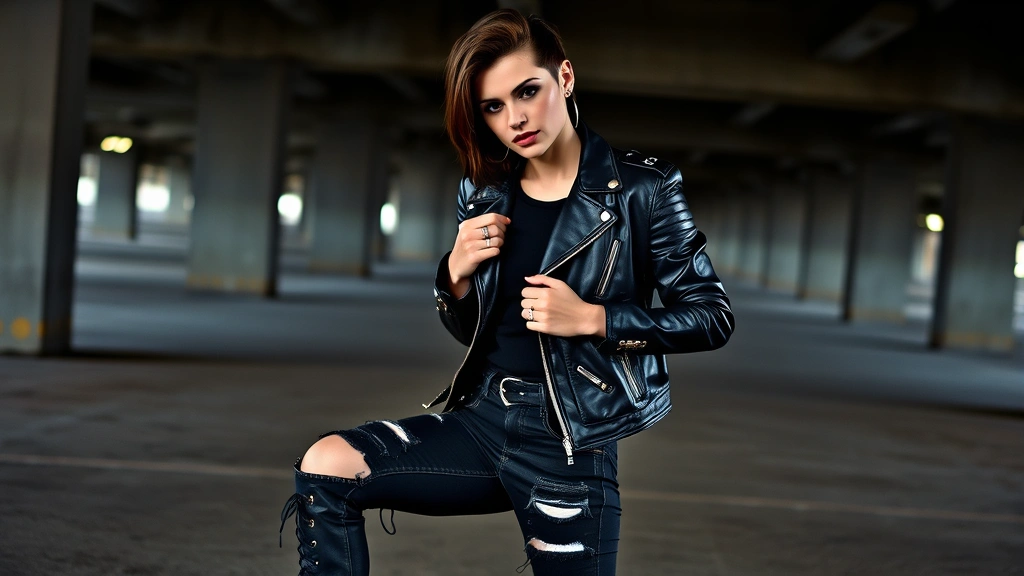
Edgy fashion challenges conventions, celebrating boldness, individuality, and unconventional beauty standards. This style draws from punk, goth, metal, and alternative subcultures, featuring dark colors, leather, studs, chains, and statement pieces.
The edgy aesthetic embraces black as a primary color, complemented by deep purples, burgundy, and occasional neon accents. Fabrics are often tough and textured: leather jackets, distressed denim, mesh, and metallic materials. Details are intentional and impactful: studs, spikes, chains, and bold graphics.
Edgy style communicates confidence, nonconformity, and creative rebellion. It appeals to artists, musicians, creative professionals, and anyone who refuses to blend into conventional fashion norms. This style celebrates individuality and challenges traditional beauty standards.
Key edgy pieces include: leather jackets, band tees, distressed jeans, combat boots, chokers, and statement rings. Makeup and hair styling are equally important—bold lips, dramatic eyeliner, and unconventional hair colors complete the aesthetic. The overall effect is undeniably powerful and unapologetically individual.
When considering fashion style options, edgy represents the furthest departure from mainstream conventions, celebrating authenticity over acceptance.
Preppy and Polished: Heritage Elegance
Preppy fashion draws from traditional American heritage, featuring structured silhouettes, classic patterns, and heritage brand aesthetics. This style celebrates quality, tradition, and timeless appeal.
The preppy palette includes navy, white, cream, and pastels, with traditional patterns like stripes, gingham, and plaid. Silhouettes are structured and tailored: polo shirts, sweaters with heritage crests, pleated skirts, and tailored blazers. Accessories include loafers, leather belts, and classic handbags.
Preppy style communicates education, tradition, and refined taste. It appeals to professionals, heritage brand enthusiasts, and those who appreciate structured, tailored aesthetics. Modern preppy has evolved to include contemporary interpretations while maintaining classic elements.
Key preppy pieces include: polo shirts, cable-knit sweaters, pleated skirts, blazers with heritage details, loafers, and structured handbags. Jewelry is classic: pearls, simple gold chains, and heritage watches. The overall aesthetic is polished, professional, and timelessly elegant.
Finding Your Personal Style: Practical Steps
Understanding fashion types is the foundation, but discovering your authentic style requires self-reflection and experimentation. Begin by examining your lifestyle, climate, body type, and personal values. What activities dominate your schedule? Do you work in creative or corporate environments? How much time do you spend outdoors?
Create a mood board using Pinterest, Instagram, or magazine clippings. Gather images of outfits that genuinely excite you, without overthinking why. Patterns emerge naturally—you’ll notice color preferences, silhouette favorites, and recurring themes. These patterns reveal your authentic style inclinations.
Visit the Style Loom Daily Blog for additional inspiration and detailed style guides. Experiment with pieces from different styles, noticing which combinations feel most authentic. Your true style often combines elements from multiple aesthetics—classic elegance with bohemian accents, minimalist foundations with romantic details.
Consider your body type and features. Certain silhouettes and colors enhance your natural beauty more effectively than others. A style that looks stunning on someone else might not feel authentic on you—and that’s perfectly fine. Your personal style should celebrate your unique features and make you feel confident.
Budget considerations matter tremendously. Rather than attempting to build a complete wardrobe immediately, invest in quality basics aligned with your style, then gradually add pieces. Thrift stores offer affordable options for experimenting with vintage or edgy styles before committing significant funds.
Remember that your style will evolve. Life changes, preferences shift, and fashion trends influence us all. Your authentic style is flexible enough to grow with you while maintaining core elements that feel fundamentally “you.”
FAQ
Can I mix different fashion styles together?
Absolutely! Many stylish individuals combine elements from multiple aesthetic categories. For example, pairing minimalist basics with bohemian accessories, or mixing preppy classics with edgy leather pieces creates compelling, personal style. The key is intentionality—ensure pieces complement rather than clash.
How do I determine my body type and dress accordingly?
Common body type categories include pear, apple, hourglass, rectangle, and inverted triangle shapes. Each benefits from different silhouettes and proportions. Research your body type and experiment with styles that flatter your natural shape. Remember that body diversity means these categories are generalizations—wear what makes you feel confident.
Is it necessary to follow fashion trends?
Not at all. Trends are fun exploration opportunities, but your personal style should feel authentic to you. Some people enjoy incorporating seasonal trends into classic foundations; others ignore trends entirely. Neither approach is wrong—choose what aligns with your values and comfort level.
How much should I spend on building a wardrobe?
Budget varies based on financial capacity and priorities. Begin by investing in quality basics aligned with your style, then gradually add pieces. Thrifting, sales, and seasonal shopping can stretch budgets significantly. Focus on pieces you’ll wear repeatedly rather than trendy items you’ll quickly discard.
Where can I find inspiration for my personal style?
Pinterest, Instagram, fashion blogs, magazines, and street style photography offer endless inspiration. Follow accounts that genuinely excite you, create mood boards, and analyze what appeals to you. The comprehensive guide on finding your personal style provides detailed strategies for discovering your aesthetic.
Can my style change over time?
Yes, and that’s healthy! Your style will evolve as your life changes, your confidence grows, and your preferences develop. What matters is maintaining authenticity at each stage while allowing yourself room to grow and explore.