2009 Fashion Trends: A Nostalgic Look Back at the Year Style Changed
The year 2009 stands as a pivotal moment in fashion history, a time when the industry was simultaneously grappling with economic uncertainty and embracing bold, transformative aesthetic choices. As the world recovered from the financial crisis, fashion became an outlet for creative expression and escapism, resulting in some of the most memorable and influential trends of the entire decade. From the resurgence of vintage silhouettes to the explosion of digital fashion influence, 2009 marked the beginning of a new era in how we consume, create, and celebrate style.
This was the year when fashion dared to be different. Designers pushed boundaries, streetwear became increasingly sophisticated, and a new generation of style influencers began reshaping the industry through blogs and early social media platforms. Whether you lived through 2009 or you’re discovering these trends for the first time, understanding this pivotal year provides invaluable context for modern fashion movements. Let’s journey back to explore the trends that defined 2009 and continue to inspire contemporary style.
The Rise of Skinny Everything: Silhouettes That Dominated 2009
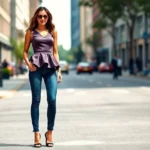
If there’s one silhouette that defines 2009 fashion, it’s undoubtedly the skinny jean. This wasn’t the first time slim-fitting pants graced the fashion world, but 2009 represented the absolute peak of their dominance. Every major fashion house, from high-end designers to fast-fashion retailers, embraced the skinny aesthetic with fervor. The trend extended far beyond denim—skinny pants in leather, cotton blends, and stretch fabrics became wardrobe staples for fashion-forward individuals everywhere.
The skinny trend wasn’t limited to bottoms either. Skinny scarves, slim-fitting blazers, and narrow belts all contributed to an overall aesthetic of elongation and streamlined elegance. This preference for fitted silhouettes reflected a broader cultural desire for definition and precision during uncertain economic times. When combined with oversized tops and loose-fitting sweaters, the skinny bottom created dramatic contrast that became iconic to the era. Understanding these different fashion styles helps us appreciate how silhouette preferences shape entire fashion cycles.
The versatility of skinny silhouettes meant they worked across multiple style categories. Whether paired with bohemian tops, vintage band tees, or structured blazers, skinny bottoms became the neutral foundation upon which entire outfits were built. This adaptability ensured their longevity and widespread adoption across age groups and style preferences.
Vintage and Retro Revival: Looking Backward to Move Forward
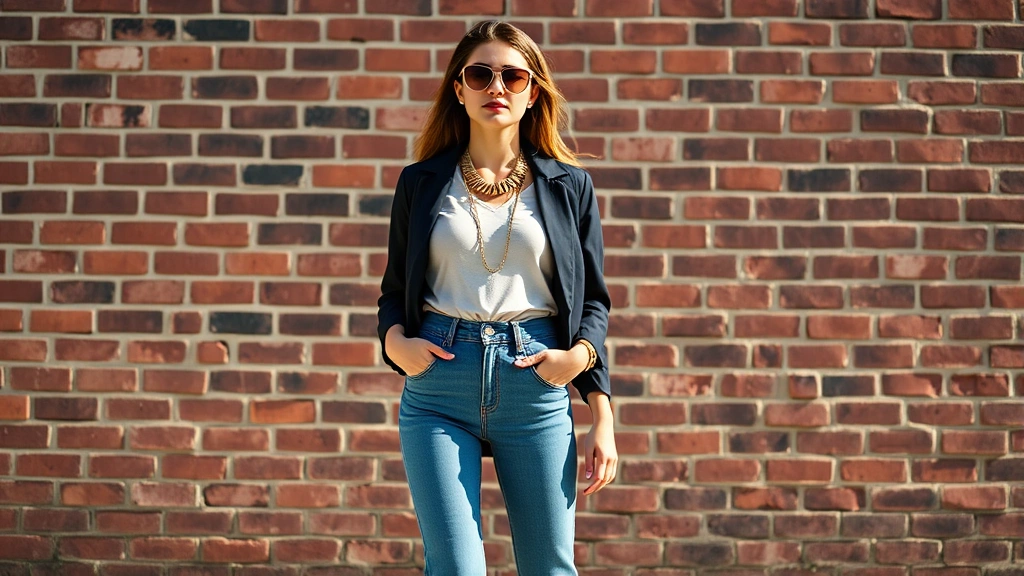
2009 witnessed an extraordinary resurgence of vintage aesthetics, with fashion enthusiasts mining the 1970s, 1980s, and 1990s for inspiration. High-waisted jeans, bell sleeves, and retro prints dominated runways and streets alike. This wasn’t merely nostalgia—it was a deliberate creative strategy that allowed designers to reference fashion history while creating contemporary statements. The vintage movement represented a rebellion against the sterile minimalism that had dominated the early 2000s.
Thrift stores and vintage boutiques became pilgrimage sites for style-conscious consumers seeking authentic pieces from previous decades. The appeal was multifaceted: vintage clothing offered individuality, sustainability before the term became mainstream, and a tangible connection to fashion history. Many fashion influencers built their entire aesthetic around vintage pieces, creating a cultural movement that emphasized personal curation over mass consumption.
The complete fashion history timeline reveals how 2009’s vintage obsession wasn’t random but rather part of a cyclical pattern where fashion returns to previous eras for fresh inspiration. Designers like Marc Jacobs and Alexander McQueen masterfully reinterpreted vintage elements, creating collections that honored the past while pushing toward the future.
Key vintage elements that dominated 2009:
- High-waisted denim with authentic distressing
- Bohemian prints and ethnic-inspired patterns
- Oversized blazers and structured jackets
- Vintage band merchandise and graphic tees
- Retro sunglasses with oversized frames
- Leather accessories with worn finishes
Bold Colors and Patterns: Breaking Free from Neutral Monotony
After years of neutral palettes dominating fashion, 2009 exploded with audacious color combinations and eye-catching patterns. Neon accents, jewel tones, and saturated hues appeared on everything from accessories to entire outfits. This chromatic revolution reflected a cultural shift toward optimism and creative expression, a deliberate antidote to the grey aesthetic that had characterized much of the 2000s.
Geometric patterns, animal prints, and bold florals competed for attention on fabrics and garments. Mixing patterns became an acceptable—even celebrated—styling technique. A leopard-print jacket might be paired with striped pants, creating visual excitement that would have seemed chaotic just years earlier. This pattern-mixing philosophy challenged traditional fashion rules and encouraged personal interpretation.
The boldness extended to makeup and nail art as well. Bright eyeshadow colors, particularly teals and purples, became mainstream rather than avant-garde. This holistic approach to color and pattern demonstrated how 2009 fashion embraced self-expression and individuality as core values.
Color palettes that defined 2009:
- Neon brights paired with neutrals
- Jewel tones including emerald, sapphire, and amethyst
- Warm terracotta and burnt orange shades
- Electric blues and vibrant turquoise
- Dusty pastels mixed with bold saturates
The Influence of Celebrity Culture and Red Carpet Moments
2009 marked a turning point in how celebrity influence shaped fashion trends. The red carpet became a laboratory for trend-setting, with paparazzi photographs instantly disseminated across emerging fashion blogs and social media platforms. Celebrities like Miley Cyrus, Taylor Swift, and the Jonas Brothers influenced younger consumers’ style choices, while established icons like Rihanna and Lady Gaga pushed boundaries with avant-garde fashion statements.
The rise of celebrity-owned brands and collaborations began gaining momentum during this period. Designers increasingly partnered with celebrities to create exclusive collections, recognizing the power of star power to drive sales and cultural relevance. Award show season became the most anticipated fashion moment of the year, with every red carpet appearance analyzed and replicated by fashion enthusiasts worldwide.
This era also saw the emergence of fashion bloggers as serious competitors to traditional fashion media. Stylish celebrities and everyday fashion enthusiasts alike began documenting their outfits online, creating communities around shared aesthetic values. The democratization of fashion influence fundamentally changed how trends emerged and spread.
Sustainable Fashion Begins: Early Consciousness in 2009
While sustainability wouldn’t become a mainstream fashion concern until later, 2009 witnessed the initial stirrings of eco-conscious fashion choices. Vintage shopping gained traction partly for environmental reasons, with consumers recognizing that buying secondhand reduced fashion’s environmental footprint. Organic cotton began appearing in mainstream collections, and designers started exploring eco-friendly materials more seriously.
Brands like Stella McCartney, who had long championed sustainable practices, gained increased visibility and credibility. The vintage and thrift store movement contributed to sustainability awareness, even if consumers didn’t explicitly frame their choices in environmental terms. This period planted seeds that would flower into the robust sustainable fashion movement of the 2010s and 2020s.
The concept of types of fashion expanded during this era to include eco-conscious design as a legitimate category. Designers began considering their environmental impact more seriously, recognizing that future consumers would increasingly demand responsibility from fashion brands.
Accessories as Statement Pieces: From Subtle to Spectacular
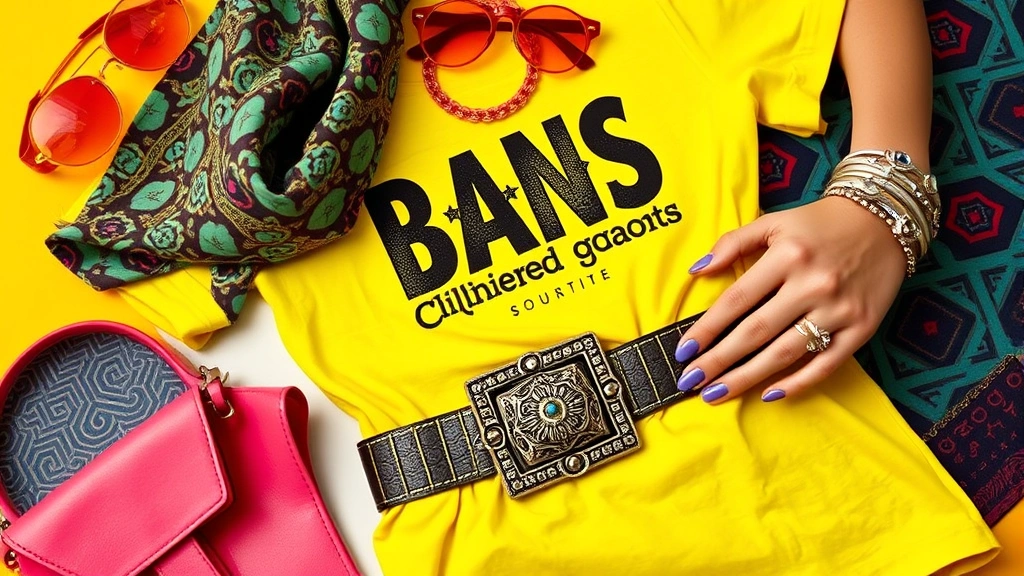
In 2009, accessories transcended their supporting role to become the primary focus of many outfits. Oversized sunglasses weren’t mere sun protection—they were bold fashion statements that could define an entire look. Chunky jewelry, including layered necklaces and stacked rings, became essential styling elements. Belts transformed from functional items to prominent design features, often featuring ornate buckles or unusual materials.
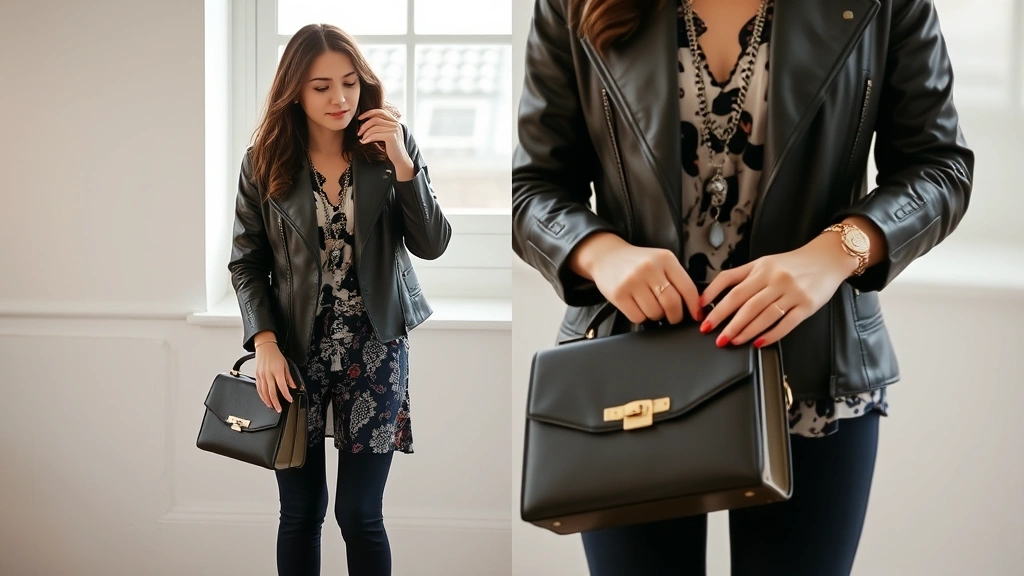
Handbags evolved into investment pieces, with designer logos and distinctive silhouettes signaling style credentials. The It-bag phenomenon reached its peak, with consumers coveting specific designer bags as status symbols and style statements. Scarves, worn in creative ways beyond traditional neck wrapping, added texture and visual interest to even basic outfits.
Discovering your personal style during this era often meant experimenting with bold accessories. A simple jeans-and-tee outfit could be completely transformed through the strategic addition of statement jewelry, an oversized scarf, or distinctive sunglasses. This accessibility made fashion feel more democratic—you didn’t need expensive clothing to look fashionable if you understood how to leverage accessories effectively.
Essential 2009 accessories:
- Oversized sunglasses with dark lenses
- Chunky gold and silver jewelry
- Wide ornate belts
- Colorful scarves and wraps
- Structured handbags with distinctive hardware
- Multiple finger rings stacked together
- Layered necklaces of varying lengths
Footwear Revolution: From Heels to Flats and Everything Between
The footwear landscape in 2009 proved remarkably diverse, reflecting the era’s broader embrace of individualism and experimentation. Skinny jeans demanded specific shoe styles—pointed-toe flats, slim heels, and fitted boots all gained prominence. Ballet flats became ubiquitous, offering comfort without sacrificing style. Vintage-inspired boots, particularly ankle-height styles with modest heels, dominated cooler months.
Sneakers underwent a transformation, with vintage-inspired canvas shoes and retro athletic silhouettes becoming acceptable beyond casual contexts. The distinction between formal and casual footwear began blurring as fashion embraced more relaxed aesthetics. Colorful shoes, metallic finishes, and unexpected textures challenged the notion that footwear should be neutral and understated.
Platform shoes experienced a resurgence, offering both height and visual drama. Whether incorporated into heels, boots, or sneakers, platforms became a signature element of 2009 footwear. This trend reflected a broader cultural movement toward more pronounced, statement-making silhouettes across all fashion categories.
How 2009 Fashion Trends Continue Influencing Style Today
The trends that dominated 2009 didn’t disappear when the calendar flipped to 2010—many evolved and persist in contemporary fashion. The skinny silhouette, while facing competition from wider cuts, remains relevant and continues cycling through fashion consciousness. Vintage aesthetics have only intensified, with thrift shopping now a mainstream activity celebrated by Gen Z consumers. The bold color and pattern mixing that seemed daring in 2009 is now standard practice.
Celebrity influence has only amplified since 2009, though the mechanisms have shifted from red carpet paparazzi to Instagram posts and TikTok videos. The fashion blogger movement that began gaining traction in 2009 evolved into influencer culture, fundamentally reshaping how brands market products and how consumers discover trends. Understanding fashion style now requires literacy in digital platforms and social media dynamics that were nascent in 2009.
The sustainable fashion movement, which barely registered in mainstream consciousness in 2009, has become a defining concern of contemporary fashion. The vintage shopping that seemed like a trendy alternative in 2009 is now recognized as an environmental imperative. Modern fashion education increasingly emphasizes the connections between 2009’s emerging consciousness and today’s established sustainability practices.
Exploring our style loom daily blog reveals how many current trends have roots in 2009 aesthetics. The cyclical nature of fashion means that what was popular fifteen years ago often resurfaces with fresh interpretations. Understanding 2009 fashion provides context for recognizing recurring patterns and anticipating future trends.
The accessory-forward approach that defined 2009 styling remains relevant, with contemporary fashion continuing to emphasize how accessories can completely transform basic pieces. The democratization of fashion that accelerated in 2009 through blogging has only intensified with social media, allowing anyone with style sense to influence broader fashion conversations.
FAQ
What was the most iconic trend of 2009?
The skinny jean stands as the most defining 2009 trend, dominating wardrobes globally and becoming the silhouette against which all other trends were measured. Its influence extended beyond denim to encompass an entire aesthetic of fitted, streamlined fashion.
Are 2009 fashion trends coming back?
Many 2009 trends have already returned or never fully disappeared. Vintage aesthetics, bold accessories, and colorful fashion remain popular. However, they’ve evolved—skinny silhouettes now compete with wider cuts, and sustainability consciousness has transformed how we approach vintage shopping.
How did the economy affect 2009 fashion?
The financial crisis paradoxically drove fashion toward bold, creative expression and vintage shopping. Consumers sought affordable alternatives through thrift stores while designers used fashion as escapism from economic uncertainty, resulting in particularly experimental and colorful collections.
Who were the biggest fashion influencers in 2009?
Celebrity influencers like Rihanna, Lady Gaga, and Taylor Swift dominated fashion discourse. Simultaneously, fashion bloggers were emerging as serious style authorities, democratizing fashion influence in ways that traditional media couldn’t match.
Where can I find 2009-inspired fashion today?
Vintage boutiques, thrift stores, and contemporary designers drawing inspiration from 2000s aesthetics all offer 2009-influenced pieces. Many fast-fashion retailers also reinterpret 2009 trends for modern consumers, making the era’s style accessible and affordable.
What accessories were essential in 2009?
Oversized sunglasses, chunky jewelry, wide belts, and structured handbags were quintessential 2009 accessories. These pieces served as primary style statements rather than subtle finishing touches, reflecting the era’s emphasis on bold, individualistic fashion choices.