1920s Men’s Fashion: Expert Wardrobe Guide
The 1920s represents one of the most transformative decades in men’s fashion history, a golden era when tailoring became an art form and personal style emerged as a powerful form of self-expression. This decade, often called the Roaring Twenties, witnessed a dramatic shift in menswear that moved away from the rigid, formal constraints of the Victorian and Edwardian periods toward a more relaxed yet sophisticated aesthetic. The influence of this era continues to resonate in contemporary fashion, inspiring designers and style enthusiasts who seek timeless elegance with modern sensibilities.
Understanding 1920s men’s fashion provides invaluable insights into how clothing conventions evolve and how certain silhouettes and styles achieve enduring appeal. Whether you’re interested in vintage fashion, attending a themed event, or simply seeking to incorporate classic 1920s elements into your modern wardrobe, this comprehensive guide will equip you with the knowledge to master this iconic style period. From the essential pieces that defined the decade to the subtle details that separated the well-dressed from the ordinary, we’ll explore every facet of this fascinating era in menswear.
The Silhouette and Cut of 1920s Menswear
The defining characteristic of 1920s men’s fashion was the shift toward a more natural, streamlined silhouette that prioritized comfort alongside sophistication. Unlike the exaggerated chest-forward posture demanded by previous decades, 1920s tailoring created a straighter line from shoulder to hip, reflecting changing attitudes about masculinity and formality. This evolution wasn’t merely aesthetic; it represented a cultural shift toward modernism and practicality, influenced by post-World War I sensibilities and the rise of American cultural influence.
The ideal male silhouette of the 1920s featured broad but natural shoulders, a relaxed chest, and a relatively straight line through the torso. Jackets were cut with minimal waist suppression, and the overall effect was one of ease and confidence rather than rigid formality. This approach to tailoring actually required exceptional craftsmanship, as achieving a flattering straight-line silhouette demands precise pattern cutting and expert fitting. The complete fashion history timeline illustrates how this silhouette marked a pivotal departure from Victorian excess.
Proportions were carefully balanced during this period. Jacket lengths typically reached to the middle of the hand when arms were relaxed at the sides, a standard that persists in quality menswear today. Sleeve lengths were precise, ending just at the wrist bone to showcase shirt cuffs. Trouser widths varied slightly throughout the decade, with early 1920s styles featuring slightly wider legs that gradually tapered as the decade progressed, eventually settling into the characteristic “Oxford bags” style with remarkably wide legs that became popular toward the end of the 1920s.
Essential Pieces for the 1920s Wardrobe
A well-curated 1920s wardrobe required several foundational pieces that worked together to create a cohesive, sophisticated look. These weren’t merely individual garments but components of a system designed to maximize versatility while maintaining impeccable style standards. Understanding these essential pieces helps illuminate why 1920s menswear remains so influential in contemporary fashion style conversations.
The most critical pieces included at least two to three quality suits, multiple dress shirts in white and soft colors, several neckties, suspenders, a quality overcoat, formal evening wear, and appropriate footwear for various occasions. Each piece was chosen with careful consideration of how it would interact with other wardrobe components. The interconnected nature of 1920s menswear meant that individual items gained value through their ability to coordinate with other pieces, creating multiple outfit combinations from a relatively modest collection of garments.
Beyond these basics, a gentleman’s wardrobe might include smoking jackets for evening entertaining, knit vests for layering, and increasingly, casual sportswear for leisure activities. The 1920s marked the beginning of a broader acceptance of informal dress for everyday wear, though standards remained considerably more formal than contemporary norms. This diversification of wardrobe categories reflected changing social patterns and the emergence of new leisure activities as integral parts of modern life.
Suits, Jackets, and Outerwear
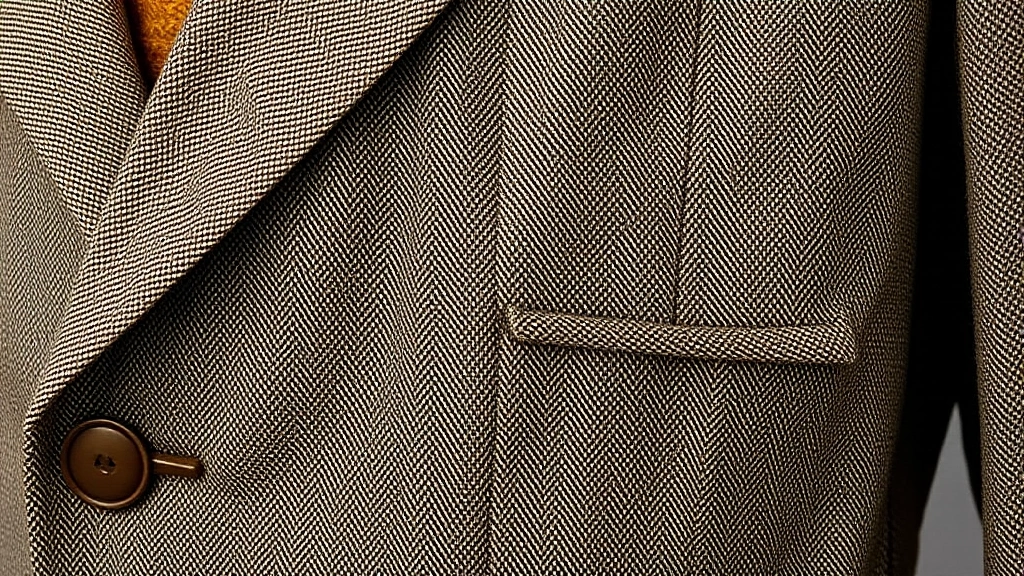
The suit remained the cornerstone of 1920s men’s fashion, serving as the foundation for virtually every formal and business occasion. However, the suit of the 1920s differed markedly from both its predecessors and successors. Jackets featured notched lapels almost exclusively, with a relatively modest peak that created clean, elegant lines. The single-breasted configuration dominated, typically featuring three buttons, though two-button styles gained popularity as the decade progressed.
Jacket construction emphasized a natural shoulder line achieved through minimal padding and expert tailoring. The chest area was relatively unpadded compared to Victorian standards, and waist suppression was minimal, creating that characteristic straight-line silhouette. Pockets were typically slanted on the chest and placed horizontally at the hips, with jetted pockets becoming increasingly common as the decade advanced. Ventilation at the back was limited, often just a center vent or no vent at all, contributing to the streamlined appearance.
Trousers were high-waisted, sitting at or above the natural waistline, and featured a straight cut through the hip and thigh. Early 1920s trousers had relatively moderate widths, but by mid-decade, the trend shifted dramatically toward wider legs. The famous “Oxford bags” style emerged in the late 1920s, featuring extraordinarily wide legs that could measure up to 24 inches at the hem. These weren’t merely a fashion statement; they represented a rebellion against previous formality and offered practical comfort for active lifestyles. Trousers typically featured a single pleat at the waistband, which helped accommodate the high waistline and provided a subtle vertical line through the leg.
Overcoats and topcoats were essential for the well-dressed man, serving both practical and aesthetic purposes. The preferred styles featured a relatively straight cut with minimal waist definition, extending to just below the knee. Chesterfield coats, with their distinctive velvet collar, remained popular throughout the decade. Raglan sleeves, which extended from the neckline to the underarm in one continuous line, became increasingly fashionable as the 1920s progressed. These coats were typically made from heavyweight wool, often in navy, charcoal, or camel, providing both warmth and sophisticated style.
Shirts, Ties, and Accessories
Dress shirts of the 1920s represented a significant departure from previous decades, embracing softer constructions and more varied colorways. While white remained the standard for formal occasions, the 1920s saw a growing acceptance of soft pastel colors, including pale blue, pink, cream, and lavender. These colored shirts represented a deliberate move toward personalization and self-expression within the framework of formal dress.
The ideal 1920s shirt featured a soft, rounded collar rather than the stiff, pointed collars of previous eras. Detachable collars remained popular but gradually gave way to attached collar styles as the decade progressed. Collar heights were moderate, typically sitting comfortably against the neck without the excessive height of earlier periods. Shirt fronts were relatively smooth, with minimal pleating, and cuffs were typically barrel-style or French cuffs, which could be worn with cufflinks for added sophistication.
Neckties represented one of the most visible expressions of individual style within 1920s menswear. The width of ties increased substantially during this period, with many ties measuring three to four inches at their widest point. Patterns became increasingly elaborate and varied, featuring everything from geometric designs to floral motifs and bold color combinations. Silk remained the preferred material, offering both visual richness and comfortable drape. Ties were typically worn with a simple knot, often the four-in-hand, and were secured with tie clips or pins, which became popular accessories during the 1920s.
Accessories played crucial roles in completing the 1920s look. Suspenders, or braces, were essential for keeping high-waisted trousers in place and came in various colors and patterns, often featuring leather or silk construction. Pocket watches and chains remained popular, though wristwatches were becoming more accepted. Cufflinks, typically in silver or gold, were essential for French-cuffed shirts. Handkerchiefs, both functional and decorative, were carried in jacket pockets. Many men also wore rings, often simple gold bands or signet rings, which added a subtle element of personal expression.
Footwear and Legwear
Shoes in the 1920s reflected the decade’s emphasis on quality construction and subtle style. Oxford shoes, featuring a closed lacing system, were the standard for business and formal wear. These shoes typically featured a relatively simple silhouette with clean lines and minimal ornamentation. Leather quality was paramount, with quality oxfords made from supple, well-finished leather that developed a rich patina with age.
Two-tone shoes, or spectator shoes, became increasingly popular during the 1920s, featuring contrasting leather colors that created visual interest while maintaining formal propriety. Common combinations included black and white, brown and white, or burgundy and white leather. These shoes represented a subtle way to inject personality into formal dress while adhering to the era’s strict conventions. Derby shoes, with their open lacing system, provided an alternative to oxfords and were often preferred for slightly less formal occasions.
Evening wear called for patent leather shoes, typically in black or deep burgundy, often featuring a subtle sheen that caught the light elegantly. These shoes were typically paired with evening dress, dinner jackets, and formal tailcoats. Some men favored pumps for the most formal occasions, a style that would seem unusual by contemporary standards but was perfectly acceptable during the 1920s.
Legwear deserves particular attention, as socks represented an important style element often overlooked in contemporary discussions of 1920s fashion. Socks were typically knee-length, ensuring that no bare leg was visible when seated. Colors varied based on outfit, with dark colors for business wear and more varied colors for casual occasions. Many 1920s socks featured patterns or subtle designs, allowing for personal expression in an otherwise conservative area of dress. Garters, which held socks in place, remained essential accessories, typically made from elastic with decorative metal fixtures.
Hats and Headwear
Hats were absolutely essential to 1920s men’s fashion, with virtually no respectable man venturing outside without appropriate headwear. The decade featured several distinct hat styles, each with specific applications and social contexts. Understanding these distinctions was crucial to being considered properly dressed.
The fedora emerged as the dominant hat style of the 1920s, featuring a creased crown and a brim that could be worn at various angles depending on personal preference and occasion. These hats were typically made from felt, often in neutral colors like gray, brown, or black, though lighter colors appeared for summer wear. The fedora’s versatility made it suitable for business, casual, and semi-formal occasions, and it remains iconic in contemporary perceptions of 1920s style.
Homburg hats, featuring a rolled brim and a center crease, represented a more formal alternative, typically reserved for business or formal daytime occasions. These hats conveyed a sense of authority and sophistication. Bowler hats, while declining in popularity during the 1920s, remained acceptable for certain occasions, particularly among older gentlemen or those in conservative professions.
For sports and casual wear, flat caps and newsboy caps provided practical alternatives, particularly for younger men or working-class individuals. These caps featured a small stiff brim and a rounded crown, offering protection from the sun while maintaining a casual aesthetic. Straw hats and Panama hats provided summer alternatives, offering both style and practical sun protection during warm months.
Casual and Sportswear Styles
The 1920s marked a significant shift toward accepting casual wear for everyday occasions, reflecting broader changes in social attitudes and lifestyle patterns. This emergence of casual wear represented a democratization of fashion, as men increasingly needed clothing suitable for active pursuits like golf, tennis, and motoring.
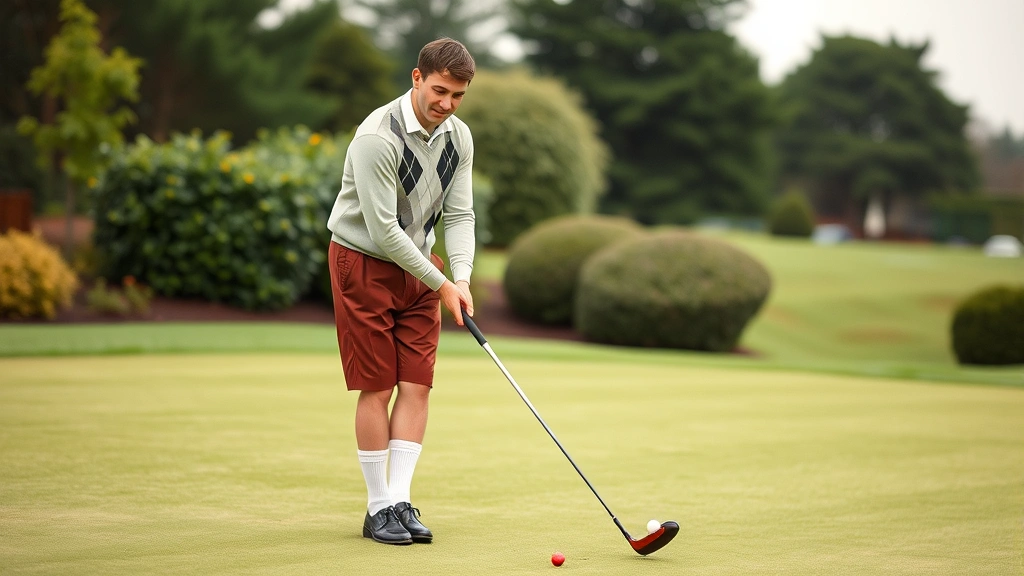
For golf, men wore knickers, which were baggy trousers that ended just below the knee, typically paired with long socks and sturdy shoes. Golf sweaters, often featuring argyle patterns or stripes, provided both warmth and style on the course. These outfits represented a complete departure from formal business wear, yet maintained their own standards of propriety and appropriate styling.
Tennis wear featured loose, comfortable shirts paired with white or cream-colored trousers or shorts, which represented a daring innovation for the era. Many tennis players wore cardigans or sweaters over their shirts, as complete exposure of the arms was still somewhat controversial. Appropriate footwear was crucial, with canvas shoes or specialized tennis shoes becoming increasingly common.
Beach wear and swimming attire evolved significantly during the 1920s. Men’s bathing suits became progressively more revealing, with many featuring minimal coverage compared to Victorian standards. However, even beach attire maintained certain standards, with most men wearing sleeveless tops or tank-style suits rather than modern minimal coverage. Robes and cover-ups were essential for transitions to and from the water.
The influence of these types of fashion innovations extended beyond sporting contexts, gradually influencing everyday casual wear. Polo shirts, originally designed for the sport, became acceptable casual wear. Open-collar shirts gained acceptance for non-business occasions. This gradual relaxation of formal standards set the stage for the even more casual approach to menswear that would characterize subsequent decades.
Color Palettes and Fabrics
The color palette of 1920s menswear was considerably more sophisticated and varied than many contemporary observers realize. While neutral tones dominated formal wear, the decade saw an expansion of acceptable colors for business and casual occasions. Understanding these color conventions helps in accurately recreating or adapting 1920s style for contemporary contexts.
For business suits and formal wear, charcoal gray, navy blue, and black dominated. These neutral tones conveyed professionalism and propriety. However, lighter grays and even subtle brown tones appeared with increasing frequency, particularly for summer wear. Burgundy and deep wine tones occasionally appeared in suits, particularly for evening wear or less formal business contexts.
Shirt colors expanded the palette considerably. While white remained the standard for formal occasions, soft pastels including pale blue, lavender, pink, and cream became increasingly acceptable. These colors were typically subtle and muted rather than bold, maintaining an overall sense of restraint and sophistication. Patterned shirts featuring subtle stripes or checks gained acceptance as the decade progressed.
Tie colors and patterns offered perhaps the greatest opportunity for individual expression. Bright colors, bold patterns, and creative combinations became increasingly common, particularly in the mid-to-late 1920s. Geometric patterns, art deco influences, and even abstract designs appeared on ties. Silk’s natural luster enhanced these colors, creating visual interest and depth.
Fabrics in 1920s menswear prioritized quality and durability. Wool dominated suit construction, with different weights appropriate for different seasons. Tweed, often featuring subtle color variations and patterns, became increasingly popular for business wear and casual jackets. Silk appeared in shirts, ties, and pocket squares, offering visual richness and comfortable drape. Linen, particularly for summer wear, provided breathability and a crisp appearance. Cotton featured prominently in casual wear and sportswear, offering practicality and comfort.
Texture played an important role in 1920s fabric selection. Subtle variations in weave created visual interest without appearing garish or ostentatious. Herringbone patterns, subtle checks, and tone-on-tone designs allowed for sophistication within conservative color palettes. This emphasis on subtle texture rather than bold pattern reflected the era’s overall aesthetic philosophy of restrained elegance.
Building Your 1920s Inspired Wardrobe Today
Creating a modern wardrobe inspired by 1920s menswear doesn’t require dressing exclusively in vintage pieces or adopting an entirely anachronistic appearance. Instead, thoughtful incorporation of 1920s silhouettes, proportions, and styling principles can create a sophisticated, timeless aesthetic that feels both historically informed and contemporary. This approach allows you to explore how to find your personal style while drawing inspiration from fashion history.
Begin with foundational pieces that capture the essential silhouette of the era. A well-tailored suit featuring a natural shoulder line, minimal waist suppression, and appropriate proportions provides the foundation for authentic 1920s-inspired styling. Look for tailors who understand classic proportions rather than contemporary slim-fit trends. The suit should feel comfortable and allow freedom of movement while maintaining clean, elegant lines.
Incorporate period-appropriate accessories to enhance the historical authenticity of your look. Quality leather shoes with simple, clean designs echo 1920s sensibilities without appearing costume-like. Silk ties in deeper colors or subtle patterns add visual interest while maintaining sophistication. Suspenders, whether visible or concealed, honor the high-waisted trouser proportions of the era. A quality fedora or homburg completes the look for special occasions.
Don’t overlook the importance of tailoring and fit. The 1920s silhouette depends heavily on precise tailoring that creates flattering proportions. Invest in professional alterations to achieve the correct jacket length, sleeve length, and trouser proportions. The time and money invested in proper tailoring yields exponentially greater style dividends than wearing ill-fitting garments.
Consider exploring different fashion styles that complement 1920s aesthetics, such as art deco influences or gatsby-inspired elements. These related styles share design philosophies with 1920s menswear while offering fresh perspectives on the era’s principles. Understanding these connections enriches your appreciation of the period and provides greater flexibility in creating cohesive personal style.
For those interested in deeper exploration, consult authoritative sources like Vogue’s fashion archives, which feature extensive historical documentation of 1920s menswear. The Metropolitan Museum of Art’s costume collection provides detailed information about period construction and materials. Fashion historians and vintage clothing specialists offer invaluable insights into the nuances of authentic 1920s style.
Remember that successful style adaptation involves understanding underlying principles rather than slavish historical recreation. The 1920s emphasized quality construction, appropriate proportions, restrained elegance, and subtle personal expression within established conventions. Applying these principles to contemporary contexts, using modern fabrics and construction techniques while maintaining period silhouettes, creates authentic-feeling style that remains relevant and wearable in contemporary settings.
Visit the Style Loom Daily Blog for additional insights into fashion principles and style guidance. The Fashion Style section provides comprehensive resources for developing your personal aesthetic, while exploring various fashion types helps contextualize 1920s menswear within broader fashion frameworks.
FAQ
What are the most essential pieces for a 1920s menswear wardrobe?
The foundational pieces include at least two quality suits with natural shoulder lines, multiple dress shirts in white and soft colors, silk ties, an overcoat, dress shoes, appropriate hats, and suspenders. These pieces work together to create numerous outfit combinations while maintaining authentic 1920s styling.
How do 1920s trousers differ from modern styles?
1920s trousers featured a high waistline, straight cut through the hip and thigh, and gradually widened legs as the decade progressed. The famous “Oxford bags” of the late 1920s featured extraordinarily wide legs, sometimes measuring up to 24 inches at the hem. Early 1920s styles featured more moderate widths but still appeared wider than contemporary trends.
Were colored shirts acceptable in the 1920s?
Yes, while white remained standard for formal occasions, the 1920s saw increasing acceptance of soft pastel colors including pale blue, pink, lavender, and cream for business and semi-formal wear. These colors were typically subtle and muted rather than bold.
What role did hats play in 1920s menswear?
Hats were absolutely essential, with virtually no respectable man venturing outside without appropriate headwear. The fedora was the dominant style, suitable for business, casual, and semi-formal occasions. Homburgs represented more formal alternatives, while flat caps and newsboy caps provided casual options for younger men or working-class individuals.
How can I incorporate 1920s style into contemporary wardrobes?
Focus on silhouette and proportions rather than exact historical recreation. Invest in well-tailored suits featuring natural shoulder lines and appropriate proportions. Incorporate period-appropriate accessories like quality leather shoes, silk ties, and hats. Work with skilled tailors who understand classic proportions, and apply 1920s design principles to modern contexts using contemporary fabrics and construction techniques.
What fabrics were most common in 1920s menswear?
Wool dominated suit construction, with tweed becoming increasingly popular for business wear and casual jackets. Silk appeared in shirts, ties, and accessories, offering visual richness and comfortable drape. Linen provided breathability for summer wear, while cotton featured in casual and sportswear. Quality and subtle texture were prioritized over bold patterns.