
Top Fashion Merchandising Jobs: Insider Advice for Career Success
The fashion industry thrives on strategic talent and creative vision, with fashion merchandising jobs representing some of the most dynamic and rewarding career paths available today. Whether you’re drawn to the analytical side of retail or the creative aspects of product development, merchandising offers diverse opportunities to shape how consumers experience fashion. These roles bridge the gap between design and sales, requiring a unique blend of business acumen, trend forecasting expertise, and customer insight that makes merchandising professionals invaluable to fashion brands worldwide.
Merchandising professionals are the architects behind every successful product launch, seasonal collection, and retail strategy you see in stores and online. From visual merchandisers creating stunning window displays to strategic merchandisers analyzing consumer behavior and inventory data, this field encompasses positions that directly impact a brand’s bottom line and market presence. If you’re considering a career in fashion merchandising, understanding the landscape of available positions, required skills, and advancement opportunities is essential for making informed decisions about your professional future.
Understanding Fashion Merchandising Career Landscape
The fashion merchandising industry has evolved dramatically over the past decade, shaped by digital transformation, global supply chain complexities, and shifting consumer expectations. Today’s merchandising professionals operate in an environment where data analytics, sustainability considerations, and omnichannel retail strategies are non-negotiable competencies. The sector encompasses luxury brands, fast-fashion retailers, department stores, e-commerce platforms, and specialty boutiques—each offering distinct career trajectories and work environments.
What makes fashion merchandising particularly appealing is its intersection of creativity and commerce. Unlike pure design roles that focus on aesthetic innovation, merchandising professionals must understand both the artistic vision behind collections and the practical realities of retail performance. This dual responsibility means you’ll spend time analyzing sales reports and trend forecasts while also developing an eye for what resonates with consumers. The role requires someone who can interpret runway shows, understand supply chain logistics, and predict which items will fly off shelves three seasons from now.
The current job market for merchandising positions remains robust, with luxury conglomerates, established retailers, and emerging direct-to-consumer brands all actively recruiting talent. According to industry reports, positions in merchandising have seen consistent growth, particularly for professionals with expertise in digital analytics, sustainable sourcing, and global market trends. Remote work opportunities have also expanded significantly, allowing merchandisers to work for prestigious international brands without geographic constraints.
Top Fashion Merchandising Job Roles Explained
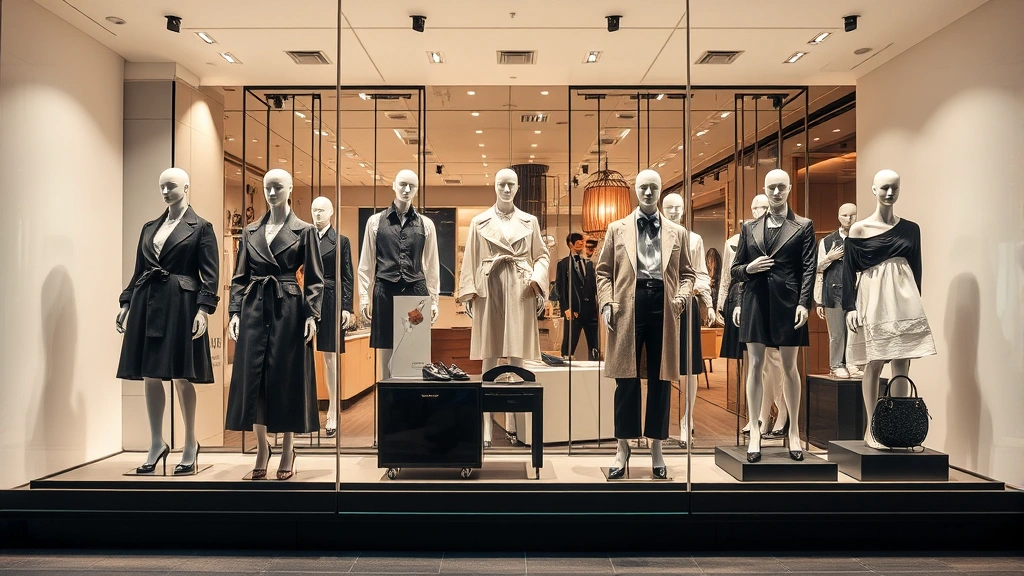
Visual Merchandiser positions represent the most customer-facing segment of merchandising careers. These professionals design and execute window displays, floor layouts, and in-store presentations that transform retail spaces into immersive brand experiences. Visual merchandisers combine artistic sensibility with spatial reasoning, using color theory, lighting design, and storytelling to guide customer journeys through stores. They work closely with marketing teams, brand managers, and store operations to ensure every display aligns with seasonal campaigns and brand identity. This role offers tremendous creative satisfaction and direct visibility into how your work influences customer behavior and sales.
Product Merchandiser roles focus on the strategic side of product selection and positioning. These professionals analyze sales data, inventory levels, and consumer trends to determine which products should be featured, how they should be priced, and where they should be positioned within the product assortment. Product merchandisers work with buyers, designers, and supply chain managers to ensure the right inventory reaches the right locations at the right time. This position requires strong analytical skills, business acumen, and the ability to interpret complex datasets to make decisions that impact profitability.
Planogram Specialist positions involve creating detailed visual representations of how products should be arranged on retail shelves. These professionals use specialized software to design optimal shelf layouts that maximize visibility, encourage impulse purchases, and maintain brand standards across multiple store locations. Planogram specialists must understand consumer psychology, retail space constraints, and product hierarchies. Their work directly impacts how effectively shelf space generates sales, making this role critical for retail success.
Merchandising Manager roles oversee entire merchandising teams and strategy for specific brands, categories, or regions. These professionals develop merchandising plans, manage budgets, mentor junior staff, and collaborate with senior leadership to achieve sales targets and brand objectives. Merchandising managers combine hands-on expertise with leadership capabilities, making strategic decisions about product assortment, pricing strategies, and promotional activities. This is often an ideal stepping stone toward senior retail or brand management positions.
Fashion Buyer positions, while technically distinct from merchandising, work in tandem with merchandising teams. Buyers select which products to purchase from manufacturers and suppliers, negotiating terms and quantities. Many professionals transition between buying and merchandising roles throughout their careers, as both require understanding market trends, consumer preferences, and financial implications of inventory decisions. Learn more about fashion marketing strategies that support buying and merchandising initiatives.
Digital Merchandiser roles have emerged as increasingly important positions managing e-commerce product presentation, website layout optimization, and online inventory strategy. Digital merchandisers apply the same strategic principles as traditional merchandisers but within digital environments, optimizing product pages, category navigation, and recommendation algorithms. As e-commerce continues expanding, digital merchandising expertise commands premium salaries and offers fascinating career growth opportunities.
Allocation Specialist positions focus on distributing inventory across multiple store locations based on sales velocity, store size, customer demographics, and local preferences. These professionals use sophisticated software and data analysis to ensure each location receives appropriate inventory levels, minimizing both stockouts and excess inventory. This role requires strong quantitative skills and attention to detail, as allocation decisions directly impact store profitability and customer satisfaction.
Essential Skills and Qualifications
Success in fashion merchandising jobs requires a diverse skill set combining creative sensibility with analytical prowess. Data analysis capabilities represent perhaps the most critical technical skill, as modern merchandising relies heavily on interpreting sales reports, inventory management systems, and consumer behavior analytics. Proficiency with retail software platforms, Excel spreadsheets, and business intelligence tools is increasingly essential. Many positions require familiarity with specific platforms like SAP, JDA, or Shopify, depending on the employer.
Visual and aesthetic sensibility remains fundamental, even for analytically-focused merchandising roles. You must understand color theory, design principles, fashion trends, and how visual presentation influences consumer perception and purchasing behavior. This doesn’t necessarily mean formal design training, but rather a cultivated eye for what works aesthetically and commercially. Regular engagement with fashion industry publications and trend reports helps develop this critical skill.
Communication and collaboration skills are essential, as merchandisers work across numerous departments including design, marketing, operations, and finance. You’ll need to articulate your ideas clearly, present data-driven recommendations to leadership, and coordinate with teams across different functions and often different geographies. Strong presentation skills and the ability to influence stakeholders are particularly valuable for advancement.
Financial acumen matters significantly in merchandising roles, particularly for positions with budget responsibility. Understanding profit margins, markups, markdowns, inventory turnover, and return on investment enables you to make decisions that balance creative vision with financial reality. Many successful merchandisers complete additional training in retail finance or business analytics to strengthen this competency.
Trend forecasting knowledge distinguishes exceptional merchandisers from average performers. This involves understanding how macro trends—social movements, economic conditions, technological innovations, cultural shifts—translate into consumer fashion preferences. Familiarity with Vogue and other trend forecasting resources helps develop this crucial perspective.
Problem-solving and adaptability are essential given the fashion industry’s unpredictability. Supply chain disruptions, unexpected trend shifts, competitive pressures, and seasonal variations require merchandisers to think creatively and adjust strategies quickly. The ability to remain calm under pressure while developing innovative solutions distinguishes top performers.
Formal education pathways typically include fashion merchandising degrees, retail management programs, or related disciplines like business administration or fashion studies. However, many successful merchandisers enter the field through entry-level retail positions and develop expertise through hands-on experience combined with professional development courses. Certifications in retail management or fashion buying can enhance credentials and earning potential.
Building Your Merchandising Career Path
Most fashion merchandising professionals begin their careers in entry-level positions that provide foundational experience and industry exposure. Sales associate positions in retail environments offer valuable perspective on customer preferences, product performance, and in-store dynamics. These roles teach you how consumers interact with merchandise and what drives purchasing decisions. Many major retailers actively recruit high-performing sales associates for merchandising training programs.
Assistant Merchandiser or Merchandising Coordinator positions represent typical entry points for merchandising-specific careers. These roles involve supporting senior merchandisers with data analysis, creating visual presentations, maintaining planograms, and coordinating with store teams. Entry-level positions provide exposure to merchandising software, retail operations, and decision-making processes while building a foundational understanding of how merchandising impacts business results.
Advancement typically follows a progression from coordinator roles to specialist positions, then to senior merchandiser or manager roles. Timeline varies based on performance, company size, and economic conditions, but competent professionals can expect promotion opportunities every 2-3 years. Many companies offer structured career development programs that accelerate advancement for high-potential employees.
Building strong relationships across departments accelerates career growth significantly. Merchandisers who collaborate effectively with buyers, designers, marketing professionals, and store operations teams develop broader perspectives and stronger professional networks. These relationships often lead to mentorship opportunities and visibility with senior leadership, both critical for advancement.
Specialization can also accelerate career growth. Developing deep expertise in specific categories, customer segments, or merchandising functions—such as becoming the company expert in sustainable sourcing or digital merchandising—makes you invaluable and opens doors to specialized high-level positions. Consider exploring fashion design software and specialized tools to develop technical expertise that distinguishes you from peers.
Lateral moves between companies often accelerate career progression more quickly than climbing the ladder within a single organization. Each company brings different merchandising philosophies, customer bases, and product categories, and professionals who accumulate diverse experience become more valuable to employers. However, balance this with building institutional knowledge and relationships within your current organization.
Consider pursuing additional credentials to enhance marketability. National Retail Federation certifications, fashion business programs from institutions like Fashion Institute of Technology, and specialized courses in retail analytics or digital merchandising strengthen your professional credentials and earning potential.

Industry Insights and Market Trends
Sustainability and ethical sourcing have become central to merchandising strategy, particularly for brands targeting conscious consumers. Merchandisers increasingly must understand environmental impact, labor practices, and supply chain transparency as these factors influence both brand reputation and purchasing decisions. Companies seeking to strengthen their sustainability credentials actively recruit merchandisers with expertise in ethical sourcing and sustainable product selection.
Data analytics and artificial intelligence are transforming merchandising functions significantly. Advanced analytics enable more precise demand forecasting, personalized product recommendations, and optimized inventory allocation. Merchandisers who develop proficiency with AI-powered tools, predictive analytics, and machine learning applications position themselves for premium roles. The integration of technology into merchandising creates opportunities for those who combine traditional merchandising knowledge with technical expertise.
Omnichannel merchandising strategies recognize that modern consumers shop across multiple channels—physical stores, websites, mobile apps, social commerce—and expect seamless experiences. Merchandisers must ensure consistent product presentation, pricing, and availability across all channels while optimizing each channel’s unique characteristics. This complexity creates demand for merchandisers who understand both digital and physical retail environments.
Personalization and customization represent growing trends as brands seek to differentiate themselves and increase customer loyalty. Merchandisers are increasingly responsible for creating personalized assortments, recommendations, and experiences based on individual customer preferences and behavior. This requires sophisticated understanding of customer data and segmentation strategies.
Fast-fashion and trend acceleration continue reshaping merchandising responsibilities. The speed at which trends emerge and fade requires more agile merchandising processes and quicker decision-making. Companies like Zara have demonstrated the competitive advantage of rapid merchandising cycles, pushing the industry toward faster inventory turns and more frequent assortment changes.
Direct-to-consumer brands have disrupted traditional retail hierarchies, creating new merchandising opportunities. These brands often employ smaller, more agile merchandising teams with broader responsibilities. For professionals seeking autonomy and diverse responsibilities, direct-to-consumer companies offer compelling alternatives to traditional retail structures.
The Fashion Institute of Technology and similar institutions continue developing curricula that prepare students for these evolving merchandising roles, emphasizing both traditional skills and emerging competencies.
Salary Expectations and Compensation
Compensation in fashion merchandising jobs varies significantly based on location, company size, brand prestige, experience level, and specific role. Entry-level positions like Merchandising Coordinators typically earn $30,000-$40,000 annually, while Assistant Merchandisers command $35,000-$50,000. These salaries vary considerably based on geographic location, with major fashion hubs like New York, Los Angeles, and Miami offering higher compensation to offset higher living costs.
Mid-level positions such as Senior Merchandiser or Specialist roles typically range from $50,000-$75,000 annually. Merchandising Managers overseeing teams and strategic functions earn $70,000-$100,000 or more. Senior Director and VP-level positions in merchandising can exceed $150,000, particularly at major luxury conglomerates or large retailers.
Luxury brands typically offer higher compensation than mass-market retailers, reflecting both brand prestige and typically higher product margins. LinkedIn Salary data suggests that professionals at luxury brands earn 15-25% more than counterparts in fast-fashion or department store environments.
Compensation packages often include benefits beyond base salary. Performance bonuses tied to merchandising metrics and sales targets can add 10-20% to annual compensation. Retail employees typically receive employee discounts ranging from 20-40%, which appeals to fashion-conscious professionals. Benefits packages vary by company but often include health insurance, retirement contributions, professional development budgets, and paid time off.
Remote or hybrid work arrangements have expanded compensation discussions beyond geographic limitations. Companies recruiting merchandisers for remote positions sometimes offer competitive national salaries rather than location-based scales, creating opportunities for professionals in lower-cost regions to earn competitive compensation.
Resources for Landing Your Dream Role
Landing a position in fashion merchandising requires strategic networking, skill development, and targeted job search efforts. Professional organizations like the National Retail Federation and industry associations offer networking events, conferences, and job boards where merchandising positions are regularly posted. These organizations also provide professional development resources and industry insights valuable for career advancement.
Fashion-focused job boards and recruiting platforms like Fashion United, StyleCareers, and industry-specific LinkedIn groups concentrate opportunities in this niche field. Setting up job alerts for relevant keywords ensures you learn about new positions quickly. Many companies recruit through these specialized channels before posting on general job boards.
Building a strong portfolio or professional presentation showcasing your merchandising work—successful campaigns, visual displays, sales results, or analytical insights—significantly strengthens your candidacy. Even entry-level candidates can create portfolios documenting retail experiences, trend analyses, or merchandising concepts they’ve developed.
Informational interviews with professionals currently in merchandising roles provide invaluable insights into day-to-day responsibilities, required skills, and career trajectories. Many professionals appreciate genuine interest in their work and offer mentorship to aspiring merchandisers. Reaching out through LinkedIn or industry connections often leads to these valuable conversations.
Internships and temporary positions during peak retail seasons provide excellent entry points and often convert to permanent roles. Retailers actively recruit seasonal staff with an eye toward identifying future merchandising talent. Performing exceptionally in seasonal positions demonstrates capabilities and creates internal networks that facilitate advancement.
Consider pursuing education in fashion consulting and related fields to understand broader industry perspectives. Additionally, staying current with fashion influencers and trend movements helps you develop the cultural awareness essential for understanding consumer preferences.
Developing expertise in specific software platforms—whether retail management systems, visual merchandising tools, or data analytics platforms—makes you more immediately valuable to employers. Many platforms offer free training or certifications that enhance your professional credentials without requiring formal degree programs.
FAQ
What degree do I need for fashion merchandising jobs?
While fashion merchandising or retail management degrees are valuable, they’re not strictly required. Many successful merchandisers have degrees in business, marketing, or even unrelated fields, entering the industry through retail positions and developing expertise through experience. However, specialized fashion merchandising degrees from institutions like FIT provide focused curriculum and industry connections that can accelerate career entry and advancement.
How much experience do I need to become a Merchandising Manager?
Typically, companies expect 5-8 years of merchandising experience before considering candidates for manager roles, though this varies by company and candidate qualifications. Some high-potential individuals advance faster through strong performance and demonstrated leadership capabilities, while others may require additional experience. Lateral moves from related fields like buying or marketing can sometimes accelerate progression to management positions.
Are fashion merchandising jobs stable during economic downturns?
Merchandising positions tend to be relatively stable even during economic challenges, as retailers always need professionals managing inventory and driving sales. However, entry-level positions may face more vulnerability during recessions than senior roles. Companies typically protect experienced merchandisers who directly impact profitability, making seniority and specialized expertise valuable insurance against economic disruption.
Can I work in fashion merchandising remotely?
Remote and hybrid opportunities have expanded significantly in fashion merchandising, particularly for roles focused on data analysis, digital merchandising, and strategic planning. Visual merchandising and some buyer roles require in-person presence for store visits and market research. Many companies now offer hybrid arrangements allowing remote work for analytical tasks combined with periodic office or store visits.
What’s the difference between merchandising and buying?
Buyers select which products to purchase from manufacturers and suppliers, focusing on sourcing and negotiation. Merchandisers determine how to present, position, and allocate those products to maximize sales and profitability. While distinct roles, they collaborate closely and professionals often transition between functions. Both require understanding consumer preferences and market trends, but merchandising emphasizes presentation and allocation while buying emphasizes sourcing and vendor relationships.
How do I stay current with fashion trends as a merchandiser?
Successful merchandisers maintain trend awareness through multiple channels: following fashion publications, attending industry events and trade shows, monitoring social media and influencer content, analyzing competitor offerings, and engaging directly with customers. Many companies provide professional development budgets for attending fashion weeks, conferences, and training programs that keep merchandisers current with industry developments.