16th Century Fashion: Historian Insights into Renaissance Elegance and Social Status
The 16th century represents one of the most transformative periods in fashion history, a time when clothing transcended mere functionality to become a powerful statement of wealth, status, and cultural identity. During the Renaissance, garments evolved dramatically across Europe, reflecting the era’s artistic renaissance, exploration, and shifting social hierarchies. From the opulent courts of Tudor England to the vibrant streets of Venice, fashion became a visual language that communicated everything about a person’s place in society. Understanding 16th century fashion provides fascinating insights into how people expressed themselves, navigated social expectations, and participated in the cultural movements of their time.
Fashion historians and museum curators have spent decades analyzing surviving garments, portraits, and written records to piece together the complete picture of Renaissance dress. These scholars have discovered that 16th century fashion was far more complex and intentional than many realize, governed by strict sumptuary laws, influenced by international trade, and driven by the ambitions of powerful monarchs who used clothing as a tool of political control. The silhouettes, fabrics, and embellishments of this period tell stories of exploration, religious transformation, and the emergence of fashion as we understand it today.
Silhouettes and Structural Evolution
The defining characteristic of 16th century fashion was the dramatic transformation of the human silhouette through innovative construction techniques and structural undergarments. Early in the century, women’s fashion featured the iconic hourglass figure achieved through rigid corsetry, while men’s clothing emphasized broad shoulders and a narrow waist. These exaggerated proportions weren’t achieved through padding alone—they required sophisticated engineering with boning, layering, and strategic construction that modern fashion historians compare to architectural design.
The Spanish farthingale, introduced in the 1470s but reaching peak popularity during the 16th century, revolutionized women’s silhouettes by creating a dome-shaped or bell-shaped skirt that extended far from the body. This framework, constructed from hoops of wood, wire, or bone, allowed skirts to achieve unprecedented volume while maintaining a smooth, structured appearance. The English variation, known as the drum farthingale, created an even more extreme horizontal projection. These garments required significant fabric and demonstrated the wearer’s wealth and status—only women of means could afford the yards of expensive material required to fill such expansive skirts.
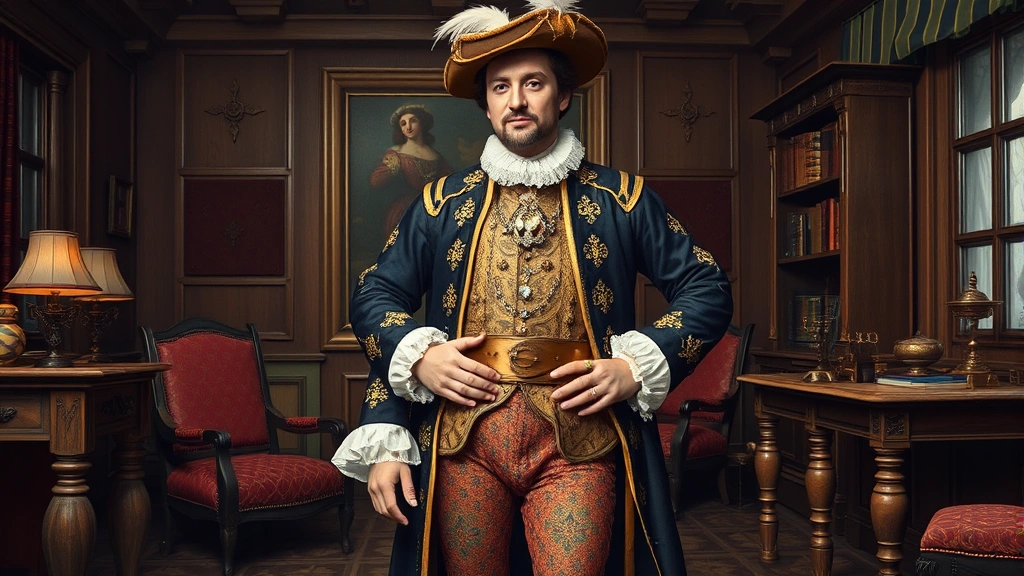
Men’s fashion during this period emphasized power and authority through broad-shouldered doublets heavily padded with wool or horsehair. The peascod belly, a distinctive bulbous projection at the front of the doublet, became fashionable in the latter half of the century, creating an almost exaggerated masculine silhouette. Hose, tight-fitting leg coverings made from wool or linen, displayed the male form prominently and were often brightly colored or patterned. This combination of structured, padded upper garments and revealing lower garments created a distinctive visual impact that conveyed strength and confidence.
Understanding how these silhouettes were created reveals the sophistication of 16th century tailoring. Tailors were highly skilled professionals who served apprenticeships lasting many years, learning to manipulate fabric, create complex seams, and construct the internal structures that made these dramatic shapes possible. The precision required to create perfectly fitted doublets or smoothly draped gowns demanded mathematical knowledge and technical expertise that elevated tailoring to an art form.
Fabrics, Materials, and Luxury Trade
The fabrics available during the 16th century directly reflected the era’s global exploration and expanding trade networks. Silk, imported from Asia via the Silk Road and increasingly through maritime routes, represented the ultimate luxury fabric. Velvet, another precious textile, was particularly prized for its lustrous surface and rich color absorption. Damask, a fabric with woven patterns, and taffeta, known for its crisp rustling quality, became status symbols among the European nobility. These materials were extraordinarily expensive—a single yard of fine silk could cost as much as a laborer’s annual wages.
Wool remained the most common fabric for everyday wear across all social classes, but the quality varied dramatically based on price and availability. Fine wool from Flanders and England was highly sought after, while coarser wool served working-class populations. Linen, made from flax fibers, was used for undergarments, shirts, and collars, with fine Irish linen being particularly prized. Cotton, still relatively rare in Europe during the early 16th century, gradually became more available as trade with the Americas and Asia expanded.
The acquisition of these materials was a complex affair involving international merchants, trade routes, and significant financial investment. The wealthy patronized fashion historians and curators who advised on the latest fabrics and techniques. Venice and other Mediterranean ports served as crucial distribution centers for Asian textiles, making them fashion capitals where the newest materials first appeared. This connection between global trade and fashion demonstrates how 16th century clothing was deeply intertwined with exploration and commerce.
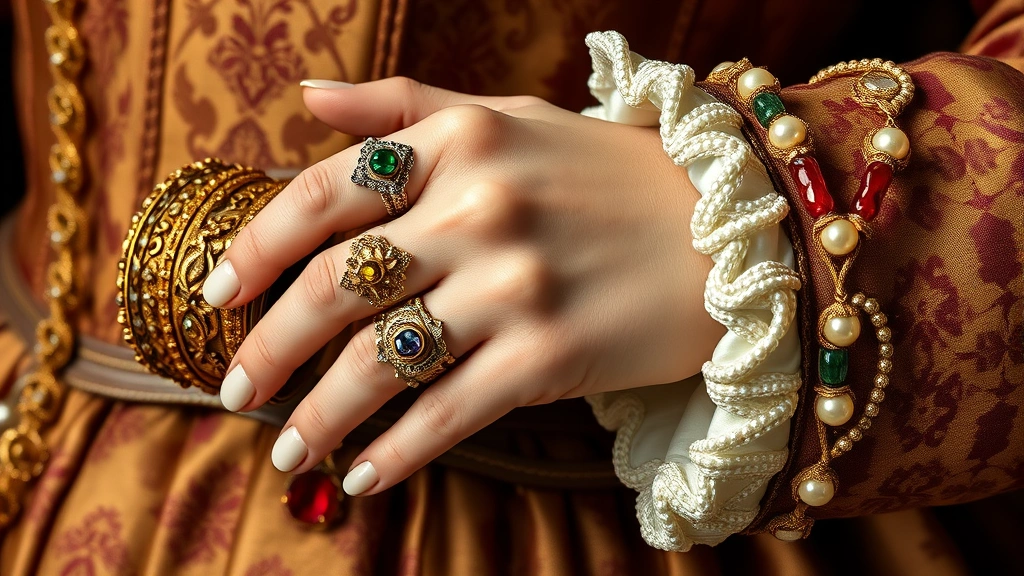
Embellishment techniques further enhanced the value of these precious fabrics. Gold and silver thread, used for embroidery and passementerie (decorative trim), added significant cost to garments. Pearls, often sewn directly onto fabric, and precious stones adorned the garments of the wealthy. These embellishments weren’t merely decorative—they served as portable wealth, allowing the wearer to display their financial resources literally on their body. A single elaborately embroidered court gown could represent an investment equivalent to a substantial estate.
Gender-Specific Dress Codes and Social Expectations
The 16th century established increasingly rigid distinctions between men’s and women’s fashion, with each gender’s clothing communicating specific messages about their role in society. Women’s fashion emphasized fertility, modesty (despite revealing necklines), and marriageability through the cultivation of specific silhouettes and the display of valuable materials. The emphasis on the waist—either cinched tightly or emphasized through the farthingale—reflected cultural preoccupation with women’s bodies as vessels for reproduction and symbols of male possession.
Women’s garments consisted of multiple layers: the chemise (linen shift worn against the skin), the corset or stays (the structural foundation), the farthingale or hoop skirt (creating volume), the kirtle or underdress, and finally the overdress or gown. This layering served both practical and symbolic purposes—it created the desired silhouette while also literally restricting women’s movement and reinforcing their social role as stationary ornaments within domestic or court spaces. The process of dressing was time-consuming and often required assistance from servants, further emphasizing that such fashion was accessible only to women with leisure time and resources.
Men’s fashion, by contrast, emphasized mobility, authority, and martial prowess. Men’s clothing allowed for movement necessary for riding, fighting, and active participation in public life. The doublet and hose combination displayed the male form prominently, celebrating the body as a site of strength rather than reproduction. Men’s fashion also incorporated more varied colors and patterns than women’s fashion, with bright hues and bold designs signaling confidence and status.
The neckline represents a particularly interesting gender distinction. While women’s necklines became increasingly low and revealing throughout the century—a trend that scandalized clergy and moralists—men’s necklines remained relatively high and modest. This paradox reveals the contradictions inherent in Renaissance attitudes toward gender and the body. Women’s revealing necklines weren’t intended to be sexually liberating but rather to display wealth through the exhibition of jewelry and the family’s ability to provide valuable garments. The exposure of flesh was controlled, framed, and ultimately objectifying rather than empowering.
Accessories and Jewelry Significance
Accessories in 16th century fashion served as crucial communicators of status, wealth, and aesthetic sophistication. Jewelry wasn’t merely decorative—it represented portable wealth and demonstrated access to precious materials and master craftsmen. Rings, particularly those set with gemstones, were worn in abundance by the wealthy; it wasn’t unusual for a noble to wear multiple rings on each finger. Brooches served both functional and decorative purposes, fastening garments while displaying precious metals and stones.
Necklaces and pendants held particular significance, especially for women. These pieces often incorporated religious iconography, family crests, or references to classical mythology. Pearls, imported from the Americas and Asia, became increasingly popular as the century progressed and trade expanded. A single strand of pearls could represent a family’s wealth, and multiple strands draped across the chest became a status symbol among European nobility.
Hats and headdresses were essential components of 16th century fashion and communicated marital status, social position, and religious affiliation. Unmarried women often wore their hair visible or covered with simple coifs, while married women wore more elaborate headdresses that covered most or all of the hair. The French hood, a distinctive crescent-shaped headdress with a curved top and often a decorative veil, became fashionable during the first half of the century. The gable hood, with its distinctive peaked shape, was particularly popular in Tudor England and Northern Europe. Men wore various styles of caps, berets, and feathered hats depending on occasion and region.
Gloves represented another significant accessory category. Fine leather gloves, often perfumed and embroidered, were luxury items that appeared frequently in inventories of wealthy individuals. Gloves served practical purposes while also displaying wealth and refinement. Similarly, fans—particularly those with jeweled handles and decorative painted surfaces—became increasingly fashionable, particularly among women in Mediterranean regions.
Footwear, though often hidden beneath long skirts and hose, received considerable attention from the wealthy. Shoes made from soft leather, sometimes embroidered or decorated with jewels, were status symbols. The poulaine, a shoe with an extremely long pointed toe, remained popular during the early 16th century before gradually disappearing as silhouettes evolved. By century’s end, rounder toe shapes had become fashionable.
Regional Variations Across Europe
While certain fashion trends spread across Europe through trade, cultural exchange, and dynastic marriages, distinct regional styles emerged and persisted throughout the 16th century. Tudor England, under the rule of Henry VIII and his successors, developed a particularly distinctive fashion aesthetic that blended Continental influences with English traditions. The broad-shouldered, heavily jeweled styles favored by Henry VIII influenced English fashion for decades. The introduction of the Spanish farthingale from the Iberian Peninsula gradually replaced the earlier English hoop skirt styles, demonstrating how fashion evolved through cultural contact and royal preference.
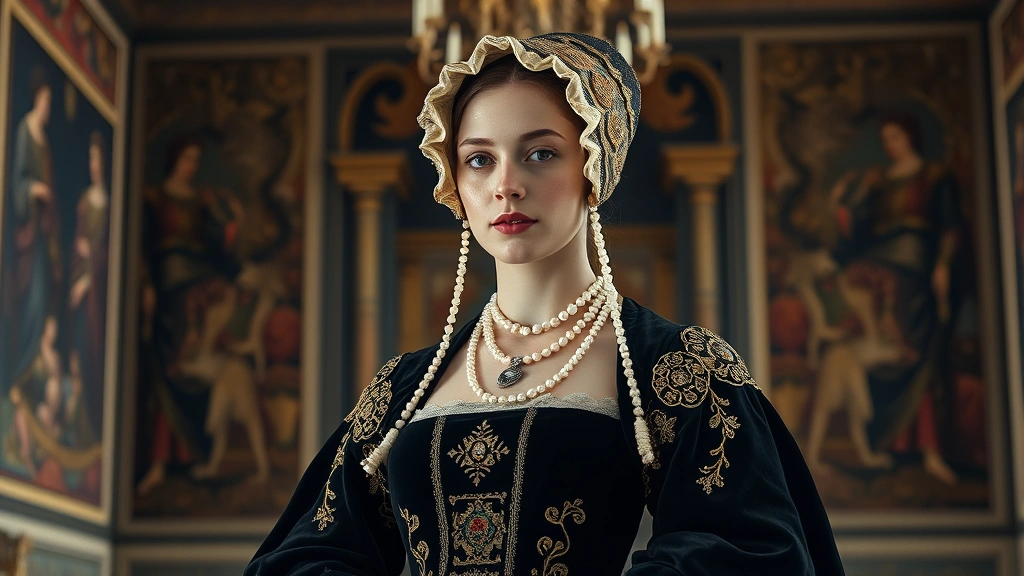
Spanish fashion exerted tremendous influence throughout the 16th century, as Spain emerged as a dominant European power following the unification of Castile and Aragon and the expansion of the Spanish Empire. Spanish court fashion emphasized dark colors, particularly black, which conveyed both sophistication and wealth (black dye was expensive and required multiple applications to achieve deep, rich tones). The Spanish farthingale, with its distinctive dome or bell shape, became the silhouette of choice across much of Europe. Spanish influence on fashion was so pronounced that the period is sometimes called the “Spanish period” of Renaissance fashion.
Italian fashion, particularly from Venice and Florence, maintained distinctive characteristics influenced by the region’s wealth from banking and trade. Italian nobles favored rich fabrics and elaborate embroidery, and Italian tailoring techniques were renowned throughout Europe. The Italian Renaissance’s artistic achievements influenced fashion design, with artists sometimes creating costume designs and wealthy patrons commissioning garments that reflected artistic principles of proportion and harmony.
French fashion, particularly after the reign of Francis I, developed its own distinctive character that would eventually challenge Spanish dominance. French court fashion emphasized elegance and refinement, with an appreciation for innovative design and artistic expression. The French hood, for instance, became closely associated with French fashion and was widely adopted across Northern Europe. French influence on fashion would grow throughout the century and eventually surpass Spanish dominance by the 17th century.
Northern European fashion, particularly in the German states and the Low Countries, incorporated elements from Italian, Spanish, and French styles while maintaining regional characteristics. Flemish and Dutch fashion was known for careful attention to detail and fine craftsmanship. The wealth generated by trade in these regions allowed for substantial investment in fashionable clothing, and Northern European merchants and nobles were known as sophisticated fashion consumers.
Sumptuary Laws and Social Control Through Fashion
One of the most revealing aspects of 16th century fashion is the existence and enforcement of sumptuary laws—legislation designed to regulate what people of different social classes could wear. These laws explicitly restricted the use of certain fabrics, colors, and embellishments based on social rank, effectively using fashion as a tool of social control. Sumptuary laws weren’t new to the 16th century, but they became increasingly detailed and more frequently enforced during this period as monarchs sought to maintain rigid social hierarchies.
In England, sumptuary laws specified exactly which materials and colors could be worn by different social classes. Silk, velvet, and cloth of gold were often reserved exclusively for royalty and the highest nobility. Certain colors, particularly purple and scarlet (achieved through expensive dyes), were restricted to the upper classes. Penalties for violations could be severe, including fines, confiscation of garments, or even physical punishment. These laws reveal the anxiety that rulers felt about social mobility and the power they attributed to fashion in either reinforcing or destabilizing social order.
The enforcement of sumptuary laws was inconsistent and often ineffective, particularly as wealth generated through trade created a merchant class that didn’t fit neatly into traditional aristocratic hierarchies. Wealthy merchants often violated sumptuary laws by wearing fabrics and colors supposedly reserved for nobility, leading to ongoing conflict between traditional nobility and the emerging merchant class. This tension between legal restrictions and actual practice demonstrates how fashion style could challenge and ultimately undermine established social structures.
Religious authorities also attempted to regulate fashion through their own sumptuary laws and moral pronouncements. Clergy condemned excessive ornamentation, revealing necklines, and extravagant expenditure on clothing as violations of Christian principles of humility and modesty. Despite these condemnations, religious figures themselves often wore elaborate vestments that demonstrated ecclesiastical power and wealth, creating a contradiction between their moral teachings and their actual practice. This hypocrisy wasn’t lost on contemporary observers and contributed to religious tensions that would erupt during the Protestant Reformation.
The existence and attempted enforcement of sumptuary laws reveals that 16th century society understood fashion as a language of social communication. Clothing wasn’t simply a matter of personal preference or aesthetic choice—it was a regulated system through which social order was maintained and enforced. The increasing difficulty in maintaining these regulations throughout the century suggests that fashion was becoming a more democratic and less controllable form of self-expression, even as authorities attempted to restrict it.
For those interested in exploring how fashion continues to communicate social status and personal identity, examining how to find your personal style reveals the lasting legacy of fashion’s role in self-expression that began during the Renaissance. Similarly, exploring contemporary men’s fashion shows how many principles established during the 16th century persist in modern menswear.
Frequently Asked Questions
What was the most common fabric used in 16th century fashion?
Wool was by far the most common fabric for everyday wear across all social classes. However, silk, velvet, damask, and linen were highly prized among the wealthy. The quality and type of fabric directly indicated the wearer’s social status and wealth.
How did 16th century fashion reflect social status?
Social status was communicated through multiple fashion elements: the type of fabric worn, the presence and quality of embellishments, the complexity of construction, and adherence to or violation of sumptuary laws. Only the wealthy could afford the expensive materials, elaborate embroidery, and multiple layers of clothing that characterized fashionable dress.
What was the purpose of the farthingale?
The farthingale was a hooped understructure worn beneath skirts to create the desired silhouette. It allowed women to achieve the fashionable bell-shaped or dome-shaped skirts that were markers of wealth and status. The garment required substantial amounts of expensive fabric to fill properly.
How did fashion differ between men and women in the 16th century?
Women’s fashion emphasized a controlled, stationary silhouette with restricted movement, while men’s fashion allowed mobility necessary for active public roles. Women’s clothing communicated fertility and marriageability, while men’s clothing projected authority and strength. Color and pattern variety was greater in men’s fashion.
Why did monarchs enforce sumptuary laws?
Monarchs used sumptuary laws to maintain rigid social hierarchies and prevent social climbing through fashion. By restricting access to certain fabrics, colors, and styles, they attempted to ensure that clothing would accurately reflect social position and prevent wealthy merchants from appearing equal to nobility.
What role did international trade play in 16th century fashion?
International trade was crucial to 16th century fashion. Expansion of trade routes brought new fabrics like silk, velvet, and cotton to European markets. The wealth generated through trade created demand for fashionable clothing, and ports like Venice became fashion centers where new materials and styles first appeared.
How did fashion differ across European regions?
Spanish fashion dominated much of the century, emphasizing dark colors and the distinctive farthingale silhouette. Italian fashion maintained distinctive characteristics influenced by artistic traditions and banking wealth. French fashion gradually developed its own aesthetic, while English fashion incorporated both Continental and indigenous traditions. Northern European fashion synthesized influences from multiple regions.
For deeper exploration of fashion history and its connections to contemporary style, visit the Style Loom Daily Blog for comprehensive fashion insights. Fashion historians recommend exploring museum collections and academic resources like those from the Metropolitan Museum of Art and Victoria and Albert Museum for authentic period garments and detailed curatorial research.