17th Century Fashion Trends: Historian Insights
The 17th century stands as one of history’s most transformative periods for fashion, a time when clothing became a powerful statement of social hierarchy, religious conviction, and artistic expression. From the opulent courts of Louis XIV to the austere streets of Puritan England, 17th century fashion reveals the complex interplay between politics, commerce, and personal identity that shaped an entire era. This fascinating period witnessed dramatic silhouettes, revolutionary fabric innovations, and the emergence of fashion as we understand it today—a dynamic system where trends shifted with surprising speed and regional differences created distinct aesthetic identities across Europe.
Fashion historians recognize the 1600s as a pivotal moment when clothing transitioned from purely functional garments to sophisticated instruments of social communication. The rise of merchant classes, increased international trade, and the establishment of fashion centers in Paris and London created an environment where style innovation flourished. Understanding these fashion history timeline markers provides invaluable context for appreciating how modern aesthetics evolved from these historical foundations.
The Evolution of Silhouettes
The silhouette of the 17th century underwent remarkable transformations that reflected broader cultural shifts and practical innovations. The early decades inherited the exaggerated forms of the Elizabethan and Jacobean periods, featuring structured corsets that created dramatic waistlines and voluminous skirts supported by multiple petticoats and farthingales. However, as the century progressed, these extreme proportions gradually gave way to more naturalistic shapes, particularly after 1650 when French fashion began dominating European taste.
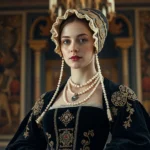
Women’s fashion experienced the most visible transformations during this period. The rigid, geometric forms of the early 1600s—characterized by pointed bodices, high waistlines, and bell-shaped skirts—evolved into the elegant, flowing silhouettes of the latter half of the century. By the 1670s and 1680s, the mantua emerged as a revolutionary garment: a loose overdress worn over a structured underdress that allowed for greater movement while maintaining fashionable proportions. This innovation represented a significant shift toward comfort without sacrificing elegance, a tension that continues to influence contemporary fashion style design.
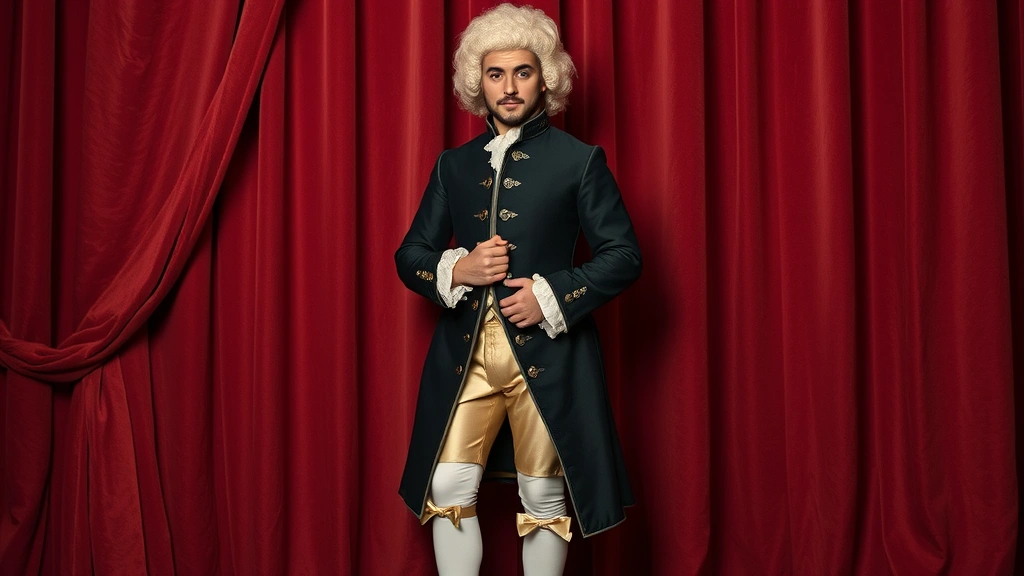
Men’s fashion similarly evolved from the doublet and hose combinations of the early century toward the coat-based ensembles that would define subsequent centuries. The introduction of the coat, vest, and breeches trinity—popularized by King Charles II of England—created a more structured masculine silhouette. These garments featured increasingly decorative elements, with elaborate embroidery, ribbons, and lace transforming men’s clothing into canvases for artistic expression. The periwig, or full-bottomed wig, became the ultimate status symbol for men of means, literally crowning the new silhouette with height and visual drama.
Sleeve styles underwent particularly interesting evolution throughout the century. Early 17th-century sleeves were often slashed, revealing contrasting linings beneath, while mid-century styles favored puffed sleeves gathered at the shoulder. By century’s end, sleeves had become more tailored and elegant, often featuring deep cuffs and subtle decorative elements. These changes weren’t merely aesthetic; they reflected improvements in tailoring techniques and changing attitudes toward the body and its display.
Textile Innovations and Materials
The 17th century witnessed revolutionary developments in textile production and international trade that fundamentally altered what fabrics were available to fashion-conscious Europeans. The expansion of colonial trade routes brought exotic materials from India, China, and the Levant, including cotton, silk, and linen in unprecedented quantities. These materials didn’t simply supplement traditional European woolens; they transformed the entire fashion landscape by offering new possibilities for drape, weight, and visual effect.
Silk became the ultimate luxury material, particularly valued for its lustrous surface and ability to hold vibrant dyes. The silk industry, centered in regions like Lyon, France, and Como, Italy, flourished during this period as demand from the wealthy escalated. Elaborate silk damasks, brocades, and velvets became the preferred fabrics for court dress and formal occasions. The complexity of these fabrics—featuring intricate woven patterns often incorporating metallic threads—demonstrated the weaver’s skill and the wearer’s wealth simultaneously.
Cotton, though initially more affordable than silk, became increasingly fashionable as production techniques improved and supply increased. Indian cotton fabrics, particularly those featuring printed or painted designs, captivated European consumers with their exotic patterns and superior durability. These fabrics were often used for undergarments, chemises, and casual wear, though the wealthiest consumers incorporated them into formal dress as well. The popularity of Indian cotton eventually threatened European wool producers, leading to protectionist legislation in some regions.
Linen remained essential for undergarments, shirts, and chemises across all social classes. The quality of linen became a subtle status indicator; fine, smooth linen suggested wealth and access to superior materials, while coarser linen indicated lower social standing. The visibility of linen at necklines and cuff openings made its quality particularly important for fashionable appearance. Lace, often made from linen or silk, emerged as one of the century’s most coveted decorative elements, with Venetian and Flemish lace commanding extraordinary prices.
Wool remained fundamental to everyday clothing, particularly for those outside aristocratic circles. However, even wool fabrics became more sophisticated during the 17th century, with improved production techniques creating finer, more densely woven materials. Broadcloth and other high-quality woolens were dyed in rich colors and used for coats, cloaks, and formal wear. The development of better finishing techniques made wool fabrics increasingly lustrous and desirable.
Gender-Specific Fashion Divisions
The 17th century witnessed increasingly stark divisions between masculine and feminine fashion aesthetics, a trend that would persist for centuries. Women’s fashion emphasized verticality, with high waistlines, long skirts, and elaborate headdresses creating an elongated silhouette. The corset, despite its restrictive reputation, became the foundational garment that enabled the fashionable silhouette. Made with rigid whale bone or wood stays, corsets shaped the torso into a conical form that contemporary beauty standards celebrated as ideal.
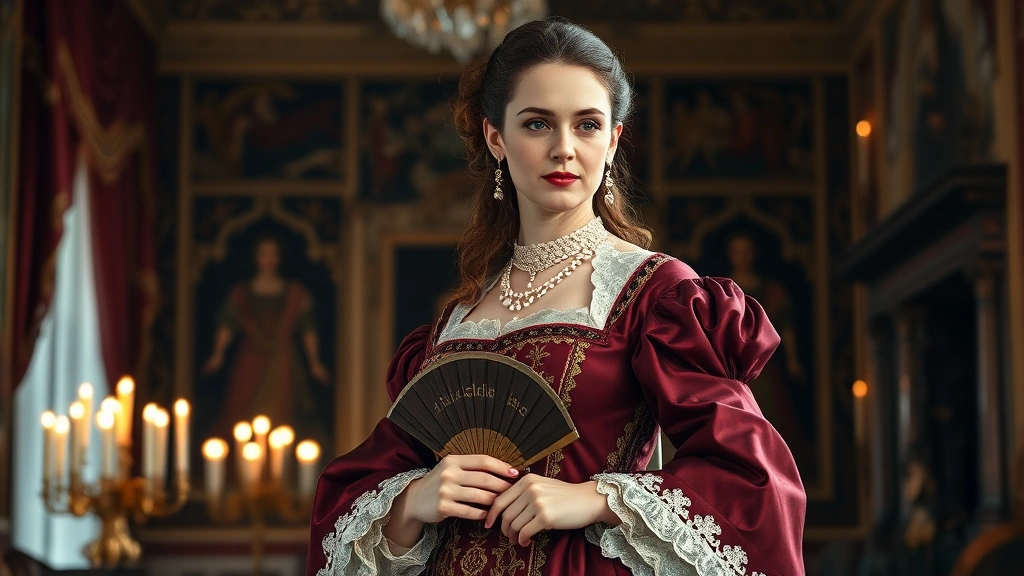
The exposure of women’s undergarments became increasingly intentional and fashionable. The chemise, worn beneath the bodice and skirts, became visible at the neckline and sleeves, and its quality and decoration mattered enormously. Fine linen chemises with delicate lace insertions or embroidery demonstrated both wealth and refinement. The décolletage—the exposed neckline and upper chest area—became a focal point of female fashion, with various neckline styles emerging throughout the century from high, modest cuts to dramatically low, revealing designs depending on the occasion and fashion moment.
Men’s fashion, by contrast, emphasized horizontal breadth across the shoulders and a more structured silhouette. The coat, which emerged as the dominant male garment, featured a fitted back and increasingly wide skirts that hung from the waist. Ornamental elements—buttons, lace, embroidery, and decorative seams—adorned men’s clothing with surprising elaboration. The breeches worn beneath the coat could be equally decorative, featuring ribbons, lace, and embroidery at the knee opening where they met stockings.
Hair and headwear represented crucial gender differentiators. Women’s hair was typically arranged in elaborate styles, often incorporating curls, ringlets, and ornamental elements like ribbons, jewels, or feathers. The linen coif or cap, worn indoors, could be quite ornate and fashionable. Men’s wigs, by contrast, represented a fundamentally different approach to hair display—the periwig allowed men to present an idealized, symmetrical appearance that suggested both wealth (wigs were expensive) and fashionability.
Understanding these types of fashion divisions helps illuminate how gender was constructed and communicated through clothing in this historical period.
Regional Fashion Variations Across Europe
While 17th-century fashion increasingly moved toward internationalization, particularly with French dominance growing throughout the century, significant regional variations persisted. These differences reflected local traditions, climate considerations, available materials, and political allegiances. Understanding regional fashion preferences provides fascinating insights into how personal style operated within historical constraints.
French fashion, centered in Paris and the royal court at Versailles, increasingly set the tone for European taste, particularly after Louis XIV’s reign began in 1661. The French court became the arbiter of fashion, with courtiers competing to embody the latest styles emanating from Versailles. The formality and elaborate decoration of French court dress influenced aristocratic fashion across Europe, though regional adaptations persisted. French fashion emphasized elegance, proportion, and the skillful display of luxurious materials.
Spanish fashion retained greater formality and conservatism throughout the century, influenced by the Spanish Habsburgs’ cultural preferences and the Catholic Church’s influence on dress codes. Spanish women wore darker colors more frequently than their French counterparts and maintained higher necklines longer into the century. The Spanish farthingale persisted in Spanish fashion even as it disappeared elsewhere, creating a distinctive silhouette that marked Spanish identity.
English fashion occupied an interesting middle position between French sophistication and Puritan austerity. The Commonwealth period (1649-1660) saw deliberate rejection of fashionable display as morally suspect, creating a unique moment when fashion itself became politically charged. The Restoration of Charles II in 1660 brought a rapid reversal toward elaborate fashion influenced by his time in French exile. English fashion subsequently embraced French innovations while maintaining certain distinctive elements, particularly in textiles and accessories.
Italian fashion centers, particularly Venice and Florence, maintained distinctive traditions while engaging with broader European trends. Venice’s position as a major trading hub gave it access to exotic materials and influenced its fashion aesthetic. Italian fashion emphasized rich fabrics and decorative elements, reflecting the region’s artistic traditions and merchant wealth.
Dutch fashion reflected the Netherlands’ commercial prosperity and Protestant aesthetic preferences. While not as austere as English Puritan fashion, Dutch dress favored practicality and understated elegance. The wealthy Dutch merchant class dressed fashionably but often with greater restraint than continental aristocrats. Dutch paintings provide invaluable documentation of this regional fashion aesthetic.
Accessories and Jewelry Culture
Accessories achieved unprecedented importance in 17th-century fashion, functioning as crucial status indicators and aesthetic elements that completed fashionable ensembles. Jewelry, fans, gloves, ribbons, and other ornamental elements weren’t mere additions to clothing; they were integral to fashionable appearance and communicated wealth, taste, and social position.
Jewelry reached extraordinary levels of elaboration during this period, particularly for women. Pearls, diamonds, rubies, and other precious stones adorned necklaces, bracelets, rings, and hair ornaments. The wealthy displayed jewelry prominently, with portraits often emphasizing jeweled necklaces and bracelets as markers of status. Men similarly wore significant jewelry, including rings, chains, and ornamental clasps, though typically with less overall volume than women.
The fan emerged as perhaps the most iconic 17th-century accessory, particularly for women. Fans served practical purposes in heated, crowded spaces but also functioned as fashionable objects and communication tools. Elaborate fans featured ivory or tortoiseshell handles, decorated with precious materials and often featuring painted scenes. The ability to handle a fan with grace and elegance became part of fashionable behavior, and fans were frequently given as valuable gifts.
Gloves, particularly long gloves reaching above the elbow, became essential accessories for fashionable women. Made from kid leather, silk, or other fine materials, gloves were often perfumed and decorated with embroidery or jewels. The quality of gloves indicated social status, with finely made gloves representing significant luxury items. Men wore gloves as well, though typically shorter versions that complemented their coat-based ensembles.
Ribbons proliferated throughout 17th-century fashion, used to trim garments, tie hair, and decorate accessories. The variety of ribbon colors and textures allowed for creative self-expression within fashionable parameters. Ribbons adorned everything from sleeves to shoes, creating visual interest and demonstrating familiarity with current fashion trends.
Shoes became increasingly fashionable and decorative as the century progressed. High heels, particularly the distinctive Louis heels that emerged in the latter half of the century, became status symbols. Shoes were often made from silk or fine leather and decorated with ribbons, buckles, or embroidery. The height and decoration of heels and shoes indicated fashion awareness and social position.
Social Class Expression Through Dress
Perhaps more than any previous period, 17th-century fashion functioned as a transparent system of social class communication. Clothing announced one’s position in society through materials, construction quality, decorative elements, and adherence to fashionable trends. Sumptuary laws, though increasingly difficult to enforce, attempted to regulate dress according to social rank, making the relationship between clothing and class explicit.
Aristocratic fashion emphasized materials and decoration that were economically inaccessible to lower classes. Silk, lace, elaborate embroidery, and precious stones marked aristocratic status immediately. The time required to achieve fashionable appearance—through elaborate hair arrangements, careful dressing, and constant attention to current trends—itself indicated leisure and wealth. Members of the nobility could devote hours to their appearance without economic consequence.
The emerging merchant class, growing wealthier through international trade, increasingly competed with traditional aristocracy through fashionable display. Wealthy merchants could afford many of the same materials and decorative elements as nobility, creating a fashion anxiety among traditional elites concerned about social boundaries. This tension between aristocratic exclusivity and merchant aspiration drove fashion innovation as each group attempted to distinguish itself.
Middle-class professionals—lawyers, physicians, clergy—occupied an interesting position in the fashion hierarchy. Their dress needed to communicate respectability and learning without appearing to challenge aristocratic superiority. Professional dress codes emerged during this period, with certain styles and colors becoming associated with specific professions. Clergy, for instance, increasingly wore distinctive dress that separated them from secular fashion.
Working-class fashion was constrained by economic necessity but still demonstrated fashion awareness within accessible parameters. Workers wore simpler garments made from wool, linen, or cotton, with minimal decoration. However, even working-class people attempted to incorporate fashionable elements—particular sleeve styles, colors, or accessories—when economically feasible. The survival of working-class garments in museum collections reveals surprising fashion consciousness among those with limited resources.
Gender intersected with class in complex ways. A wealthy woman could display her status through clothing far more dramatically than a wealthy man, as female fashion permitted greater elaboration and decoration. However, this greater visual elaboration also subjected women to more intense scrutiny regarding their adherence to fashionable standards. The connection between fashion and morality became particularly acute for women, with certain styles attracting moral criticism.
Color Symbolism and Dye Technologies
Color functioned as a crucial element of 17th-century fashion, carrying symbolic meaning while simultaneously indicating the wearer’s access to expensive dye materials. The chemistry of textile dyes was complex and expensive, making certain colors luxury items accessible only to the wealthy. Understanding color in this period requires attention to both symbolic meaning and production technology.
Purple remained the most prestigious color, as it had been since ancient times, due to the extreme difficulty and expense of producing reliable purple dyes. The rarity and cost of purple made it a color reserved for royalty and the highest nobility. Crimson and scarlet, produced from expensive imported dyes like cochineal and kermes, were similarly prestigious and fashionable. The vibrancy and permanence of these red tones made them highly desirable, and their cost ensured they marked wearer status.
Blue, produced from indigo and woad, was more accessible than purple or scarlet but still represented a luxury item compared to natural brown or grey. The introduction of indigo from colonial trade made blue increasingly fashionable throughout the century. Blue’s association with luxury made it desirable for fashionable dress, while its relative accessibility made it achievable for merchant-class consumers.
Yellow and gold tones, achieved through various plant-based dyes, appeared frequently in 17th-century fashion, particularly in combination with other colors. Yellow’s association with light and wealth made it fashionable for those who could afford stable yellow dyes. The combination of colors in a single garment—stripes, checks, or patterned weaves—required multiple dye baths and represented significant expense.
Black, contrary to modern assumptions, was fashionable and expensive during the 17th century. Producing a stable, truly black dye required multiple dye baths and specific materials, making black garments luxury items. Black was particularly fashionable for formal occasions and represented sophistication and refinement. The fashion for black velvet and silk among wealthy consumers demonstrates how color and material combined to communicate status.
The development of new dye techniques and the expansion of colonial trade brought new color possibilities to Europe. Materials like cochineal from the Americas and indigo from India created vivid colors that transformed European fashion. These new dyes were expensive, but their availability gradually made vibrant colors more accessible across social classes as the century progressed.
FAQ
What were the main differences between early and late 17th-century fashion?
Early 17th-century fashion inherited the exaggerated silhouettes of the previous century, featuring extreme proportions, high waistlines, and elaborate geometric forms. By the late 17th century, particularly after 1670, fashion had evolved toward more naturalistic silhouettes, with the mantua emerging as a revolutionary garment that prioritized elegance and movement. Men’s fashion shifted from doublet-based ensembles to coat-based combinations that would define subsequent centuries. The influence of French court fashion, particularly under Louis XIV, increasingly homogenized European aristocratic fashion, though regional variations persisted.
How did social class influence 17th-century fashion choices?
17th-century fashion functioned as a transparent system of class communication. Aristocratic fashion emphasized materials and decorative elements economically inaccessible to lower classes—silk, lace, precious stones, and elaborate embroidery marked aristocratic status immediately. The time required to achieve fashionable appearance itself indicated leisure and wealth. Sumptuary laws attempted to regulate dress according to social rank. The emerging merchant class competed with traditional aristocracy through fashionable display, creating fashion anxiety among elites concerned about social boundaries. Working-class fashion demonstrated fashion awareness within economic constraints, incorporating fashionable elements when possible.
What role did international trade play in 17th-century fashion?
International trade fundamentally transformed 17th-century fashion by bringing exotic materials from India, China, and the Americas. Cotton, silk, indigo, cochineal, and other materials became available in unprecedented quantities, expanding the palette of available fabrics and colors. Silk, particularly from Lyon and Como, became the ultimate luxury material. Indian cotton fabrics with exotic printed designs captivated European consumers. These new materials didn’t simply supplement traditional European woolens; they transformed the entire fashion landscape by offering new possibilities for drape, weight, and visual effect. Colonial trade made vibrant colors increasingly accessible, gradually democratizing luxury across social classes.
How did the periwig become such an important fashion element for men?
The periwig emerged as the ultimate status symbol for 17th-century men because it was expensive, required regular maintenance, and allowed men to present an idealized, symmetrical appearance that suggested both wealth and fashionability. Wigs were made from human hair, animal hair, or combinations thereof, and quality wigs were significant investments. The full-bottomed wig, which became fashionable particularly after the Restoration of Charles II in 1660, created dramatic visual impact with its length and volume. Beyond practical considerations, the periwig represented participation in fashionable culture and alignment with court trends. The adoption of wigs across social classes—even working men wore simpler versions—demonstrates how fashion trickled through society.
What was the significance of the mantua in women’s fashion?
The mantua represented a revolutionary shift in women’s fashion because it offered an alternative to the rigid, restrictive garments that had dominated previous centuries. This loose overdress worn over a structured underdress allowed for greater movement while maintaining fashionable proportions. The mantua emerged around mid-century and gained increasing popularity, particularly by the 1680s and 1690s. Its significance lay not merely in comfort but in how it redefined femininity—instead of emphasizing extreme structural forms, the mantua allowed the body’s natural shape to show through elegant fabric. This innovation influenced subsequent centuries of women’s fashion by demonstrating that elegance and comfort weren’t necessarily opposed values.
Which external sources provide authoritative information about 17th-century fashion?
Several institutions and publications offer authoritative research on this period. Vogue frequently publishes historical fashion analysis and features. The Metropolitan Museum of Art maintains extensive collections and scholarly articles on 17th-century garments. The Fashion Institute of Technology offers research resources and exhibitions exploring historical fashion. Academic fashion history journals and museum costume collections provide detailed documentation through surviving garments. Art historical sources, particularly portraiture from the period, offer visual evidence of how fashion was actually worn and displayed in contemporary contexts.
The fashion of the 17th century continues to fascinate contemporary observers because it reveals how clothing functioned as a complex language expressing identity, status, and artistic sensibility. The period’s innovations—from the mantua’s revolutionary comfort to the periwig’s dramatic visual impact—influenced fashion for centuries to come. By examining the detailed fashion history of this transformative era, we gain insights into how fashion continues to function in contemporary society. The materials, silhouettes, and decorative strategies developed during the 1600s established foundations for modern fashion, while the period’s social dynamics—the tension between aristocratic exclusivity and merchant aspiration, the use of clothing to communicate status, the influence of international trade on available materials—remain remarkably relevant. Understanding 17th-century fashion isn’t merely historical curiosity; it’s essential context for comprehending how fashion operates as a social system today.