90’s Hair Fashion Comeback? Expert Insights on Nostalgic Trends
The 1990s were undeniably a transformative decade for fashion, and nowhere was this more evident than in hairstyling. From razor-sharp layers to face-framing highlights, the hair trends of that era defined a generation and continue to captivate modern fashion enthusiasts. Today, we’re witnessing a fascinating resurgence of these iconic styles, as contemporary stylists and fashion-forward individuals embrace the nostalgic appeal of 90’s hair fashion. This comeback isn’t merely a superficial nod to the past—it represents a deeper cultural shift toward celebrating individuality, experimentation, and the freedom of self-expression that the 90s so boldly championed.
Fashion cycles are inevitable, and as the saying goes, what goes around comes around. The 90s hair movement is no exception. Whether you’re curious about adopting these timeless looks or simply want to understand why this era continues to influence modern beauty standards, this comprehensive guide will explore the key elements, expert perspectives, and practical tips for incorporating 90’s hair fashion into your contemporary style. As you explore these trends, you might also want to revisit 90s fashion trends and styles to understand the complete aesthetic picture.
The Cultural Significance of 90’s Hair Fashion
The 1990s represented a pivotal moment in fashion history when hair became a canvas for self-expression and rebellion. Unlike the structured, perfectly coiffed styles of the 1980s, 90’s hair fashion embraced a more relaxed yet intentional approach to beauty. This era celebrated diversity, with styles ranging from ultra-sleek to deliberately textured, from natural tones to bold, multi-colored statements. The decade was characterized by a democratization of style—young people weren’t waiting for permission from fashion magazines to reinvent their looks; they were taking matters into their own hands.
Understanding the cultural context is essential to appreciating why 90’s hair fashion continues to resonate today. The 90s were marked by grunge movements, hip-hop culture, pop music explosions, and a general sense of youth empowerment. Hair was political, personal, and powerful. It was a way to signal your tribe, your values, and your willingness to challenge conventional beauty standards. When you explore complete fashion history timeline, you’ll see how the 90s represents a crucial turning point in beauty democratization.
Today’s resurgence of 90’s hair fashion speaks to a similar cultural moment. In an age of algorithmic feeds and curated perfection, people are craving authenticity and the permission to be imperfectly themselves. The return to 90’s aesthetics is, in many ways, a rejection of the overly polished Instagram era and a celebration of genuine, unfiltered style.
Iconic 90’s Hair Trends Making a Comeback
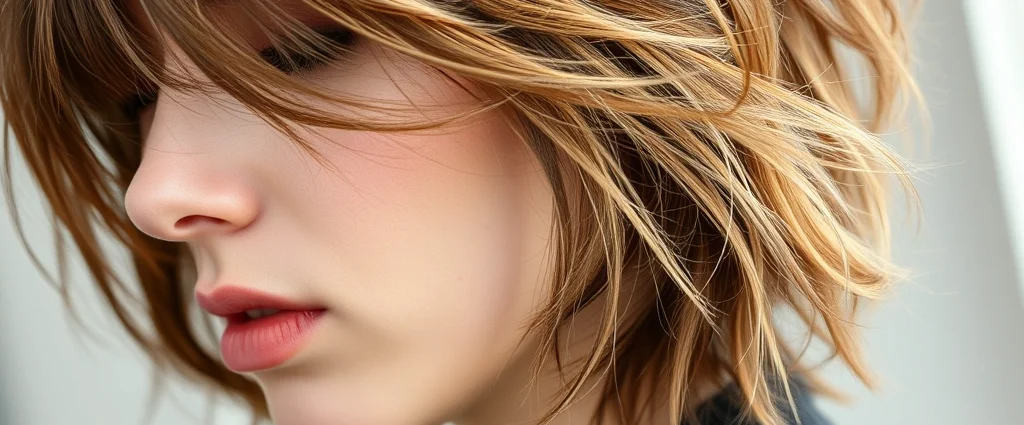
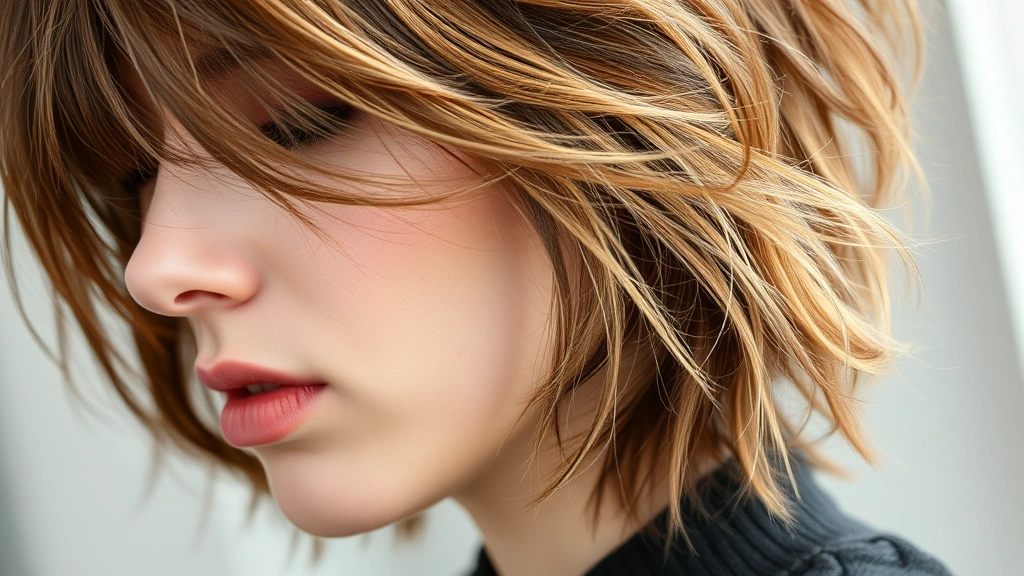
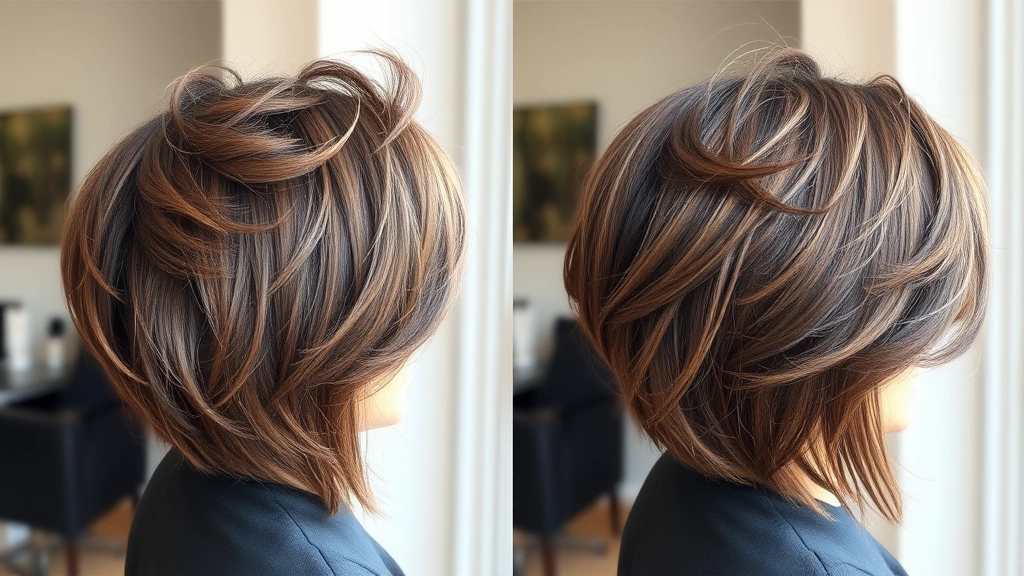
Face-Framing Layers remain one of the most recognizable and wearable 90’s hair trends. These choppy, textured layers created movement and dimension, flattering various face shapes and hair types. The beauty of layered cuts is their versatility—they work whether you’re going for a sleek, straight aesthetic or embracing natural texture. Modern stylists are reimagining this classic with more refined techniques, creating layers that feel contemporary while honoring the original trend.
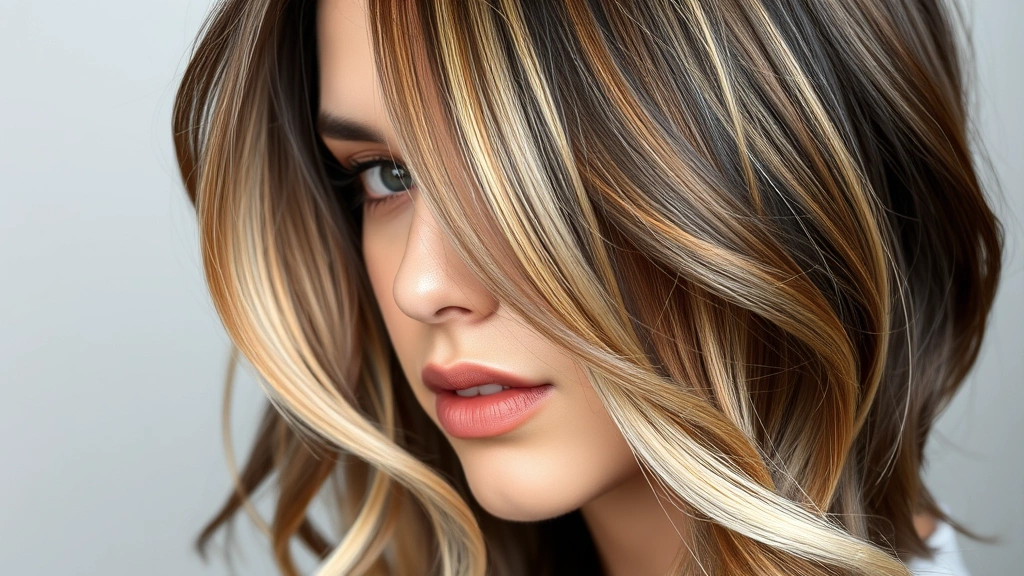
Chunky Highlights and Frosted Tips were the calling card of 90’s hair fashion, particularly among younger demographics. Thick, contrasting streaks of blonde against darker base colors created a bold, unmistakable look. While the execution has evolved—modern colorists use more sophisticated blending techniques—the fundamental appeal remains. The chunky highlight trend is experiencing a significant revival, particularly among Gen Z, who appreciate its retro audacity and statement-making potential.
The Shag Cut is perhaps the most transformative 90’s hair trend to make a comeback. This textured, layered style was popularized by celebrities and remains incredibly flattering for creating volume and movement. The modern shag differs slightly from its 70s predecessor, incorporating cleaner lines and more intentional styling, but the essence remains the same: effortless, rock-and-roll coolness.
Zigzag Parts were a playful, youthful element of 90’s hair fashion that’s now resurfacing on social media and fashion runways. This trend requires minimal commitment—it’s purely about styling—making it accessible for anyone wanting to dip their toes into 90s nostalgia without permanent changes.
Two-Toned Hair and bold color blocking represented the experimental spirit of the 90s. From Christina Aguilera’s iconic blonde streak to Gwen Stefani’s platinum blonde moments, contrasting colors were celebrated. Today’s color specialists are reviving this trend with improved techniques that maintain hair health while delivering maximum visual impact.
Sleek, Straight Hair contrasted with the textured options, offering a minimalist aesthetic popularized by celebrities like Jennifer Aniston (though her famous “Rachel” cut was technically late 80s/early 90s). The ultra-straight look required dedication but delivered undeniable sophistication.
Expert Insights from Industry Professionals
To understand why 90’s hair fashion is experiencing such a powerful resurgence, we consulted insights from leading industry experts. According to Vogue’s trend forecasting team, nostalgia cycles are becoming shorter and more frequent in the digital age. “What used to be a 20-30 year cycle is now compressed to 10-15 years,” explains contemporary trend analysis. “The 90s are far enough away to feel fresh and nostalgic, but recent enough that people have genuine emotional connections to the era.”
Celebrity stylists working with A-list clients report that requests for 90’s-inspired hair have increased dramatically. “Clients are asking for that lived-in, effortless quality that defined 90s style,” says a stylist quoted by Harper’s Bazaar. “It’s less about perfection and more about personality. That’s incredibly appealing right now.” This shift reflects broader cultural movements toward authenticity and individualism in personal style.
Hair care specialists note that achieving authentic 90’s hair fashion requires understanding the interplay between cut, color, and styling. The trends weren’t about individual elements but rather the cohesive aesthetic they created. A proper 90’s-inspired cut needs appropriate styling products and techniques to achieve the desired effect. This is where professional guidance becomes invaluable—a skilled stylist can translate the 90s inspiration into something that works with your hair type and contemporary lifestyle.
Fashion historians emphasize that the 90s represented a crucial moment when youth culture began driving mainstream fashion, rather than the reverse. This democratization of style is being repeated today through social media platforms like TikTok and Instagram, where young creators are organically reviving 90s aesthetics. “We’re seeing a genuine grassroots movement,” notes fashion history expert commentary. “It’s not being imposed from above by fashion houses; it’s bubbling up from the streets and social media.”
How to Achieve Authentic 90’s Hair Looks Today
Achieving genuine 90’s hair fashion requires more than just asking your stylist for “90s vibes.” Here’s a comprehensive approach to nailing the look:
- Start with the Right Cut: Consult with a stylist experienced in textured, layered cuts. Bring reference images from the 90s, but also discuss how the style can be adapted to your hair type and face shape. The cut is foundational—styling can’t compensate for a poor cut.
- Consider Your Color Strategy: Whether you want chunky highlights, subtle face-framing pieces, or bold two-toned color, discuss maintenance requirements with your colorist. 90’s hair fashion often involves visible roots and a lived-in quality, but this requires intentional maintenance planning.
- Invest in the Right Products: The 90s had specific product aesthetics—volumizing mousses, texturizing sprays, and shine serums were staples. Modern equivalents exist and work better than originals. Look for products that enhance texture rather than create artificial shine.
- Master the Styling Technique: 90’s hair fashion often looked effortless but required technique. Learn to blow-dry for volume, use texturizing products strategically, and understand how to work with your hair’s natural texture rather than against it.
- Embrace the Lived-In Aesthetic: Part of 90s appeal was imperfection. Hair didn’t need to be perfectly smooth or precisely styled. Some texture, some movement, some randomness—these elements made the look authentic.
Adapting 90’s Hair Trends for Modern Aesthetics
While embracing 90’s hair fashion, it’s important to adapt these trends for contemporary life. You likely have professional obligations, different lifestyle demands, and modern expectations for hair health that differed from the 90s. Here’s how to make it work:
The Professional Adaptation: If you work in a conservative environment, you can still incorporate 90s elements. Consider subtle layering instead of dramatic choppy cuts, or opt for highlights that feel sophisticated rather than chunky. The key is translating the spirit of 90s style—textured, dimensional, personality-driven—into something appropriate for your context. Many professionals are successfully finding their personal style by blending nostalgic elements with contemporary professionalism.
Hair Health Considerations: The 90s were less concerned with hair health than we are today. If you’re pursuing chunky highlights or bold color, work with a professional who understands how to minimize damage. Invest in quality hair care products, deep conditioning treatments, and consider spacing out color appointments to maintain hair integrity.
Lifestyle Integration: Modern life often requires low-maintenance styling. If you’re adapting 90’s hair fashion, consider cuts and styles that work with your lifestyle. A textured shag might be perfect if you have time for regular styling, but if you prefer wash-and-go convenience, a more refined layered cut might be better.
Personal Style Fusion: The most successful modern takes on 90’s hair fashion don’t try to recreate the era exactly. Instead, they blend 90s elements with contemporary sensibilities. Perhaps you pair a modern, refined version of a shag cut with current color techniques, or combine chunky highlights with today’s understanding of color harmony.
The Role of Social Media in Reviving Retro Styles
Social media platforms have become the primary vehicle for reviving 90’s hair fashion trends. TikTok creators, Instagram influencers, and Pinterest users are collectively driving a resurgence that would have been impossible in previous decades. The mechanics are fascinating: a creator posts a 90s-inspired hair transformation, it gains traction, others replicate it with their own variations, and suddenly a trend is born.
This organic spread of 90’s hair fashion differs significantly from top-down trend propagation. Rather than fashion houses dictating what’s acceptable, real people are experimenting and sharing. This democratization of style mirrors the original spirit of 90s fashion, creating a cyclical reinforcement of the aesthetic.
Hashtags like #90shair, #throwbackhair, and #retrohairinspo have millions of views, creating communities of enthusiasts sharing tips, product recommendations, and inspiration. This social proof is powerful—seeing multiple people successfully rocking 90’s hair fashion makes it feel accessible and desirable.
Beauty brands have responded by creating products specifically marketed toward 90s aesthetics, and salons are increasingly promoting their expertise in 90s-inspired cuts and colors. This commercial interest, while sometimes criticized, has actually improved accessibility. Professional stylists now have training and resources for executing these trends properly, rather than relying on individual expertise.
Maintenance and Care for 90’s-Inspired Hair
Maintaining 90’s hair fashion requires commitment and the right approach. Here’s what you need to know:
Cut Maintenance: Layered and textured cuts require regular trims—typically every 6-8 weeks—to maintain their shape and dimension. As hair grows, layers can become uneven and lose their intended effect. Schedule regular appointments with your stylist to keep the cut fresh.
Color Upkeep: If you’ve committed to highlights, chunky streaks, or bold color blocking, plan for regular color maintenance. Root touch-ups might be needed every 4-6 weeks depending on your base color and how visible roots are in your style. Toning treatments can help maintain color vibrancy between appointments.
Product Routine: Develop a styling routine using products that enhance your specific 90’s look. This might include volumizing mousse for texture, texturizing spray for grip, or smoothing serums for sleeker versions. Experiment to find what works best with your hair type.
Heat Styling: Many 90’s hair looks require heat styling—blow-drying for volume, straightening for sleek looks. Invest in quality heat styling tools and always use heat protectant products. Consider air-drying methods when possible to minimize damage.
Deep Conditioning: If you’re using color or heat styling, deep conditioning treatments are essential. Weekly or bi-weekly masks help maintain hair health and keep your style looking vibrant. Look for products specifically designed for color-treated or textured hair.
Professional Treatments: Consider professional treatments like keratin smoothing, protein treatments, or color-protective services. These can help extend the life of your style and keep your hair healthy despite the demands of 90’s hair fashion aesthetics.
FAQ
Is 90’s hair fashion actually coming back, or is this just a niche trend?
The comeback is substantial and well-documented. Major fashion publications, runway shows, and celebrity stylists are all incorporating 90s elements. While not everyone will adopt the trend, it’s clearly moving beyond niche status into mainstream fashion consciousness. The question isn’t whether it’s happening—it’s how you can adapt it to your personal style.
Can I do 90’s hair fashion if I have curly or textured hair?
Absolutely. The 90s celebrated diverse hair types, and many iconic looks worked beautifully with natural texture. Layered cuts enhance curls, and many 90s styles embraced texture rather than fighting it. Work with a stylist experienced in your hair type to adapt 90s trends appropriately.
What if I’m not ready for permanent changes like layers or color?
You have many options. Zigzag parts require no commitment. Temporary hair chalk or clip-in colored extensions let you experiment with color. Even styling techniques alone—how you blow-dry, part, or texture your hair—can evoke 90s aesthetics. Start small and build confidence.
How do I find a stylist who understands 90’s hair fashion?
Look for stylists who showcase 90s work in their portfolio. Check their social media for examples of textured, layered cuts and color work. Don’t hesitate to ask about their experience with 90s styles specifically. Reading reviews from clients who’ve requested similar looks is also valuable.
Can 90’s hair fashion work in professional settings?
Yes, with adaptation. Refined layering, subtle highlights, and polished styling can incorporate 90s elements while maintaining professionalism. The key is working with your stylist to translate the spirit of 90s style into something appropriate for your workplace.
What’s the difference between modern layered cuts and 90’s layers?
Modern layered cuts tend to be more refined and intentional, with consideration for overall shape and balance. 90s layers were often choppier and more dramatic. However, the distinction isn’t absolute—contemporary stylists are successfully blending both approaches.
How much should I expect to spend on authentic 90’s hair fashion?
A quality cut from an experienced stylist typically costs $75-300 depending on location and stylist reputation. Color work varies widely, from $100-500+. Factor in regular maintenance appointments and quality products. View it as an investment in your appearance and self-expression.