
2016 Fashion Comeback? Designer Insights Into Retro Revival and Modern Trends
The fashion world has always operated in cycles, with trends resurging every few decades in new and unexpected ways. In 2016, we witnessed a fascinating phenomenon where designers deliberately reached into the archives of past decades, reimagining iconic silhouettes and aesthetics for contemporary audiences. This wasn’t mere nostalgia—it was a calculated revival rooted in cultural commentary, sustainability concerns, and the universal human desire to honor fashion history while pushing boundaries.
Understanding the 2016 fashion landscape requires examining why certain eras captivated designer imaginations and how these retro elements transformed into fresh, wearable statements. From the bold geometry of the 1960s to the decadence of the 1980s, 2016 proved that fashion’s greatest strength lies in its ability to evolve while celebrating its own heritage. Designers like Marc Jacobs, Gucci’s Alessandro Michele, and emerging talents demonstrated that nostalgia, when executed with intentionality, becomes innovation.
The Cyclical Nature of Fashion and 2016’s Retro Momentum
Fashion operates on a predictable yet fascinating cyclical pattern. Industry experts suggest that trends typically return approximately 20-30 years after their original peak, allowing enough time for cultural distance while maintaining cultural memory. In 2016, this phenomenon accelerated dramatically as designers actively mined multiple decades simultaneously, creating a complex tapestry of inspiration that reflected our digitally connected world.
The Vogue editorial team extensively documented how 2016 represented a pivotal moment where vintage wasn’t just an aesthetic choice—it became a philosophical statement about consumption, identity, and artistic expression. Designers began questioning why they should create entirely new silhouettes when decades of fashion history offered profound inspiration waiting to be reinterpreted.
This revival was distinctly different from simple trend recycling. Designers approached 2016 collections with scholarly precision, researching original garments, understanding construction techniques, and identifying the cultural contexts that made certain pieces iconic. The result was sophisticated homage rather than cheap imitation. When you explore different fashion styles, you’ll notice how 2016 collections demonstrated deep respect for their source material while adding contemporary twists.
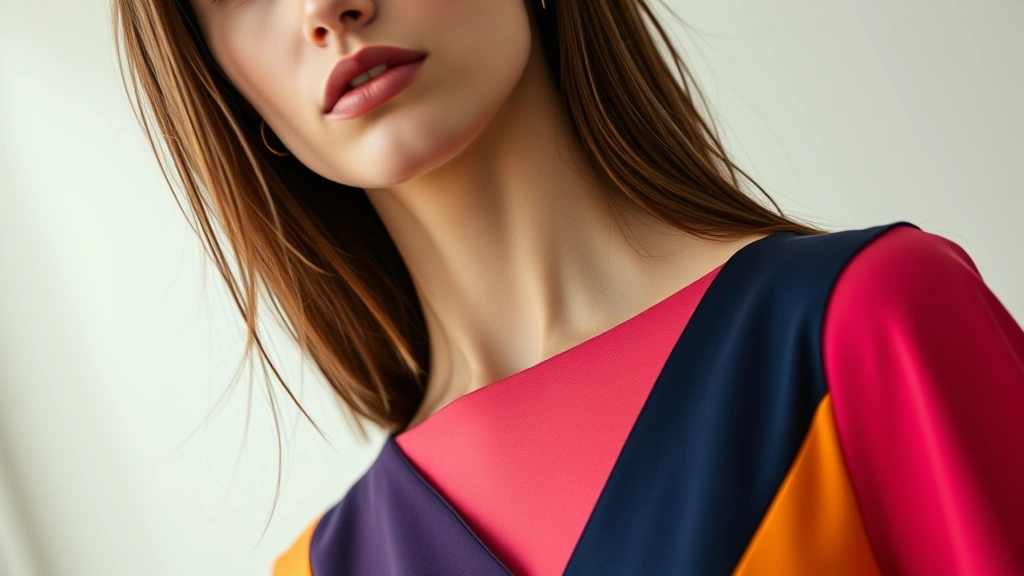
- 1960s Mod Revival: Clean lines, bold geometric patterns, and youthful silhouettes dominated high fashion
- 1970s Bohemian Return: Flowing fabrics, earthy tones, and free-spirited aesthetics gained momentum
- 1980s Maximalism: Bold shoulders, vibrant colors, and unapologetic glamour made powerful statements
- 1990s Minimalism Rediscovered: Slip dresses, neutral palettes, and understated elegance appealed to modern sensibilities
Iconic Decades Making Their 2016 Comeback
Each decade brought distinct design vocabulary that 2016 designers enthusiastically explored. The types of fashion that emerged in 2016 reflected this multi-decade conversation, creating unprecedented stylistic diversity on runways worldwide.
The 1960s Mod Movement: Designers like Alexander McQueen’s creative team and others channeled the era’s architectural precision. Mini skirts with geometric cutouts, bold color-blocking, and futuristic silhouettes dominated collections. The mod aesthetic’s democratic spirit—fashion for youth, fashion for everyone—resonated powerfully with 2016’s cultural moment. This wasn’t about recreating Mary Quant’s designs; it was about capturing her revolutionary spirit.
The 1970s Bohemian Era: Gucci’s Alessandro Michele orchestrated perhaps the most comprehensive 70s revival, with velvet textures, floral prints, and eclectic layering. This wasn’t the minimalist 70s but rather its most maximalist expression—the era when fashion embraced contradiction, mixing vintage with new, formal with casual. Designers recognized that 1970s fashion philosophy—rejecting rigid rules—perfectly aligned with 2016’s individualistic ethos.
The 1980s Power Dressing: Shoulder pads returned with authority, but softer and more nuanced than their original incarnation. Rather than pure corporate aggression, 2016 designers explored the 80s’ confidence and self-assertion. Colors became more sophisticated, silhouettes more refined, but the fundamental message remained: fashion as empowerment and self-determination.
The 1990s Minimalism: The slip dress phenomenon returned, but designers added contemporary details—unexpected textures, subtle embellishments, and modern proportions. This revival acknowledged how 1990s minimalism represented a rebellion against 80s excess, yet maintained its own distinctive character worth revisiting.
Understanding how to find your personal style became increasingly important in 2016 as these multiple aesthetic movements coexisted, allowing individuals to choose which era resonated most authentically with their identity.
Designer Perspectives on Nostalgic Collections
Leading designers provided fascinating insights into their 2016 creative processes. Many described their retro explorations as historical conversations rather than simple homages. They researched archives, studied original construction methods, and contemplated why specific silhouettes endured culturally.
Marc Jacobs, known for his own historical references and innovative reinterpretations, discussed how 2016 represented fashion’s maturation as an industry willing to acknowledge its own heritage. Rather than constantly demanding novelty, the industry recognized that true creativity often emerges from deep engagement with existing forms. This perspective aligned with broader cultural movements toward sustainability and mindful consumption.
The concept of fashion style expanded dramatically in 2016 as designers demonstrated that historical references could coexist with contemporary innovation. A designer might create a 1960s-inspired silhouette using cutting-edge sustainable fabrics, or develop 1980s color palettes with modern tailoring techniques. This synthesis represented fashion’s evolution toward thoughtful eclecticism.
Emerging designers approached retro trends differently than established houses. While luxury brands had resources to conduct extensive historical research, younger designers often drew on personal nostalgia—memories of parents’ wardrobes, childhood photographs, and family archives. This democratization of retro inspiration meant that 2016 fashion reflected diverse perspectives rather than singular designer visions.
The Fashion Institute of Technology documented this moment extensively, recognizing 2016 as a watershed year where fashion education increasingly emphasized historical literacy alongside technical skill. Understanding fashion history wasn’t academic luxury—it became essential creative practice.
How to Incorporate 2016 Retro Trends Into Modern Wardrobes
The beauty of 2016’s retro revival lay in its accessibility. While runway collections might feature haute couture interpretations, high street retailers quickly translated these trends into wearable pieces. Understanding how to blend nostalgic elements with contemporary styling became crucial skill for fashion enthusiasts.
Mod Minimalism: Start with clean silhouettes—shift dresses, tailored trousers, simple sweaters. Add geometric accessories or bold monochromatic styling. One mod-inspired piece can anchor an entire outfit; you don’t need full 1960s immersion.
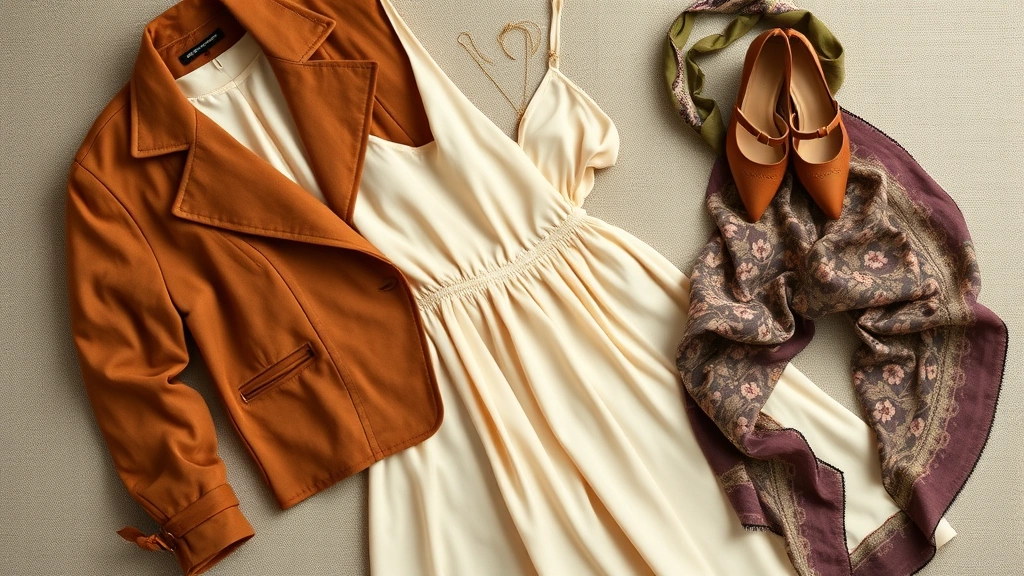
Bohemian Layering: Mix textures and patterns with intention. A silk slip dress over a vintage band tee, paired with a suede jacket and statement jewelry, captures 70s spirit without costume-like appearance. The key involves balancing bohemian elements with modern tailoring.
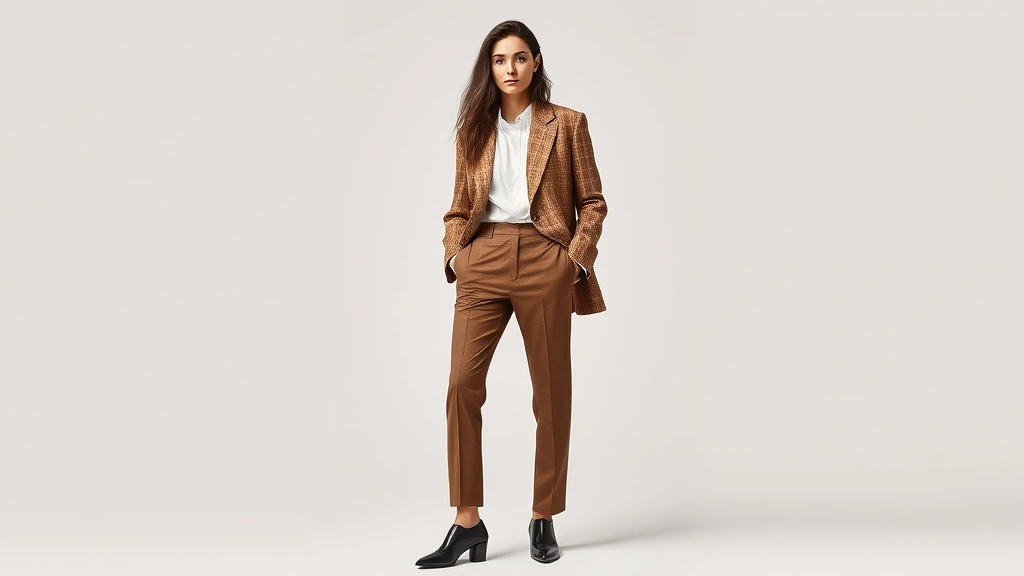
Power Dressing Evolved: Invest in structured blazers with interesting details—unusual buttons, subtle texture, unexpected colors. Pair with modern silhouettes rather than strictly 80s proportions. This creates contemporary power dressing that honors the original concept while feeling current.
Minimalist Sophistication: The 90s slip dress works beautifully with leather jackets, pointed-toe flats, and minimal jewelry. This aesthetic proves remarkably timeless and works across multiple decades, demonstrating why minimalism perpetually returns.
The complete fashion history timeline reveals how successful retro integration always involves selective borrowing rather than complete historical reenactment. Modern stylists pick specific elements—a silhouette here, a color palette there—rather than attempting full-era recreation.
The Sustainability Angle Behind Retro Fashion Revival
Beyond aesthetic appreciation, 2016’s retro revival reflected growing environmental consciousness. Fashion industry leaders increasingly recognized that sustainability and historical appreciation naturally aligned. Revisiting existing silhouettes meant fewer entirely new designs required, reducing production waste and resource consumption.
The concept of exploring fashion articles and guides from this era reveals how designers began discussing sustainability more openly. Vintage and retro fashion inherently supported circular economy principles—extending existing garment lifespans, reducing demand for new production, and celebrating quality craftsmanship from previous eras.
Luxury brands recognized that heritage collections could justify premium pricing while supporting sustainability narratives. When Gucci reissued designs from its archives or created new pieces inspired by archival materials, it simultaneously honored fashion history, maintained brand prestige, and demonstrated environmental responsibility. This triple alignment made retro trends economically and ethically compelling.
The secondhand fashion market exploded in 2016 partly because retro trends made vintage pieces fashionable again. Consumers could purchase genuine 1970s garments rather than new reproductions, extending original pieces’ lifecycles and reducing overall production demands. This shift represented fundamental change in how fashion consumption operated.
Fashion educators and sustainability advocates noticed that 2016 retro enthusiasm naturally introduced younger consumers to quality garment construction. When someone purchased a vintage Halston from the 1970s, they experienced superior fabric quality and tailoring compared to mass-produced contemporary alternatives. This education shifted expectations and values.
Street Style and Celebrity Influence in 2016
Celebrity and street style photography documented how consumers translated 2016 designer collections into personal fashion statements. Social media platforms like Instagram amplified these interpretations, creating global conversations about how retro trends manifested in real-world contexts.
Fashion influencers played crucial roles in democratizing 2016 retro trends. Rather than waiting for traditional fashion magazine editorials, Instagram users immediately shared their personal takes on mod aesthetics, bohemian styling, and power dressing. This created dynamic feedback loop where high fashion and street style constantly influenced each other.
The red carpet became laboratory for 2016 retro experimentation. Celebrities wore designer pieces directly inspired by previous decades, but styled with contemporary accessories and modern hair and makeup. This juxtaposition—historical silhouettes with current beauty standards—demonstrated how retro fashion worked within contemporary contexts.
Street style photographers noticed that 2016 marked shift toward more eclectic, individualized fashion choices. Rather than everyone adopting identical trend interpretations, people mixed retro elements from different decades, creating personalized aesthetic statements. This reflected broader cultural movement toward authenticity and self-expression over conformity.
The intersection of Vogue’s trend forecasting and street style observation revealed that 2016 retro trends succeeded because they felt personally relevant rather than imposed. When individuals found historical references resonating with their own values and aesthetics, they adopted them enthusiastically and creatively.
FAQ
Why did 2016 fashion feature so many retro references?
2016 represented a cultural moment where designers and consumers valued historical literacy and meaningful design. Rather than constantly demanding novelty, the industry recognized that fashion history offered profound inspiration. Additionally, sustainability concerns made revisiting existing silhouettes economically and environmentally sensible. The digital era’s instant access to fashion archives made historical research easier than ever before.
How can I wear 2016 retro trends without looking like I’m wearing a costume?
The key involves selective borrowing rather than complete historical immersion. Choose one or two retro elements—a silhouette, a color palette, or an accessory style—and pair them with contemporary pieces. Modern styling, current footwear, and updated accessories instantly ground retro pieces in present-day fashion. This approach feels intentional rather than costume-like.
Are 2016 retro trends still relevant today?
Fashion operates cyclically, and 2016’s retro trends continue influencing contemporary design. The specific aesthetic movements from that year—mod minimalism, bohemian eclecticism, evolved power dressing—remain foundational references. Many current designers continue building on 2016’s retro vocabulary, updating it with new technology and cultural perspectives.
Where can I find 2016-inspired vintage pieces?
Vintage retailers, both online and physical, stock pieces from the decades that 2016 designers referenced. Thrift stores, specialty vintage boutiques, and platforms like Depop and Vestiaire Collective offer authentic vintage pieces from the 1960s through 1990s. Purchasing genuine vintage supports sustainability while providing access to quality garments.
Did all fashion houses participate in 2016’s retro revival?
Most established designers incorporated historical references into 2016 collections, though with varying intensity. Some houses made retro inspiration central to their vision, while others offered subtle nods to previous decades. The trend was widespread enough to influence mainstream fashion but individualized enough that each designer’s interpretation remained distinctive and recognizable.
What made 2016 different from previous retro fashion moments?
2016’s retro revival involved simultaneous engagement with multiple decades rather than single-era focus. Additionally, designers approached historical references with scholarly precision, researching archives and understanding original cultural contexts. The intersection with sustainability concerns and digital accessibility to fashion history created unique circumstances that distinguished 2016 from previous nostalgic moments.