2009 Fashion Revival: Expert Insights into a Transformative Year
The year 2009 stands as a pivotal moment in fashion history, where economic uncertainty collided with creative innovation to produce some of the most memorable style moments of the decade. As the world grappled with financial crisis, the fashion industry responded with unexpected resilience, blending nostalgia with forward-thinking design. This era saw the rise of vintage aesthetics, the democratization of high fashion through accessible brands, and a renewed emphasis on individuality that would shape trends for years to come.
What makes 2009 fashion particularly fascinating is how designers and style influencers pivoted toward both escapism and practicality. Consumers sought affordable luxury, vintage finds, and statement pieces that allowed personal expression without breaking the bank. The influence of celebrity culture reached new heights through social media adoption, while runways showcased everything from bohemian maximalism to structured minimalism. Understanding this pivotal year provides valuable context for contemporary style choices and helps us appreciate how fashion continuously evolves in response to cultural moments.
The Economic Impact on Fashion Trends
The 2008 financial crisis fundamentally altered how consumers approached fashion in 2009. With disposable income shrinking, luxury brands faced unprecedented challenges while high street retailers experienced unexpected growth. This paradox created a fascinating dynamic where affordable fashion became not just a necessity but a style statement. Brands like H&M, Zara, and Forever 21 capitalized on this shift, offering trend-forward pieces at accessible price points that previously seemed impossible.
During this period, the concept of investment pieces gained prominence. Rather than impulse buying, fashion-conscious consumers began curating wardrobes with items that offered longevity and versatility. Neutral colors dominated capsule wardrobes, while statement accessories provided affordable ways to refresh looks seasonally. This mindset shift actually elevated fashion discourse, pushing designers to focus on quality construction and timeless appeal rather than purely trend-driven designs.
The luxury sector responded strategically by introducing diffusion lines and collaborations with mass-market retailers. These partnerships democratized high fashion, allowing consumers to access designer aesthetics without premium price tags. This trend continues today, as you’ll discover when exploring types of fashion and how different market segments serve distinct consumer needs.
Iconic Silhouettes and Styles of 2009
2009 fashion embraced a fascinating duality of silhouettes that reflected broader cultural tensions. On one hand, structured tailoring dominated professional and evening wear, with sharp shoulders, cinched waists, and geometric cuts creating powerful, authoritative looks. On the other hand, bohemian influences surged through casual wear, introducing flowing fabrics, ethnic prints, and relaxed fits that offered a counterbalance to rigid formality.
The peplum top emerged as a defining silhouette, combining vintage-inspired femininity with modern construction. These voluminous ruffle hemlines appeared on everything from casual tees to evening gowns, representing the year’s embrace of playful exaggeration. Simultaneously, skinny jeans continued their reign, particularly in darker washes that elongated the leg and created sleek proportions. This combination of peplum tops with skinny jeans became an iconic 2009 pairing.
Maxi skirts and dresses gained significant traction, offering comfort and bohemian elegance that appealed to fashion-forward consumers seeking alternatives to shorter hemlines. High-waisted silhouettes returned with renewed vigor, referencing 1950s and 1970s aesthetics while feeling contemporary through modern fabric choices and styling approaches. To understand how these silhouettes fit into broader different fashion styles, examining historical context proves invaluable.
Layering became an essential styling technique, with sheer fabrics, oversized cardigans, and structured blazers creating dimensional looks. This approach allowed fashion enthusiasts to maximize existing wardrobe pieces while creating fresh combinations that felt entirely new. The emphasis on layering also reflected practical concerns about heating costs during economic uncertainty.
Celebrity Influence and Red Carpet Moments
2009 marked a watershed moment for celebrity fashion influence, coinciding with the explosion of fashion blogging and early Twitter adoption. Stars like Twilight actresses, Gossip Girl cast members, and established A-listers became style icons whose outfits were instantly dissected and replicated. The democratization of celebrity fashion information through blogs and social media meant that trends spread faster than ever before.
Award season provided particularly memorable moments. The Oscars, Golden Globes, and Met Gala showcased designers’ most ambitious creations, with celebrities like Angelina Jolie, Penélope Cruz, and Miley Cyrus setting trends that filtered down to mainstream fashion within weeks. The red carpet became a testing ground for bold colors, dramatic silhouettes, and innovative fabric combinations that might not have succeeded in previous eras.
Celebrity casual wear proved equally influential. Paparazzi photos of stars in jeans, vintage tees, and designer handbags created aspirational everyday aesthetics that consumers actively sought to replicate. This period saw the rise of celebrity-endorsed fashion lines, with stars launching collections that capitalized on their personal style influence. Understanding celebrity impact helps contextualize modern fashion style dynamics and influencer culture.
The Rise of Vintage and Thrifting Culture
Economic constraints combined with environmental consciousness to elevate vintage fashion from niche pursuit to mainstream phenomenon in 2009. Thrift stores, consignment shops, and online platforms like eBay became treasure troves where fashion enthusiasts discovered unique pieces while supporting sustainable practices. This shift represented more than economic necessity—it reflected a growing cultural awareness of fashion’s environmental impact.
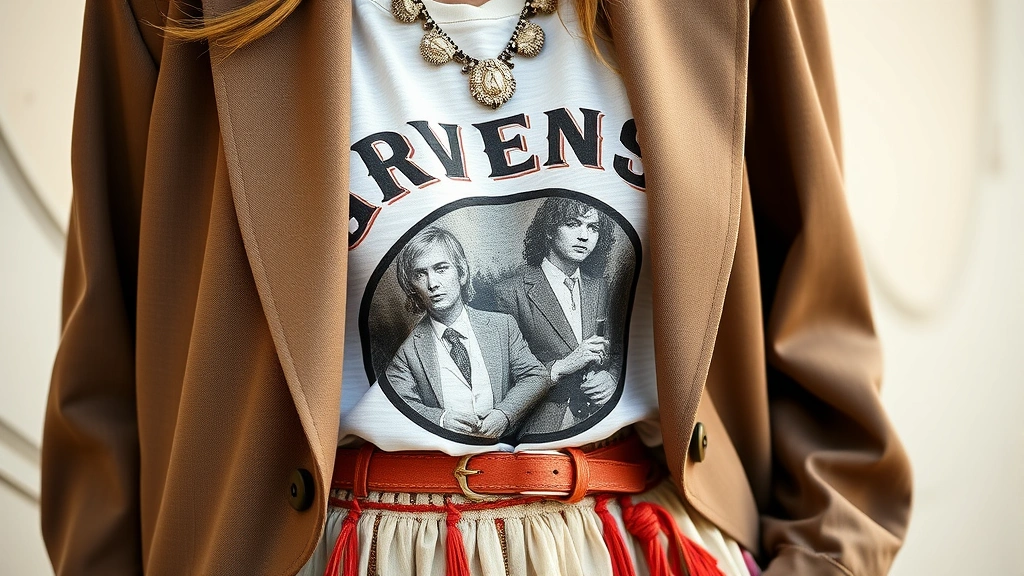
Vintage styling became an art form, with fashion bloggers and celebrities showcasing how to authentically incorporate retro pieces into contemporary wardrobes. Rather than wearing vintage as costume, the 2009 approach involved mixing vintage finds with modern items to create sophisticated, original looks. Vintage band tees, 1970s denim, 1980s leather jackets, and 1990s slip dresses all experienced renaissance moments.
This embrace of secondhand fashion also democratized access to designer pieces. Budget-conscious consumers could purchase authentic vintage Chanel, Gucci, or Louis Vuitton at fraction of retail prices. The prestige associated with owning designer items became less about newness and more about discerning eye and styling ability. This trend accelerated the circular fashion economy that continues expanding today.
Online vintage marketplaces flourished during this period, connecting buyers and sellers globally. Platforms specializing in vintage fashion created communities where enthusiasts shared styling inspiration, authentication tips, and fashion history knowledge. These communities essentially pioneered the influencer model that would come to dominate fashion retail.
Color Palettes and Fabric Innovations
2009 presented a surprisingly diverse color palette that reflected both escapism and practicality. Jewel tones—emerald, sapphire, amethyst, and ruby—dominated evening wear and statement pieces, offering luxury and richness through color rather than price tag. These saturated hues appeared in everything from dresses to accessories, providing affordable ways to feel glamorous.
Simultaneously, neutral palettes remained essential for practical, everyday dressing. Warm beiges, taupes, grays, and blacks provided versatile foundations that could be endlessly accessorized. This combination of bold jewel tones for special occasions and neutral bases for everyday wear created a balanced approach to personal style development, as explored in guides about how to find your personal style.
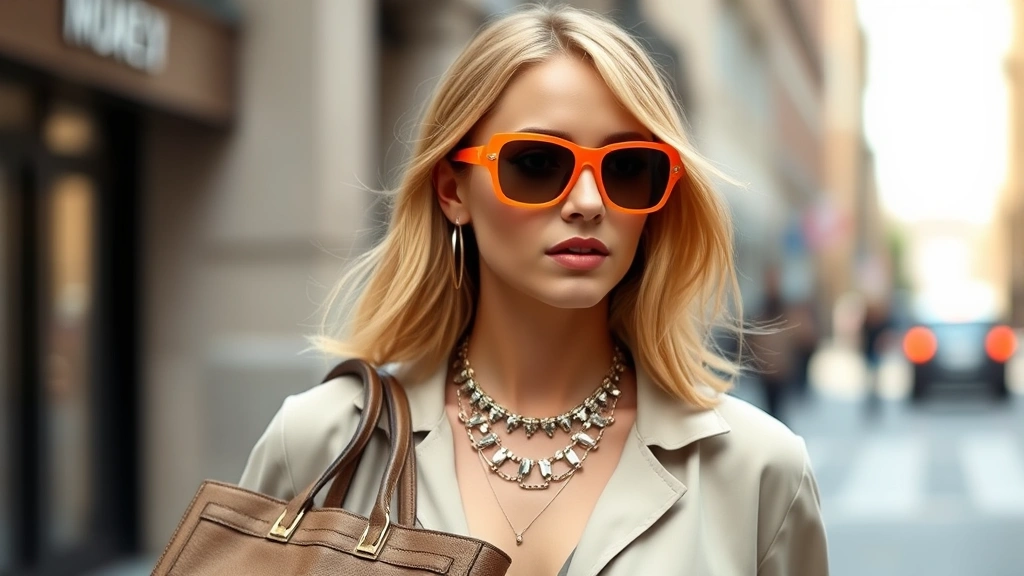
Neon accents emerged as an unexpected trend, with bright pinks, yellows, and oranges appearing in accessories, shoes, and statement pieces. These pops of color provided affordable ways to feel fashion-forward without committing to entire garments in trendy hues. The juxtaposition of neon accents against neutral bases became an iconic 2009 styling approach.
Fabric innovations reflected both technological advancement and economic necessity. Synthetic materials improved dramatically, offering silk-like drape at fraction of the cost. Stretchy blends provided comfort without sacrificing structure, while innovative knits offered warmth with minimal bulk. Designers experimented with texture combinations, pairing matte and shiny fabrics to create visual interest and dimension.
Leather, particularly in unexpected colors like white and metallics, gained prominence for both clothing and accessories. Suede experienced a resurgence in fall collections, while lightweight fabrics like chiffon and silk charmeuse dominated spring and summer offerings. This period saw increased experimentation with fabric mixing, challenging traditional notions of which materials could be combined.
Accessories That Defined the Season
Accessories achieved unprecedented importance in 2009 fashion, functioning as affordable ways to express individuality and update existing wardrobes. Statement handbags became investment pieces that could elevate simple outfits. The structured tote, oversized hobo bag, and structured clutch all competed for prominence, with designers focusing on bold colors, unusual textures, and innovative hardware.
Footwear embraced dramatic transformations, with sky-high heels, gladiator sandals, and wedge sneakers all gaining traction. Ballet flats, popularized by celebrities and fashion icons, offered comfortable alternatives to heels while maintaining sophistication. The diversity of shoe options reflected fashion’s increasing recognition that style need not sacrifice comfort.
Jewelry trends shifted toward oversized statement pieces and delicate layering. Chunky rings, dramatic chandelier earrings, and bold cuff bracelets made powerful statements, while simultaneously, dainty chains and minimal pendants offered understated elegance. This duality allowed consumers to choose jewelry that reflected their personal aesthetic preferences.
Scarves, belts, and hats transformed basic outfits into curated looks. Oversized sunglasses remained essential accessories, providing both practical sun protection and celebrity-approved mystery. Belting became an essential styling technique, with designers and fashion influencers demonstrating how strategically placed belts could completely transform silhouettes and proportions.
Vintage and costume jewelry experienced significant popularity, as consumers realized that precious metals and gems mattered less than design innovation and styling confidence. This democratization of accessory fashion allowed budget-conscious consumers to participate fully in fashion trends.
Street Style Evolution
Street style photography emerged as a significant fashion force in 2009, with blogs documenting how real people styled themselves outside of runway presentations. This grassroots documentation challenged traditional fashion hierarchy, elevating personal style and individual expression above designer names and price tags. Street style became the ultimate validator of trend authenticity—if regular people weren’t wearing it, did it really matter?
Fashion weeks generated unprecedented street style coverage, with photographers capturing attendees in coordinated outfits that demonstrated sophisticated style knowledge. The fashion blogger emerged as a new cultural figure, wielding influence comparable to traditional fashion editors. These early influencers established themselves through consistent aesthetic vision, authentic voice, and genuine passion for style.
The It Girl phenomenon reached new heights, with celebrities and socialites becoming style references through their everyday fashion choices. Paparazzi photos of stars in jeans and casual wear generated as much discussion as red carpet appearances. This shift reflected broader cultural changes in how we consume and discuss fashion.
Street style photography revealed how consumers adapted runway trends for real life. Maxi skirts appeared with casual tees and sneakers rather than formal shoes. Peplum tops paired with boyfriend jeans rather than structured trousers. This practical adaptation of high fashion trends represented the true evolution of style, where personal preference superseded designer intention.
The intersection of street style and social media created feedback loops where fashion choices became shareable moments. Consumers began dressing not just for themselves but for documentation and social sharing. This shift fundamentally altered how fashion operates, creating the influencer economy that dominates today’s style landscape.
Understanding 2009 street style provides valuable context for contemporary fashion blogging and social media aesthetics. The foundational principles established during this period—authenticity, personal vision, and accessible luxury—continue guiding successful style communication. Exploring fashion icons helps contextualize how individual style choices become cultural touchstones.
For deeper exploration of fashion evolution and contemporary trends, consult Vogue Magazine for authoritative trend analysis and Vogue Business for industry insights. The Fashion Law provides context on how economics shape design, while FashionUnited offers comprehensive fashion industry coverage. The Fashion Institute of Technology maintains historical fashion resources documenting this pivotal era.
2009 fashion ultimately represents a democratization moment where economic constraints paradoxically expanded creative possibilities. By proving that luxury and style need not depend on price tags, this era fundamentally transformed fashion’s accessibility and cultural relevance. The trends, attitudes, and innovations established during 2009 continue influencing contemporary style, making this year essential context for understanding modern fashion.
FAQ
What were the most iconic fashion trends of 2009?
The defining trends included peplum tops, skinny jeans, maxi skirts, bohemian influences, structured tailoring, neon accents, and statement accessories. Vintage fashion gained mainstream acceptance, while celebrity influence through social media reached unprecedented levels.
How did the economic crisis influence 2009 fashion?
The 2008 financial crisis shifted consumer behavior toward affordable luxury and vintage fashion. High street retailers flourished while luxury brands introduced diffusion lines. Consumers focused on investment pieces and capsule wardrobes rather than trend-driven impulse purchases, fundamentally changing how fashion operates.
Which celebrities defined 2009 fashion?
Twilight actresses, Gossip Girl cast members, and established A-listers like Angelina Jolie and Penélope Cruz significantly influenced trends. The emergence of fashion blogging meant that personal style choices became as influential as red carpet appearances, democratizing fashion authority.
Why did vintage fashion become popular in 2009?
Economic constraints combined with environmental consciousness elevated vintage fashion from niche to mainstream. Thrift stores and online platforms made authentic designer pieces accessible at fraction of retail prices, while the styling of vintage pieces with contemporary items became an art form celebrated by fashion influencers.
How did 2009 fashion influence contemporary style?
The emphasis on personal expression, affordable luxury, sustainable fashion, and individual styling established foundations for today’s influencer economy. The democratization of fashion authority and the recognition that style transcends price tags continue shaping how we approach fashion consumption and communication.
What role did accessories play in 2009 fashion?
Accessories achieved unprecedented importance as affordable ways to update wardrobes and express individuality. Statement handbags, dramatic footwear, oversized jewelry, and strategic belting transformed basic outfits into curated looks, allowing budget-conscious consumers to participate fully in fashion trends.