

Reviving 1980s Men’s Fashion: Expert Insights
The 1980s remains one of the most influential decades in men’s fashion history, a period when bold self-expression collided with emerging consumer culture to create some of the most iconic looks ever worn. From power suits with exaggerated shoulders to neon-accented streetwear, the era defined a generation’s approach to style that continues to resonate with modern fashion enthusiasts. Today, designers and style experts are revisiting this transformative period, extracting its most compelling elements and reinterpreting them for contemporary wardrobes. Understanding the nuances of 1980s men’s fashion provides invaluable lessons in confidence, individuality, and the art of making a statement through clothing.
What made the 1980s so distinctive was its rejection of the minimalism that dominated the previous decade. Men suddenly had permission to experiment, to layer, to accessorize, and to embrace color in ways that would have been unthinkable in the 1970s. This shift coincided with economic prosperity in Western nations, the rise of MTV, and the emergence of youth culture as a dominant market force. Whether you’re interested in incorporating retro elements into your wardrobe or simply curious about how this era shaped modern menswear, this comprehensive guide explores the key trends, styling principles, and expert perspectives that define 1980s men’s fashion.
The Power Suit Revolution
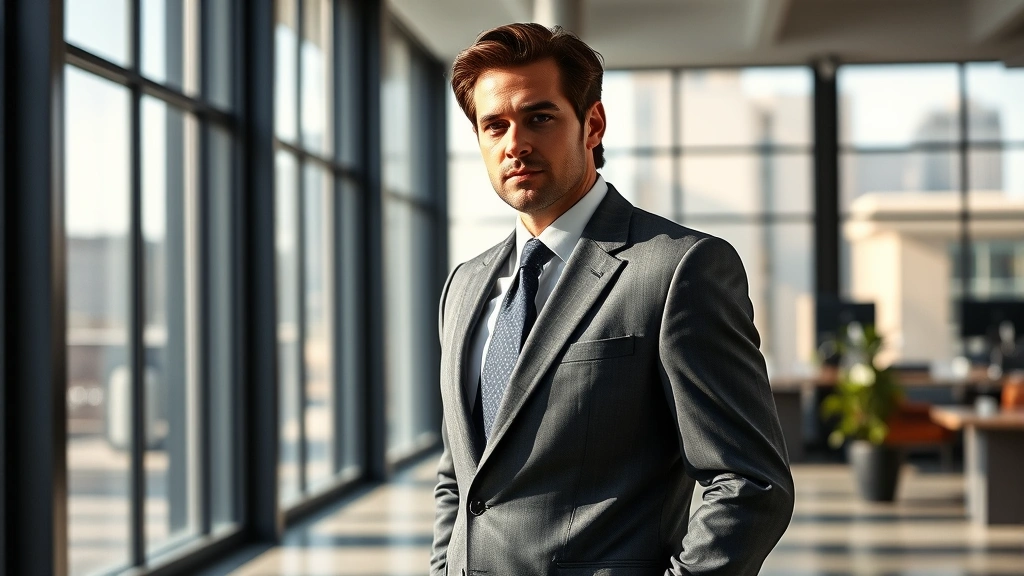
The power suit stands as perhaps the most recognizable silhouette of 1980s men’s fashion, representing a dramatic departure from the tailored elegance of previous generations. These suits featured dramatically oversized shoulders, often enhanced by shoulder pads that created an almost architectural silhouette. The exaggeration wasn’t accidental—it was purposeful, designed to convey authority, ambition, and dominance in an increasingly competitive corporate world. Men wore these suits to boardrooms, networking events, and social gatherings, using fashion as a tool to project confidence and success.
What distinguished the 1980s power suit from traditional menswear was its approach to proportion and volume. Jackets were significantly longer, often reaching mid-thigh, and the lapels were wider and more pronounced. Double-breasted styles gained popularity, offering a more imposing silhouette than their single-breasted counterparts. The trousers were tapered at the ankle, creating a dramatic contrast between the voluminous upper body and fitted lower half. Colors extended beyond traditional navy and charcoal—pastels like coral, mint green, and lavender appeared in professional settings, particularly in Miami and Los Angeles where the aesthetic flourished.
According to Vogue’s analysis of 80s fashion trends, the power suit phenomenon was intrinsically linked to the rise of ambitious professionals portrayed in popular culture. Television shows and films celebrated the corporate climber, and fashion became the visual language of aspiration. The shoulders themselves became a symbol of power, with some suits featuring shoulder pads so pronounced they extended several inches beyond the natural shoulder line. Designers like Giorgio Armani and Gianni Versace pioneered this aesthetic, creating pieces that balanced tailoring sophistication with theatrical presence.
The fabric choices for 1980s power suits reflected the decade’s optimism and excess. Wool blends were standard, but designers experimented with synthetics that offered vibrant color retention and a distinctive sheen. Silk linings often featured bold patterns or metallic finishes, adding luxury and personality to the interior. The construction was meticulously detailed, with careful attention to button placement, pocket design, and the angle of the lapels. These suits represented significant investments, often costing several hundred dollars, making them status symbols that conveyed both financial success and fashion awareness.

Athletic Wear Meets Street Style
Beyond the boardroom, 1980s men’s fashion embraced athletic wear as legitimate street clothing, a trend that fundamentally altered how casual menswear was perceived. Tracksuits, windbreakers, and sneakers became acceptable—even desirable—in social contexts where they would have previously been considered inappropriate. This democratization of athletic wear reflected the era’s fitness obsession and the influence of hip-hop culture, which elevated sportswear to an art form.
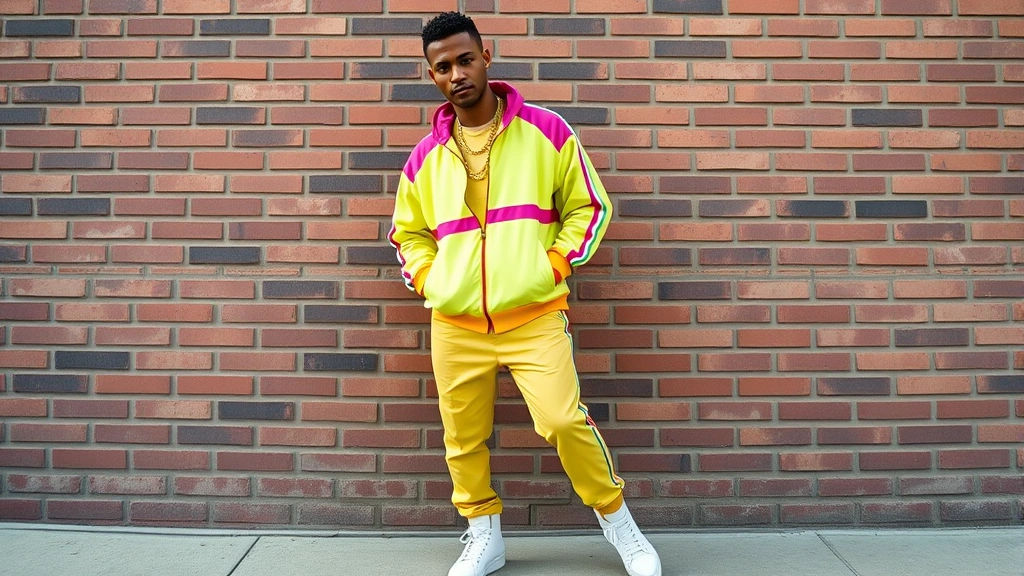
Tracksuits epitomized this trend, featuring contrasting colored jackets and matching trousers in nylon or polyester. Brands like Adidas, Puma, and Fila manufactured tracksuits that transcended the gym, with men wearing them to social events, shopping, and casual outings. The appeal lay in their comfort, bold color combinations, and the subtle status conveyed by wearing recognizable designer logos. Neon accents became particularly popular, with electric pink, lime green, and bright yellow appearing as stripe details or accent panels. The oversized fit, similar to the power suit’s volume but in athletic construction, created a distinctive silhouette that defined street style photography of the era.
Sneakers experienced unprecedented elevation during the 1980s, transitioning from purely functional footwear to fashion statements. High-top basketball shoes, particularly Nike Air Jordans and other performance models, became collectible items. Men paired these athletic shoes with everything from dress trousers to shorts, creating unexpected style combinations that challenged conventional fashion rules. The white leather sneaker became particularly iconic, worn by everyone from executives to artists. Finding your personal style during this era often meant mixing athletic and formal elements in ways that expressed individual taste and cultural affiliation.
Windbreakers and shell jackets in synthetic materials offered practical layering while providing visual interest through color blocking and metallic finishes. These jackets often featured contrasting colored sleeves, creating bold color combinations that would seem outlandish today but felt perfectly natural in the 1980s context. The materials themselves—nylon, polyester, and other synthetics—were celebrated rather than hidden, with their sheen and texture serving as design features rather than drawbacks. This represented a significant shift from previous decades’ emphasis on natural fibers and understated elegance.
The influence of hip-hop culture on athletic wear cannot be overstated. Rappers and musicians elevated sneakers, tracksuits, and sports jerseys to high-fashion status, creating a style language that influenced youth culture globally. Oversized silhouettes, bold logos, and statement accessories became markers of cultural awareness and style sophistication. This street style movement challenged traditional fashion hierarchies, proving that style authority wasn’t exclusively held by haute couture designers but could emerge from grassroots cultural movements.
Accessories and Statement Pieces
Accessories during the 1980s transformed from subtle finishing touches into bold, intentional statements. Men embraced jewelry, belts, watches, and bags with unprecedented enthusiasm, using these elements to personalize their outfits and express individuality. The philosophy seemed to be that more was better, with layered chains, multiple rings, and oversized sunglasses becoming standard components of well-dressed men’s wardrobes.
Jewelry for men took on new significance, with gold chains becoming particularly iconic. These weren’t delicate, refined pieces but substantial chains worn visibly over shirts or as part of the overall silhouette. Chunky rings appeared on multiple fingers, often featuring geometric designs or gemstones. Bracelets, both metal and beaded, added texture and movement to outfits. This jewelry trend reflected broader cultural shifts around masculinity and self-expression, challenging traditional notions that men should avoid ornamentation. The confidence required to wear these pieces was part of their appeal—jewelry became a form of self-assertion.
Sunglasses evolved into architectural accessories, with oversized frames becoming the standard. Aviators remained popular but competed with geometric shapes and colorful frames that made bold fashion statements. The larger the lenses, the more fashionable the accessory, with some styles featuring mirror finishes or gradient tints that offered both function and style. Wearing sunglasses indoors became acceptable, even fashionable, creating an air of mystery and cool detachment that defined 1980s attitude.
Belts transformed into significant visual elements, often featuring large, prominent buckles that served as focal points. Designer logos became status symbols, with Gucci, Hermès, and other luxury brands producing belts that clearly displayed their name and insignia. The buckles themselves were often substantial, sometimes featuring geometric designs or metallic finishes. A well-chosen belt could completely alter an outfit’s aesthetic, adding polish to casual wear or providing contrast to formal attire.
Watches became jewelry rather than mere timekeeping devices. Digital watches with LED displays represented cutting-edge technology and featured prominently in fashion photography. Larger analog watches with visible mechanical components also gained popularity, often featuring metal bracelets rather than leather straps. The watch face itself became a fashion statement, with bold colors and large numerals creating visual impact.
Bags and accessories for carrying items reflected the decade’s increasing emphasis on functionality meeting style. Messenger bags, backpacks, and small shoulder bags appeared in synthetic materials and bold colors. These weren’t understated accessories but pieces designed to complement and enhance the overall outfit. The synthetic materials—vinyl, nylon, and other plastics—were celebrated for their durability and ease of maintenance, with their industrial aesthetic fitting perfectly into the decade’s design philosophy.
Color Palettes and Patterns
The 1980s embraced color with an enthusiasm that shocked traditionalists and delighted fashion experimenters. After decades of relatively restrained palettes, men suddenly had permission—even encouragement—to wear vibrant hues that would have been considered garish in previous eras. Neon colors dominated, from electric pink and lime green to hot orange and brilliant yellow. These colors appeared not as small accents but as major components of outfits, creating visual impact that commanded attention.
Pastel colors offered an alternative to neon’s intensity, with soft pink, mint green, lavender, and peach appearing in suits, shirts, and accessories. These pastels conveyed a different aesthetic—softer, more refined, yet still distinctly 1980s in their saturation and application. The combination of pastel and neon in single outfits created striking contrasts that defined the era’s visual language. A pastel blazer might be paired with a neon shirt and matching neon sneakers, creating a coordinated look that celebrated color rather than downplaying it.
Pattern mixing reached new heights during the 1980s, with men combining stripes, checks, geometric prints, and abstract patterns in single outfits. Paisley, a pattern associated with the 1970s, experienced a revival in new colorways and applications. Abstract geometric patterns, influenced by postmodern art and design, appeared on everything from shirts to jackets. The principle seemed to be that if one pattern was interesting, multiple patterns would be even more so. This approach required confidence and a willingness to challenge conventional taste, making it an effective way to signal fashion awareness and individual style.
Animal prints, particularly leopard and zebra patterns, became acceptable in mainstream menswear during this period. These bold patterns appeared on jackets, shirts, and accessories, often in unexpected color combinations. A leopard-print shirt in purple and white or a zebra-pattern jacket in pink and black would have been unthinkable in previous decades but felt perfectly natural in the 1980s context.
Metallics and shiny finishes added another dimension to the color palette. Lamé fabrics, with their reflective qualities, appeared in shirts and jackets designed to catch light and create visual movement. Holographic materials, representing cutting-edge technology, were incorporated into accessories and smaller garments. These materials embodied the decade’s fascination with innovation and its willingness to embrace synthetic materials as legitimate design elements.
Color blocking—the juxtaposition of solid, contrasting colors—became a primary design strategy. Rather than blending colors gradually, designers created sharp boundaries between different hues, creating bold visual statements. A jacket might feature a solid color upper body with contrasting colored sleeves, or a shirt might be divided into distinct color sections. This approach to color reflected the decade’s preference for clarity, boldness, and visual impact over subtlety.
Hair, Grooming, and Personal Presentation
Hair styling during the 1980s was equally dramatic as clothing choices, with men embracing volume, texture, and intentional styling in ways that reflected broader cultural attitudes. The mullet—business in front, party in back—became iconic, representing the decade’s contradictions and its embrace of individualism. This hairstyle required commitment and regular maintenance, with the longer back sections often permed or curled to achieve maximum volume. The mullet appeared across all social classes and professions, from rock musicians to corporate executives.
Big hair dominated the era, with perms and chemical treatments creating volume and texture. Men visited salons regularly, investing in professional styling and maintenance. The goal was to create hair that had presence, that moved and caught light, that made a statement simply by its existence. Gel and mousse products proliferated, allowing men to shape and style their hair with precision. The hair itself became a fashion accessory, often as important as clothing in completing an overall look.
Facial hair took on new significance, with different styles indicating cultural affiliation and personal taste. The goatee, which would become ubiquitous in the 1990s, began appearing during the late 1980s. Mustaches remained popular, often styled with precision and sometimes combined with carefully groomed beards. Clean-shaven faces also remained common, but the overall approach to facial hair suggested that personal grooming choices were legitimate expressions of style and identity.
Skin care became increasingly important, with men using moisturizers and other products to maintain their appearance. This represented a significant shift from previous generations’ more utilitarian approach to grooming. The emphasis on looking polished and well-maintained reflected the decade’s broader focus on presentation and image.
Makeup, while not mainstream for most men, did appear in certain subcultures and artistic communities. Eyeliner and other cosmetic products were used to create dramatic looks, particularly in glam rock and new wave communities. This experimentation challenged traditional gender norms around masculinity and appearance, creating space for more fluid approaches to personal presentation.
Subcultures and Style Movements
The 1980s witnessed the emergence and evolution of distinct subcultures, each with its own approach to 1980s men’s fashion that reflected different values and aesthetic preferences. Understanding these movements provides crucial context for comprehending the decade’s fashion landscape and the various ways men expressed identity through clothing.
The New Wave movement, influenced by post-punk music and art, created a distinctive aesthetic characterized by sharp tailoring, bold colors, and androgynous silhouettes. New Wave adherents wore skinny ties, high-waisted trousers, and jackets with unusual cuts and proportions. The influence of designers like Jean Paul Gaultier and Rei Kawakubo manifested in unexpected garment constructions and unconventional color combinations. This movement represented intellectual engagement with fashion, using clothing to challenge conventional notions of masculinity and beauty.
Hip-hop culture, emerging from New York and spreading globally, created a powerful style language that influenced mainstream fashion. Oversized silhouettes, bold logos, sneakers, and jewelry became markers of cultural awareness and style sophistication. Rappers and musicians served as style icons, with their clothing choices influencing youth culture worldwide. This movement democratized fashion, proving that style authority could emerge from grassroots cultural movements rather than traditional fashion institutions.
The glam rock movement, continuing from the 1970s but evolving throughout the 1980s, embraced theatrical presentation and gender-bending aesthetics. Artists like David Bowie and Prince pushed boundaries with their clothing choices, wearing dresses, heels, and makeup as part of their artistic expression. This movement challenged traditional notions of masculinity and demonstrated that fashion could serve as a form of artistic expression and social commentary.
The preppy movement, rooted in East Coast American tradition, took on a distinctly 1980s character with bolder colors and more exaggerated proportions than previous iterations. Polo shirts, khaki trousers, and boat shoes remained central to the aesthetic, but the color palette became more vibrant and the silhouettes more exaggerated. This movement represented a particular class identity and cultural affiliation, with specific brands and styling choices serving as markers of belonging.
The bodybuilding and fitness culture created a distinct aesthetic characterized by tank tops, short shorts, and an emphasis on displaying musculature. This subculture influenced mainstream menswear, with fitted t-shirts and sleeveless garments becoming more acceptable in social contexts. The focus on physical fitness and its visual representation through clothing reflected broader cultural attitudes about health, masculinity, and self-improvement.
Incorporating 80s Elements Today
Contemporary fashion continues to draw inspiration from the 1980s, with designers and style experts regularly referencing the decade’s most iconic elements. However, successfully incorporating 1980s aesthetics into modern wardrobes requires thoughtfulness and restraint, avoiding pastiche while capturing the era’s spirit of bold self-expression.
The power suit has experienced a genuine revival, with contemporary designers reinterpreting the silhouette for modern tastes. Today’s versions often feature softer shoulder constructions than their 1980s predecessors, with slightly narrower lapels and more refined proportions. However, the essential idea—using tailoring to project confidence and authority—remains central. Pairing a contemporary power suit with modern accessories creates a look that honors the 1980s while feeling current. Designers like The Guardian’s analysis of power dressing notes that the silhouette’s return reflects renewed interest in structured, intentional fashion choices.
Incorporating neon and bold colors requires confidence and careful coordination. Rather than wearing head-to-toe neon, contemporary style typically employs strategic color accents—a neon sneaker, a bright accessory, or a single vibrant piece balanced with more neutral tones. This approach captures the 1980s spirit of bold self-expression while fitting modern aesthetic sensibilities that often favor a more balanced color palette.
Vintage 1980s pieces, when found in good condition, can serve as focal points for contemporary outfits. A genuine 1980s leather jacket, an original windbreaker, or a well-preserved power suit can add authenticity and historical reference to modern styling. Pairing these pieces with contemporary items creates an interesting dialogue between past and present.
Accessorizing in the 1980s spirit means selecting pieces that make statements and reflect personal taste. Contemporary chunky jewelry, bold watches, and statement belts echo the decade’s approach to accessories without feeling like direct copies. The philosophy remains the same—use accessories to personalize and elevate your look, to express individuality and confidence.
Athletic wear continues to blur boundaries between casual and formal, a legacy of the 1980s. Contemporary high-end sneakers, designer tracksuits, and technical fabrics have evolved from their 1980s predecessors, but the essential idea of elevating sportswear to fashion status remains. The fashion design degree programs increasingly emphasize this blending of categories, recognizing that contemporary menswear requires flexibility and willingness to challenge traditional boundaries.
Pattern mixing, one of the 1980s’ most distinctive contributions to fashion language, continues to influence contemporary style. Modern pattern mixing tends toward more subtle combinations than the decade’s boldest examples, but the principle of combining different prints and textures remains valid. The key is ensuring that patterns share color families or have some visual connection, creating cohesion rather than chaos.
For those seeking deeper understanding of fashion history and its contemporary applications, exploring the best fashion documentaries you need to watch offers valuable context and inspiration. Several excellent documentaries examine the 1980s fashion landscape and its lasting influence on contemporary style.
The broader lesson from 1980s men’s fashion is the importance of confidence in personal style choices. The decade celebrated individualism, bold self-expression, and the willingness to take fashion risks. These principles remain relevant, even as specific silhouettes and color combinations evolve. Whether you’re incorporating subtle 1980s references or embracing the decade’s aesthetic more fully, the essential spirit involves choosing clothing intentionally and wearing it with conviction.
FAQ
What are the most iconic 1980s men’s fashion pieces?
The power suit with oversized shoulders, tracksuits, high-top sneakers, windbreakers, and leather jackets represent the decade’s most iconic pieces. Each of these items captured essential aspects of 1980s aesthetics and remains recognizable today. The power suit symbolized professional ambition, while athletic wear represented the era’s fitness obsession and cultural shifts. These pieces continue to influence contemporary fashion design and personal styling.
How can I incorporate 1980s fashion into a modern wardrobe?
Begin with individual pieces rather than complete looks, selecting items that resonate with your personal style. A single bold-colored jacket, contemporary sneakers with vintage inspiration, or statement accessories can add 1980s flavor to modern outfits. The key is balancing retro elements with contemporary pieces, avoiding costumes while capturing the era’s spirit. Consider the context and occasion, ensuring that your styling choices feel intentional rather than ironic.
Were pastel colors really popular in 1980s men’s fashion?
Yes, pastel colors were genuinely popular during the 1980s, particularly in suits, shirts, and casual wear. Soft pink, mint green, lavender, and peach appeared in professional and social contexts. These pastels conveyed a different aesthetic than neon’s intensity but shared the era’s willingness to embrace bold color. The combination of pastel and neon in single outfits created striking contrasts that defined the period’s visual language.
What role did hip-hop culture play in 1980s men’s fashion?
Hip-hop culture fundamentally transformed 1980s menswear by elevating athletic wear, oversized silhouettes, and bold accessories to fashion status. Rappers and musicians served as style icons, proving that fashion authority could emerge from grassroots cultural movements rather than traditional institutions. The influence of hip-hop on mainstream fashion continues today, with many contemporary trends rooted in the aesthetic innovations of 1980s hip-hop culture.
Are 1980s fashion trends coming back?
Certain 1980s elements have experienced genuine revivals, particularly the power suit and bold accessories. Contemporary designers regularly reference the decade, though typically with updated proportions and modern sensibilities. Rather than exact replications, modern fashion tends to capture the 1980s spirit—confidence, bold self-expression, and willingness to take risks—while translating it into contemporary silhouettes and color palettes. This approach honors the decade’s contributions while creating fashion that feels current.
What made the 1980s such an influential decade for menswear?
The 1980s coincided with significant cultural shifts including economic prosperity, the rise of youth culture as a market force, and the emergence of new music and art movements. These factors combined to create an environment where fashion experimentation was celebrated. The decade’s emphasis on individualism, its rejection of the previous era’s minimalism, and its embrace of bold self-expression through clothing created a distinctive aesthetic that continues influencing fashion today. The confidence and intentionality with which men approached personal styling during this period established principles that remain relevant.

