How to Rock 1950s Men’s Fashion: Expert Advice
The 1950s represented a golden era of masculine style, where tailoring, structure, and sophistication defined men’s fashion. This post-war decade celebrated clean lines, impeccable grooming, and a sense of refined elegance that continues to inspire contemporary menswear. Whether you’re drawn to the rebellious edge of James Dean or the polished perfection of Cary Grant, 1950s guys fashion offers timeless pieces and styling principles that remain remarkably relevant today.
Adopting 1950s menswear doesn’t mean dressing like you’ve stepped out of a time machine. Instead, it’s about understanding the core aesthetic elements that made this decade iconic and integrating them into your modern wardrobe. The beauty of vintage-inspired styling lies in its versatility—you can go full retro or cherry-pick specific pieces to add character and depth to your everyday look. From tailored suits to leather jackets, from crisp white shirts to vintage denim, the 1950s offers a comprehensive blueprint for masculine sophistication.
This comprehensive guide breaks down the essential elements of 1950s men’s fashion, offering expert insights on how to authentically rock this classic style while maintaining contemporary relevance. Whether you’re attending a themed event, building a vintage-inspired wardrobe, or simply seeking style inspiration, understanding the nuances of this era will elevate your fashion game significantly.
The Essential Silhouette: Understanding 1950s Tailoring
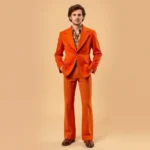
The foundation of 1950s men’s fashion rests on impeccable tailoring and structured silhouettes. Unlike modern fashion’s embrace of relaxed fits, this era celebrated precision and definition. The ideal 1950s silhouette featured broad, squared-off shoulders, a fitted waist, and a straight leg—creating a strong, confident shape that emphasized masculine proportions.
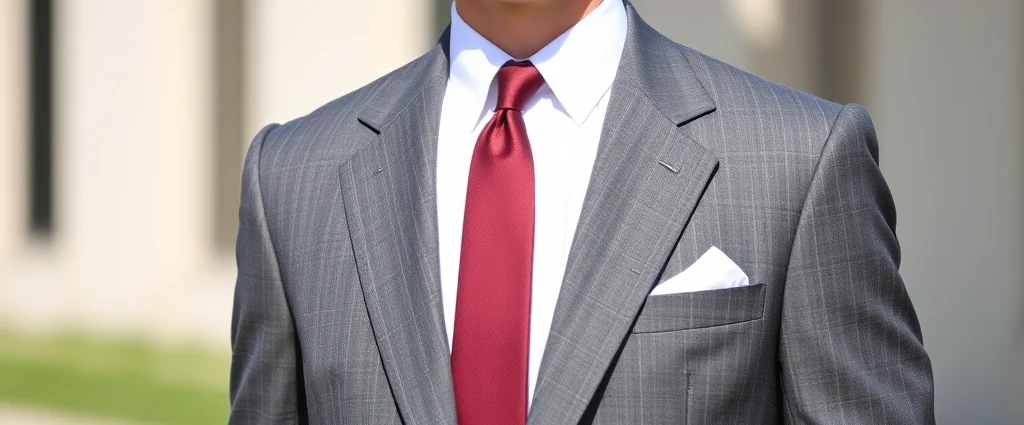
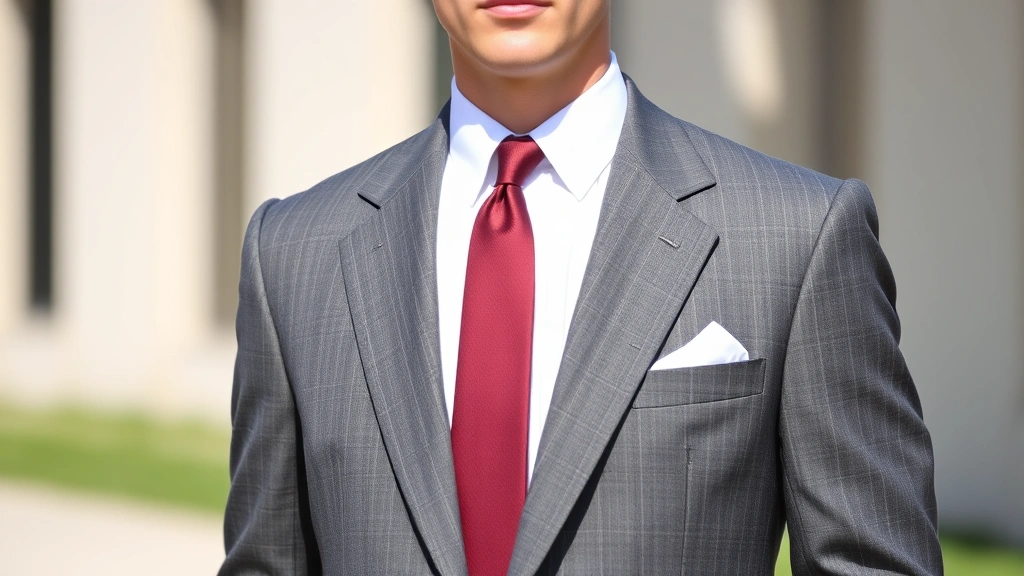
Suits dominated 1950s menswear, and understanding proper fit is crucial when incorporating this style. The jacket should hit at the hip bone with sleeves ending just at the wrist bone. The chest should feel snug but allow comfortable movement, while the waist should be noticeably tapered. This wasn’t about tight clothing; rather, it was about precision tailoring that created clean lines and a polished appearance.
The high-waisted trousers characteristic of this era created a longer leg line and contributed to the overall elongated silhouette. Unlike contemporary fashion, where low-rise jeans dominate, 1950s trousers typically sat at or above the natural waist. This positioning, while initially feeling unusual to modern wearers, creates a remarkably flattering and sophisticated appearance once you adjust to the styling.
When shopping for 1950s-inspired pieces, prioritize quality tailoring over quantity. A single well-fitted suit will serve you far better than multiple poorly-fitting pieces. Consider visiting a tailor to achieve authentic proportions—this investment in proper fit will transform your entire aesthetic and make even contemporary pieces feel more aligned with vintage sensibilities.
Iconic Pieces Every 1950s Enthusiast Should Own
Building an authentic 1950s wardrobe requires understanding which pieces are essential. The tailored suit remains the cornerstone of this aesthetic. Whether in charcoal gray, navy, or classic black, a well-fitted suit serves as the foundation for countless styling options. The beauty of 1950s suiting lies in its versatility—dress it up for formal occasions or dress it down with casual shoes for a more relaxed vibe.
The crisp white dress shirt is equally essential. This piece transcends the 1950s and remains a timeless staple, but vintage versions typically feature a different collar style and fit than contemporary options. Look for shirts with pointed or spread collars and a more structured fabric that holds its shape throughout the day. Pair it with a classic tie for formal occasions or wear it open over a t-shirt for a more casual approach.
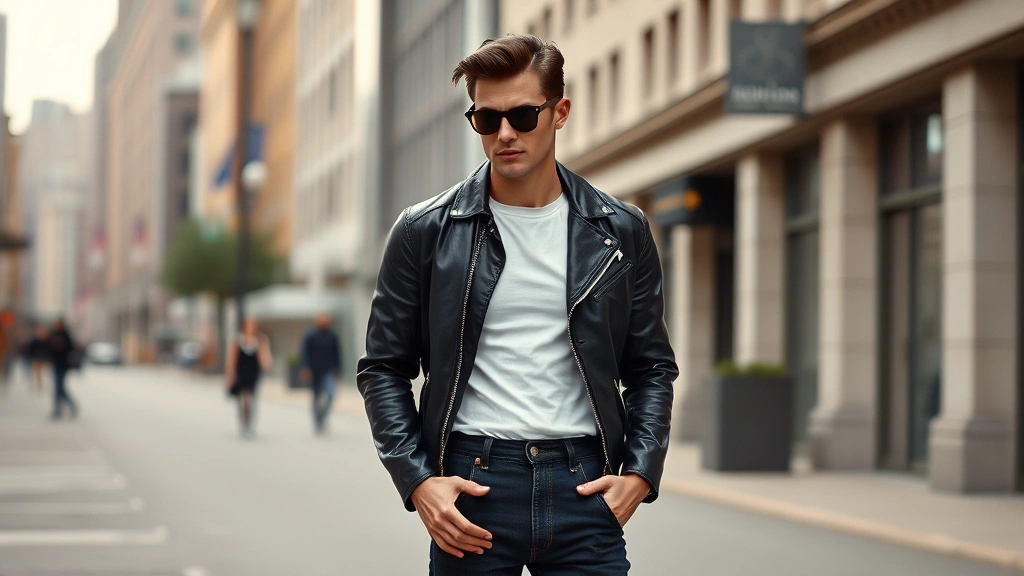
The leather jacket represents the rebellious side of 1950s fashion. Popularized by icons like James Dean and Marlon Brando, a well-worn leather jacket adds edge and authenticity to any outfit. Choose a classic style in black or brown leather—avoid excessively distressed versions that look costume-like. A leather jacket pairs beautifully with jeans, dress trousers, or even suit jackets for an unexpected style juxtaposition.
Vintage denim jeans are another crucial element. The 1950s saw denim transition from workwear to fashion statement, with brands like Levi’s becoming iconic. Look for straight-leg cuts with a higher rise—the original 501 style remains a perfect reference point. The fabric should be substantial and structured, creating clean lines rather than the stretchy, fitted aesthetic of modern denim.
Don’t overlook the cardigan sweater, which played a significant role in 1950s casual wear. Button-front cardigans in neutral tones like cream, gray, or navy offered warmth while maintaining sophistication. These pieces work beautifully layered over dress shirts or worn casually with jeans, adding texture and depth to your styling.
Mastering the Classic 1950s Color Palette
The color choices of the 1950s reflected post-war optimism while maintaining understated sophistication. The primary palette consisted of neutral tones with strategic pops of accent color. Understanding these color traditions helps you make authentic styling choices that feel cohesive and period-appropriate.
Neutral foundations dominated 1950s menswear. Charcoal gray, navy blue, black, cream, and tan formed the backbone of most wardrobes. These versatile colors allowed men to create multiple outfits from fewer pieces—a practical consideration that remains relevant today. A gray suit, navy blazer, and black trousers provide endless combination possibilities.
Rich jewel tones appeared in ties, cardigans, and accessories. Deep burgundy, forest green, and sapphire blue added personality without overwhelming the overall look. These colors worked particularly well in knitwear, where they created visual interest while maintaining the era’s refined aesthetic.
The 1950s also embraced pastels and softer tones, particularly in casual wear. Powder blue, soft pink, and pale yellow appeared in bowling shirts, casual dress shirts, and summer wear. These lighter shades offered a refreshing alternative to heavier neutrals while maintaining the decade’s characteristic restraint.
When incorporating 1950s color choices, remember that the era valued coordination and intentionality. Avoid random color combinations; instead, select a neutral base and add one or two accent colors through ties, accessories, or layering pieces. This disciplined approach to color creates the polished, put-together appearance that defined the decade.
Footwear Fundamentals for Vintage Style
Shoes represent a critical component of 1950s men’s fashion, and understanding appropriate footwear options helps complete your vintage aesthetic. The decade offered diverse shoe styles, each suited to different occasions and outfits.
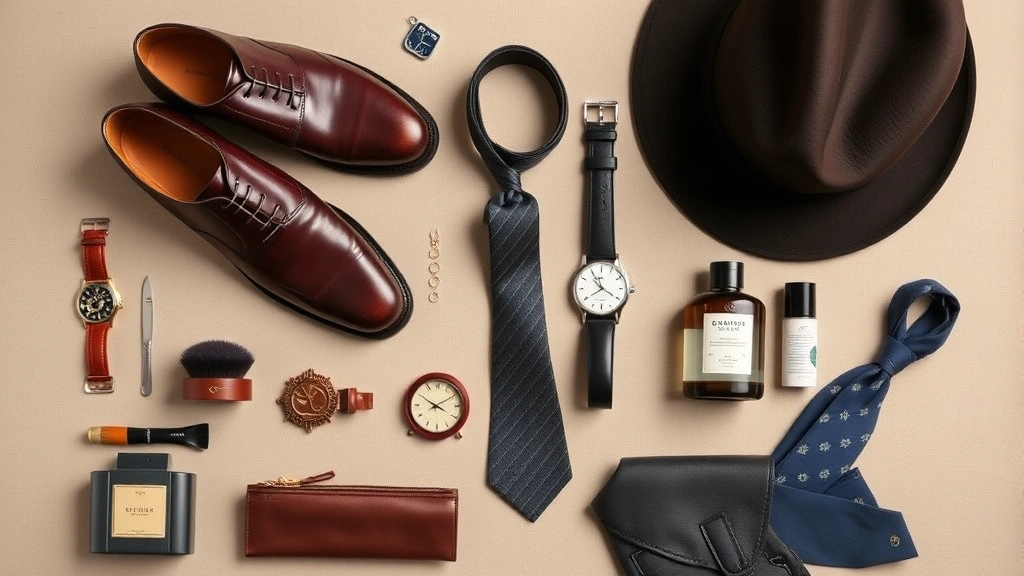
Oxford shoes served as the formal foundation of 1950s footwear. These structured, lace-up shoes in black or brown leather worked perfectly with suits and dress trousers. Look for clean designs without excessive detailing—the beauty of Oxfords lies in their understated elegance. A quality pair of Oxfords remains one of the best investments for vintage-inspired dressing.
Loafers and slip-on shoes offered a more casual alternative while maintaining sophistication. Penny loafers and driving moccasins became increasingly popular during the 1950s, particularly among younger men. These shoes pair beautifully with chinos, casual trousers, or even jeans, offering versatility across various styling scenarios.
Saddle shoes, though more prominent in earlier decades, remained relevant during the 1950s, particularly in casual and collegiate settings. These two-tone shoes feature distinctive styling and work well with vintage denim or casual trousers for an authentic retro look.
White sneakers gained popularity during the 1950s, particularly among younger men influenced by rock and roll culture. Clean, simple canvas or leather sneakers in white work surprisingly well with vintage jeans and t-shirts, creating an effortlessly cool aesthetic that channels James Dean energy.
When selecting shoes, prioritize quality leather and proper maintenance. The 1950s aesthetic demands polished, well-cared-for footwear. Regular cleaning and occasional professional polishing ensure your shoes contribute positively to your overall appearance rather than detracting from it.
Accessories That Define the Era
Accessories represent the finishing touches that transform a basic outfit into an authentically styled 1950s ensemble. These details demonstrate attention to grooming and personal presentation, values that the decade celebrated.
Ties and bow ties were essential accessories, worn with virtually any collared shirt. The 1950s featured distinctive tie styles—thinner than modern ties with bold patterns including stripes, small prints, and geometric designs. Bow ties offered a more formal or artistic alternative, particularly popular among creative professionals. When selecting ties, look for vintage-inspired patterns and textures that reflect the era’s aesthetic.
Suspenders (braces) served both functional and stylistic purposes. While primarily functional, they became increasingly visible as a fashion element, particularly with the higher-waisted trousers of the era. Leather suspenders with metal clips added authenticity to formal looks.
Pocket watches and wristwatches were status symbols and practical accessories. A classic analog watch with a leather band complements vintage styling beautifully. The dial should be relatively simple, avoiding digital displays or overly complex designs that feel anachronistic.
Hats represented a crucial accessory during the 1950s. Fedoras, homburgs, and trilbies were standard for formal occasions and everyday wear. While modern fashion has moved away from hats, incorporating one strategically can dramatically enhance your vintage aesthetic. Choose quality felt in neutral colors, and ensure proper fit—a hat should sit confidently without looking costume-like.
Belts deserve attention as well. Wide leather belts with substantial buckles worked with high-waisted trousers. Quality leather in brown or black ensures durability and authenticity. The belt should coordinate with your footwear, creating visual cohesion across your outfit.
Explore our guide on how to find your personal style for additional perspectives on accessory selection that aligns with your individual aesthetic preferences.
Grooming and Personal Presentation
1950s men’s fashion extended beyond clothing to encompass grooming and personal presentation. The decade valued clean, well-maintained appearances with specific styling conventions that contributed to the overall aesthetic.
Hair styling was paramount. The classic 1950s men’s haircut featured shorter sides with slightly longer hair on top, often styled with pomade or hair cream into a sleek, controlled look. The iconic “slicked-back” style or the slightly tousled look required regular maintenance and quality hair products. Consider visiting a traditional barbershop familiar with vintage styles—this professional guidance ensures you achieve the appropriate cut and styling.
Facial hair varied throughout the decade. While clean-shaven remained the dominant aesthetic, subtle facial hair appeared occasionally. If you prefer facial hair, maintain it meticulously—a neatly trimmed mustache or light stubble works better than heavy beards, which feel incongruent with the era’s polished aesthetic.
Skincare and grooming products played important roles. The 1950s saw increased attention to personal hygiene and grooming rituals. Invest in quality shaving cream, aftershave, and basic skincare products. A clear, healthy complexion contributes significantly to the overall appearance and demonstrates the attention to detail that defined the era.
Nail care deserves mention as well. Clean, neatly trimmed nails represent basic grooming that enhances your overall presentation. This small detail contributes to the polished appearance that 1950s styling demands.
The emphasis on grooming during the 1950s reflected broader cultural values around discipline, self-presentation, and respect for social conventions. Adopting these grooming practices enhances your vintage aesthetic while demonstrating commitment to the overall styling philosophy.
Mixing Vintage with Modern Pieces
While full 1950s styling offers undeniable appeal, most contemporary wearers benefit from blending vintage pieces with modern fashion. This hybrid approach allows you to honor the era’s aesthetic while maintaining relevance in today’s fashion landscape.
Starting with foundational vintage pieces provides the most effective approach. Invest in quality 1950s-inspired tailored pieces—suits, blazers, and trousers—then style them with contemporary shirts, shoes, or accessories. This strategy grounds your look in vintage aesthetics while incorporating modern elements that feel natural to contemporary life.
Layering strategies offer excellent opportunities for blending eras. A vintage leather jacket over a contemporary graphic t-shirt creates visual interest while bridging temporal gaps. A 1950s-inspired cardigan over modern jeans similarly balances vintage and contemporary elements effectively.
Footwear choices provide another avenue for era-blending. Pairing a vintage suit with contemporary sneakers creates an intentional juxtaposition that feels fresh rather than costume-like. This approach requires confidence and clear styling intent, but the results often feel more authentic than overly literal vintage recreation.
Consider exploring our fashion articles and guides for additional perspectives on contemporary styling techniques that complement vintage pieces effectively.
Proportion balancing becomes crucial when mixing eras. If you wear a vintage high-waisted, tapered trouser, balance it with a contemporary oversized shirt or jacket. Conversely, pair vintage oversized pieces with modern fitted elements. This thoughtful proportion play prevents outfits from feeling dated or costume-like.
Shopping Tips for Authentic 1950s Fashion
Finding authentic or inspired 1950s pieces requires strategic shopping and knowledge of where to look. Whether you’re seeking genuine vintage items or contemporary reproductions, these tips will guide your purchasing decisions.
Vintage retailers and thrift stores offer treasure-hunting opportunities for authentic 1950s pieces. Specialized vintage shops typically curate collections more carefully than general thrift stores, though prices reflect this curation. Thrift stores offer budget-friendly options but require patience and knowledge to identify quality pieces among inconsistent inventory.
Online vintage platforms like Etsy, Vestiaire Collective, and The RealReal provide access to extensive 1950s collections with detailed descriptions and authentication. These platforms offer convenience and broader selection, though you sacrifice the tactile experience of trying items on before purchase.
Contemporary brands specializing in vintage-inspired fashion offer another avenue. Brands like Ralph Lauren and others regularly release collections referencing vintage aesthetics, providing new pieces that capture the era’s spirit while offering modern construction and sizing.
Quality assessment is crucial when shopping vintage. Examine seams for strength, check for stains or damage, and assess fabric integrity. Vintage pieces should be functional and beautiful—avoid items requiring extensive restoration unless you’re prepared for that investment.
Sizing considerations differ significantly between vintage and contemporary pieces. Vintage sizing tends to run smaller, and proportions reflect different body ideals. Always check measurements carefully and be prepared to work with tailors to achieve proper fit.
Building a cohesive wardrobe requires strategic purchasing. Rather than accumulating random pieces, consider your lifestyle and styling preferences. Invest in versatile foundational pieces that work together, creating multiple outfit combinations. A well-planned vintage wardrobe functions more effectively than haphazard vintage accumulation.
For additional insights on fashion history and style development, explore our complete fashion history timeline, which contextualizes 1950s menswear within broader fashion evolution.
Fashion experts like Vogue regularly feature vintage styling inspiration and contemporary designer reinterpretations of classic 1950s elements. Following these authoritative sources keeps you informed about current perspectives on vintage fashion trends.
The Fashion Institute of Technology maintains extensive archives and educational resources about vintage fashion periods, offering scholarly perspectives on 1950s menswear that deepen your understanding of the era’s cultural significance.
FAQ
Can I wear 1950s fashion in contemporary settings without looking costume-like?
Absolutely. The key is confidence and intentionality. Blend vintage pieces with contemporary items, ensure proper fit and tailoring, and maintain modern grooming standards. When you present vintage fashion as a deliberate style choice rather than costume recreation, others perceive it as fashion-forward rather than theatrical.
What’s the most essential 1950s piece to start with?
A well-tailored blazer or suit jacket serves as the most versatile foundational piece. This single item elevates numerous outfits and works across casual and formal settings. Invest in quality tailoring to ensure proper fit, and you’ll find endless styling possibilities.
How do I find 1950s pieces that fit modern body types?
Vintage sizing differs from contemporary standards, so careful measurement is essential. Work with experienced tailors who understand vintage proportions and can adjust pieces to fit contemporary body types while maintaining the era’s aesthetic integrity. Many tailors specialize in vintage clothing and understand these adjustments.
Are there affordable ways to adopt 1950s fashion?
Yes. Thrift stores, local vintage shops, and online platforms offer pieces at various price points. Start with less expensive items to experiment with the aesthetic, then invest in quality foundational pieces. Contemporary brands also offer vintage-inspired pieces at accessible price points.
How do I style 1950s pieces for summer weather?
Choose lightweight fabrics like cotton and linen in lighter colors. Linen suits, cotton shirts, and lightweight cardigans work beautifully in warm weather while maintaining the era’s aesthetic. Pair them with lighter-colored shoes and minimal accessories to create a summer-appropriate look.
Can women wear 1950s men’s fashion?
Absolutely. Gender-neutral fashion allows anyone to adopt styles they love. Oversized blazers, vintage jeans, and leather jackets work beautifully regardless of gender identity. The key is proper fit and styling confidence. For additional inspiration, explore our guide on 1950s women’s fashion for gender-specific styling perspectives.
How do I care for vintage 1950s pieces?
Gentle care extends vintage clothing’s lifespan. Dry clean delicate items, hand wash when possible, and store pieces properly to prevent deterioration. Address stains and damage promptly, and consider professional restoration for valuable pieces. Quality storage—in cool, dry environments away from direct sunlight—preserves fabric integrity.
What’s the difference between authentic vintage and vintage-inspired contemporary pieces?
Authentic vintage pieces are original items from the 1950s era, offering genuine historical fabric and construction. Contemporary vintage-inspired pieces recreate the aesthetic using modern materials and construction techniques. Both offer value—authentic vintage provides historical authenticity, while inspired pieces offer modern comfort and durability.