1970s Men’s Fashion: Vintage Style Guide
The 1970s represents one of the most transformative and eclectic decades in men’s fashion history. This era shattered conventional style rules, introducing bold patterns, relaxed silhouettes, and an unprecedented freedom of expression that continues to influence contemporary menswear today. From the disco-inspired glamour of Studio 54 to the earthy authenticity of bohemian counterculture, 1970s men’s fashion encapsulated a decade of liberation, experimentation, and unapologetic confidence.
Whether you’re seeking to incorporate vintage 1970s elements into your modern wardrobe or fully embrace the era’s iconic aesthetic, this comprehensive guide explores the key trends, essential pieces, and styling techniques that defined men’s fashion during this revolutionary decade. The 1970s wasn’t merely about clothing—it was a cultural statement reflecting social movements, technological advancement, and a collective desire to break free from rigid fashion conventions.
The Disco Revolution and Glamorous Excess
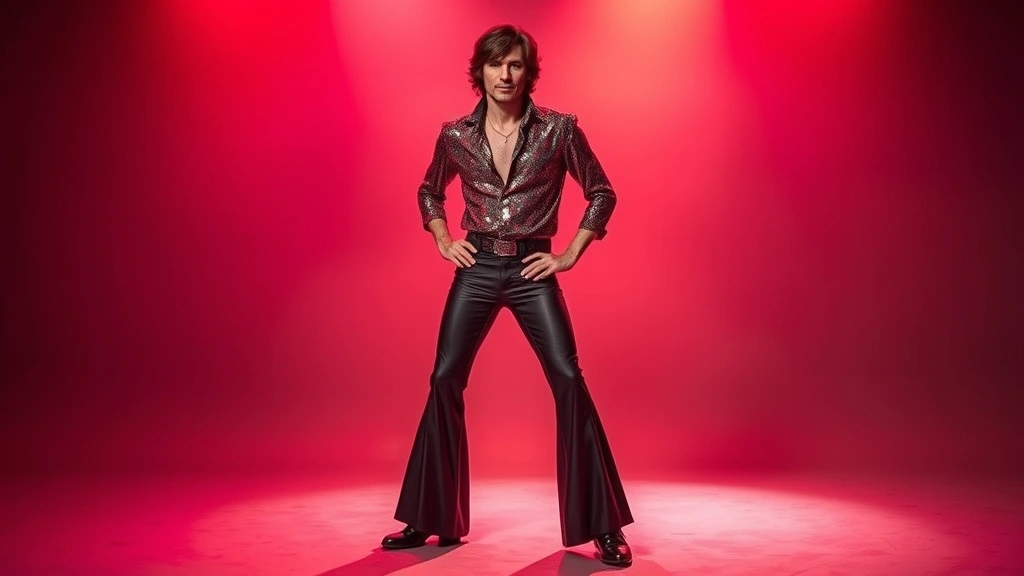
The disco movement fundamentally transformed men’s fashion during the mid-to-late 1970s, introducing an era of unprecedented glamour and extravagance to mainstream menswear. Disco culture, which exploded from underground New York nightclubs into a global phenomenon, demanded clothing that was bold, shimmering, and unapologetically attention-grabbing. Men abandoned conservative fashion norms in favor of sequined shirts, metallic fabrics, and garments adorned with rhinestones and studs.
Inspired by legendary figures like John Travolta in “Saturday Night Fever” and David Bowie’s gender-bending androgyny, disco fashion encouraged men to embrace colors and silhouettes previously considered unconventional. The era celebrated self-expression through clothing, with men wearing jumpsuits, body-hugging shirts, and accessories that sparkled under the strobing lights of dance floors. This shift represented a seismic change in how masculinity was expressed through fashion, challenging traditional notions that men’s clothing should be understated or conservative.
The disco aesthetic wasn’t limited to nightclub wear—it permeated everyday fashion as well. Silk shirts in jewel tones, fitted trousers with dramatic flares, and chunky gold chains became status symbols and style statements. For those interested in exploring how different different fashion styles evolved, the disco era offers a fascinating case study in how subculture movements influence mainstream fashion.
Wide-Collar Shirts and Statement Silhouettes
Perhaps no single garment defines 1970s men’s fashion more distinctly than the wide-collar shirt. These shirts featured dramatically oversized collar points that extended far down the chest, creating a bold geometric silhouette that dominated the decade. The wide collar represented a radical departure from the narrow, conservative collar styles of previous decades, symbolizing the era’s embrace of exaggeration and visual impact.
The shirts themselves came in an astounding variety of materials and designs. Polyester dominated, offering a lustrous sheen and easy-care properties that appealed to the modern man. Patterns ranged from subtle geometric prints to explosive psychedelic designs featuring swirling colors and abstract motifs. Some of the most iconic wide-collar shirts featured bold stripes, paisley patterns, or bold floral prints that would seem outrageous by today’s conservative standards but were entirely acceptable during this fashion-forward decade.
Beyond the traditional button-up shirt, the era saw the rise of the body-hugging knit shirt and the open-front silk shirt worn without undershirts—a style that emphasized the wearer’s physique and exuded confidence. These shirts were often paired with chest jewelry or left partially unbuttoned to showcase gold chains and medallions. Understanding how types of fashion vary by era helps appreciate how dramatically shirt silhouettes shifted during this transformative period.
Bell-Bottoms and Flared Trousers
Bell-bottom trousers and dramatically flared pants represent the most visually distinctive element of 1970s men’s fashion. These pants featured legs that were fitted through the thigh before dramatically widening from the knee downward, sometimes reaching widths of 24 inches or more at the hem. This exaggerated silhouette created a striking visual effect, particularly when paired with platform shoes or worn over boots.
The appeal of bell-bottoms extended beyond mere aesthetics—they represented a philosophical shift toward comfort and freedom of movement. The relaxed fit through the hip and thigh contrasted sharply with the fitted suit trousers of previous generations, reflecting broader cultural movements toward liberation and rejection of restrictive conventions. Men could move freely, dance without constraint, and express individuality through the dramatic silhouette of their pants.
Bell-bottoms came in virtually every conceivable color and material. Denim versions offered a casual, bohemian aesthetic perfect for everyday wear, while polyester and other synthetic fabrics provided a sleek, polished look suitable for evening occasions. Corduroy bell-bottoms added texture and warmth, while satin versions offered ultimate glamour. Some of the most adventurous versions featured metallic threads woven throughout, catching light and creating a shimmering effect on the dance floor.
The versatility of flared trousers allowed them to work across multiple style contexts. When exploring fashion style across different eras, bell-bottoms emerge as a defining silhouette that transcended socioeconomic boundaries and appeared in both high fashion and streetwear contexts throughout the decade.
Bohemian and Hippie Influences
While disco dominated nightlife and urban fashion, bohemian and hippie influences continued to shape 1970s men’s fashion throughout the decade. The counterculture movement that had peaked in the 1960s evolved and matured, with its aesthetic becoming increasingly sophisticated and integrated into mainstream fashion. Men adopted flowing fabrics, earth tones, natural textures, and spiritual symbolism as expressions of their values and lifestyle choices.
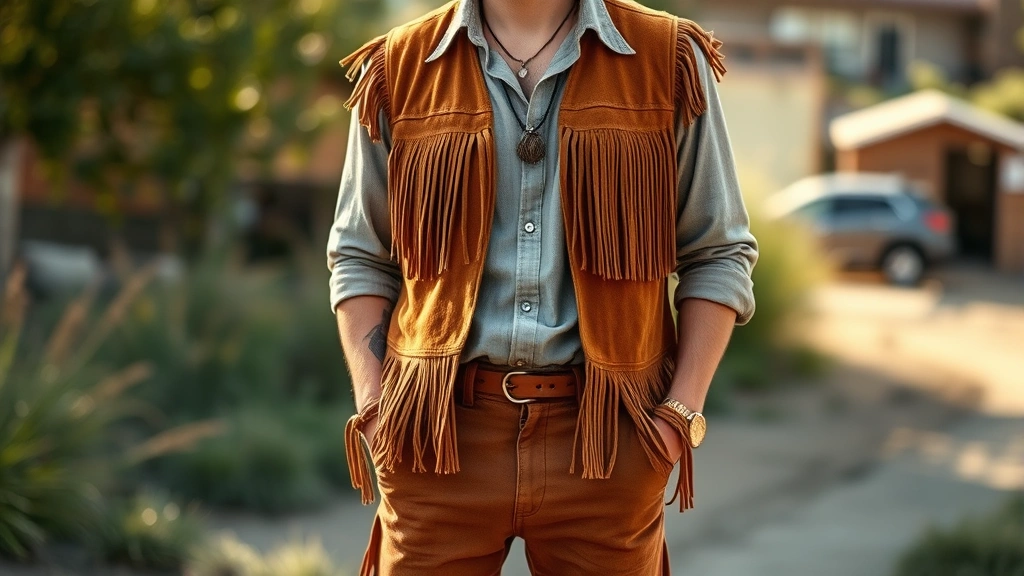
Bohemian fashion embraced natural fibers including cotton, linen, and wool in their undyed, unbleached forms. Fringe details adorned jackets, vests, and shirts, while suede and leather added texture and authenticity. Embroidered patterns drew inspiration from indigenous cultures, Eastern philosophy, and nature motifs. Headbands, bandanas, and wide-brimmed hats completed the bohemian look, while long hair—often worn loose or in braids—was essential to the aesthetic.
The bohemian influence manifested in practical garments suited to outdoor living and alternative lifestyles. Work shirts and heavy denim provided durability, while ponchos and capes offered protection from the elements in an effortlessly stylish manner. Patches, often sewn onto jeans or jackets, displayed band logos, political statements, or artistic designs, transforming clothing into personal canvases of expression.
Interestingly, bohemian and disco aesthetics coexisted throughout the 1970s, appealing to different demographics and occasions. A man might wear bell-bottom jeans and a fringe jacket to a concert or casual gathering, then don a sequined shirt and platform shoes for an evening at a nightclub. This stylistic flexibility reflected the era’s overall openness to diverse fashion expressions.
Leather and Suede Revolution
Leather and suede emerged as dominant materials during the 1970s, transforming from utilitarian staples into fashion-forward luxury materials. Leather jackets, particularly the motorcycle-inspired bomber and the structured blazer-style jacket, became essential wardrobe pieces for men seeking to project confidence and edge. These jackets came in rich colors including black, chocolate brown, cognac, and even bold shades like burgundy and forest green.
Suede offered a softer, more refined aesthetic than leather, appearing in fringe-trimmed jackets, vests, and even pants. The tactile quality of suede appealed to the era’s sensory approach to fashion, while the material’s natural variations in color and texture added depth and visual interest. Many bohemian-influenced pieces featured suede, while disco enthusiasts favored sleek leather for its lustrous sheen under nightclub lighting.
Leather pants, a controversial choice in earlier decades, became increasingly accepted during the 1970s. Tight-fitting leather trousers worn by rock musicians and performers trickled down to mainstream fashion, particularly among younger men seeking to project a rebellious image. The contrast between the softness of suede and the structure of leather allowed for diverse styling options, from rough-and-tumble motorcycle aesthetics to polished, sophisticated looks.
Vests constructed from leather or suede served as layering pieces that added dimension and texture to outfits. Often worn over wide-collar shirts or body-hugging knits, these vests provided visual interest while maintaining the silhouettes characteristic of the era. The combination of a fringed suede vest with bell-bottom jeans and a patterned shirt epitomized 1970s bohemian style, while a sleek leather vest over a silk disco shirt created an entirely different aesthetic.
Platform Shoes and Bold Footwear
Footwear during the 1970s underwent a dramatic transformation, with platform shoes and chunky soles becoming ubiquitous among fashionable men. Platform shoes, which elevated the wearer several inches off the ground, served both practical and aesthetic purposes. On dance floors, they created additional height and presence, while their bold silhouettes complemented the era’s exaggerated proportions in clothing.
Platform boots dominated the decade, appearing in leather, suede, and synthetic materials. These boots often featured decorative elements including studs, chains, or metallic accents. The most iconic platform boots were the disco-style versions with stacked wooden heels and often featuring shiny patent leather or metallic finishes. Some versions incorporated contrasting colors or materials, such as leather uppers with suede panels or vice versa.
Beyond boots, platform shoes appeared as dressy loafers, casual sneakers, and even sandals. The elevated sole became so ubiquitous that standard flat-soled shoes seemed almost quaint by comparison. The platforms varied in height from modest two inches to dramatic four or five-inch stacks, creating a distinctive silhouette that emphasized the leg and complemented bell-bottom trousers perfectly.
Canvas sneakers with platform soles offered a casual alternative to leather boots, while platform loafers provided a dressier option suitable for business or formal occasions. The variety of platform footwear options meant that men could incorporate the trend into virtually any outfit, from casual weekend wear to sophisticated evening attire. The bold nature of platform shoes reflected the era’s overall rejection of understated fashion in favor of statement-making pieces.
Patterns, Colors, and Textures
The 1970s embraced color and pattern in ways that contemporary menswear rarely does. Avocado green, burnt orange, mustard yellow, and harvest gold dominated the palette, reflecting the era’s earthy sensibilities and the prevailing interior design trends. These warm, saturated colors appeared in every garment category, from shirts and pants to jackets and accessories.
Pattern proliferation defined 1970s men’s fashion in ways that distinguished it sharply from previous and subsequent decades. Paisley patterns, inspired by psychedelic art and Eastern aesthetics, adorned shirts and pants. Geometric prints featuring triangles, hexagons, and abstract shapes created visual dynamism. Floral patterns, once considered exclusively feminine, appeared on men’s shirts and ties, reflecting the era’s gender-bending approach to fashion.
Plaid and tartan patterns, drawn from traditional Scottish heritage, appeared in unexpected contexts—paired with bell-bottoms, worn as shirt fabrics, or used for jacket linings. Polka dots, stripes of varying widths, and abstract splatter patterns all coexisted in the fashion landscape. The key principle was that more was more—combining multiple patterns in a single outfit was not only acceptable but encouraged.
Texture played an equally important role in 1970s aesthetic. Corduroy provided warmth and visual interest, velvet offered luxury and sensuality, and knit fabrics created body-hugging silhouettes. Suede and leather added tactile richness, while metallic and shiny synthetic fabrics caught light dynamically. The interplay of different textures created depth and visual complexity that elevated even simple outfits into interesting style statements.
Understanding how to layer different patterns and textures is essential for anyone seeking to incorporate 1970s elements into modern wardrobes. The era’s approach to color and pattern stands in stark contrast to contemporary minimalist trends, offering inspiration for those seeking to make bolder style choices.
Accessories That Defined the Era
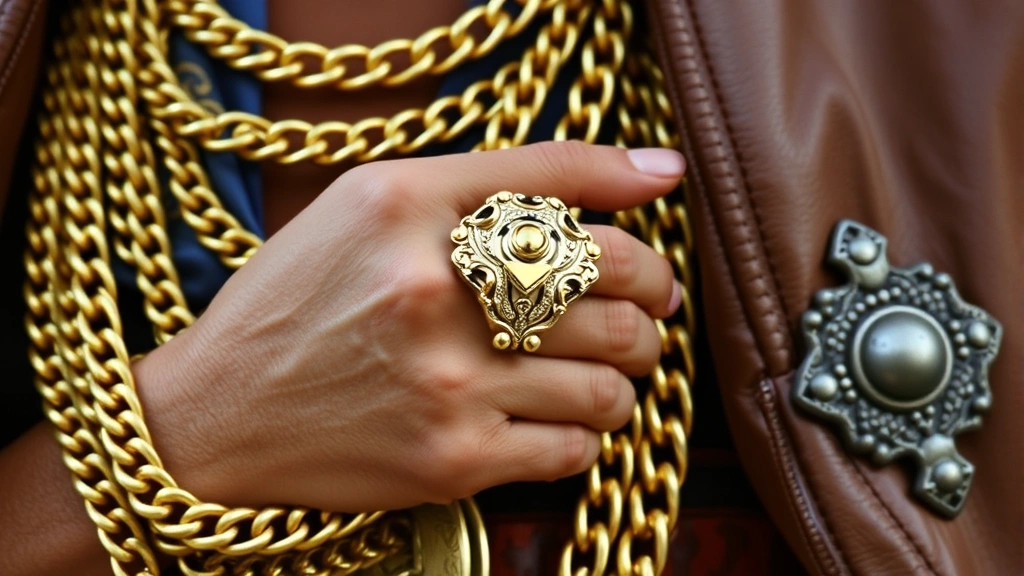
Accessories during the 1970s transformed from supporting players into statement-making elements that could define an entire outfit. Gold chains, ranging from delicate strands to thick, chunky pieces, became essential elements of men’s fashion. Worn layered around the neck or as single dramatic statement pieces, gold chains symbolized wealth, confidence, and a willingness to embrace ostentation.
Pendants and medallions hung from chains, featuring symbols of spirituality, strength, or status. Astrological signs, religious symbols, and abstract designs all appeared as pendant options. The combination of multiple chains at varying lengths created a cascading effect that drew attention to the chest and complemented the open-front shirts favored during the era.
Rings proliferated on 1970s hands, with men wearing multiple rings on each hand without restraint. Large statement rings featuring stones, metals, or sculptural designs projected confidence and individuality. Signet rings, traditional symbols of status and heritage, gained popularity among men seeking to project sophistication and establishment credibility.
Belts served both practical and decorative purposes, with wide leather belts featuring large, ornate buckles becoming essential accessories. Belt buckles themselves became miniature artworks, featuring Western motifs, mystical symbols, or bold geometric designs. Some buckles were crafted from brass or other metals and incorporated precious stones or enamel work.
Scarves, headbands, and bandanas added finishing touches to 1970s outfits. Worn around the neck, tied around the head, or wrapped around the wrist, these accessories provided opportunities for additional color and pattern play. Sunglasses, particularly oversized styles with tinted lenses, completed the disco look, while smaller, wire-framed glasses offered a more bohemian aesthetic.
Watches evolved into more decorative pieces during the 1970s, with digital watches gaining popularity and becoming status symbols as technology advanced. Solid gold or gold-plated watches projected luxury, while innovative designs reflected the era’s embrace of modernity and technological progress.
Styling 1970s Fashion Today
Incorporating 1970s elements into contemporary wardrobes requires balance and intentionality. Rather than attempting to recreate the era wholesale, modern stylists often extract key elements and integrate them with contemporary pieces, creating outfits that feel current while honoring the decade’s aesthetic sensibilities. A single piece—perhaps a wide-collar shirt or a pair of flared trousers—can anchor an outfit and evoke the era without appearing costume-like.
Vintage 1970s pieces have become increasingly sought-after by contemporary fashion enthusiasts, with original items from the era commanding premium prices. Thrift stores and vintage boutiques offer more affordable alternatives, though quality and condition vary considerably. When shopping for vintage pieces, focus on construction quality, fabric integrity, and timeless design elements that transcend specific trends.
For those seeking to embrace 1970s style without vintage pieces, contemporary designers continually reference the era in their collections. Modern reproductions of iconic 1970s silhouettes appear regularly on runways and in retail stores, allowing men to access the aesthetic without searching for original pieces. Pairing a contemporary-made wide-collar shirt with modern jeans and current footwear creates a balanced look that feels contemporary while nodding to the past.
Color and pattern should be approached with confidence. Rather than defaulting to safe neutrals, consider incorporating the warm earth tones and bold patterns that defined 1970s fashion. A paisley shirt paired with solid trousers, or burnt orange corduroy pants with a neutral top, can introduce the era’s aesthetic without overwhelming the overall look. The key is selecting one or two statement pieces rather than attempting to recreate an entire 1970s outfit.
Layering offers another approach to incorporating 1970s elements. A suede vest over a contemporary button-up shirt, or a leather jacket worn with modern jeans, introduces texture and silhouette references without requiring a complete wardrobe overhaul. This approach allows modern men to benefit from 1970s style inspiration while maintaining a contemporary overall aesthetic.
For those interested in developing a comprehensive personal style, consulting with a fashion consultant can provide valuable guidance on integrating vintage inspiration into modern wardrobes. Additionally, exploring Style Loom Daily Blog offers ongoing inspiration and trend analysis from fashion experts.
The beauty of 1970s fashion inspiration lies in its inherent flexibility. The era celebrated individualism and self-expression, rejecting rigid fashion rules in favor of personal interpretation. Modern men seeking to incorporate 1970s elements should embrace this same philosophy—selecting pieces and styles that resonate personally rather than adhering to prescriptive guidelines.
Accessories provide perhaps the easiest entry point into 1970s styling. A chunky gold chain, a wide leather belt with a statement buckle, or a pair of platform shoes can instantly evoke the era. These smaller pieces allow experimentation with the aesthetic before committing to more substantial wardrobe changes. Over time, as comfort with 1970s elements grows, men can introduce larger pieces like bell-bottom trousers or wide-collar shirts.
FAQ
What are the most iconic 1970s men’s fashion pieces?
The most recognizable 1970s pieces include wide-collar shirts, bell-bottom trousers, platform shoes, leather jackets, and gold chain necklaces. These items define the era and remain instantly recognizable today. When seeking to evoke 1970s style, focusing on these signature pieces provides the strongest aesthetic foundation.
How can I wear 1970s fashion without looking like I’m in costume?
The key is balance and contemporary styling. Pair a 1970s-inspired piece with modern items, maintain clean grooming standards, and avoid wearing head-to-toe 1970s outfits. A single statement piece—such as a wide-collar shirt or flared trousers—paired with contemporary basics creates a fashion-forward look rather than a costume appearance.
Where can I find authentic vintage 1970s clothing?
Vintage boutiques, thrift stores, online marketplaces like Etsy and eBay, and specialty vintage retailers offer authentic 1970s pieces. Estate sales and antique shops occasionally carry clothing items as well. When shopping vintage, examine construction quality, check for damage or stains, and verify that items are authentic rather than reproductions.
Are bell-bottom trousers considered fashionable today?
Bell-bottoms have experienced a significant resurgence in contemporary fashion. While not universally worn, they appear regularly on runways and in fashion-forward streetwear. Modern versions often feature more subtle flares than their 1970s predecessors, creating a balanced silhouette that works with contemporary fashion sensibilities.
What colors were most popular in 1970s men’s fashion?
Earth tones dominated the 1970s palette, including avocado green, burnt orange, mustard yellow, harvest gold, chocolate brown, and rust. These warm, saturated colors appeared in virtually every garment category. Black, white, and jewel tones like deep purple and teal provided contrast and appeared frequently in disco-influenced pieces.
How do platform shoes fit into modern style?
Platform shoes have become increasingly fashionable in contemporary menswear. Modern versions often feature more refined proportions than their 1970s predecessors while maintaining the silhouette’s essential character. Pairing platform boots or shoes with contemporary clothing creates visual interest and pays homage to the era without appearing dated.
Can women incorporate 1970s men’s fashion into their wardrobes?
Absolutely. Many contemporary styling approaches involve cross-gender fashion references. Wide-collar shirts, bell-bottom trousers, leather jackets, and other 1970s men’s pieces work beautifully in gender-neutral or feminine styling contexts. The key is tailoring and proportion—oversizing pieces intentionally or selecting versions designed for women’s bodies creates cohesive looks.
What role did disco play in shaping 1970s men’s fashion?
Disco was transformative in 1970s fashion, introducing glamour, sequins, metallics, and body-conscious silhouettes to mainstream menswear. The movement challenged traditional masculinity in fashion, encouraging men to embrace shine, color, and fitted clothing. Disco’s influence extended far beyond nightclub wear, affecting everyday fashion throughout the decade.
How did bohemian style differ from disco fashion in the 1970s?
Bohemian fashion emphasized natural fibers, earth tones, and flowing silhouettes inspired by counterculture values, while disco fashion celebrated synthetic materials, bold colors, and body-hugging fits suited to nightlife. Despite their differences, both aesthetics coexisted throughout the decade, often worn by the same individuals in different contexts.
What fashion resources can help me learn more about 1970s style?
Fashion history books, documentary films, and online resources provide valuable insights into 1970s fashion. Publications like Vogue often feature retrospectives on the era, while fashion museums maintain archives of iconic pieces. Exploring different fashion styles through educational resources deepens understanding of how 1970s aesthetics fit within broader fashion history.