1930s Men’s Fashion: Expert Insights Into Timeless Style
The 1930s represent one of the most transformative and elegant periods in men’s fashion history. Often overshadowed by the glamorous aesthetics of the 1920s, the decade following the stock market crash actually refined masculine style into something remarkably sophisticated and enduring. This era witnessed the emergence of tailoring principles, color palettes, and silhouettes that continue to influence contemporary menswear today. From the drawing rooms of London to the streets of New York, 1930s fashion for guys established a blueprint for timeless elegance that transcends generational boundaries.
Understanding 1930s men’s fashion requires appreciating the cultural and economic context that shaped it. As the Great Depression gripped nations worldwide, men’s fashion paradoxically became more refined and intentional. Quality over quantity became the mantra, and versatile pieces that could be mixed and matched became essential. The silhouette shifted from the loose, relaxed fits of the previous decade to a more structured, tailored aesthetic that emphasized the male form without exaggeration. This period birthed many conventions we still follow today, from the proper way to wear a suit to the importance of quality fabrics and impeccable fit.
The Evolution of the Suit
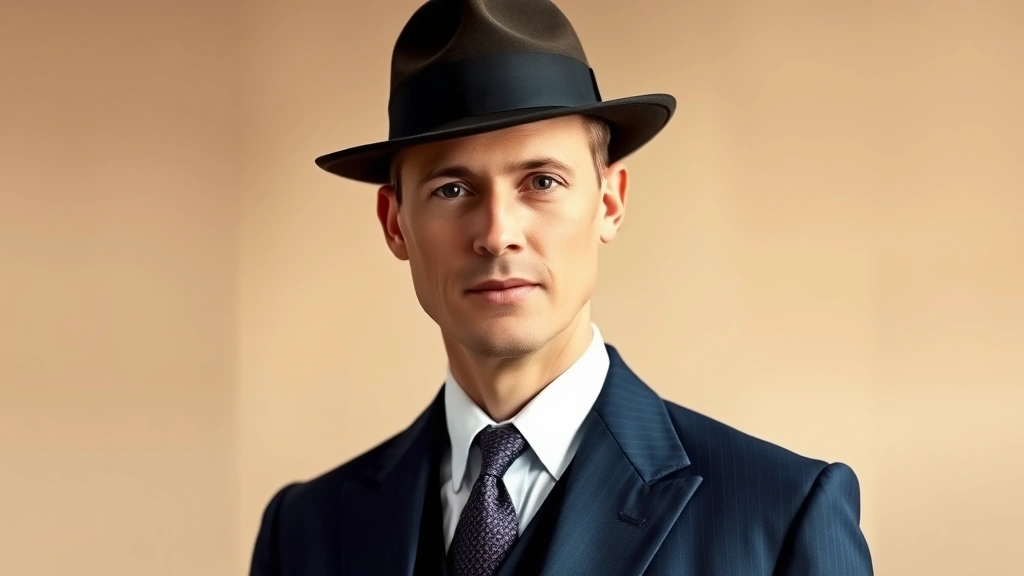
The 1930s suit represents the pinnacle of tailoring refinement, establishing standards that remain relevant in modern menswear. Unlike the baggy, high-waisted silhouettes of the 1920s, 1930s fashion for guys introduced a more streamlined approach. The jacket featured a natural shoulder line, a higher button stance, and a more defined waist. The cut emphasized broad shoulders while maintaining an elegant taper through the torso, creating an athletic yet sophisticated appearance. Lapels became narrower and more refined, with notch lapels dominating daywear while peak lapels appeared on evening wear.
Trousers underwent equally significant transformations during this decade. Gone were the wide, baggy cuts that characterized the previous era. Instead, 1930s men’s fashion embraced trousers with a higher rise and a gradual taper from hip to ankle. The break—that slight fold of fabric where the trouser meets the shoe—became a deliberate design choice rather than an accident. High-waisted trousers, often sitting at or above the natural waist, became standard, requiring suspenders rather than belts. This construction not only looked sophisticated but also provided comfort and practical functionality for working men during economically challenging times.
The three-piece suit gained prominence during the 1930s, though the vest wasn’t always visible. When worn as part of a complete fashion ensemble, the vest added formality and an additional layer of sophistication. Double-breasted jackets emerged as a fashionable alternative to single-breasted styles, particularly for business and formal occasions. These jackets typically featured six buttons in a 3-2 closure pattern, creating a more imposing and authoritative silhouette that appealed to men seeking to project confidence and stability during uncertain economic times.
Fabric Selection and Materials
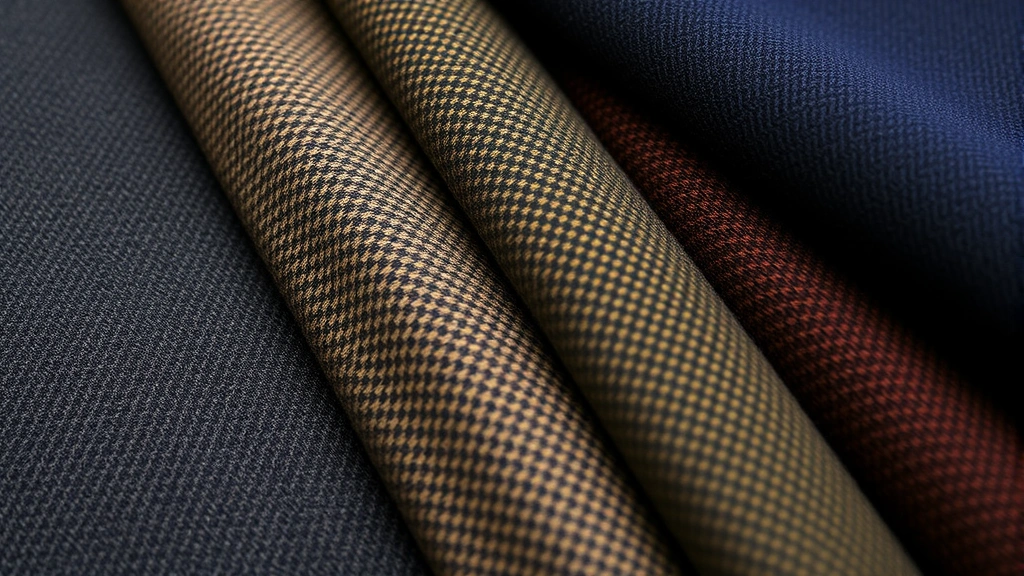
The fabric choices available during the 1930s directly reflected both technological advances and economic constraints. Wool dominated menswear, with tweed, flannel, and worsted becoming standard materials for suits and jackets. Tweed, particularly Harris Tweed from Scotland, became synonymous with quality and durability. These fabrics were chosen not merely for aesthetic appeal but for their longevity and ability to withstand regular wear. A well-made 1930s suit in quality wool could last decades with proper care, making it a genuine investment piece.
Worsted wool emerged as the preferred choice for business suits, offering a smooth finish and refined appearance. The tightly woven fibers created a lustrous surface that caught light beautifully while maintaining structural integrity. Flannel provided a softer alternative, ideal for less formal occasions and particularly popular for trousers. The weight and drape of these fabrics contributed significantly to the sophisticated silhouettes that define 1930s men’s fashion. Cotton and linen appeared in summer wear, with lightweight cotton suiting providing comfort during warm months without sacrificing style or formality.
Synthetic fibers were beginning to emerge during the 1930s, though natural materials remained predominant. The introduction of rayon marked an important development, though it was often blended with natural fibers rather than used exclusively. Men of that era understood that fabric quality directly impacted garment longevity and appearance. This philosophy aligns with contemporary different fashion styles guidance emphasizing investment in quality pieces. The durability and timeless aesthetic of 1930s fabrics explain why vintage pieces from this era remain highly sought after by collectors and style enthusiasts today.
Key Wardrobe Essentials
Understanding the core pieces that constituted a 1930s gentleman’s wardrobe provides valuable insight into creating a timeless personal style. The essential foundation included at least two to three suits in neutral colors, multiple dress shirts in white and soft colors, and several ties in various patterns and colors. These basics could be mixed and matched to create numerous outfits, a practical necessity during economically difficult times. The emphasis on versatility and quality over quantity created a wardrobe philosophy that remains relevant today.
The dress shirt underwent significant refinement during the 1930s. Collars became more refined, with the spread collar gaining popularity for business wear while the point collar remained standard for formal occasions. Shirts featured mother-of-pearl buttons and were typically made from fine cotton with a smooth finish. French cuffs, which required cufflinks, appeared on more formal shirts, while barrel cuffs dominated everyday wear. The fit emphasized a clean, tailored appearance with shirts tucked in securely and worn with suspenders to maintain proper positioning throughout the day.
Knitwear played an increasingly important role in 1930s men’s fashion. V-neck sweaters worn over shirts and ties provided layering options and visual interest. Cardigans appeared as alternatives to jackets in less formal settings, particularly for weekend wear. These pieces were typically made from high-quality wool, offering warmth and durability. The conservative color palettes and refined cuts of 1930s knitwear established templates that designers continue to reference when creating contemporary menswear collections. Exploring how these classic pieces help define personal style can guide modern men in building cohesive wardrobes.
Color Palettes and Patterns
The color preferences of 1930s men’s fashion reveal a sophisticated understanding of how hue contributes to overall aesthetic impact. Navy blue dominated business and formal wear, offering versatility and timeless appeal. Charcoal gray provided an excellent alternative, creating subtle visual variation while maintaining the conservative aesthetic appropriate for professional environments. Black appeared primarily in formal evening wear rather than daywear, a distinction that emphasized the formality gradient inherent in proper dressing. Brown, in various shades from tan to chocolate, appeared regularly in suits intended for less formal occasions and weekend wear.
Pattern selection during the 1930s demonstrated considerable restraint and sophistication. Pinstripes became particularly popular, with narrow, evenly spaced stripes adding visual interest without overwhelming the tailored silhouette. These pinstripes conveyed authority and professionalism, making them ideal for business suits. Checks and windowpane patterns appeared in sportier jackets and less formal suiting, often in muted color combinations that maintained the era’s conservative aesthetic. Herringbone weaves provided texture without pattern, adding visual complexity while maintaining sophistication. Plaids and tartans appeared in sportswear and country wear, reflecting the period’s clear distinction between formal and casual contexts.
Solid-colored suits in neutral tones remained the foundation of any respectable wardrobe. These pieces could be dressed up with formal accessories or dressed down with more casual elements, providing maximum versatility. The restraint in color and pattern selection reflected both economic pragmatism and an understanding that classic pieces transcend seasonal trends. This philosophy remains central to contemporary menswear philosophy and explains why 1930s pieces continue to influence modern fashion style approaches.
Accessories That Define the Era
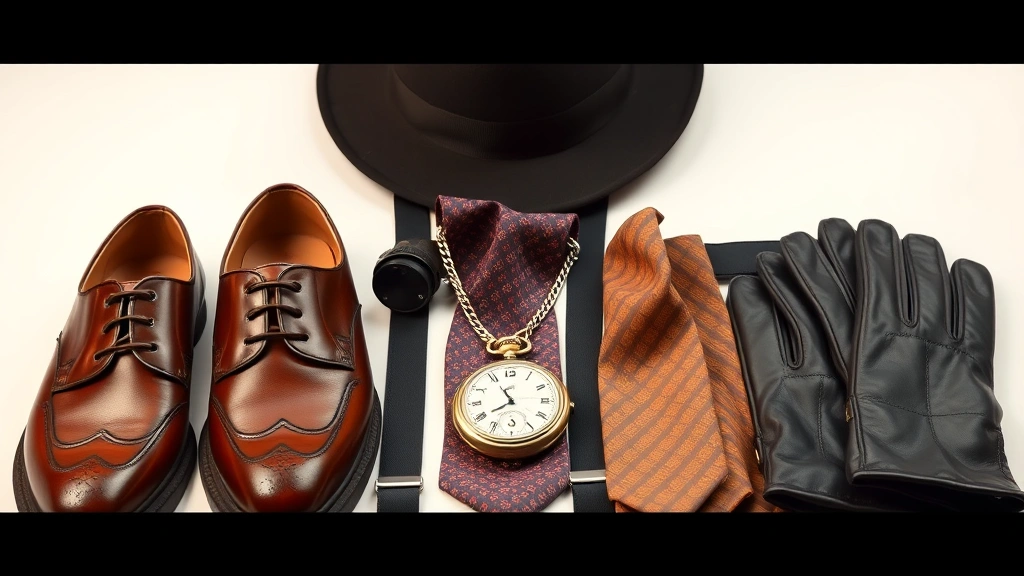
Accessories in 1930s men’s fashion served both practical and aesthetic functions, elevating even simple outfits through careful selection and coordination. Ties became more refined and substantial than their 1920s predecessors, featuring wider blades and more sophisticated patterns. Silk ties in rich colors and subtle patterns dominated, with hand-painted designs appearing on high-end pieces. The standard tie knot was the Four-in-Hand, though the Windsor knot gained popularity among men seeking a more substantial appearance. Tie clips and bars, often crafted from precious metals, held ties in place and added a touch of elegance.
Suspenders, or braces as they’re known in British English, transitioned from purely functional to fashionable during the 1930s. Leather suspenders with metal fittings became standard, often featuring subtle patterns or colors that complemented the suit. These weren’t hidden accessories but visible components of a well-dressed appearance, particularly when wearing high-waisted trousers without jackets. Pocket watches and chains became increasingly popular, with the watch chain creating an elegant line across the vest or trouser waistband. These accessories served as conversation pieces and status symbols, often crafted from precious metals and featuring intricate designs.
Hats represented essential accessories for any properly dressed gentleman during the 1930s. The fedora dominated, with its characteristic creased crown and brimmed design providing both style and practical sun protection. Trilbies offered a slightly shorter-brimmed alternative, while bowler hats maintained their place in formal and business contexts. Flat caps appeared in country and sportswear settings. These hats were typically crafted from quality felt or tweed, with silk linings and quality sweatbands. The hat choice communicated social status and occasion appropriateness, making hat selection a critical component of dressing properly. Consulting a fashion consultant about historical accessory selection can provide valuable guidance for those seeking to recreate authentic 1930s looks.
Footwear and Legwear
Shoes in 1930s men’s fashion reflected the era’s emphasis on quality craftsmanship and refined aesthetics. The oxford shoe emerged as the standard for business and formal wear, featuring a closed lacing system that created a sleek, elegant silhouette. These shoes were typically crafted from polished leather in black or dark brown, often featuring subtle decorative elements like perforations or contrasting stitching. The quality of shoe construction during this era was exceptional, with shoes hand-lasted and featuring leather soles that developed character with age and wear.
Brogues provided a more decorative alternative, featuring perforations and design elements that added visual interest without sacrificing formality. Wingtip brogues, with their distinctive wing-shaped toe caps, became particularly popular during the 1930s. These shoes worked well for business wear while adding personality and visual distinction. Loafers began emerging during the late 1930s, though they wouldn’t become widespread until later decades. Two-tone shoes, particularly black and white combinations, appeared in more casual and sportswear contexts, particularly in golf and other recreational settings.
Legwear received careful attention in 1930s men’s fashion. Socks were typically made from wool or cotton, in colors that coordinated with suits and shoes. Dark socks in navy, charcoal, or black were standard, though subtle patterns like small checks or stripes appeared occasionally. The length of socks was crucial—proper 1930s style required socks long enough to prevent skin visibility when seated. Garters helped maintain proper sock position, preventing them from slipping down during the day. This attention to legwear details reflected the era’s comprehensive approach to dressing properly, where every element received consideration as part of the complete picture.
Casual and Sportswear Innovations
While formal wear dominated 1930s men’s fashion, the decade witnessed important developments in casual and sportswear that would influence menswear for decades to come. The rise of recreational activities and weekend leisure created demand for appropriate casual clothing. Golf wear emerged as particularly influential, featuring plus fours—knickerbockers that gathered at the knee—paired with argyle socks and polo shirts. These pieces allowed for comfort and movement while maintaining a refined aesthetic appropriate for leisure activities.
Tennis wear and other sports-specific clothing influenced broader menswear trends during the 1930s. Short-sleeved shirts, often in white or soft colors, became acceptable for active pursuits. These shirts featured simple, clean designs without the formality of dress shirts. Lightweight trousers in cream or soft colors paired well with these casual tops, creating outfits suitable for weekend activities. The distinction between formal business wear and casual sportswear became more clearly defined during this era, establishing templates that remain relevant today.
Beach and resort wear represented an emerging category during the 1930s as travel and vacation culture expanded. Swimming costumes in simple designs provided comfort and functionality, while lightweight shirts and trousers offered cover-ups. The concept of having different clothing for different contexts gained prominence, reflecting economic recovery and expanding leisure opportunities. This development contributed to the modern understanding of wardrobe versatility and context-appropriate dressing. The latest fashion trends and news often reference these historical developments when discussing contemporary menswear categories and seasonal collections.
Hairstyles and Grooming
Grooming and hairstyle represented crucial components of 1930s men’s fashion, with hair styling receiving considerable attention and product development. The slicked-back style, achieved with pomade or hair cream, dominated during the early and mid-1930s. This look required daily styling and maintenance, with men using quality hair products to achieve the desired shine and hold. Brilliantine, a popular product of the era, provided both hold and a subtle sheen that complemented the refined aesthetic of 1930s fashion.
The side-parted style gained popularity as the decade progressed, offering a slightly more relaxed alternative to the fully slicked-back look. This style featured hair swept to one side with a distinct part line, creating a clean and organized appearance. Barber shops became important social spaces where men gathered not only for haircuts but for grooming advice and style consultation. The importance placed on hair grooming during this era reflected broader cultural values emphasizing refinement, discipline, and attention to detail.
Facial hair underwent significant changes during the 1930s. The clean-shaven look dominated, representing a departure from the bearded styles of previous eras. Men invested in quality razors and shaving creams, with shaving becoming a ritualized daily practice rather than a simple hygiene necessity. Some men maintained thin mustaches, though these were typically well-groomed and subtle. The emphasis on a clean-shaven appearance reflected modernist sensibilities and the era’s association between grooming and professionalism. Eyebrows received attention as well, with men grooming them to maintain a neat appearance that complemented the overall aesthetic.
Recreating 1930s Style Today
Modern men seeking to incorporate 1930s fashion elements into contemporary wardrobes can draw from the era’s emphasis on quality, tailoring, and timeless aesthetics. The foundation of any 1930s-inspired wardrobe begins with well-fitted suits in neutral colors—navy, charcoal gray, and brown. Modern tailoring shops can create suits with 1930s-inspired silhouettes, featuring natural shoulders, appropriate button stances, and properly proportioned lapels. The key is ensuring that modern fit standards accommodate contemporary movement and comfort while maintaining the era’s refined aesthetic.
Incorporating 1930s elements doesn’t require dressing head-to-toe in period costume; instead, strategic piece selection creates cohesive vintage-inspired looks. A 1930s-inspired suit paired with modern shoes and contemporary accessories creates an interesting blend of eras. Vintage pieces from the actual 1930s offer authenticity and often superior quality compared to modern reproductions, though sourcing genuine articles requires knowledge and patience. Online vintage retailers and specialized antique shops offer curated selections of authentic 1930s menswear in various sizes and conditions.
The philosophy underlying 1930s men’s fashion—emphasizing quality, versatility, and timeless aesthetics—remains applicable to modern dressing. Investing in well-made pieces that transcend seasonal trends, selecting neutral color palettes that allow for mixing and matching, and paying attention to fit and tailoring all reflect 1930s values. These principles align with contemporary discussions about sustainable fashion and intentional consumption. By understanding the principles that guided 1930s fashion for guys, modern men can create sophisticated, enduring personal styles that draw inspiration from history while remaining relevant to contemporary contexts.
FAQ
What defined the 1930s suit silhouette?
The 1930s suit featured a natural shoulder line, higher button stance, defined waist, and narrower lapels compared to previous decades. Trousers had a higher rise with gradual taper and featured the characteristic break at the ankle. This silhouette emphasized an athletic yet sophisticated appearance.
What fabrics were most common in 1930s menswear?
Wool dominated, including tweed, flannel, and worsted. These durable, high-quality fabrics were chosen for their longevity and ability to maintain their appearance with proper care. Cotton and linen appeared in summer wear, while synthetic fibers like rayon were beginning to emerge.
How did men style their hair in the 1930s?
The slicked-back style achieved with pomade dominated the early 1930s, while side-parted styles became popular as the decade progressed. Clean-shaven faces were standard, with facial hair largely disappearing from mainstream fashion. Daily grooming with quality products was essential.
What accessories were essential in 1930s menswear?
Ties, suspenders, pocket watches with chains, and hats represented crucial accessories. Fedoras and trilbies were essential for any properly dressed gentleman. Tie clips, cufflinks, and other small metal accessories added refinement and served both functional and aesthetic purposes.
Can modern men wear 1930s-inspired fashion today?
Absolutely. The era’s emphasis on quality tailoring, neutral color palettes, and timeless design principles remains relevant. Modern men can incorporate 1930s elements through well-fitted suits, vintage pieces, and period-appropriate accessories without appearing costume-like.
Where can I find authentic 1930s menswear?
Vintage retailers, antique shops, and specialized online platforms offer authentic 1930s pieces. Estate sales and auctions occasionally feature quality vintage menswear. Modern tailors can also create contemporary garments inspired by 1930s silhouettes and construction techniques.