
1820s Fashion: What Defined This Era? Historian Insights
The 1820s represent one of fashion history’s most transformative decades, bridging the neoclassical elegance of the Regency period with the emerging romanticism that would dominate the following years. This era witnessed dramatic silhouettes, innovative textiles, and a cultural shift that reflected broader social changes across Europe and America. Understanding 1820s fashion provides fascinating insights into how clothing served as a barometer for societal values, technological advancement, and artistic expression during the early nineteenth century.
Fashion historians recognize the 1820s as a pivotal moment when women’s fashion underwent one of its most radical transformations. The high-waisted empire silhouette that had dominated the previous decade gradually gave way to a more structured, corseted aesthetic. Men’s fashion, meanwhile, became increasingly refined and somber, establishing conventions that would persist throughout the Victorian era. This decade marks a crucial juncture in fashion history timeline, where Enlightenment ideals of simplicity began yielding to Romantic excess and ornamentation.
What makes 1820s fashion particularly compelling is its reflection of industrial progress, artistic movements, and changing gender roles. The period witnessed innovations in fabric production, the rise of professional fashion journalism, and the emergence of fashion as a deliberate tool of self-expression and social positioning. Whether you’re interested in fashion types throughout history or exploring how past trends inform contemporary style, the 1820s offer rich material for study and inspiration.
The Dramatic Silhouette Shift
The transformation from the elongated, high-waisted silhouette of the 1810s to the fuller, more structured forms of the 1820s represents one of fashion’s most notable evolutionary moments. This shift wasn’t merely aesthetic—it reflected changing attitudes toward the female body, femininity, and social propriety. The empire waistline, which had emphasized a neoclassical ideal of elongation and simplicity, gradually descended throughout the decade until it settled at the natural waistline by the 1830s.
Corsetry experienced a renaissance during this period, with manufacturers developing increasingly sophisticated construction techniques. The waist became more defined, and the silhouette developed what fashion historians call the “pouter pigeon” effect, where the bosom was thrust forward while the back developed a pronounced curve. This architectural approach to dressing required substantial understructure—layers of linen, whalebone, and steel that transformed the body into an idealized form. The fashion news and trends of the era frequently discussed these innovations in corset construction, treating them as significant technological and aesthetic achievements.
For men, the 1820s established a silhouette of restrained elegance that would define masculine fashion for decades. Broad shoulders, achieved through padding in the coat, created a triangular form that tapered dramatically at the waist. Tight-fitting breeches or trousers emphasized the leg, while the overall effect conveyed authority, propriety, and social status. This masculine ideal reflected Romantic-era values of controlled passion and intellectual refinement—a stark contrast to the more casual styles of the preceding decade.
Women’s Fashion: From Empire to Hourglass
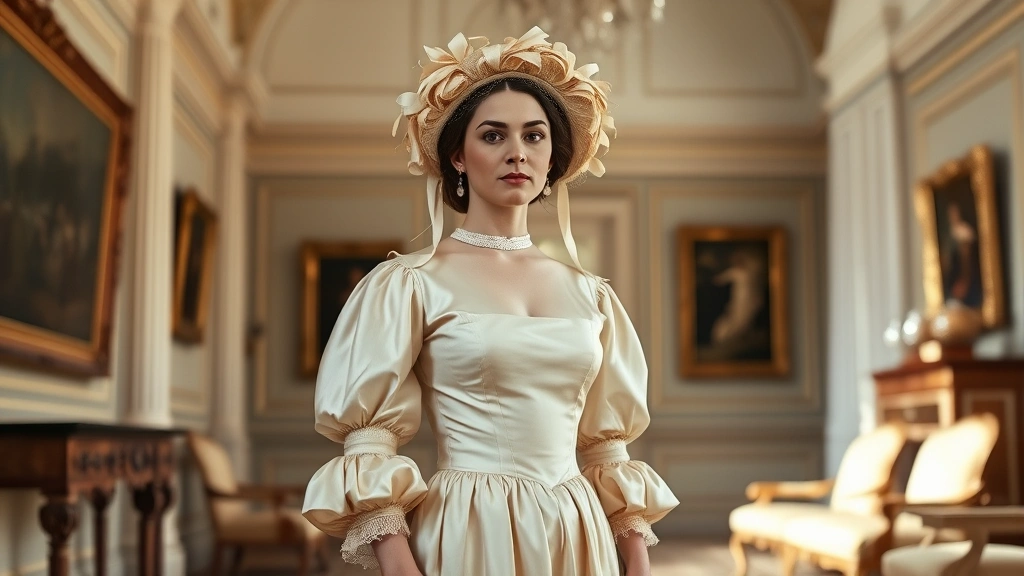
Women’s fashion in the 1820s experienced unprecedented complexity and ornamentation. Day dresses featured gradually widening skirts supported by multiple layers of petticoats, while bodices became increasingly fitted and corseted. Sleeves evolved from the simple, short styles of the previous era into more elaborate constructions—puffed sleeves, leg-of-mutton sleeves, and bishop sleeves all emerged during this decade, each requiring careful structuring and often additional padding or gathering.
The silhouette of the early 1820s featured a high, rounded neckline, often filled with decorative fichus or chemisettes. As the decade progressed, necklines dropped slightly, and shoulders became more exposed, though never scandalously so. The décolletage of evening wear was considerably lower, creating distinct categories of dress appropriate for different times of day and social occasions. This hierarchical approach to dressing reflected the period’s rigid social conventions and the importance of sartorial propriety in navigating society.
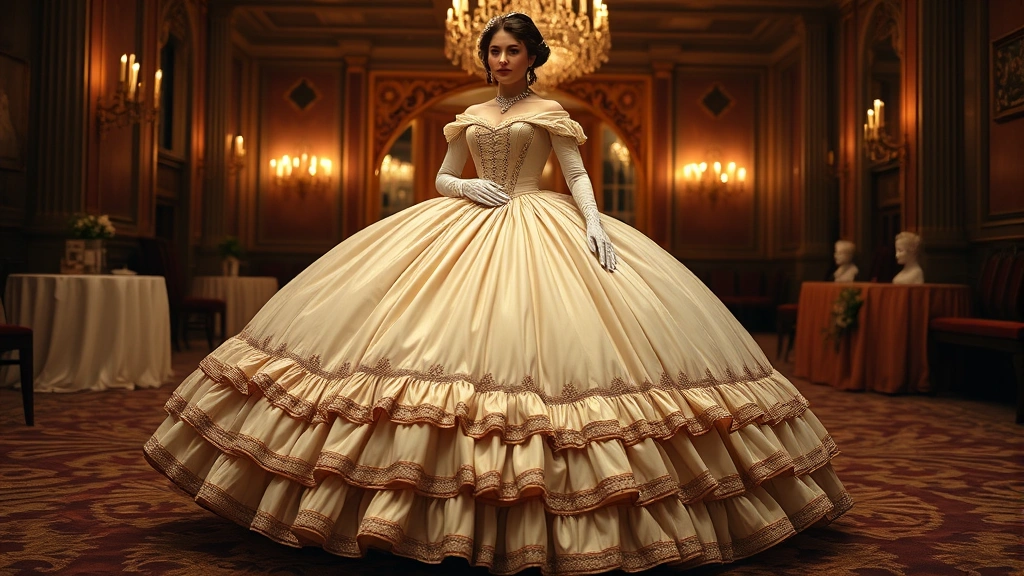
Skirt construction became increasingly sophisticated, with designers experimenting with gathering, pleating, and ruching to create volume and visual interest. The hem length remained consistent at the ankle, but the shape of the skirt evolved from relatively straight in the early 1820s to increasingly full and bell-shaped as the decade concluded. Decorative elements clustered toward the hem, creating a visual emphasis on the lower portion of the dress. This approach to embellishment would intensify in the subsequent decade, eventually contributing to the excessive ornamentation associated with the 1830s and 1840s.
Evening wear represented the pinnacle of 1820s fashion extravagance. Ball gowns featured elaborate trimmings, including lace, ribbon, and decorative edging applied in multiple tiers. The color palette for evening wear leaned toward jewel tones and pastels, with white remaining a popular choice for unmarried women. Fabrics for formal occasions included silk, satin, and fine muslin, often featuring woven or printed patterns that demonstrated the wearer’s wealth and access to fashionable goods.
Men’s Fashion: Refinement and Restraint
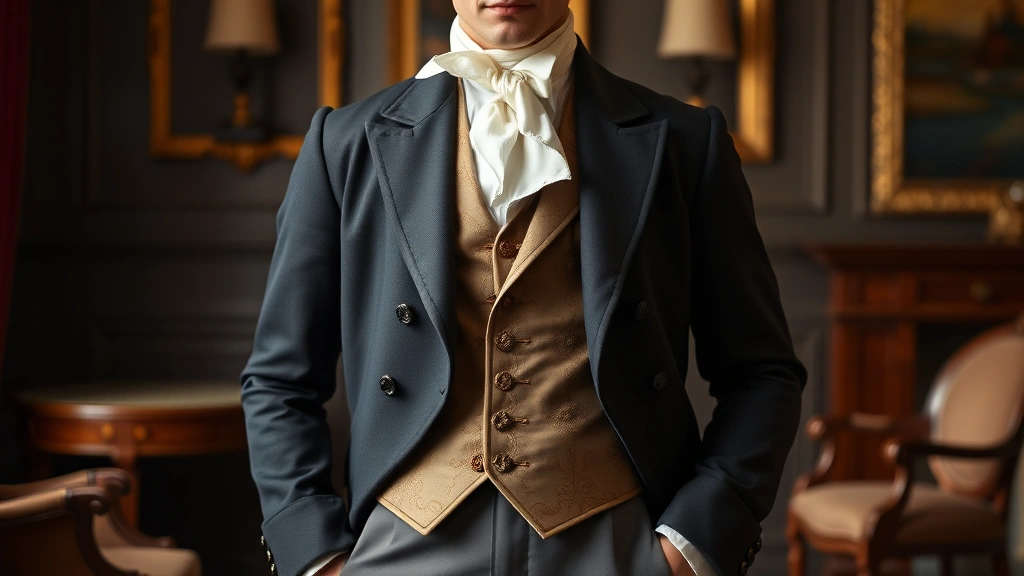
While women’s fashion underwent dramatic transformation, men’s fashion in the 1820s moved toward greater sobriety and standardization. The coat became the essential garment, with careful attention paid to fit, proportion, and construction. The morning coat or frock coat featured a cutaway front that revealed the waistcoat beneath, while the back extended to create elegant lines when worn. Tailors competed to achieve the most precise fit, with seams positioned to enhance the wearer’s silhouette and create flattering proportions.
Waistcoats served as an important vehicle for personal expression within the constraints of masculine propriety. While coats and breeches remained relatively conservative in color—black, dark blue, brown, or gray predominated—waistcoats could feature patterns, embroidery, or brighter colors. Silk, velvet, and embroidered linen waistcoats allowed men to display taste and refinement without violating social conventions regarding masculine restraint. A gentleman’s collection of waistcoats reflected his fashion awareness and social standing.
Neckwear underwent significant evolution during the 1820s, with the cravat becoming increasingly complex and elaborate. The simple styles of the Regency period gave way to more intricate arrangements, with multiple folds and precise tying techniques that required considerable skill. Fashion magazines of the era devoted substantial space to instructions for tying cravats in various styles, indicating the importance of this accessory in masculine self-presentation. The starched white cravat became nearly ubiquitous among gentlemen of fashion.
Trousers gradually replaced breeches as the standard lower garment during the 1820s, particularly for daytime wear. This transition reflected changing social attitudes and the influence of Romantic ideals that valued a more unified, elongated silhouette. Trousers were cut to fit closely through the hip and thigh, often featuring a strap that passed under the foot to maintain tension and create a smooth line. The precision of tailoring required to achieve these effects made well-fitting trousers a sign of considerable expense and access to skilled craftsmen.
Fabrics, Textiles, and Color Palettes
The 1820s witnessed remarkable developments in textile production and availability. Industrial innovations in England, particularly in cotton and silk manufacturing, made fashionable fabrics increasingly accessible to the middle classes. However, the finest materials—imported silks, delicate muslins, and specialty weaves—remained luxury goods accessible primarily to the wealthy. This disparity in material quality served as a crucial marker of social status and contributed to the era’s rigid class distinctions.
Cotton muslin, whether imported from India or produced domestically, remained popular for day dresses, particularly among younger women and for warm-weather wear. Silk predominated in more formal contexts and among women of higher social standing. Linen appeared in men’s shirts and some women’s undergarments, prized for its durability and ability to withstand frequent washing. Wool, including merino and other fine varieties, gained popularity for day dresses and particularly for the fitted bodices that characterized the era’s silhouettes.
Color preferences in the 1820s reflected both artistic movements and practical considerations. For daytime wear, women favored pastels and earth tones—soft pinks, pale yellows, sage greens, and warm browns. Dark colors, particularly black and deep purple, served mourning functions and formal evening occasions. Men’s daytime fashion overwhelmingly favored dark, neutral tones that conveyed respectability and restraint. Evening wear, by contrast, permitted greater chromatic adventurousness, with jewel tones, rich reds, and deep blues appearing in formal gowns and occasionally in men’s waistcoats and evening coats.
Pattern and print technology advanced significantly during the 1820s. Roller printing allowed for more complex, detailed patterns on cotton and linen fabrics, making patterned dress more affordable and accessible than ever before. Paisley patterns, floral motifs, and geometric designs featured prominently in fashionable textiles. However, different fashion styles of the era maintained distinct preferences regarding pattern—more conservative styles favored solid colors or subtle patterns, while more fashion-forward individuals embraced bolder designs.
Accessories and Decorative Details
Accessories achieved unprecedented importance in 1820s fashion, serving both functional and decorative purposes while allowing individuals to express personality within the constraints of period conventions. Bonnets and caps dominated women’s headwear, with styles evolving from relatively simple constructions to increasingly elaborate designs featuring ribbons, feathers, and decorative trim. The bonnet’s depth and the angle at which it sat on the head communicated fashion awareness, with the most fashionable styles positioned quite far back on the head.
Shawls and pelisses provided essential layering for outdoor wear and served as vehicles for displaying expensive fabrics and fine craftsmanship. Cashmere shawls, imported from India and extremely expensive, represented the ultimate luxury accessory and appeared in the wardrobes of wealthy women. Shorter pelisses and spencer jackets provided fitted layers that complemented the era’s silhouettes, while longer pelisses offered full-length coverage for travel and outdoor occasions. The quality of one’s shawl or pelisse communicated wealth and fashion consciousness.
Gloves were essential accessories for both men and women, with strict conventions governing color, length, and material. Long kid gloves in white, yellow, or pale shades were standard for women’s formal wear, while shorter gloves in darker colors suited daytime activities. Men’s gloves, typically in leather or kid, remained more conservative in style but represented an important element of a gentleman’s complete outfit. Gloves were frequently removed and held during social interactions, making them highly visible markers of taste and status.
Jewelry in the 1820s remained relatively restrained compared to later Victorian excess, though precious metals and gemstones appeared regularly in fashionable accessories. Women wore delicate chains, brooches, and earrings, often featuring pearls or semi-precious stones set in gold or silver. Men’s jewelry was limited primarily to rings, watch chains, and occasionally pins worn in the cravat. The restraint in jewelry reflected period aesthetics that valued elegance over ostentation, though the materials themselves indicated considerable wealth.
Footwear evolved significantly during the 1820s, with women’s shoes becoming increasingly refined and delicate. Flat or slightly heeled slippers in satin or kid leather, often in pale colors to coordinate with dress hems, represented fashionable daytime wear. Evening shoes featured even more delicate construction and sometimes incorporated decorative elements like rosettes or embroidery. Men’s shoes, by contrast, maintained a more substantial construction and typically featured leather uppers in black or dark brown, with modest heels and simple ornamentation.
Social Context and Fashion Expression
Understanding 1820s fashion requires examining the social, economic, and cultural contexts that shaped clothing choices and aesthetic preferences. The Industrial Revolution was transforming society, creating a prosperous middle class with disposable income to spend on fashionable goods. This expanding consumer base drove innovations in textile production and retail, making fashionable clothing more accessible than ever before. Fashion magazines, including the influential La Belle Assemblée and Ackermann’s Repository, proliferated during this period, establishing fashion journalism as a distinct profession and democratizing access to style information.
The Romantic movement profoundly influenced 1820s aesthetics, emphasizing emotion, nature, and individual expression in opposition to Enlightenment rationalism. This cultural shift manifested in fashion through increasingly elaborate ornamentation, richer colors, and more theatrical silhouettes. The empire waistline’s simplicity gave way to the corseted hourglass figure, which aligned with Romantic ideals of feminine mystery and emotional depth. For men, Romantic influence appeared in the increasing importance of the coat’s cut and fit, which conveyed individual personality and social refinement.
Gender roles and their sartorial expression formed a crucial aspect of 1820s social organization. Fashion served to reinforce and communicate women’s domestic roles and their status as objects of aesthetic appreciation. The increasingly restrictive corsetry and elaborate silhouettes of the 1820s made vigorous physical activity difficult, confining women to more sedentary pursuits appropriate to their prescribed social roles. Conversely, men’s fashion emphasized activity and authority, with the fitted coat and trousers facilitating movement while conveying social status and professional competence.
Class distinctions remained paramount in determining fashion choices, with specific garments, fabrics, and styles serving as unmistakable markers of social position. While industrial production made fashionable clothing more accessible, quality differences in materials and tailoring remained substantial. A wealthy woman’s silk ball gown bore little resemblance to a middle-class woman’s cotton day dress, while a gentleman’s expertly tailored coat cost far more than a working man’s ready-made jacket. Fashion functioned as a visual language communicating an individual’s place within rigid social hierarchies.
Influence and Legacy on Modern Fashion
The 1820s established aesthetic and structural principles that continue influencing contemporary fashion. The hourglass silhouette, achieved through corsetry in the 1820s, remains an ideal in modern fashion, appearing in everything from body-conscious dresses to shapewear designed to mimic period proportions. Designers frequently reference 1820s aesthetics when creating romantic, feminine collections, drawing on the era’s emphasis on ornamentation and detailed craftsmanship. Understanding fashion style evolution helps contemporary fashion enthusiasts appreciate how historical silhouettes continue shaping modern design.
The period’s innovations in tailoring and garment construction established techniques that remain fundamental to high-quality dressmaking. The precision fitting achieved in 1820s coats and dresses required and developed sophisticated pattern-making and seaming techniques that professional tailors and seamstresses still employ. Contemporary bespoke tailoring owes considerable debt to the standards established in this era, when a well-fitting garment represented the pinnacle of craftsmanship and personal expression.
Fashion historians and contemporary designers frequently draw inspiration from 1820s aesthetics when seeking to create garments with historical resonance or romantic sensibility. The era’s color palettes, particularly the soft pastels and jewel tones characteristic of the period, appear regularly in contemporary collections. Decorative techniques including ruching, gathering, and layered ornamentation trace their roots to 1820s innovations and continue appearing in modern fashion-forward designs. Museums worldwide maintain extensive collections of 1820s garments that serve as inspiration and reference for designers, curators, and fashion scholars.
The 1820s also established fashion’s role as a legitimate subject of serious study and commentary. The emergence of fashion journalism during this period created a framework for discussing clothing as art and cultural expression rather than mere utility. This legitimization of fashion discourse continues influencing how contemporary society understands clothing and how to find your personal style through thoughtful engagement with fashion history and theory.
Museums and cultural institutions have increasingly recognized the 1820s as a crucial period for understanding fashion history. Major exhibitions dedicated to this era have demonstrated how thoroughly fashion functioned as a means of social communication and personal expression. Contemporary fashion practitioners, from haute couture designers to sustainable fashion advocates, reference 1820s principles when discussing quality, craftsmanship, and the relationship between clothing and identity. The decade’s emphasis on precision tailoring and individual expression resonates with modern fashion values emphasizing authenticity and skilled production.
FAQ
What was the most significant change in women’s fashion during the 1820s?
The gradual transition from the high-waisted empire silhouette to a more corseted, fitted bodice with the waistline descending to its natural position represented the most dramatic change. This shift reflected broader cultural movements from neoclassical simplicity toward Romantic complexity and ornamentation. The change required substantial modifications to undergarments and construction techniques, fundamentally altering how women’s bodies were shaped and presented.
How did men’s fashion differ between the 1820s and the previous decade?
Men’s fashion in the 1820s became increasingly standardized and refined, with greater emphasis on precise tailoring and restrained color choices. The coat achieved paramount importance as the defining garment, with details like sleeve length, coat length, and button placement communicated fashion awareness. Trousers gradually replaced breeches, and the overall aesthetic shifted toward greater formality and social conservatism. The 1820s established masculine fashion conventions that persisted throughout the nineteenth century.
What fabrics were most fashionable during the 1820s?
Silk dominated formal wear, while fine cotton muslin and wool appeared frequently in daytime dresses. Imported cashmere shawls represented the ultimate luxury accessory. Industrial innovations made cotton and cotton-blend fabrics increasingly affordable, allowing middle-class women to access fashionable materials. Linen appeared in men’s shirts and undergarments, while leather was essential for footwear and accessories. The quality of fabric served as a primary indicator of wealth and social status.
How did social class influence 1820s fashion choices?
Social class fundamentally determined fashion options, from fabric quality to garment construction to the extent of ornamentation. Wealthy individuals accessed the finest imported fabrics, employed skilled tailors and seamstresses, and could afford frequent wardrobe updates following fashion trends. Middle-class individuals might wear fashionable styles but in more modest materials, while working-class people wore simpler, more durable garments. Fashion functioned as a visual language communicating one’s position within rigid social hierarchies.
What accessories were considered essential in 1820s fashion?
For women, bonnets, shawls, gloves, and jewelry represented essential accessories that completed an outfit and communicated fashion awareness. For men, cravats, gloves, watches, and well-tailored coats were fundamental to acceptable appearance. Both genders wore shoes appropriate to their social status and the occasion. Accessories often represented significant financial investments and served as vehicles for displaying taste, wealth, and attention to fashionable conventions.
How did the 1820s influence modern fashion?
The 1820s established aesthetic principles, tailoring techniques, and silhouettes that continue influencing contemporary fashion. The hourglass figure ideal, the importance of precise tailoring, and the use of ornamentation and layering all trace their roots to this era. Modern designers frequently reference 1820s aesthetics when creating romantic or historically-inspired collections. The era’s emphasis on craftsmanship and individual expression through fashion remains relevant to contemporary design philosophy and personal style development.