What is Visual Kei Fashion? Expert Breakdown
Visual Kei fashion represents one of the most captivating and theatrical style movements to emerge from Japan’s underground music scene. Born in the late 1980s and reaching its peak during the 1990s and 2000s, this avant-garde aesthetic combines dramatic makeup, elaborate costumes, and gender-bending silhouettes to create an unmistakably bold visual identity. Unlike typical fashion trends that fade with seasons, Visual Kei transcends mere clothing—it’s a complete artistic expression that merges music, performance art, and personal identity into a cohesive statement. The movement draws inspiration from diverse sources including kabuki theater, punk rock, gothic aesthetics, and anime culture, resulting in a uniquely Japanese phenomenon that has influenced global alternative fashion.
The term “Visual Kei” literally translates to “visual style” or “visual system,” emphasizing that appearance holds equal importance to the music itself. Bands like X Japan, Dir en grey, and Malice Mizer pioneered this aesthetic, transforming concert stages into immersive visual experiences where every element—from towering platform boots to intricate face paint—served the overall artistic vision. Today, Visual Kei fashion continues to evolve, attracting devotees worldwide who appreciate its commitment to authenticity, creativity, and unapologetic self-expression. Understanding this movement requires exploring its historical roots, key aesthetic elements, and its lasting impact on contemporary alternative fashion.
The Origins and History of Visual Kei
Visual Kei emerged during Japan’s economic boom of the late 1980s, a period marked by cultural experimentation and the rise of underground music venues in Tokyo. The movement’s genesis can be traced to pioneering bands who rejected the conformity of mainstream Japanese society, instead embracing theatrical presentation as a form of rebellion. X Japan, fronted by Yoshiki, is widely credited as the godfather of Visual Kei, introducing symphonic metal combined with dramatic visual presentations that captivated audiences and inspired countless musicians to adopt similar aesthetics. The band’s elaborate stage designs, pyrotechnics, and members’ striking appearances established the template that would define the movement for decades.
During the 1990s, Visual Kei exploded across Japan’s underground music scene, with bands proliferating across Tokyo’s Shibuya and Shinjuku districts. This era witnessed the establishment of Visual Kei as a comprehensive lifestyle choice rather than merely a musical genre. Fans and musicians alike adopted the aesthetic in everyday life, creating a distinct subculture with its own fashion codes, venues, and social hierarchies. The movement’s popularity peaked in the late 1990s and early 2000s, with bands achieving mainstream success while maintaining their avant-garde visual identities. Understanding Visual Kei’s historical context helps explain why the aesthetic remains so powerful—it represents a deliberate rejection of societal expectations and a celebration of artistic individuality.
The relationship between Visual Kei and broader fashion history deserves consideration. While fashion history timelines typically focus on Western haute couture and ready-to-wear movements, Visual Kei represents a parallel evolution occurring simultaneously in Japan. This movement demonstrates how subcultures can generate sophisticated aesthetic systems independent of mainstream fashion institutions. The influence of 90s fashion on Visual Kei is undeniable, yet the movement transcended its era to create something timeless and distinctly Japanese.
Core Aesthetic Elements
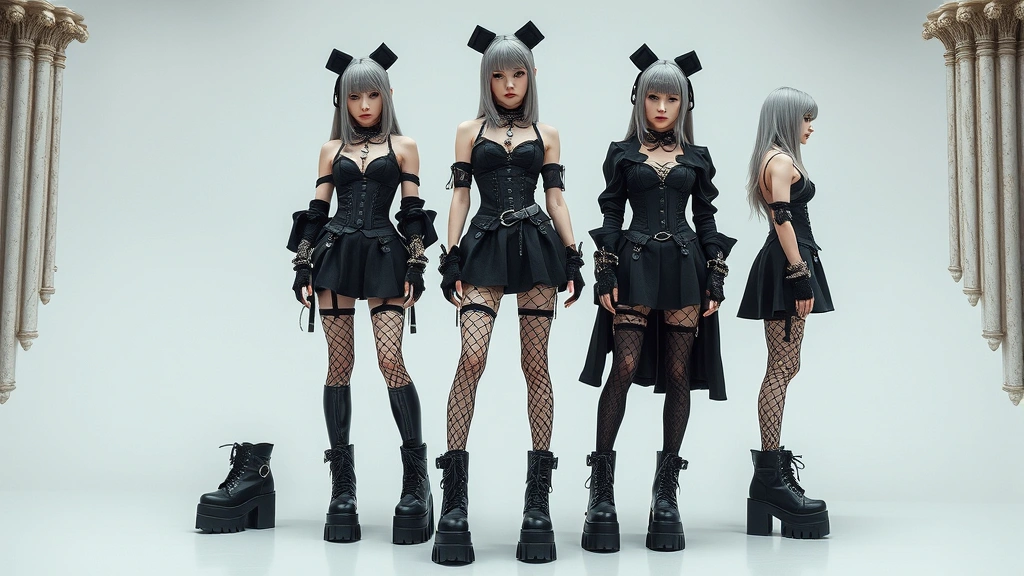
The fundamental appeal of Visual Kei lies in its commitment to theatrical excess and meticulous attention to detail. Unlike minimalist fashion movements, Visual Kei embraces maximalism—more layers, more accessories, more drama. The aesthetic draws heavily from gothic and punk traditions while incorporating Japanese elements like traditional textiles and silhouettes. This fusion creates something entirely unique: Western rebellion reimagined through a distinctly Japanese lens. The color palette typically emphasizes blacks, deep purples, and metallic accents, though some substyles introduce vivid colors and contrasting patterns. Every piece serves a purpose within the overall composition, reflecting a philosophy that fashion should tell a story and provoke emotional responses.
Symmetry and architectural silhouettes define much of Visual Kei fashion. Garments often feature sharp lines, exaggerated proportions, and structured fabrics that create geometric shapes on the body. This approach contrasts sharply with conventional fashion’s emphasis on body-conforming cuts. Instead, Visual Kei treats the body as a canvas for artistic expression, with clothing serving as wearable sculpture. The incorporation of corsetry, armor-like elements, and architectural accessories reinforces this aesthetic philosophy. This design approach makes Visual Kei fashion instantly recognizable and photogenic, qualities that explain its enduring appeal in an increasingly visual digital culture.
The movement’s aesthetic philosophy extends beyond surface-level decoration. Visual Kei fashion embodies a specific worldview—one that values authenticity, artistic expression, and the rejection of bland conformity. Practitioners view fashion as a form of protest against societal expectations regarding appearance, gender expression, and individual identity. This ideological foundation distinguishes Visual Kei from trend-driven fashion movements. Devotees aren’t simply following trends; they’re participating in a cultural movement with deep roots and philosophical underpinnings. This commitment to artistic integrity has allowed Visual Kei to maintain relevance despite fashion’s constant evolution.
Key Fashion Components
Understanding Visual Kei fashion requires familiarity with its signature components. Platform boots represent perhaps the most iconic element—typically reaching mid-calf or knee height with chunky soles, often featuring buckles, chains, or intricate lacing systems. These boots serve practical purposes (adding height and presence) while creating dramatic silhouettes. Paired with legwear ranging from fishnet stockings to elaborate patterned tights, they establish the foundation of most Visual Kei outfits.
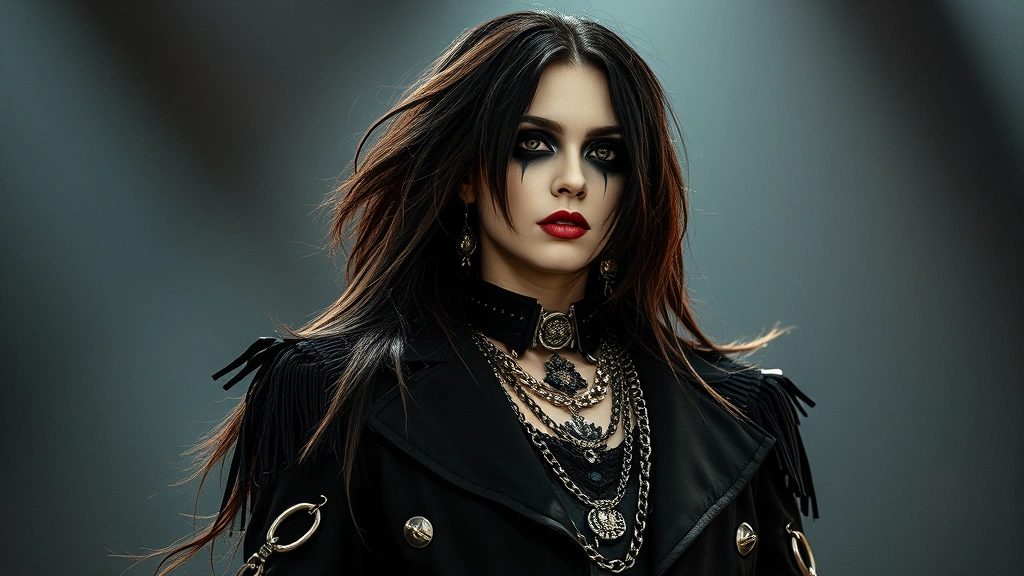
Jackets and tops constitute the next essential layer. Visual Kei fashion favors structured blazers, often tailored with unusual proportions—oversized shoulders, asymmetrical cuts, or exaggerated lengths. Many feature ornate details including studs, chains, embroidery, or lace panels. Corsets and corset-inspired tops frequently appear, either as outerwear or layered beneath other pieces. The emphasis on structured tailoring distinguishes Visual Kei from casual alternative fashion. These garments require quality construction and attention to fit, reflecting the movement’s commitment to craftsmanship.
Accessories hold tremendous importance in completing Visual Kei looks. Heavy chains, ornate belts, and layered jewelry create visual complexity. Fingerless gloves, often made from leather or mesh, are nearly ubiquitous. Hair accessories range from simple ribbons to elaborate headpieces featuring horns, spikes, or crown-like structures. Some practitioners incorporate armor-like elements, studs, or spike bracelets that reference punk aesthetics while maintaining Visual Kei’s theatrical sensibility. These accessories aren’t afterthoughts—they’re integral to the overall composition, often requiring as much consideration as clothing pieces themselves.
Color coordination in Visual Kei typically emphasizes high contrast. Black serves as the dominant base, paired with stark whites, deep purples, or rich jewel tones. Metallics—particularly silver and gold—add luminous accents. Some substyles embrace more varied palettes, incorporating vibrant colors while maintaining the movement’s structural approach. The interplay between light and dark, matte and shiny textures, creates visual interest and photogenic qualities. This sophisticated approach to color demonstrates that Visual Kei fashion operates at a highly developed aesthetic level.
The Makeup and Beauty Aspect
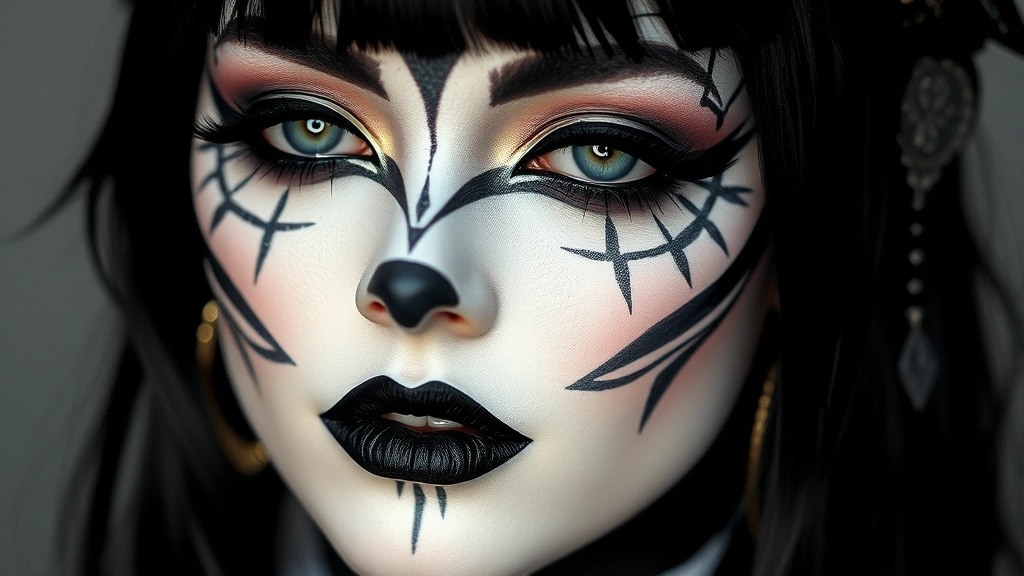
Makeup represents an equally crucial component of Visual Kei fashion. Unlike conventional beauty standards emphasizing natural-looking cosmetics, Visual Kei makeup embraces dramatic transformation. Practitioners often spend hours perfecting intricate designs that rival theatrical makeup in complexity. The typical approach involves creating a stark base—often pale or white—that serves as a canvas for elaborate designs. Dark eyeshadow, frequently applied in geometric patterns or extending far beyond the natural eye shape, creates an intensified gaze. Eyeliner applications are particularly distinctive, often extending dramatically beyond eye corners or incorporating elaborate designs and patterns.
Face paint designs vary tremendously, from simple geometric shapes to elaborate illustrations covering significant portions of the face. Some practitioners draw inspiration from kabuki makeup traditions, incorporating red and white elements alongside black designs. Others create completely original patterns reflecting personal artistic vision or band aesthetics. The application process requires considerable skill and artistic ability—Visual Kei makeup artists treat faces as canvases worthy of serious artistic attention. This approach contrasts sharply with mainstream beauty standards that emphasize subtle enhancement rather than dramatic transformation.
Lip color in Visual Kei typically features deep purples, blacks, or bold reds, applied with precision to create defined shapes. Some practitioners employ gradient techniques or unusual application methods that enhance the theatrical effect. Nail art frequently receives similar attention, with elaborate designs, unusual lengths, or decorative elements extending Visual Kei aesthetics to even small details. This comprehensive approach to makeup and beauty reflects the movement’s philosophy that every visible element contributes to the overall artistic statement. The time investment required to achieve authentic Visual Kei makeup demonstrates genuine commitment to the aesthetic.
Hair styling holds equal importance in Visual Kei presentation. Practitioners often sport elaborate hairstyles featuring multiple colors, unusual cuts, or architectural designs. Teased volume, particularly at the crown, creates dramatic silhouettes. Many incorporate hair accessories, extensions, or wigs to achieve desired effects. The approach to hair styling demonstrates the same theatrical sensibility as makeup and clothing—hair becomes another medium for artistic expression rather than simply a functional aspect of appearance. This holistic approach to personal presentation distinguishes Visual Kei from casual fashion movements.
Gender Expression and Fashion Fluidity
One of Visual Kei’s most progressive aspects involves its approach to gender expression and fashion boundaries. The movement emerged during a period when Japanese society maintained strict gender expectations regarding appearance and behavior. Visual Kei deliberately challenged these norms, with male musicians and fans embracing traditionally feminine elements including makeup, long hair, skirts, and elaborate jewelry. This wasn’t considered contradictory or confusing within Visual Kei culture—instead, it was celebrated as authentic artistic expression. Female practitioners similarly adopted traditionally masculine elements, creating fashion combinations that transcended conventional gender categories.
This fluid approach to gender expression predates contemporary discussions about fashion and non-binary identity by decades, reflecting Visual Kei’s progressive cultural positioning. The movement created safe spaces where individuals could explore identity and self-expression without judgment. Fans and musicians alike adopted androgynous or deliberately gender-nonconforming aesthetics, finding community and acceptance within the subculture. This aspect of Visual Kei remains relevant today, as broader society increasingly recognizes that fashion need not conform to binary gender categories.
The movement’s approach to gender-fluid fashion demonstrates that authentic self-expression matters more than conformity to societal expectations. A Visual Kei practitioner wearing a skirt, heavy makeup, and heeled boots alongside a structured leather jacket and chain accessories isn’t confused about their gender—they’re making deliberate artistic choices that reflect their identity and aesthetic vision. This philosophy has influenced contemporary alternative fashion movements and contributed to broader cultural conversations about fashion, identity, and self-determination. When considering how to find your personal style, Visual Kei offers valuable lessons about prioritizing authentic expression over conformity.
Visual Kei Substyles and Variations
While unified by core aesthetic principles, Visual Kei encompasses numerous substyles reflecting different influences and artistic visions. Oshare Kei emphasizes brighter colors, playful elements, and less dark aesthetics while maintaining Visual Kei’s theatrical approach. Bands like Gazette and newer acts incorporate pops of color, geometric patterns, and slightly more approachable aesthetics. This substyle appeals to those attracted to Visual Kei’s artistic commitment but preferring lighter color palettes and less severe presentations.
Kodona represents another significant variation, drawing inspiration from Victorian and Edwardian children’s fashion. Practitioners incorporate lace, ribbons, and vintage-inspired silhouettes, creating an aesthetic that’s simultaneously cute and dark. This substyle demonstrates Visual Kei’s capacity to incorporate diverse influences while maintaining coherent artistic vision. The juxtaposition of innocent-seeming elements with darker aesthetics creates compelling visual tension.
Guro Kei embraces grotesque and disturbing imagery, incorporating horror elements, disturbing makeup designs, and clothing featuring graphic or unsettling imagery. While not for everyone, this substyle represents Visual Kei’s commitment to pushing boundaries and challenging viewer comfort. It reflects the movement’s philosophy that fashion should provoke emotional responses rather than simply please.
Decora Kei incorporates elements of the decora movement, featuring bright colors, abundant accessories, and playful visual maximalism. While distinct from traditional Visual Kei’s darker aesthetic, it shares the commitment to theatrical excess and detailed accessorization. This demonstrates how Visual Kei principles can adapt to different color palettes and thematic focuses while maintaining core philosophical commitments.
Each substyle maintains Visual Kei’s fundamental characteristics: meticulous attention to detail, commitment to theatrical presentation, rejection of conventional beauty standards, and prioritization of artistic expression. This diversity within the movement ensures continued relevance and allows practitioners to find aesthetics matching their personal preferences while remaining part of the larger Visual Kei community.
How to Develop Your Visual Kei Look
Building an authentic Visual Kei wardrobe requires careful consideration and genuine artistic commitment rather than simply purchasing items with spikes and dark colors. Begin by identifying which substyle resonates most with your aesthetic preferences and artistic vision. Research bands and practitioners whose visual presentations inspire you, analyzing specific elements that appeal to you—color choices, silhouettes, makeup styles, or thematic elements.
Foundation pieces should include well-fitting black pants or skirts with structured tailoring, quality platform boots, and at least one statement jacket featuring interesting construction or details. Invest in quality basics because Visual Kei emphasizes craftsmanship—cheap, poorly constructed pieces undermine the movement’s artistic integrity. Layer strategically, combining pieces to create visual depth and complexity. Consider how different textures, patterns, and colors interact.
Makeup deserves significant attention and practice. Begin with quality cosmetics designed for theatrical or artistic use rather than conventional makeup brands. Experiment with designs, taking time to develop your signature style. Don’t rush this process—authentic Visual Kei makeup reflects personal artistic vision and requires practice to execute skillfully. Many practitioners maintain Pinterest boards or collections of makeup designs for inspiration.
Accessories provide opportunities for creative expression and personality injection. Choose pieces reflecting your interests and aesthetic vision rather than simply accumulating random items. Quality matters—well-made chains, leather accessories, and jewelry enhance the overall presentation far more than cheap alternatives. Consider how accessories work together as a cohesive system rather than individual pieces.
Hair styling represents another crucial element. Experiment with colors, cuts, and styling techniques. Many practitioners embrace temporary hair dyes or wigs, allowing flexibility in experimentation. Volume and architectural styling create impact—work with a stylist familiar with alternative aesthetics who understands your vision.
Most importantly, develop your look thoughtfully and authentically. Visual Kei practitioners respect genuine artistic commitment and recognize when someone’s simply costume-shopping. Invest time in understanding the movement’s history, philosophy, and aesthetic principles. This knowledge will inform your personal style development and ensure your Visual Kei presentation feels authentic rather than superficial. Engage with communities, attend events, and connect with other practitioners—Visual Kei thrives as a community-based movement.
Visual Kei in Modern Fashion
While Visual Kei’s mainstream popularity peaked in the early 2000s, the movement remains vibrant and continues influencing contemporary alternative fashion. Modern Visual Kei has evolved to incorporate contemporary elements while maintaining core aesthetic principles. Digital culture and social media have transformed how Visual Kei practitioners share their work, connect with communities, and access inspiration. Instagram and TikTok feature active Visual Kei communities showcasing elaborate outfits and makeup designs to global audiences.
Contemporary fashion designers increasingly acknowledge Visual Kei’s influence on their work. High-fashion brands incorporate elements inspired by Visual Kei aesthetics—exaggerated silhouettes, dramatic makeup presentations in runway shows, and theatrical approaches to fashion presentation. This mainstream recognition validates Visual Kei’s artistic significance while raising interesting questions about authenticity and commercialization. Some purists argue that Visual Kei’s power lies in its outsider status and rejection of mainstream fashion systems. Others view mainstream incorporation as evidence of the movement’s profound cultural impact.
The style landscape continues evolving, with increased appreciation for alternative aesthetics and individual expression. Visual Kei’s commitment to authenticity and artistic integrity resonates with contemporary audiences increasingly skeptical of mainstream fashion’s superficiality. The movement’s emphasis on personal identity and rejection of conformity aligns with broader cultural shifts toward individualism and self-determination.
New Visual Kei bands continue forming and performing, maintaining the movement’s creative evolution. While fewer bands achieve the mainstream success of their 1990s predecessors, the underground scene remains active and dedicated. International Visual Kei communities have developed in countries worldwide, demonstrating the aesthetic’s transcultural appeal. Fashion retailers increasingly stock items suitable for Visual Kei styling, from platform boots to structured jackets, making the aesthetic more accessible than ever.
Visual Kei’s influence extends beyond fashion into broader alternative culture. The movement’s philosophical approach to self-expression and artistic authenticity has inspired countless individuals to embrace their unique identities and reject societal conformity. For those exploring alternative aesthetics, Visual Kei offers valuable lessons about commitment to artistic vision, meticulous attention to detail, and the power of fashion as a form of personal and political expression. As fashion continues fragmenting into increasingly niche communities, Visual Kei’s sophisticated aesthetic system and committed devotees ensure its continued relevance and evolution.
FAQ
What’s the difference between Visual Kei and goth fashion?
While both aesthetics embrace dark colors and theatrical presentation, Visual Kei distinguishes itself through its specific historical origins in Japanese music culture, architectural silhouettes, emphasis on meticulous detail, and fluid approach to gender expression. Goth fashion emphasizes dark romanticism and often references Victorian aesthetics, while Visual Kei draws from diverse influences including kabuki theater, punk, and anime culture. Visual Kei also typically features more elaborate makeup designs and more structured, geometric silhouettes than traditional goth fashion.
Is Visual Kei still relevant today?
Absolutely. While mainstream popularity peaked in the early 2000s, Visual Kei maintains vibrant underground communities globally. Contemporary musicians continue creating music and visual presentations within the tradition, new fans discover the aesthetic regularly, and Visual Kei’s influence appears throughout alternative fashion and high-fashion design. The movement’s emphasis on authentic self-expression and artistic integrity remains deeply relevant in contemporary culture.
Can you incorporate Visual Kei elements into casual fashion?
Yes, many practitioners blend Visual Kei elements with contemporary casual fashion. Platform boots, structured jackets, layered accessories, or dramatic makeup can enhance everyday outfits while maintaining Visual Kei’s aesthetic principles. The key is thoughtful integration—incorporating elements that reflect your artistic vision rather than randomly combining pieces. Some practitioners maintain full Visual Kei presentation only for events or performances while incorporating subtle elements into daily fashion.
How much does a Visual Kei wardrobe cost to build?
Costs vary tremendously depending on your approach. Quality foundation pieces like platform boots and structured jackets represent significant investments, potentially ranging from $100-$300 per item. However, you can build an authentic Visual Kei aesthetic gradually, prioritizing quality over quantity. Many practitioners source items from various retailers, thrift stores, and specialized alternative fashion brands. Building an authentic wardrobe requires patience and thoughtful curation rather than expensive purchases.
Where can I find Visual Kei fashion items?
Numerous online retailers specialize in alternative fashion, including brands specifically serving Visual Kei communities. Japanese retailers often stock items aligned with the aesthetic. Mainstream retailers increasingly offer suitable pieces—platform boots, structured jackets, and dramatic accessories. Thrift stores occasionally yield unique finds. The global alternative fashion community maintains active forums and social media groups sharing shopping recommendations and sources. Many Visual Kei practitioners also commission custom pieces from independent designers and seamstresses.
Is Visual Kei primarily for musicians?
No. While the aesthetic originated with musicians, Visual Kei has evolved into a broader lifestyle and fashion movement. Fans, fashion enthusiasts, and individuals attracted to the aesthetic’s artistic principles participate fully in Visual Kei culture. You don’t need musical talent or involvement to develop an authentic Visual Kei presentation—only genuine appreciation for the movement’s aesthetic and philosophical principles.