What Are The Fashion Styles? Expert Breakdown
Fashion is a dynamic form of self-expression that transcends mere clothing—it’s a reflection of personality, culture, and individual identity. Understanding the types of fashion styles available empowers you to curate a wardrobe that authentically represents who you are. Whether you’re drawn to timeless elegance, rebellious edge, or bohemian freedom, there’s a style framework waiting to be discovered. This comprehensive guide explores the major fashion styles that dominate contemporary culture, helping you navigate the vast landscape of sartorial possibilities.
The fashion world has evolved dramatically over decades, with distinct style categories emerging from cultural movements, social trends, and individual creativity. Each style carries its own philosophy, silhouettes, color palettes, and attitude. Rather than viewing these styles as rigid boxes, think of them as inspiration blueprints that can be mixed, matched, and personalized to suit your unique aesthetic vision. When you find your personal style, you’re essentially identifying which of these frameworks resonates most deeply with your values and lifestyle.
Classic and Timeless
Classic fashion represents the pinnacle of sophistication and enduring elegance. This style emphasizes quality over quantity, investing in well-crafted pieces that transcend seasonal trends. Classic fashion devotees favor neutral color palettes—blacks, whites, grays, navys, and beiges—creating a cohesive foundation for versatile mixing and matching. The silhouettes are structured, refined, and universally flattering, prioritizing clean lines and impeccable tailoring.
The hallmark of classic style includes tailored blazers, crisp button-down shirts, perfectly fitted trousers, and timeless dresses like the little black dress. Accessories are purposeful and understated—a delicate gold watch, pearl earrings, or a structured leather handbag. Classic fashion draws inspiration from fashion history, particularly the elegance of 1950s silhouettes and the refined aesthetics of old Hollywood. This style works exceptionally well for professional environments, formal occasions, and anyone seeking a wardrobe that feels perpetually relevant.
What makes classic fashion so powerful is its timelessness. A well-tailored camel coat purchased today will remain stylish for decades. These pieces become investment items, each one carefully selected for longevity and versatility. Classic fashion enthusiasts often follow the principle of quality craftsmanship, seeking out heritage brands and timeless designers known for exceptional construction and materials.
Minimalist and Modern
Minimalist fashion strips away excess to celebrate the beauty of simplicity and intentionality. This style philosophy operates on the principle that less is more, focusing on essential pieces, neutral tones, and clean aesthetics. Minimalist wardrobes typically feature a limited color palette dominated by whites, blacks, grays, and occasionally one or two accent colors like navy or camel.
The minimalist approach emphasizes quality basics: perfectly fitted white t-shirts, black skinny jeans, neutral sweaters, and simple silhouettes. Patterns are sparse, accessories are minimal, and every piece serves a purpose. This style appeals to individuals who value clarity, organization, and sustainability, as it encourages thoughtful purchasing and maximizes outfit combinations from fewer items. The modern minimalist often incorporates contemporary cuts and fabric innovations, blending classic principles with forward-thinking design.
Minimalist fashion intersects beautifully with sustainable fashion practices, as the emphasis on fewer, higher-quality pieces reduces consumption and waste. This style requires confidence and self-awareness, as it leaves little room for visual distraction—your personal presence becomes the focal point. When executed thoughtfully, minimalist fashion communicates sophistication, intentionality, and refined taste.
Bohemian and Free-Spirited
Bohemian fashion celebrates individuality, creativity, and a carefree approach to personal style. Drawing inspiration from 1960s and 1970s counterculture movements, boho style embraces flowing fabrics, earthy tones, layered textures, and eclectic accessories. This aesthetic rejects rigid fashion rules in favor of self-expression and artistic freedom.
Characteristic boho pieces include maxi skirts, flowing kimonos, crochet details, fringe, macramé, and ethnic-inspired prints. The color palette typically features warm earth tones—terracotta, olive, mustard, rust, and cream—punctuated with jewel tones and natural textures. Accessories play a crucial role: long pendant necklaces, oversized sunglasses, embroidered bags, and statement rings create an intentionally layered, collected-over-time aesthetic.
Bohemian style appeals to free spirits, creative professionals, and those who view fashion as artistic expression rather than conformity. It works wonderfully for casual environments, creative industries, and lifestyle choices emphasizing sustainability and handcrafted goods. The boho aesthetic often incorporates vintage and thrifted pieces, vintage jewelry, and items sourced from global travels, creating a uniquely personal narrative through clothing.
Edgy and Alternative
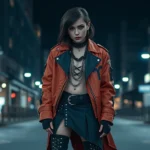
Edgy fashion embraces rebellion, attitude, and non-conformity. This style encompasses multiple subcategories including punk, goth, grunge, and modern alternative aesthetics. Edgy fashion rejects mainstream conventions, celebrating dark colors, unconventional silhouettes, statement accessories, and bold self-expression through clothing.
Edgy fashion staples include black leather jackets, ripped jeans, band t-shirts, combat boots, studded accessories, and dramatic makeup. Silhouettes tend toward oversized or deliberately distressed pieces, creating visual interest through texture and attitude rather than refined tailoring. Metal accessories, chains, and statement jewelry emphasize the rebellious spirit of this aesthetic.
The edgy style encompasses various subcategories: punk fashion emphasizes DIY culture and provocative elements; goth fashion incorporates Victorian influences with dark romanticism; grunge celebrates deliberately undone aesthetics inspired by 1990s Seattle music scenes. Modern alternative fashion continues evolving, incorporating contemporary elements while maintaining the core philosophy of nonconformity and authentic self-expression. This style works beautifully for creative fields, nightlife settings, and individuals uninterested in mainstream fashion approval.
Preppy and Polished
Preppy fashion draws from traditional Ivy League and country club aesthetics, emphasizing polished sophistication, coordinated ensembles, and heritage brand loyalty. This style celebrates structured silhouettes, classic color combinations, and refined accessories that communicate education, tradition, and social polish.
Preppy essentials include tailored blazers, polo shirts, pleated skirts, cable-knit sweaters, and perfectly pressed trousers. The color palette features classic combinations: navy with white, green with cream, burgundy with tan. Accessories are purposeful and coordinated—leather loafers, structured handbags, headbands, and coordinating scarves complete the look. Preppy fashion often incorporates monograms, equestrian references, and heritage brand logos as status symbols.
This style appeals to individuals who appreciate tradition, structure, and timeless elegance with a polished edge. Preppy fashion works exceptionally well in professional environments, formal occasions, and social settings where refined presentation matters. The modern preppy aesthetic often incorporates contemporary updates while maintaining its core emphasis on coordination, quality, and traditional sophistication. Check out our StyleLoom Daily Blog for contemporary takes on classic preppy elements.
Vintage and Retro
Vintage and retro fashion celebrates clothing and aesthetics from previous decades, creating a nostalgic connection to fashion history. While vintage refers to authentic clothing from past eras (typically 20+ years old), retro describes contemporary pieces inspired by past aesthetic periods. Both approaches embrace historical references, quality craftsmanship, and the unique character of period-specific design.
Vintage fashion encompasses multiple era-specific aesthetics: 1920s flapper dresses, 1940s victory rolls and silhouettes, 1950s full skirts and polka dots, and 1990s fashion minimalism and grunge. Each era carries distinctive silhouettes, color palettes, and design philosophies. Retro fashion allows contemporary designers to reinterpret these aesthetics using modern fabrics and construction techniques, making period-specific styles more accessible and practical for modern living.
Vintage and retro enthusiasts often shop thrift stores, vintage boutiques, and online marketplaces, hunting for authentic pieces that tell stories of previous eras. This approach to fashion emphasizes sustainability, uniqueness, and appreciation for craftsmanship. Wearing vintage connects you to fashion history while creating distinctly personal, often one-of-a-kind ensembles.
Casual and Comfortable
Casual fashion prioritizes comfort, practicality, and effortless style over formal sophistication. This aesthetic celebrates relaxed silhouettes, soft fabrics, and approachable pieces that allow movement and genuine comfort. Casual fashion has become increasingly important in contemporary culture, as remote work and lifestyle shifts emphasize comfort without sacrificing style.
Casual essentials include well-fitting jeans, comfortable t-shirts, sneakers, hoodies, and relaxed-fit clothing in versatile neutral tones. Fabrics lean toward breathable, soft materials like cotton, linen, and jersey knits. The color palette is often muted and practical—blacks, whites, grays, and blues that easily coordinate. Casual fashion embraces athleisure elements, incorporating sporty pieces into everyday wear for maximum comfort and functionality.
This style appeals to individuals who value practicality, comfort, and low-maintenance aesthetics. Casual fashion works wonderfully for everyday wear, creative environments, and anyone seeking approachable style without rigid rules. The modern casual aesthetic often incorporates quality basics, intentional fit, and subtle details that elevate comfortable pieces beyond basic utility wear.
Glamorous and Bold
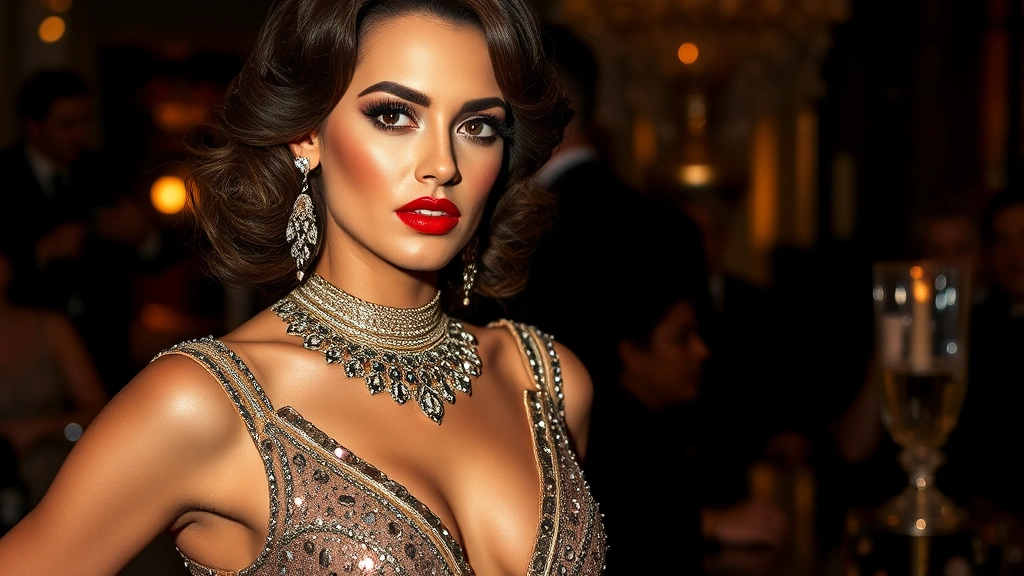
Glamorous fashion celebrates luxury, drama, and unapologetic boldness. This aesthetic emphasizes statement pieces, luxurious fabrics, eye-catching colors, and accessories that command attention. Glamorous style draws inspiration from red carpet fashion, vintage Hollywood, and high fashion editorials.
Glamorous essentials include sequined dresses, metallic fabrics, luxurious silks, faux furs, and statement jewelry. The color palette embraces jewel tones, metallics, and dramatic contrasts. Makeup and hair styling are intentional and dramatic, often featuring bold lips, dramatic eyes, and carefully styled waves or updos. Accessories are substantial and attention-grabbing: chandelier earrings, clutch bags, and strappy heels complete the glamorous aesthetic.
This style appeals to individuals who embrace confidence, love making bold statements, and enjoy drawing attention through fashion. Glamorous fashion works beautifully for special occasions, nightlife, entertainment industries, and anyone seeking to celebrate their boldest self. Modern glamorous fashion often incorporates contemporary updates and sustainable luxury options, allowing ethical expression of this extravagant aesthetic. Explore curated glamorous pieces like Fashion Nova dresses for contemporary glamour inspiration.
Street Style and Urban
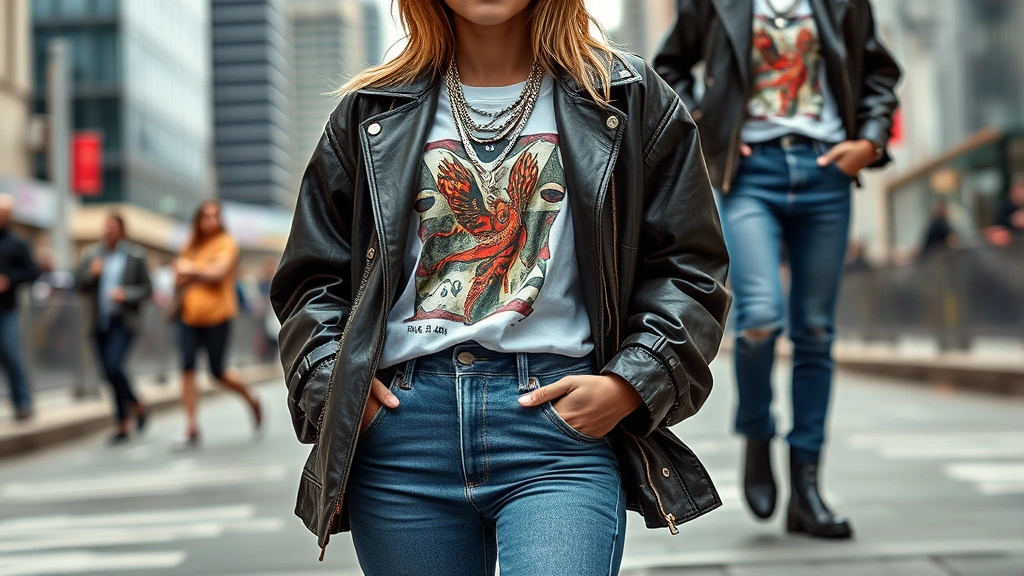
Street style represents fashion as lived on city streets, celebrating individual expression, cultural influences, and contemporary trends. This aesthetic emerges organically from urban environments, where diverse fashion influences collide and create innovative combinations. Street style often blends multiple fashion categories, creating unexpected juxtapositions and trend-forward ensembles.
Street style embraces mixing high and low fashion, combining designer pieces with affordable basics, and incorporating vintage finds with contemporary trends. This approach values originality, confidence, and personal interpretation over strict adherence to fashion rules. Street style often features oversized silhouettes, unexpected color combinations, statement accessories, and thoughtful styling details that communicate individual taste.
This aesthetic appeals to fashion-forward individuals, city dwellers, and anyone interested in contemporary trend forecasting. Street style constantly evolves, as fashion influencers, photographers, and style enthusiasts document innovative outfit combinations daily. Street style celebrates the idea that fashion is democratic, accessible, and ultimately about personal creative expression rather than designer labels or traditional fashion authority.
FAQ
How do I identify my personal fashion style?
Start by examining your existing wardrobe and identifying pieces you genuinely love wearing. Notice recurring colors, silhouettes, and design elements. Follow fashion inspiration on social media, save images of outfits that resonate with you, and look for common threads. Consider your lifestyle, professional environment, and personal values. Remember that personal style often blends multiple fashion categories—you don’t need to fit perfectly into one category. Our guide on how to find your personal style offers detailed guidance for this journey.
Can I mix different fashion styles together?
Absolutely! In fact, fashion’s most interesting expressions often come from blending styles intentionally. You might pair preppy elements with edgy accessories, mix bohemian pieces with minimalist basics, or combine casual comfort with glamorous statement jewelry. The key is intentionality—mixing styles should feel deliberate rather than accidental. Start with a dominant style as your foundation, then layer contrasting elements that reflect your personality.
Which fashion style is most professional?
Classic and preppy styles typically work best in traditional professional environments, emphasizing polished sophistication and refined tailoring. However, many creative industries embrace minimalist, casual, or alternative styles. Understanding your workplace culture is essential—some tech companies celebrate street style and casual fashion, while law firms typically expect classic or preppy aesthetics. Adapt your chosen style to suit your professional context while maintaining authentic self-expression.
How do fashion styles evolve over time?
Fashion styles evolve through cultural shifts, technological innovation, social movements, and generational influences. What feels contemporary today becomes vintage tomorrow. Understanding fashion history helps you recognize these patterns and make intentional choices about which trends feel authentic to your personal aesthetic versus passing fads.
Is it possible to be fashionable while staying within a budget?
Definitely! Quality basics, strategic thrifting, and intentional shopping create stylish wardrobes regardless of budget. Focus on fit, fabric quality, and timeless silhouettes rather than designer labels. Mix affordable pieces with occasional investment items. Casual, minimalist, and vintage styles often work beautifully within limited budgets, as they emphasize creativity and intentionality over expensive luxury items.
How do I transition between different fashion styles seasonally?
Consider building a capsule wardrobe with interchangeable basics that work across seasons, then adapt with seasonal layers and accessories. Winter might emphasize layering and heavier fabrics, while summer celebrates lighter, breathable materials. Your core style philosophy remains consistent; you’re simply adapting practical elements to seasonal requirements.