

Tequila Old Fashioned: Mixologist’s Guide to Crafting the Perfect Cocktail
The tequila old fashioned represents a sophisticated evolution of the classic cocktail, bringing warmth, complexity, and authentic Mexican spirit to a timeless format. Whether you’re a seasoned bartender or an enthusiastic home mixologist, mastering this drink opens doors to creative expression and elevated entertaining. This guide explores every dimension of crafting an exceptional tequila old fashioned, from spirit selection to presentation techniques that transform a simple drink into an unforgettable experience.
The beauty of a tequila old fashioned lies in its elegant simplicity paired with infinite customization potential. Unlike rigid cocktail formulas, this drink celebrates the art of balance—balancing bold agave notes with subtle sweetness, citrus brightness with aromatic depth. Understanding the principles behind this cocktail empowers you to adapt it to your preferences, impress guests, and develop your mixologist skills. We’ll dive deep into ingredient selection, technique mastery, and creative variations that showcase tequila’s versatility.

Understanding the Tequila Old Fashioned
The old fashioned stands as one of bartending’s most revered cocktails, traditionally crafted with whiskey, sugar, bitters, and a twist of citrus. When tequila replaces whiskey, the drink transforms dramatically while maintaining its fundamental elegance. Tequila brings agave’s natural sweetness, peppery notes, and herbal undertones that create a distinctly different sensory experience than its bourbon counterpart. This substitution isn’t merely about swapping spirits—it’s about understanding how tequila’s flavor profile interacts with classic cocktail architecture.
The tequila old fashioned emerged from creative bartenders seeking to honor Mexico’s premier spirit while respecting classic cocktail traditions. This drink celebrates balance and restraint, allowing quality tequila to shine rather than hide beneath excessive mixers. The result is a sophisticated sipper that appeals to spirit enthusiasts, adventure-seeking cocktail lovers, and anyone appreciating craft bartending. Understanding this drink’s philosophy—respecting tradition while embracing innovation—mirrors the approach to developing personal style, where classic foundations meet individual expression.
What distinguishes an excellent tequila old fashioned from a mediocre one? Precision in proportions, quality ingredient selection, proper technique, and intentional presentation. Each element contributes to the final experience. A poorly balanced drink overwhelms the palate, while a well-crafted version reveals layers of flavor that unfold with each sip. Mastering this cocktail teaches fundamental mixology principles applicable to countless other drinks.
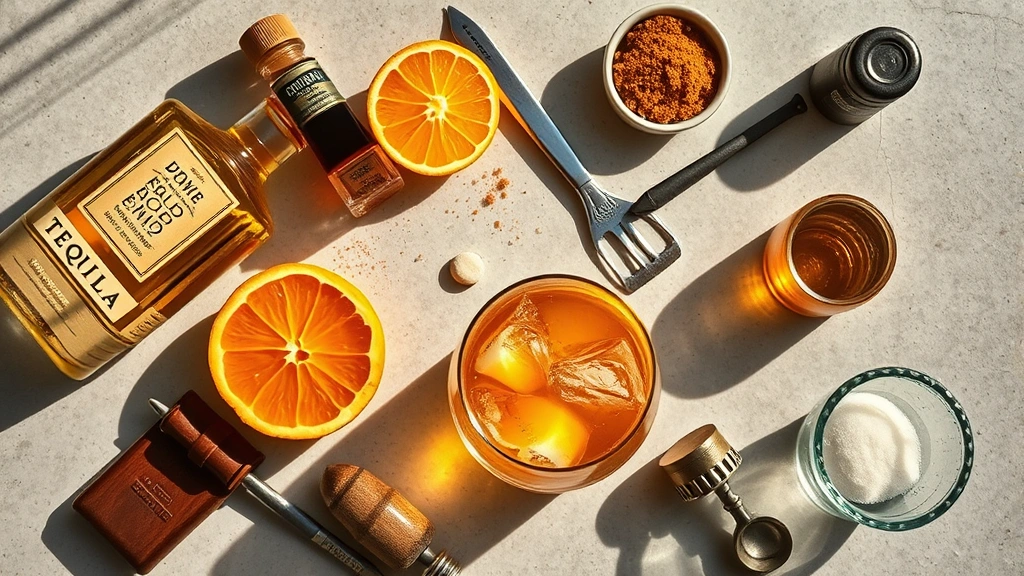
Essential Ingredients and Spirit Selection
Selecting the right tequila forms the foundation of an exceptional old fashioned. Premium tequilas—particularly 100% agave varieties—deliver superior flavor compared to mixto tequilas containing added sugars. Blanco (silver) tequilas showcase bright, fresh agave characteristics, while reposado varieties aged in oak bring vanilla, caramel, and spice notes. Añejo tequilas offer deep complexity with pronounced woody flavors, though their expense may seem wasteful in a cocktail. Many mixologists prefer reposado as the optimal middle ground, balancing agave authenticity with oak-influenced smoothness.
Beyond tequila, quality bitters elevate the entire drink. Angostura bitters remain the classic choice, providing herbal, spiced notes that complement agave beautifully. However, exploring specialty bitters—chocolate, orange, or Mexican-inspired varieties—allows creative expression. Sweetening agents deserve equal attention. Simple syrup works adequately, but demerara or agave nectar creates more sophisticated drinks. Some mixologists employ gum syrup for enhanced texture and mouthfeel. The sweetener’s quality directly impacts the final drink’s refinement.
Water’s role shouldn’t be overlooked. Filtered or mineral water dilutes spirits to optimal drinking strength, improving flavor complexity. Ice quality matters tremendously—large, clear cubes melt slowly, maintaining proper dilution levels throughout consumption. Finally, citrus for garnish requires fresh, quality specimens. A proper twist of orange or lemon peel adds essential oils and visual appeal. Understanding how these components interact creates the foundation for mixology mastery, much like understanding style fundamentals helps develop personal aesthetics.
Step-by-Step Recipe and Technique
Classic Tequila Old Fashioned Recipe:
- 2 ounces premium reposado tequila
- 1 teaspoon agave nectar or demerara syrup
- 2-3 dashes Angostura bitters
- Optional: 1 dash orange bitters
- Large ice cube or sphere
- Orange peel for garnish
Preparation Method:
Begin by chilling your glass—preferably an old fashioned or rocks glass—with ice and cold water. While the glass cools, combine tequila, sweetener, and bitters in a mixing glass. Some bartenders prefer building the drink directly in the serving glass, which creates a more rustic presentation. Add your large ice cube to the mixing glass, then stir gently but deliberately for approximately 30 seconds. This chilling and dilution process is crucial—proper stirring incorporates water that smooths harsh alcohol edges while developing flavor complexity.
Strain the mixture into your chilled glass containing a fresh large ice cube. Express an orange peel’s oils over the drink by twisting it above the surface, allowing citrus essence to mist across the liquid’s top. Drop the peel into the glass as garnish. The entire process, from start to finish, should take less than two minutes. Rushing dilutes flavor development; excessive stirring over-dilutes and waters down the drink. Finding this balance requires practice and attention.
The technique matters as much as ingredients. Gentle stirring—approximately 30 seconds—achieves proper dilution and temperature without excessive aeration. Some mixologists count stirs (typically 25-35) to ensure consistency. The drink should be ice-cold but not frozen-tasting. When properly executed, a tequila old fashioned presents as an elegant, sophisticated sipper worthy of contemplation and savoring.
Mastering Bitters and Sweeteners
Bitters represent cocktail alchemy—small quantities delivering profound flavor impact. Angostura bitters, created in 1824, remain the gold standard for old fashioneds. Their complex blend of spices, herbs, and bark creates harmony with tequila’s agave characteristics. However, modern bartenders explore diverse options. Orange bitters add brightness and citrus notes; chocolate bitters introduce depth and richness; Mexican-inspired bitters featuring cinnamon or chili create authentic regional expressions. The key is understanding how bitter flavors interact with your chosen tequila.
Sweetener selection fundamentally shapes your drink’s character. Simple syrup—equal parts sugar and water—provides neutral sweetness without additional flavor. Demerara syrup brings subtle molasses notes and increased body. Agave nectar, derived from the same plant as your spirit, creates thematic harmony and smoother mouthfeel. Some innovative mixologists employ piloncillo syrup (unrefined cane sugar) for earthy sweetness, or honey syrup for floral complexity. The sweetener ratio typically ranges from 0.5 to 1 teaspoon, depending on your tequila’s natural sweetness and personal preference.
Temperature and dilution transform sweeteners’ impact. Cold temperatures mute sweetness perception, so a drink that seems perfectly balanced when cold may taste overly sweet as it warms. This is why proper chilling through stirring is essential. Dilution from ice-melt softens sweetness edges while developing overall flavor integration. Experimenting with different sweetener types and quantities teaches your palate to recognize subtle flavor shifts, developing the sensory awareness that distinguishes amateur bartenders from true craftspeople.
Advanced Variations and Innovations
Once you’ve mastered the classic tequila old fashioned, creative variations offer endless exploration opportunities. The spiced tequila old fashioned incorporates cinnamon syrup or a small pinch of ground spice, creating warming, complex flavors. The smoky variation adds mezcal—tequila’s smoky cousin—in small quantities (0.25 ounces) to introduce campfire and earthiness. These variations honor tequila’s Mexican heritage while maintaining the drink’s essential structure.
The citrus-forward version increases bitters to 4-5 dashes and adds 2-3 drops of orange or grapefruit bitters, creating brightness that appeals to those preferring less sweetness. The herbal expression incorporates a small amount of agave nectar infused with herbs like cilantro, epazote, or jalapeño, bringing authentic Mexican flavors to the forefront. These innovations showcase how understanding different style approaches allows creative personal expression while maintaining fundamental elegance.
Some advanced mixologists create house-made ingredients specifically for their tequila old fashioneds. Bitters infusions using dried chilies, Mexican chocolate, or local botanicals create signature drinks distinguishing bars and home bars alike. Others experiment with different ice presentations—hand-carved cubes, spheres, or even ice made from agave-infused water. These details demonstrate how attention to craft elevates simple drinks into memorable experiences.
Presentation and Glassware Excellence
Presentation powerfully influences the drinking experience. The tequila old fashioned deserves proper glassware—preferably a substantial rocks glass or old fashioned glass holding 8-10 ounces. The glass’s weight in your hand, its visual elegance, and its thermal properties all contribute to enjoyment. Heavy, quality glassware keeps drinks colder longer while conveying respect for the spirit and craft involved.
The ice presentation matters significantly. A single large cube or hand-carved sphere melts slowly, maintaining proper dilution and temperature throughout the drink’s consumption. Clear ice, made by freezing purified water slowly, looks more elegant than cloudy ice and suggests quality and care. Some premium bars invest in specialized equipment creating perfectly clear ice spheres—a detail that transforms the visual experience.
Garnish execution deserves meticulous attention. The orange peel should be fresh, with vibrant color and aromatic oils. Express the peel’s oils by twisting it 2-3 inches above the drink’s surface, allowing citrus mist to settle across the liquid. This adds subtle flavor while creating an elegant visual moment. Some bartenders flame the peel’s oils using a lighter for theatrical presentation, though this requires practice to avoid burnt flavors. The garnish isn’t merely decorative—it’s an integral flavor component enhancing the overall experience.
Pairing with Food and Occasions
A well-crafted tequila old fashioned pairs beautifully with various dining occasions and cuisines. The spirit’s agave sweetness and slight peppery character complement Mexican and Latin American foods naturally. Serve it alongside carne asada, chile rellenos, or street tacos, where the drink’s complexity enhances savory, spiced flavors. The spirit’s warmth balances heat from chiles and spices, creating harmonious pairings.
Beyond Mexican cuisine, the tequila old fashioned works with sophisticated appetizers and charcuterie. The spirit’s herbal notes complement aged cheeses, cured meats, and nuts. Serve it during cocktail hours before dinner, allowing guests to appreciate both the drink and conversation without overwhelming the palate. The drink’s relatively low alcohol impact (compared to straight spirits) makes it suitable for extended social occasions.
Seasonal considerations influence pairing decisions. Lighter, blanco tequila-based old fashioneds suit warm months and outdoor entertaining. Richer reposado or añejo versions pair perfectly with cooler weather, evening events, and introspective moments. Consider your occasion’s energy and duration when selecting tequila style and bitters. This intentional approach to drink selection mirrors how understanding fashion choices for different occasions creates polished, appropriate presentations.
The tequila old fashioned also shines as a digestif—a post-dinner drink encouraging relaxation and conversation. Its moderate strength and complex flavors make it suitable for sipping slowly after meals, particularly following rich or spiced cuisine. The drink’s elegance and sophistication make it appropriate for business entertaining, romantic occasions, or personal celebration moments.
FAQ
What’s the best tequila for an old fashioned?
Reposado tequila offers optimal balance for old fashioneds, providing agave authenticity with oak-influenced smoothness. Look for 100% agave varieties from reputable producers. Blanco tequilas work well for brighter, more herbaceous expressions, while añejo varieties suit premium occasions despite higher costs.
Can I make a tequila old fashioned without bitters?
While technically possible, bitters are essential for authentic old fashioneds. They add herbal complexity and balance sweetness. If you lack bitters, the drink becomes merely tequila and sweetener—missing the sophistication that makes old fashioneds distinctive. Invest in quality bitters for proper results.
Should I stir or shake a tequila old fashioned?
Always stir, never shake. Shaking incorporates excessive air, creating a watered-down, frothy drink that loses elegance. Stirring for 25-35 seconds achieves proper chilling and dilution while maintaining the drink’s sophisticated character. Shaking is appropriate for sour-style cocktails; old fashioneds require gentle stirring.
How much dilution is ideal?
Proper dilution reduces spirits to approximately 18-20% ABV from the original 40%. This typically requires 25-35 seconds of stirring with ice. The drink should be ice-cold but not taste watery. If unsure, err toward less dilution—guests can add water, but over-dilution cannot be corrected.
What’s the difference between tequila and mezcal old fashioneds?
Mezcal brings smoky, earthy characteristics compared to tequila’s brighter agave notes. Mezcal old fashioneds suit those preferring smokiness and complexity. Some bartenders blend both spirits, using primarily tequila with small mezcal quantities for balanced smoke. Choose based on flavor preferences and occasion.
Can I prepare tequila old fashioneds in advance?
No. Old fashioneds must be made to order. Preparing in advance results in over-dilution and temperature loss. However, you can pre-chill glasses, prepare sweetener-bitters combinations in advance, and have quality ice ready. This streamlines service while maintaining drink quality.
What garnishes work best?
Orange peels remain classic, providing complementary citrus oils and visual appeal. Lemon peels offer brighter acidity. Some innovative bartenders use Mexican lime or grapefruit peels for regional authenticity. Avoid elaborate garnishes that distract from the drink’s elegance. Simple, fresh citrus works best.
How should I serve tequila old fashioneds at parties?
Make drinks individually to order for optimal quality. Pre-chill glasses, prepare ingredient stations, and practice your technique beforehand. Having quality ice, fresh citrus, and properly measured spirits ready ensures consistent, professional results. Batch cocktails compromise quality—individual preparation demonstrates respect for guests and craft.
For more sophisticated entertaining ideas and style inspiration, explore our Style Loom Daily Blog for comprehensive guides on hosting, entertaining, and personal refinement. Learn more about how hospitality traditions evolved through history, and discover how developing your personal style extends to beverage selection and entertaining choices.
For advanced mixology techniques and professional bartending insights, consult resources like The Guardian’s cocktails section, explore Saveur Magazine for culinary and beverage expertise, and visit Serious Eats for detailed cocktail science.

