Steve McQueen’s Style: Timeless Fashion Lessons
Steve McQueen wasn’t just an icon of cinema—he was a revolutionary force in men’s fashion who proved that true style transcends decades. The legendary actor’s approach to dressing embodied a philosophy that resonates deeply with modern fashion enthusiasts: simplicity, authenticity, and understated elegance. His wardrobe choices, though seemingly effortless, were carefully curated expressions of personality that influenced generations of style-conscious men and continue to inspire today’s fashion landscape.
What made McQueen’s fashion legacy particularly remarkable was his rejection of ostentation in favor of quality and purpose. At a time when Hollywood stars embraced excessive ornamentation, McQueen chose classic pieces, functional design, and timeless silhouettes. His style wasn’t about following trends—it was about establishing them. Every jacket, every pair of jeans, every accessory served a purpose while maintaining an air of cool confidence that seemed almost effortless. This approach to personal style offers invaluable lessons for anyone seeking to develop an authentic wardrobe that withstands the test of time.
Today’s fashion landscape is saturated with fast trends and disposable clothing, making McQueen’s philosophy more relevant than ever. By understanding the core principles behind his iconic style, you can learn to cultivate a wardrobe that feels genuinely yours while maintaining the timeless appeal that defined an era.
The Philosophy Behind McQueen’s Wardrobe
Steve McQueen’s approach to fashion was fundamentally rooted in the concept of functional elegance. Unlike many of his contemporaries, McQueen came from a working-class background and maintained that sensibility throughout his life. This meant that his clothing choices prioritized practicality without sacrificing style. He believed that the best fashion was clothing that could transition seamlessly from casual settings to formal occasions, embodying a versatility that modern fashion desperately needs.
The actor’s style philosophy was heavily influenced by his interests outside of acting—particularly his passion for motorsports, motorcycles, and adventure. These hobbies shaped his wardrobe choices significantly. He gravitated toward brands and pieces that were built for performance and durability, yet possessed an inherent aesthetic appeal. This intersection of function and form became the hallmark of his personal style and established principles that continue to guide fashion-forward thinking today.
McQueen understood something fundamental about personal style that many still miss: confidence is the ultimate accessory. He wore what he loved without apology, whether it was a simple white t-shirt or a vintage racing jacket. This authenticity translated into an unmistakable presence that made even the most basic outfits appear extraordinary. When you examine his photographs across decades, you notice that the specific trends changed, but his core approach remained consistent—always choosing quality, always favoring simplicity, always maintaining his distinctive aesthetic.
Learning to find your personal style requires adopting similar principles. It’s not about chasing every trend or purchasing countless pieces. Instead, it’s about understanding your values, your lifestyle, and what makes you feel authentically yourself, then building a wardrobe around those foundations.
Iconic Pieces That Defined His Look
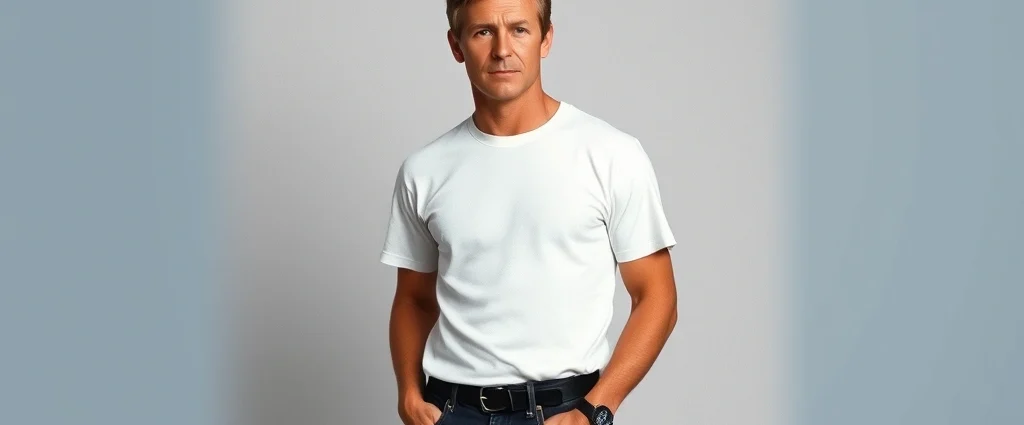
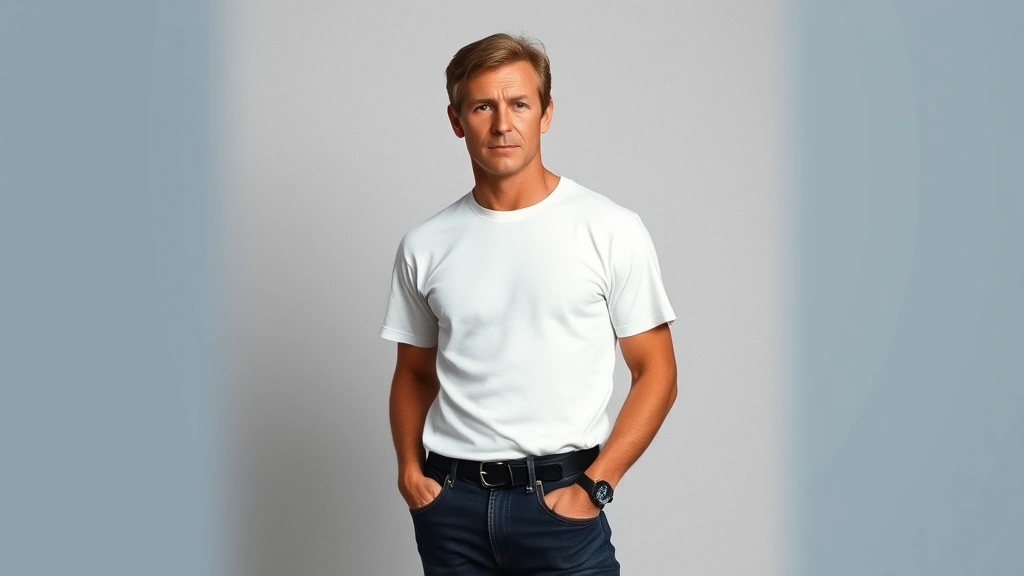
When discussing fashion trends and style evolution, McQueen’s signature pieces deserve central attention. The white t-shirt stands as perhaps his most iconic item—simple, classic, and infinitely versatile. He understood that a perfectly fitted white tee could be the foundation of countless outfits, from casual weekend wear to layered styling under blazers. This piece taught the fashion world that basics, when chosen with care and quality in mind, form the cornerstone of any great wardrobe.
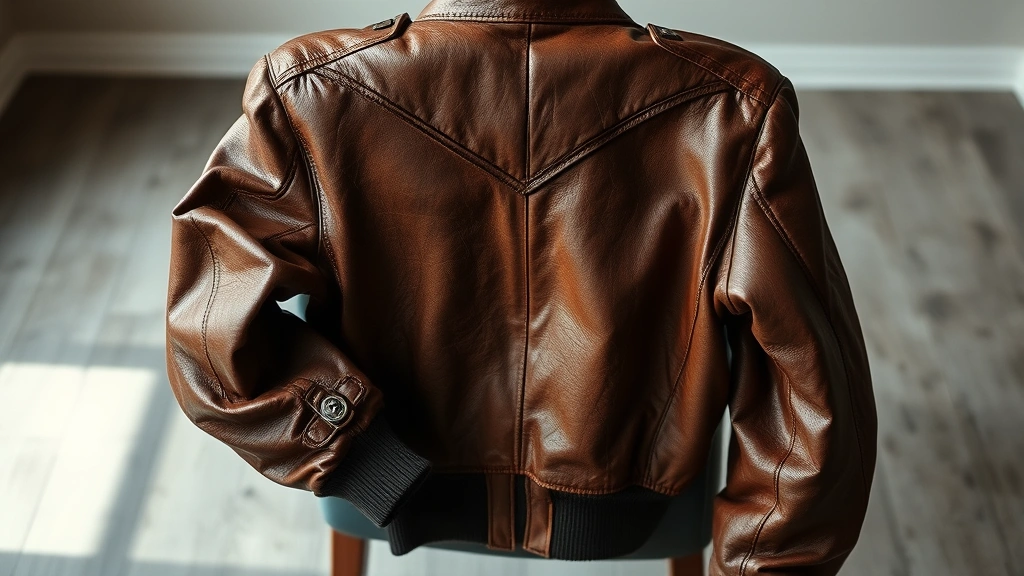
His collection of leather jackets became legendary, particularly the iconic Barbour and racing-inspired styles he favored. These weren’t fashion statements in the conventional sense—they were functional pieces designed for motorcycle riding that happened to look phenomenal. McQueen’s appreciation for vintage racing gear and workwear elevated these utilitarian items into symbols of cool sophistication. The leather jacket became so associated with his name that it remains a staple of masculine style to this day.
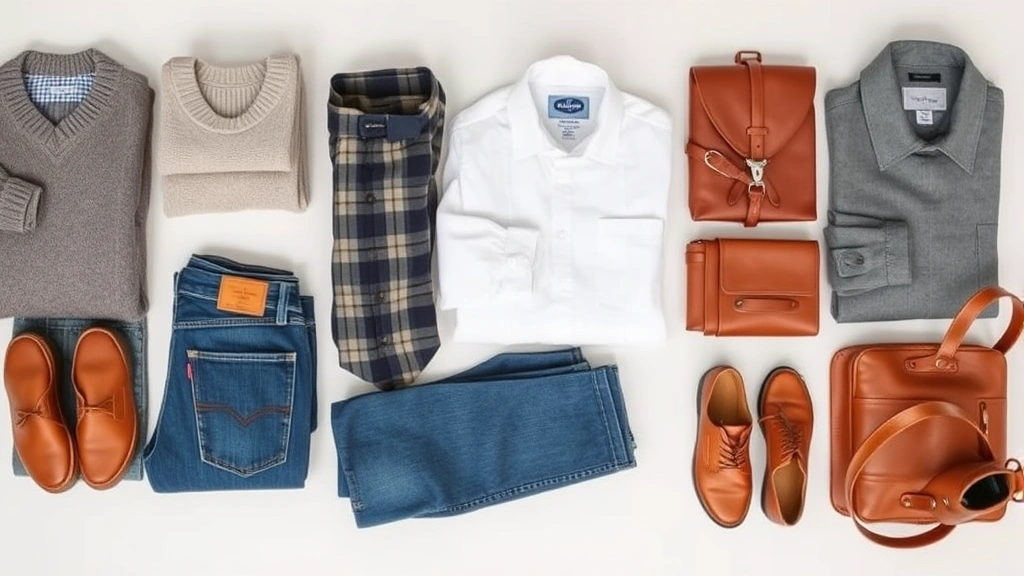
Denim held a special place in McQueen’s wardrobe. He wore jeans not as casual wear to be apologized for, but as legitimate fashion pieces worthy of styling with high-quality tops and accessories. His approach helped legitimize denim in formal and semi-formal contexts, a shift that transformed how we view this fundamental fabric. Whether paired with a crisp button-down or a vintage sweater, McQueen’s denim selections demonstrated that jean quality and fit matter tremendously.
Turtlenecks represented another cornerstone of his look, particularly the black and navy versions he favored. These pieces allowed for layering while maintaining clean lines and a sophisticated silhouette. He demonstrated how a well-fitted turtleneck could work in professional settings, casual outings, and everything in between. The turtleneck became so associated with his aesthetic that it remains a go-to piece for anyone seeking that timeless, intellectual cool he embodied.
Cardigans and knit sweaters rounded out his basics collection, often in neutral tones that could mix and match effortlessly with other pieces. McQueen understood the power of texture and layering, using knitwear to add visual interest without resorting to bold patterns or colors. These pieces proved that comfort and style need not be mutually exclusive.
The Art of Understated Elegance
One of the most valuable fashion lessons Steve McQueen teaches is the power of restraint. In an industry that often rewards excess, he chose minimalism before it became a buzzword. His color palette remained consistently neutral—blacks, whites, grays, navy, and earth tones dominated his wardrobe. This wasn’t limitation; it was liberation. By restricting his color choices, he created a cohesive aesthetic where every piece worked with every other piece, maximizing outfit combinations while maintaining visual consistency.
This approach to color demonstrates an important principle: less is often more. When you limit your palette, individual pieces gain prominence through quality and fit rather than flashiness. A beautifully constructed gray sweater becomes more striking than ten mediocre ones in various colors. McQueen’s wardrobe proved that neutrality doesn’t mean boring—it means sophisticated, intentional, and timelessly appealing.
His relationship with patterns was equally restrained. While he occasionally wore stripes or subtle prints, he never embraced bold or trendy patterns. This selective approach meant that when patterns did appear in his outfits, they felt special and intentional rather than scattered and chaotic. The lesson here extends beyond fashion: sometimes the most powerful statement comes from knowing when to say no.
Fit represented another crucial element of his elegance. McQueen’s pieces were tailored to his frame without being ostentatiously tight or oversized. He understood that proper tailoring could elevate even basic pieces into something extraordinary. A well-fitted white t-shirt, thanks to precise tailoring, becomes a work of art. This emphasis on fit over flash demonstrates that you don’t need expensive designer labels to look impeccably styled—you need pieces that fit your body correctly.
The way McQueen combined pieces also reflected his philosophy of understated elegance. He rarely wore more than three distinct elements in a single outfit, allowing each piece to breathe and contribute meaningfully to the overall aesthetic. This restraint created a sense of intentionality and sophistication that contrasts sharply with modern outfit construction, where more is often considered better.
Building Your Own McQueen-Inspired Wardrobe
Creating a wardrobe inspired by Steve McQueen’s philosophy requires a strategic approach focused on quality basics and timeless pieces. Start by investing in foundational neutral pieces: several well-fitted white and black t-shirts, quality denim in classic cuts, and neutral sweaters in various knits. These basics form the foundation upon which all other pieces build.
Next, prioritize quality over quantity. Rather than purchasing ten mediocre jackets, invest in one or two exceptional leather jackets that will last decades and improve with age. This approach aligns perfectly with modern sustainability concerns while echoing McQueen’s values. Quality pieces cost more initially but provide better value over time through durability and timelessness.
When selecting pieces, ask yourself the critical question McQueen seemed to always consider: Does this serve a purpose in my life? Will you actually wear this item? Does it fit your lifestyle and aesthetic? This filtering process eliminates impulse purchases and ensures your wardrobe remains cohesive and functional. Explore the latest fashion collections and 90s fashion influences to understand modern interpretations of classic style principles, but always return to your core aesthetic.
Build layering capacity into your wardrobe. McQueen was a master of layering, using pieces like turtlenecks, cardigans, and jackets to create visual interest and accommodate temperature changes. Develop a collection of layering pieces that work together seamlessly, expanding your outfit possibilities exponentially.
Invest in tailoring. Even if you purchase basics from accessible brands, proper tailoring transforms them into pieces that look custom-made. A $30 t-shirt tailored to fit perfectly looks infinitely better than a $200 ill-fitting designer piece. This practical investment aligns perfectly with McQueen’s philosophy of prioritizing fit and function.
Consider your lifestyle when building your wardrobe. McQueen’s pieces reflected his active, adventurous life. Your wardrobe should similarly reflect your reality. If you work in a corporate environment, prioritize pieces that work in that context. If you’re casual and creative, build accordingly. Authenticity means dressing for your actual life, not some imagined version of yourself.
Accessories: The Details That Matter
While McQueen’s aesthetic emphasized simplicity, he understood that accessories provided crucial finishing touches. He favored functional accessories that served purposes beyond decoration—watches, belts, and bags that were built for durability and performance.
Watches held particular importance in his collection. He wore quality timepieces that were designed for functionality, particularly sports watches suited to his racing interests. A good watch serves as both practical tool and subtle status symbol, exactly the kind of accessory McQueen appreciated. When selecting accessories, prioritize those with genuine utility.
His belt selections reflected similar principles—quality leather, classic buckles, nothing overly ornamental. A good belt should disappear into an outfit while providing structural support and visual continuity. McQueen’s approach to belts demonstrates how small accessories can either enhance or detract from overall aesthetic depending on their design philosophy.
Footwear represented another crucial accessory category. McQueen favored quality shoes in classic styles—desert boots, driving shoes, leather sneakers, and well-maintained dress shoes. He understood that shoes anchor an outfit and reflect the wearer’s attention to detail. Investing in quality footwear in timeless styles ensures that your accessories remain relevant across decades rather than seasons.
Sunglasses, particularly the iconic styles he wore, became almost as recognizable as his face. He chose classic designs that complemented his features and fit his lifestyle, wearing them consistently enough to make them part of his signature look. When selecting accessories, consider which pieces align with your personal style and lifestyle, then commit to them rather than constantly changing.
The key to McQueen-inspired accessorizing is restraint combined with intentionality. Each accessory should serve a purpose—either functional or aesthetic—and should enhance rather than compete with your clothing. Avoid accessory overload; instead, choose a few quality pieces that work across multiple outfits.
Modern Applications of Classic Style
Steve McQueen’s fashion philosophy translates remarkably well to contemporary life, despite significant changes in technology, work culture, and social norms. The principles underlying his style—quality, functionality, authenticity, and timelessness—remain eternally relevant. In fact, as Vogue and other leading fashion publications continue to emphasize sustainable fashion and capsule wardrobes, McQueen’s approach feels increasingly prescient.
Modern professionals can adopt his layering techniques and neutral palette to create versatile work wardrobes that transition seamlessly from office to after-work activities. The pieces McQueen favored—quality basics, structured jackets, well-fitted denim—remain equally appropriate today. His philosophy of building a cohesive wardrobe rather than chasing trends directly addresses modern fashion fatigue and consumer consciousness about sustainability.
The rise of fashion documentaries exploring style icons has renewed interest in McQueen’s approach to dressing. Contemporary documentaries examining fashion history frequently highlight his influence, introducing new generations to his timeless aesthetic. His legacy demonstrates that true style transcends era—it’s built on solid principles rather than fleeting trends.
Social media culture, which often emphasizes novelty and constant change, stands in stark contrast to McQueen’s philosophy. His approach offers a refreshing alternative: the idea that wearing the same pieces repeatedly, building outfits from a curated collection, and maintaining consistency actually demonstrates confidence and personal conviction rather than lack of imagination. This perspective challenges modern fashion consumption patterns and offers a more sustainable, personally fulfilling alternative.
Contemporary menswear designers continue to reference McQueen’s influence, from high fashion houses like Alexander McQueen to streetwear brands emphasizing quality basics. His impact on fashion extends beyond nostalgic appreciation—it actively shapes how modern designers approach construction, fit, and aesthetic philosophy.
For anyone interested in developing a more intentional relationship with fashion, studying McQueen’s approach provides valuable guidance. His example proves that true style icon status comes not from owning the most pieces or following every trend, but from cultivating a distinctive, authentic aesthetic grounded in quality and purpose. By applying his principles—investing in basics, prioritizing fit, choosing quality over quantity, and maintaining a consistent aesthetic—you can develop a wardrobe that feels genuinely yours while remaining timelessly appealing.
FAQ
What was Steve McQueen’s most iconic fashion piece?
The white t-shirt stands as perhaps his most iconic piece, representing his philosophy of simple elegance and quality basics. However, his leather jackets, particularly vintage racing styles, run a close second. Both pieces became so associated with his name that they remain fashion staples decades after his death.
How can I develop Steve McQueen’s style on a budget?
Focus on quality basics from accessible brands rather than designer labels. Invest in proper tailoring to ensure perfect fit. Build a neutral color palette with white, black, gray, and navy pieces that work together seamlessly. Purchase fewer items in higher quality rather than many mediocre pieces. Thrift vintage pieces that align with his aesthetic. Remember that McQueen’s style emphasized fit and construction over brand names.
Did Steve McQueen wear designer brands?
While McQueen certainly had access to designer pieces, his style philosophy actually transcended brand loyalty. He favored quality construction and functional design over prominent labels. He wore brands like Barbour and Levis alongside more luxurious pieces, choosing items based on their merit rather than prestige. This approach actually democratizes his style—you don’t need expensive designer labels to achieve his aesthetic.
What colors dominated Steve McQueen’s wardrobe?
His palette consisted primarily of neutrals: white, black, gray, navy, and earth tones like tan and olive. This limited color selection created a cohesive wardrobe where pieces mixed and matched effortlessly. The strategy allowed him to maximize outfit combinations while maintaining visual consistency and sophistication.
How do I incorporate McQueen’s style into modern professional settings?
His neutral palette, quality basics, and emphasis on fit translate perfectly to professional environments. Combine well-fitted neutral trousers with quality sweaters or turtlenecks. Layer with structured blazers in classic styles. Choose quality leather shoes and accessories. The key is maintaining his philosophy of understated elegance and functional design while respecting professional dress codes.
What footwear would Steve McQueen choose today?
Based on his historical preferences, he would likely favor quality leather sneakers, classic desert boots, well-maintained dress shoes, and driving shoes. He would prioritize comfort and durability while maintaining classic aesthetic appeal. The specific brand matters less than construction quality and timeless design.