Soul Train fashion remains one of the most influential and culturally significant style movements in American history. Emerging from the legendary television show that premiered in 1971, this iconic aesthetic transcended mere clothing to become a powerful expression of Black culture, pride, and artistic innovation. The show’s impact on fashion cannot be overstated—it democratized style, celebrated individuality, and created a visual language that continues to inspire designers, musicians, and fashion enthusiasts today.
The legacy of Soul Train fashion extends far beyond the disco era in which it flourished. From the platform shoes and bell-bottoms to the glamorous jumpsuits and afrocentric designs, every garment told a story of self-expression and cultural revolution. This movement challenged conventional fashion norms and proved that style emerging from Black communities deserved recognition on the world stage. Understanding Soul Train fashion means exploring a pivotal moment when television became a runway, and everyday people became style icons.
Whether you’re interested in 90s fashion trends or seeking to find your personal style, the principles established by Soul Train fashion offer timeless inspiration. This guide explores the movement’s origins, defining characteristics, cultural significance, and its ongoing influence on contemporary fashion.
Origins and Historical Context
Soul Train debuted on October 2, 1971, created by Don Cornelius as a platform celebrating Black music, dance, and culture. The show aired for nearly five decades, becoming the longest-running syndicated program in television history. From its inception, Soul Train was revolutionary—it provided African American artists with a national stage at a time when mainstream media largely excluded Black performers from prime-time television.
The fashion that emerged on Soul Train’s dance floor wasn’t accidental; it was a deliberate expression of Black identity during the Civil Rights era and beyond. The late 1960s and early 1970s witnessed tremendous social upheaval, and fashion became a vehicle for cultural assertion. The Soul Train aesthetic emerged as young Black Americans embraced styles that reflected their heritage, pride, and contemporary sensibilities.
The show’s setting—a long, narrow dance floor flanked by enthusiastic dancers—created the perfect stage for fashion display. Performers and audience members dressed to impress, knowing they would be seen on national television. This environment fostered a culture of style innovation where fashion was democratic and accessible. You didn’t need to be wealthy or famous to participate; you simply needed confidence and creativity. This democratization of fashion was groundbreaking and established Soul Train as a genuine fashion influence.
Understanding the context of Soul Train fashion requires acknowledging the broader Black Power movement and the cultural renaissance happening in Black communities. The natural hair movement, the embrace of African-inspired designs, and the rejection of Eurocentric beauty standards all converged on Soul Train. Fashion became political, personal, and profoundly expressive.
Defining Elements of Soul Train Style
Soul Train fashion is instantly recognizable, characterized by bold colors, luxurious fabrics, and dramatic silhouettes. Several key elements define this iconic aesthetic:
Platform Shoes and Bold Footwear: Platform shoes were essential to Soul Train style. From platform boots to platform sneakers, these chunky, elevated shoes made a statement. They weren’t just fashionable; they commanded attention and added drama to every outfit. Brands like Puma and Adidas capitalized on this trend, creating iconic silhouettes that remain popular today.
Wide-Leg Pants and Bell-Bottoms: The silhouette was unmistakably flared. Bell-bottoms, wide-leg trousers, and palazzo pants dominated Soul Train fashion. These pants were often made from luxurious fabrics like velvet, satin, or sequined material. The wide legs created an elegant, flowing movement that was perfect for dancing and showcased footwear beautifully.
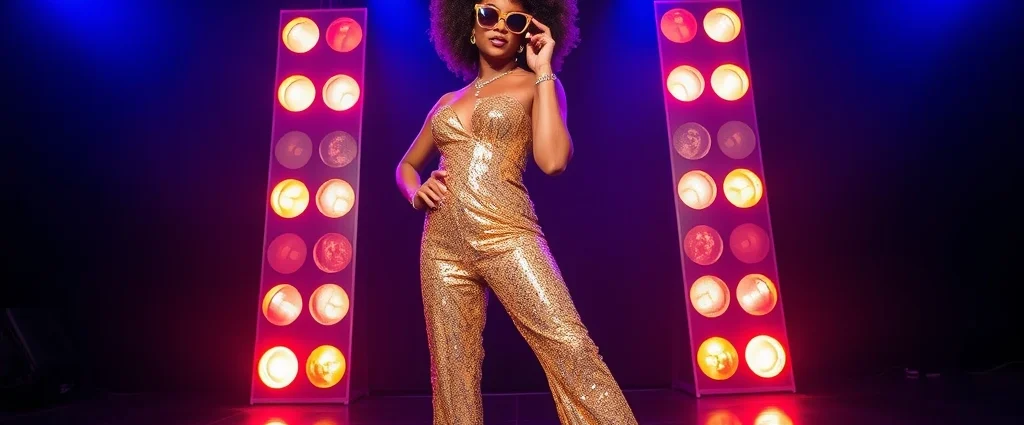
Jumpsuits and Bodysuits: One-piece garments became a Soul Train staple. Glamorous jumpsuits, often embellished with sequins, rhinestones, or metallic fabrics, created a unified, streamlined silhouette. These pieces were sexy, sophisticated, and incredibly practical for performers. Many jumpsuits featured daring necklines, cut-outs, or plunging backs that exuded confidence.
Afrocentric Designs: Natural hair, African prints, and designs inspired by African aesthetics were central to Soul Train fashion. Dashikis, kente cloth patterns, and geometric designs celebrated cultural heritage. These elements weren’t trends; they were statements of cultural pride and identity.
Luxurious Fabrics: Soul Train style embraced opulence. Velvet, satin, silk, sequins, and metallic materials were preferred. These fabrics caught light beautifully and conveyed luxury and celebration. The tactile quality of these materials added richness to the overall aesthetic.
Bold Colors: Vibrant, saturated colors dominated the palette. Hot pink, electric blue, sunshine yellow, deep purple, and rich orange were worn with confidence. Monochromatic outfits, color-blocking, and metallic gold and silver were all common approaches.
Accessories and Hair: Oversized sunglasses, chunky jewelry, feathered boas, and elaborate hats completed Soul Train looks. Hair was equally important—afros, cornrows, and intricate braided styles celebrated natural Black hair and became iconic symbols of the era.
Cultural Significance and Impact
Soul Train fashion represented far more than aesthetic preferences; it was a cultural movement with profound social implications. During an era when Black Americans faced systemic discrimination and limited representation in mainstream media, Soul Train provided a space where Black style was celebrated, elevated, and broadcasted nationally.
The show challenged Eurocentric beauty standards that had long dominated American fashion. By showcasing Black dancers, musicians, and audience members in glamorous, fashionable clothing, Soul Train asserted that Black aesthetics were worthy of celebration. This representation was revolutionary and had lasting impacts on how the fashion industry viewed diversity and inclusion.
Soul Train fashion also democratized style in unprecedented ways. Unlike high fashion, which was exclusive and expensive, Soul Train style was accessible. Young Black Americans could shop at local stores, thrift shops, or department stores to recreate the looks they saw on television. They could express themselves through fashion without needing designer labels or expensive couture. This accessibility made fashion a tool for self-expression across socioeconomic lines.
The movement also validated Black creativity and entrepreneurship in fashion. While mainstream fashion houses largely ignored Black aesthetics, Black designers and manufacturers stepped in to create the garments that Soul Train dancers wore. This created opportunities for Black-owned businesses and demonstrated the market value of Black style.
Iconic Looks That Defined an Era
Several unforgettable fashion moments emerged from Soul Train that have become legendary in fashion history:
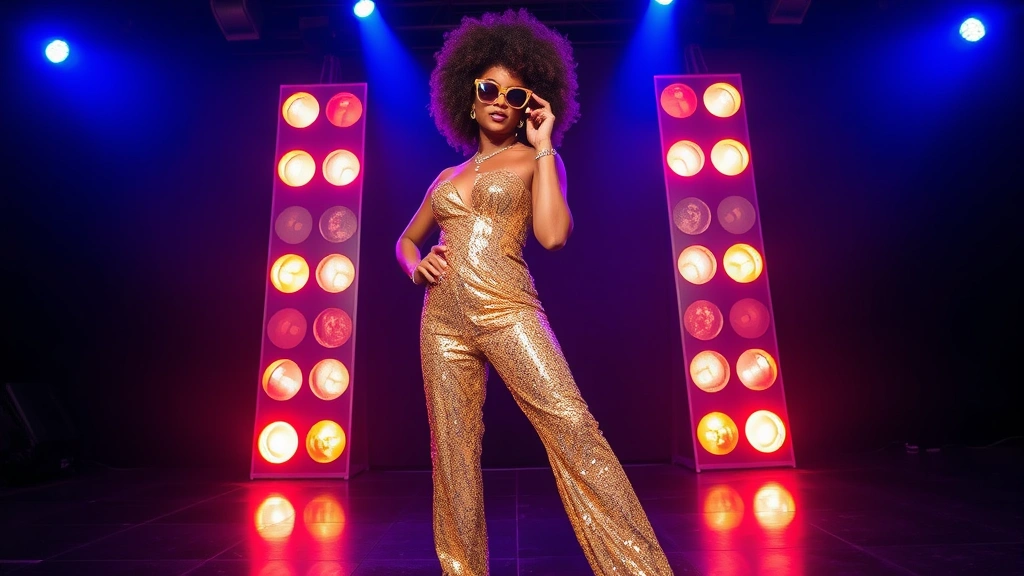
The Sequined Jumpsuit: Perhaps the most iconic Soul Train look, the sequined or rhinestone-embellished jumpsuit epitomized glamour. These one-piece wonders, often in metallic gold, silver, or jewel tones, were worn by performers and audience members alike. The jumpsuit represented confidence, femininity, and celebration simultaneously.
The Afro and Natural Hair Movement: Soul Train became synonymous with celebrating natural Black hair. Large, beautifully maintained afros became a symbol of Black pride and cultural identity. This represented a radical departure from the straightened, Eurocentric hairstyles that had previously dominated beauty standards.
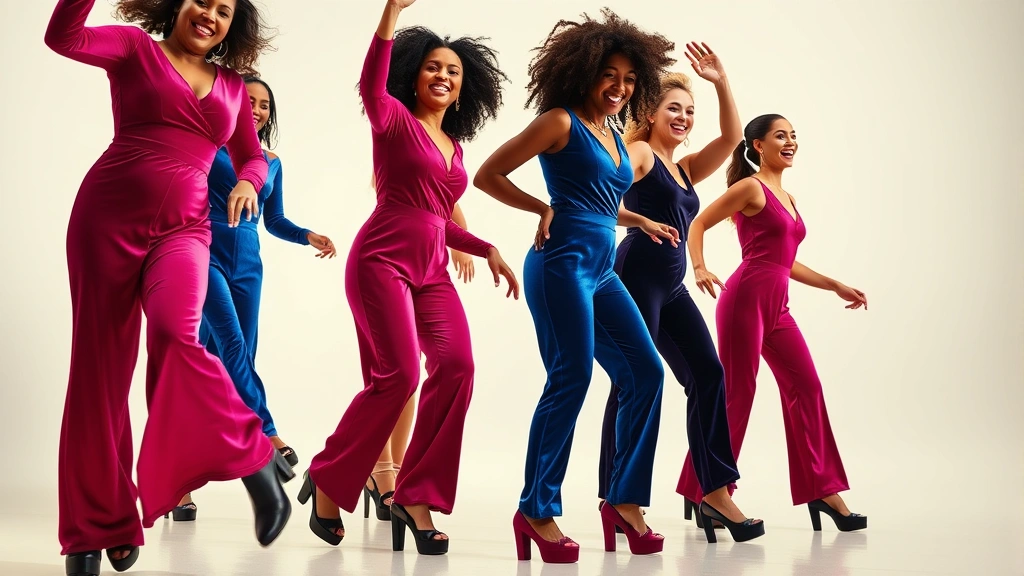
Velvet Everything: Velvet jumpsuits, velvet pants, and velvet jackets created a sensuous, luxurious aesthetic. The fabric’s rich texture and light-reflecting properties made dancers appear to glow under the studio lights. Jewel-tone velvets were particularly popular.
The Wide-Collar Shirt: Large, dramatic collars became a signature element. Whether worn as part of a complete outfit or layered over other garments, these collars made bold statements. Often made from silk or satin, they added drama and dimension to any look.
Platforms and Boots: Platform boots, often in leather with stacked heels reaching four to six inches, became iconic. These weren’t subtle shoes; they commanded attention and changed the way dancers moved, creating more dramatic, grounded movements.
Metallic and Holographic Fabrics: Futuristic metallic fabrics and early holographic materials represented the optimistic, forward-looking nature of Soul Train fashion. These materials caught light in spectacular ways and represented technological progress and innovation.
Influence on Modern Fashion
The influence of Soul Train fashion extends far into contemporary style. Modern designers, from high fashion to streetwear, continue to draw inspiration from this iconic era. The Soul Train aesthetic continues to inspire new generations of fashion enthusiasts.
Contemporary Fashion Nova dresses and other modern brands frequently reference Soul Train silhouettes and aesthetics. The jumpsuit, in particular, has experienced a major resurgence in recent years, with designers creating modern interpretations of this classic piece. Platforms have returned to prominence, and bold, saturated colors remain fashionable.
High fashion houses have also acknowledged Soul Train’s influence. Luxury designers have created collections inspired by the era, featuring platform shoes, wide-leg silhouettes, and bold colors. This mainstream recognition validates what Soul Train established decades ago: that Black style is sophisticated, desirable, and timeless.
The democratization of fashion that Soul Train pioneered continues today through social media and digital platforms. Just as Soul Train allowed anyone to showcase their style on national television, Instagram and TikTok enable people to build fashion followings and influence trends. The principle remains the same: fashion is for everyone, and individual expression is valuable.
Additionally, the cultural pride expressed through Soul Train fashion continues to resonate. Contemporary designers celebrate African heritage through prints, textiles, and design elements. The natural hair movement, which Soul Train championed decades ago, remains strong and celebrated in modern fashion and beauty industries.
How to Incorporate Soul Train Fashion Today
Soul Train fashion offers timeless inspiration for modern wardrobes. Here’s how to incorporate these iconic elements into contemporary style:
Invest in Quality Platforms: A good pair of platform shoes—whether boots, sneakers, or heels—instantly channels Soul Train energy. Modern platforms are more comfortable and refined than their 1970s counterparts while maintaining that signature elevated aesthetic. Look for leather, suede, or innovative materials.
Embrace Jumpsuits: Modern jumpsuits come in endless variations. Choose jewel tones, metallic fabrics, or bold prints for a Soul Train-inspired look. A well-fitted jumpsuit is versatile, flattering, and makes an undeniable style statement. Pair it with platforms and minimal jewelry for maximum impact.
Play with Bold Colors: Don’t be afraid of vibrant, saturated colors. Hot pink, electric blue, and deep purple are timeless. Create monochromatic outfits or bold color-blocking combinations. Remember that Soul Train style celebrated color as an expression of joy and confidence.
Incorporate Metallic Fabrics: Add shimmer and shine through metallic tops, pants, or accessories. Sequins, metallics, and shiny fabrics catch light beautifully and evoke that glamorous Soul Train aesthetic. A metallic jacket or top can elevate even casual outfits.
Celebrate Natural Hair: Whether you wear your natural hair in an afro, braids, twists, or other natural styles, embrace it confidently. The natural hair movement that Soul Train championed remains powerful and beautiful. Invest in quality hair care products and celebrate your natural texture.
Explore Afrocentric Design: Incorporate African prints, patterns, and designs into your wardrobe. Kente cloth, mudcloth, and other traditional patterns are increasingly available from both independent designers and mainstream brands. These elements celebrate cultural heritage while creating visually striking outfits.
Layer with Confidence: Soul Train style often involved layering—oversized collars, jackets over jumpsuits, vests over shirts. Don’t shy away from layering different textures and colors. This creates dimension and visual interest.
Accessorize Boldly: Oversized sunglasses, chunky jewelry, and statement accessories complete Soul Train looks. A great pair of sunglasses, layered necklaces, or bold earrings can transform an outfit. Remember that accessories should be visible and confident.
For more style inspiration, explore our guide on how to find your personal style, which incorporates timeless principles from iconic movements like Soul Train. You might also benefit from learning about best fashion documentaries you need to watch, many of which feature Soul Train content and analysis.
If you’re interested in fashion professionally, understanding Soul Train’s influence is essential. Consider exploring fashion design degree programs that teach fashion history and cultural context, as understanding movements like Soul Train is crucial for contemporary designers.
Soul Train fashion continues to influence contemporary style through its emphasis on individuality, cultural pride, and democratic expression. The movement proved that fashion doesn’t need to come from Paris runways or exclusive design houses to be meaningful and influential. Instead, fashion’s most powerful moments often emerge from communities celebrating their identity and expressing their creativity.
The legacy of Soul Train extends beyond specific garments or trends. It established principles that remain relevant today: fashion should be accessible, inclusive, and celebratory. Style is a form of self-expression and cultural assertion. Black aesthetics deserve recognition and respect. These principles continue to shape how we think about fashion and style in the twenty-first century.
FAQ
What years did Soul Train air?
Soul Train premiered on October 2, 1971, and continued broadcasting until 2006, making it one of the longest-running syndicated television programs in American history. The show’s original run lasted from 1971 to 1981, with revivals and specials continuing for decades afterward.
Who created Soul Train?
Don Cornelius created and hosted Soul Train. His vision of creating a platform celebrating Black music, dance, and culture revolutionized television and established a space where Black artists and audiences could be celebrated and showcased to national audiences.
What are the key elements of Soul Train fashion?
Key elements include platform shoes, wide-leg pants and bell-bottoms, glamorous jumpsuits, bold colors, luxurious fabrics like velvet and sequins, afrocentric designs, oversized accessories, and celebration of natural hair. These elements combined to create an instantly recognizable, iconic aesthetic.
How does Soul Train fashion influence modern style?
Contemporary designers continue to reference Soul Train silhouettes, particularly jumpsuits and platform shoes. The movement’s emphasis on bold colors, accessible fashion, and cultural pride remains influential. Luxury brands have created collections inspired by the era, and street style continues to incorporate Soul Train elements.
Can I wear Soul Train fashion today without it looking costume-like?
Absolutely. Modern interpretations of Soul Train elements are sophisticated and wearable. A well-fitted jumpsuit in a contemporary cut, quality platform shoes, and bold accessories create a stylish, current look inspired by Soul Train rather than a costume. The key is choosing well-made pieces and wearing them with confidence.
Where can I find Soul Train-inspired clothing?
Contemporary brands, vintage shops, thrift stores, and luxury designers all offer pieces inspired by Soul Train fashion. Platforms, jumpsuits, and bold colors are readily available from mainstream retailers. For authentic vintage pieces, search specialty vintage boutiques or online vintage retailers.
What’s the cultural significance of Soul Train fashion?
Soul Train fashion represented Black pride, cultural celebration, and democratic style expression during a pivotal moment in American history. It challenged Eurocentric beauty standards, validated Black creativity, and proved that fashion emerging from Black communities was worthy of recognition and celebration on national platforms.