Smoked Old Fashioned Recipe: Mixologist’s Guide
The smoked old fashioned has become the signature cocktail of sophisticated entertaining, blending timeless elegance with modern mixology techniques. This elevated twist on the classic old fashioned introduces aromatic smoke that transforms a simple whiskey cocktail into a sensory experience worthy of high-end bars and refined home entertaining. Whether you’re hosting an intimate gathering or perfecting your bartending craft, mastering this smoked old fashioned recipe will establish you as a style-conscious host who understands the intersection of tradition and contemporary flair.
Smoking cocktails represents more than just a trendy technique—it’s a statement about your commitment to excellence and attention to detail. Much like curating a sophisticated fashion style guide, crafting the perfect smoked old fashioned requires understanding fundamental principles while adding your personal signature. The smoky depth complements premium whiskey beautifully, creating complexity that lingers long after the last sip, making it the perfect choice for those who appreciate refined experiences.
Understanding the Classic Old Fashioned Foundation
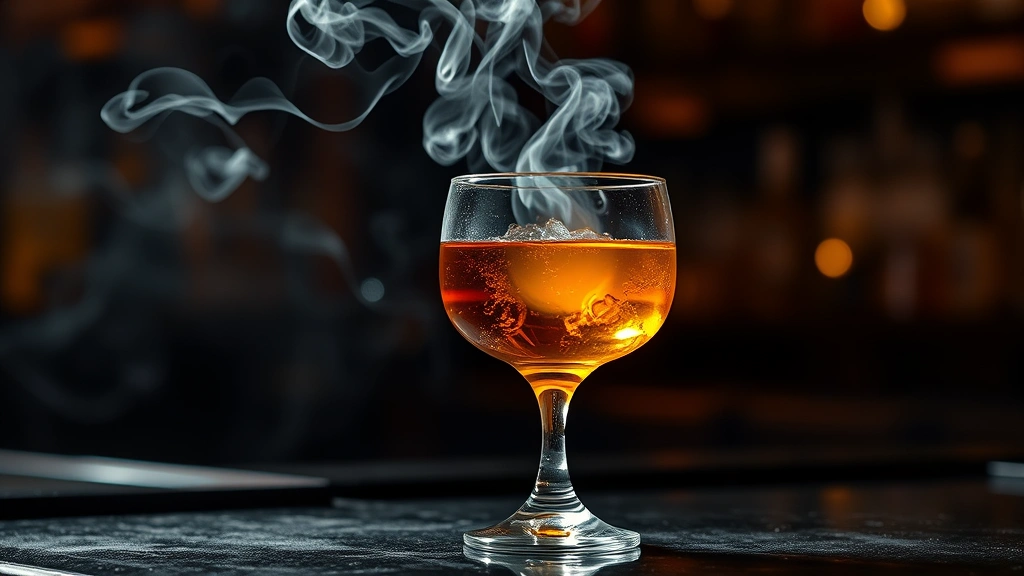
The old fashioned stands as one of cocktail history’s most enduring creations, dating back to the 1880s at the Pendennis Club in Louisville, Kentucky. This timeless drink embodies the principle of simplicity elevated through quality ingredients and precise technique. The traditional formula—whiskey, sugar, bitters, and ice—creates a balanced foundation that allows premium spirits to shine. When you understand this classic structure, you’re equipped to enhance it thoughtfully rather than overshadow its essential character.
The beauty of the old fashioned lies in its restraint. Unlike elaborate cocktails requiring numerous ingredients, this drink respects the whiskey as the star performer. The sugar dissolves into a subtle sweetness that rounds the spirit’s edges, while featured on style blogs constantly, the aromatic bitters provide complexity that makes each sip interesting. Adding smoke to this foundation requires a delicate touch—you want to enhance, not dominate the whiskey’s natural characteristics.
Professional mixologists recognize that mastering the old fashioned demonstrates fundamental bartending skill. The drink demands proper technique: appropriate dilution through ice, correct proportions, and thoughtful stirring. These aren’t arbitrary rules but rather guidelines developed through decades of refinement. When you add smoking techniques, you’re building upon this established excellence, much like how understanding different fashion types allows you to create more sophisticated personal style combinations.
Essential Equipment for Smoking Cocktails
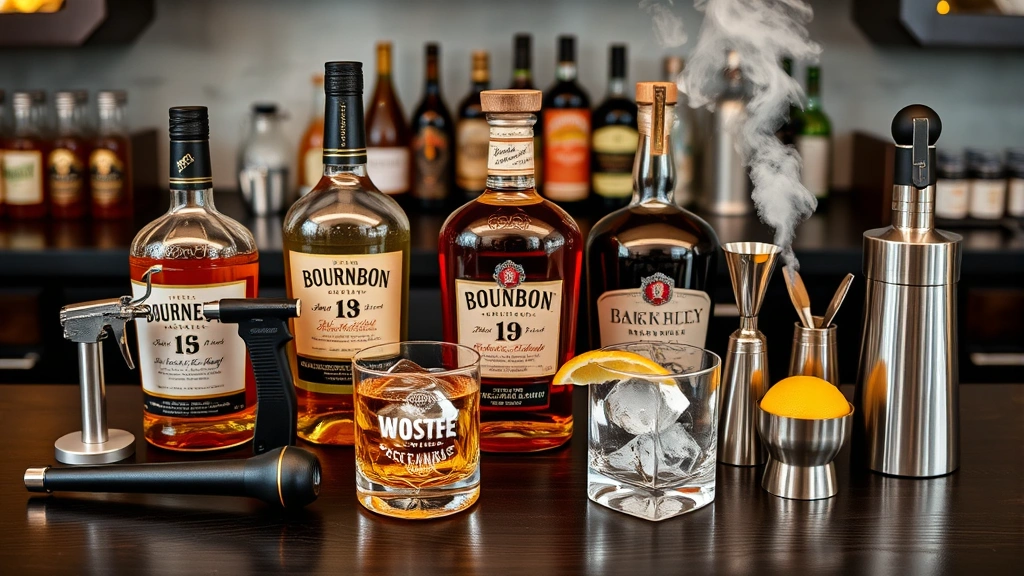
Smoking cocktails at home requires surprisingly minimal equipment, though quality matters significantly. The most accessible method uses a smoking gun—a handheld device that generates smoke from wood chips, herbs, or tea. Premium smoking guns like those from ISI offer temperature control and consistent smoke production, though quality alternatives exist at various price points. If you prefer a more theatrical presentation, a traditional smoking cloche (a glass dome that traps smoke around the glass) creates an impressive visual effect when your guests arrive.
Beyond the smoking device itself, you’ll need quality glassware—preferably a rocks glass with substantial weight that feels luxurious in hand. The glass should hold at least 8 ounces comfortably, allowing room for large ice cubes that melt slowly and maintain proper dilution. Invest in a Lewis bag or quality ice maker that produces clear, large cubes rather than small ones that melt too quickly. This attention to detail in presentation reflects the same philosophy as finding your personal style—excellence emerges from thoughtful choices.
Additional essential tools include a jigger for accurate measurement, a bar spoon for proper stirring technique, and a Hawthorne strainer. A quality citrus peeler creates elegant twists for garnish, while a cutter specifically designed for large format peels ensures professional presentation. Many mixologists also use a smoking box—a wooden or stainless steel container that captures smoke efficiently, allowing you to prepare the cocktail inside the aromatic environment for more subtle infusion.
The Complete Smoked Old Fashioned Recipe
Ingredients:
- 2 ounces premium whiskey (bourbon or rye)
- 1 sugar cube or ½ teaspoon superfine sugar
- 2-3 dashes Angostura bitters
- Large ice cube or sphere
- Orange peel for garnish and expression
- Cherry (optional, though traditional)
- Smoke source (wood chips, tea, or herbs)
Preparation Method:
- Place sugar cube in your rocks glass
- Add 2-3 dashes of Angostura bitters directly onto the sugar
- Add a small splash of water (approximately ¼ ounce)
- Gently muddle the sugar until mostly dissolved, creating a light paste
- Add your large ice cube to the glass
- Pour the whiskey slowly over the ice
- Stir for approximately 30 seconds to achieve proper dilution and temperature
- Express orange peel oils over the drink by twisting over the glass
- Place the orange peel as garnish
- Apply smoke using your chosen smoking method, holding the glass within the smoke for 15-20 seconds
- Serve immediately and encourage your guest to inhale the aroma before tasting
This recipe serves one person and represents the standard proportion that professional bartenders use. The key to success lies in not rushing any step—each element contributes to the final experience. The slow stir allows ice to dilute the whiskey gradually, creating the proper mouthfeel and temperature. The smoke application happens last, ensuring maximum aromatic impact without the smoke dissipating before consumption.
Smoking Techniques and Wood Selection
The smoke you select dramatically influences your smoked old fashioned’s final character. Different woods impart distinct flavor profiles that should complement rather than overwhelm your chosen whiskey. Oak smoke, the most traditional choice, adds subtle vanilla and caramel notes that enhance bourbon’s natural characteristics. Hickory provides a stronger, slightly smoky flavor appropriate for those who prefer bold presentations. Cherry wood smoke introduces mild sweetness, while applewood offers gentle fruitiness that works beautifully with rye whiskeys.
Professional mixologists often experiment with unconventional smoke sources to create signature cocktails. Burning dried herbs like rosemary, thyme, or sage introduces aromatic complexity. Tea smoke—particularly using lapsang souchong, a naturally smoky black tea—provides sophisticated depth without aggressive flavor. Some innovative bartenders combine smoking materials; for example, oak chips mixed with dried orange peel creates a balanced smoke that complements citrus garnishes perfectly.
The smoking technique itself requires practice to achieve consistency. When using a smoking gun, load it with your chosen material and follow the device’s instructions for ignition. Direct the smoke into your glass or smoking cloche, allowing it to fill completely before serving. The duration matters significantly—15 to 20 seconds produces subtle enhancement, while 30+ seconds creates more pronounced smokiness. Many bartenders recommend testing with shorter durations initially, as smoke intensity is easier to increase than decrease.
Temperature considerations affect smoke character meaningfully. Cold smoke (below 90°F) produces lighter, more aromatic smoke, while hot smoke (above 200°F) creates heavier, more pronounced flavors. For the smoked old fashioned, cold smoke typically produces more elegant results, allowing the whiskey and smoke to coexist harmoniously. This principle of balance mirrors how fashion influencers combine statement pieces with classic foundations—the goal is enhancement through restraint.
Whiskey Selection and Pairing Strategies
Your whiskey choice fundamentally shapes the smoked old fashioned experience. Bourbon—with its required minimum 51% corn content and vanilla-forward profile—pairs beautifully with smoke, as the caramel sweetness complements aromatic depth. Look for bourbons in the 90-100 proof range; they offer sufficient body to stand up to smoke without requiring excessive alcohol burn. Excellent choices include Buffalo Trace, Maker’s Mark, or Four Roses Small Batch, which provide reliable quality at accessible price points.
Rye whiskey offers an alternative that appeals to those preferring spicier, more complex spirits. Rye’s natural pepper and spice notes create intriguing interplay with wood smoke, particularly when using applewood or cherry smoke. Premium ryes like Rittenhouse or Sazerac create sophisticated versions that appeal to whiskey enthusiasts. Some bartenders prefer high-rye bourbons—bourbons containing elevated rye percentages in their mash bills—as a middle ground combining bourbon’s approachability with rye’s complexity.
Single malt Scotch whisky presents an interesting option for adventurous cocktail enthusiasts. Smoky Scotches from Islay already contain peat smoke, creating layered complexity when combined with wood smoke. However, this requires careful balance to avoid overwhelming the drink. Lighter Scotches from Speyside or Highland regions work better for most drinkers, allowing the smoking technique to shine without competing with existing smokiness.
Avoid using your most premium bottles for cocktails; instead, select quality mid-range whiskeys that showcase good character without waste. Many excellent whiskeys at $30-50 price points provide superior cocktail performance compared to ultra-premium bottles optimized for neat sipping. This practical wisdom applies broadly—much like understanding fashion trends across age groups, smart entertaining means matching tools appropriately to their purpose.
Garnish Elegance and Presentation
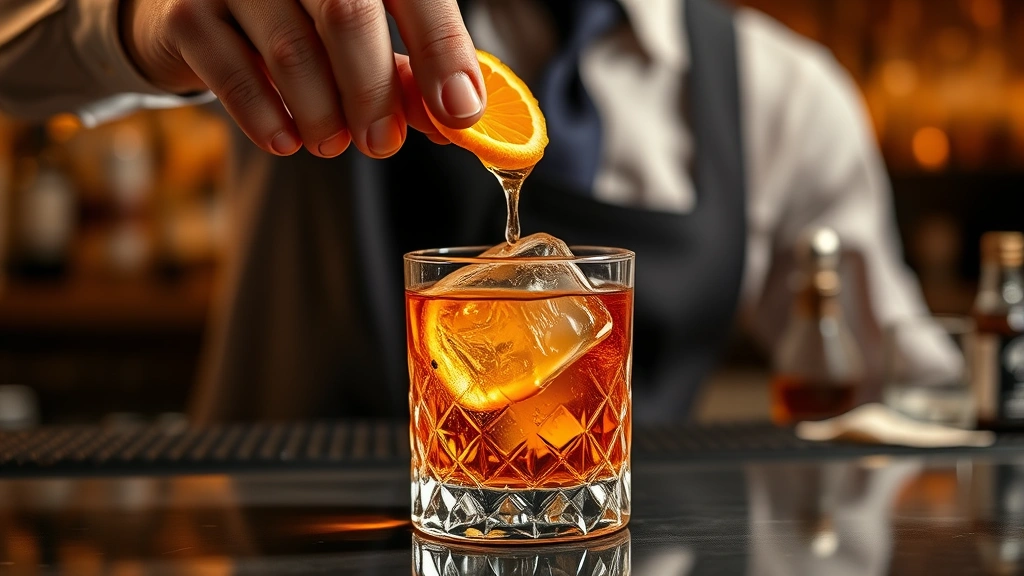
Garnishes in the smoked old fashioned serve functional and aesthetic purposes simultaneously. The orange peel contributes essential oils that add aromatic complexity, while visually signaling quality and attention to detail. Express the peel oils by twisting it over the drink, allowing the citrus oils to spray across the surface and mist the smoke. This technique creates aromatic layers that enhance the tasting experience significantly.
Traditional recipes include a cherry garnish, typically a luxardo maraschino cherry, which adds slight sweetness and visual interest. Modern mixologists often omit the cherry, viewing it as dated, though quality versions absolutely belong in contemporary cocktails. If using a cherry, select premium versions; standard maraschino cherries contain excessive sugar and artificial flavoring that detracts from the drink’s sophistication.
Ice presentation matters more than many casual drinkers realize. Large, clear ice cubes melt slowly, maintaining proper dilution throughout consumption. They also create impressive visual impact, suggesting quality and professionalism. If you lack access to large ice cube molds, large ice spheres provide similar benefits while creating distinctive aesthetics. The ice should occupy most of the glass, with minimal space for the liquid—this proportion ensures proper temperature maintenance and professional appearance.
Some contemporary bartenders add smoked ice cubes—ice frozen with smoke trapped inside—for extended aromatic impact. Creating smoked ice requires advance preparation but impresses guests considerably. Fill ice molds partially with water, apply smoke to the partial ice, then top with additional water before freezing. When the ice melts during consumption, it releases subtle smoke throughout the drink’s duration.
Hosting with Style: Cocktail Culture
Serving smoked old fashioneds transforms ordinary entertaining into memorable experiences. The theatrical smoke presentation creates conversation starters and demonstrates sophistication to your guests. Prepare your workspace thoughtfully—ensure you have adequate ventilation so smoke doesn’t become oppressive, and arrange your tools logically for efficient preparation. This organizational approach reflects the same principles that guide understanding different fashion types and how to coordinate them effectively.
Timing matters significantly when smoking cocktails for multiple guests. Prepare the base cocktail first, then apply smoke immediately before serving. If preparing multiple drinks, consider preparing bases ahead while smoking each drink individually to ensure maximum aromatic impact. This approach maintains quality while allowing you to engage with guests rather than spending entire evenings behind the bar.
Create an inviting bar setup that encourages conversation. Display your whiskey bottles, ice, and tools visibly, allowing guests to appreciate your equipment and ingredients. Many people enjoy learning about your smoking wood choices and whiskey selection—these details reveal the thoughtfulness behind your entertaining. This transparency builds connection, much like how personal style reflects authentic self-expression rather than mere trend-following.
Consider offering whiskey education alongside your cocktails. Brief explanations about why you selected specific bourbons or ryes, or how different smoke sources create distinct characters, elevate the experience beyond simple drink service. Many guests appreciate learning about craft cocktail techniques, and your expertise positions you as a knowledgeable host who takes entertaining seriously.
Pairing smoked old fashioneds with appropriate foods enhances the overall experience. Rich appetizers like aged cheddar, smoked salmon, or beef carpaccio complement the cocktail’s smoky depth beautifully. Charcuterie boards featuring cured meats and nuts provide textural variety that prevents palate fatigue. Avoid overly sweet desserts immediately after cocktails; instead, save sweets for after the drinking portion concludes.
FAQ
What’s the difference between a regular old fashioned and a smoked old fashioned?
The fundamental recipe remains identical—whiskey, sugar, bitters, and ice—but the smoked version incorporates aromatic smoke applied after preparation. This smoke adds sensory complexity without altering the core flavor profile. The classic old fashioned emphasizes whiskey’s natural character, while the smoked version layers additional aromatic dimensions that create more complex tasting experiences.
Can I make a smoked old fashioned without a smoking gun?
Yes, though smoking guns provide the most accessible method. Alternative approaches include burning wood chips in a small metal container and directing smoke into a glass with a smoking cloche, or using a traditional smoking box. Some bartenders create makeshift smoking devices using aluminum foil cones, though dedicated equipment produces superior results. The investment in a quality smoking gun remains reasonable for anyone serious about cocktail preparation.
Which whiskey works best for smoked old fashioneds?
Bourbon generally provides the most approachable option, as its vanilla-forward profile complements smoke beautifully. Mid-range bourbons in the 90-100 proof range offer ideal balance. Rye whiskey creates more complex versions for experienced drinkers, while high-rye bourbons provide middle-ground options. Avoid ultra-premium bottles; instead, select quality mid-range whiskeys that perform excellently in cocktails.
How long does the smoke flavor last in the cocktail?
Smoke intensity decreases gradually as you consume the drink. The initial sips provide maximum aromatic impact, while later sips feature more subtle smoke presence as aromatic compounds dissipate. The smoke doesn’t flavor the liquid itself but rather creates aromatic layers that enhance perception. This is why serving immediately after smoking application proves essential—you want guests to experience maximum impact from the first sip.
What wood smoke pairs best with bourbon?
Oak smoke represents the most traditional choice, adding vanilla and caramel notes that enhance bourbon’s natural characteristics. Hickory provides stronger, more pronounced smokiness for bold presentations. Cherry and applewood offer gentler alternatives with subtle sweetness. Many bartenders recommend starting with oak to understand baseline smoke-whiskey interaction, then experimenting with alternatives as your palate develops.
Is the cherry necessary in a smoked old fashioned?
Traditional recipes include a cherry, though modern mixology often omits it. Quality versions absolutely belong, but standard maraschino cherries contain excessive sugar and artificial flavoring. If including a cherry, invest in premium luxardo maraschino cherries. Ultimately, this represents personal preference—serve it the way you find most appealing and invite guests to customize their drink to their preferences.