Revamp Your Wardrobe: Sixties Fashion Men Tips
The 1960s remain one of the most influential decades in men’s fashion history, offering a rich tapestry of styles that continue to inspire modern wardrobes. From the sharp tailoring of the early decade to the bold, experimental silhouettes that emerged by the late sixties, this era fundamentally transformed how men approached personal style. Whether you’re drawn to the clean-cut aesthetic of the Mod movement, the psychedelic boldness of the counterculture, or the sophisticated elegance of classic suiting, sixties fashion for men provides endless inspiration for contemporary style.
Today’s menswear enthusiasts are rediscovering the timeless appeal of sixties fashion, recognizing that the decade’s key principles—confidence, individuality, and thoughtful tailoring—remain as relevant as ever. This comprehensive guide will help you authentically integrate sixties fashion elements into your modern wardrobe, creating a look that’s both nostalgic and utterly current. Whether you’re building your first vintage-inspired collection or refining an existing aesthetic, understanding the nuances of sixties menswear is essential to achieving that perfect retro-forward style.
Understanding the Sixties Fashion Timeline
The 1960s fashion landscape evolved dramatically throughout the decade, creating distinct style movements that appeal to different sensibilities. The early sixties maintained strong connections to the refined tailoring of the previous decade, with men favoring well-constructed suits, narrow lapels, and conservative color choices. However, as the decade progressed, particularly from the mid-sixties onward, fashion became increasingly experimental and youth-driven.
The British Mod movement emerged as a revolutionary force in sixties menswear, emphasizing sharp tailoring, skinny ties, and bold color combinations. Simultaneously, the American counterculture began embracing looser silhouettes, vibrant patterns, and psychedelic aesthetics. Understanding these distinct movements helps you make informed choices about which sixties fashion elements align with your personal style. Explore more about how to find your personal style to determine which era and aesthetic resonates most with you.
The transition from early to late sixties fashion represents a broader cultural shift from conformity to individuality. Early sixties men’s fashion prioritized precision and polish, while late sixties fashion celebrated experimentation and self-expression. This evolution makes the decade particularly rich for contemporary style inspiration, as you can cherry-pick elements from various movements to create a uniquely personal aesthetic.
Essential Silhouettes and Cuts
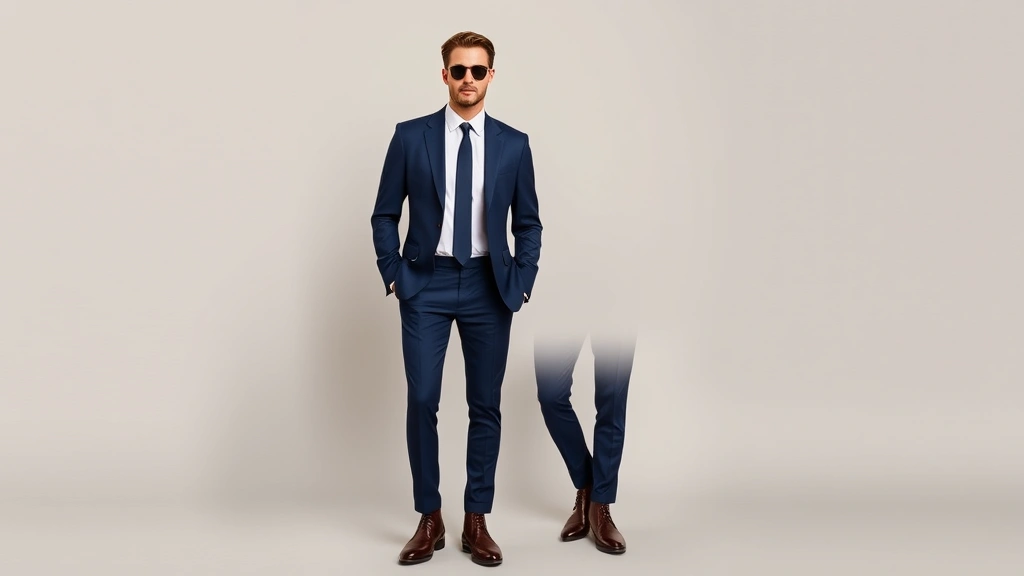
Mastering sixties silhouettes is fundamental to authentically revamping your wardrobe with this iconic decade’s aesthetic. The mod suit, characterized by its slim-fitting jacket with narrower lapels and a shorter hemline, represents one of the most recognizable sixties shapes. These suits typically featured two or three buttons and clean, minimalist construction. The trousers accompanying mod suits were tapered, creating a streamlined silhouette that emphasized the wearer’s frame.
Beyond suits, the sixties introduced several other important silhouettes worth incorporating into your wardrobe. The nehru jacket, inspired by Indian formal wear, offered a collarless alternative that became increasingly popular as the decade progressed. The Beatle jacket, popularized by the famous Liverpool band, featured a distinctive rounded collar and became synonymous with sixties British fashion. These alternatives to traditional tailoring allowed men to express personality while maintaining sophistication.
Casual wear in the sixties featured looser, more relaxed cuts compared to formal pieces. Bowling shirts with their distinctive camp collar and boxy fit became iconic casual pieces, while henley shirts and simple crew-neck tees formed the foundation of everyday style. Understanding how these silhouettes work with your body type ensures you can authentically incorporate sixties fashion without sacrificing comfort or modern sensibility. Visit our fashion style guide for additional insights on silhouette selection.
Color Palettes and Patterns
Color usage in sixties menswear varied dramatically depending on the specific movement and year. Early sixties fashion maintained traditional color restraint, favoring navy, charcoal, black, and muted earth tones. However, the mid-to-late sixties embraced bolder chromatic choices. Mustard yellow, burnt orange, avocado green, and teal appeared frequently in both formal and casual pieces, reflecting the decade’s growing cultural optimism and experimental spirit.
Patterns became increasingly prominent as the sixties progressed, with houndstooth, herringbone, and subtle checks dominating early decade menswear. The psychedelic movement introduced more daring patterns—geometric prints, paisley designs, and abstract florals—that challenged conventional masculinity. Paisley ties, patterned shirts, and geometric print fabrics became acceptable for fashion-forward men, marking a significant departure from previous decades’ conservative approach.
The key to successfully incorporating sixties color and pattern is understanding context and proportion. Monochromatic early-sixties looks work beautifully for professional settings, while bolder color combinations and patterns suit creative environments and casual occasions. Mixing patterns—such as pairing a striped shirt with a patterned tie—was acceptable in sixties fashion when done with intentionality. Understanding different types of fashion helps you determine which color approaches suit various contexts.
Building Your Sixties-Inspired Wardrobe Foundation
Creating an authentic sixties-inspired wardrobe requires strategic foundational pieces that can be mixed, matched, and layered effectively. Begin with a well-fitted mod suit in navy or charcoal—this single piece serves as your anchor, providing versatility across professional and elevated casual occasions. Choose a suit with moderately slim lapels and a shorter jacket length (approximately mid-hip) to capture authentic sixties proportions without looking costumey.
Next, invest in quality plain-front trousers in neutral colors—navy, gray, black, and even a sophisticated burgundy. Sixties trousers featured a subtle taper through the leg, creating a streamlined silhouette. Modern tailors can achieve this proportion while maintaining contemporary comfort. Aim for a slight break at the shoe—not a dramatic puddle, but enough fabric to create elegant proportions.
Build your shirt collection with essential basics including white dress shirts with moderate collar points, plain crew-neck t-shirts in neutral colors, and striped or subtle patterned shirts suitable for layering. The mod aesthetic relied heavily on quality basics worn with intentionality. Add a few statement pieces—perhaps a paisley or geometric print shirt for bolder occasions—but ensure your foundation consists primarily of versatile basics.
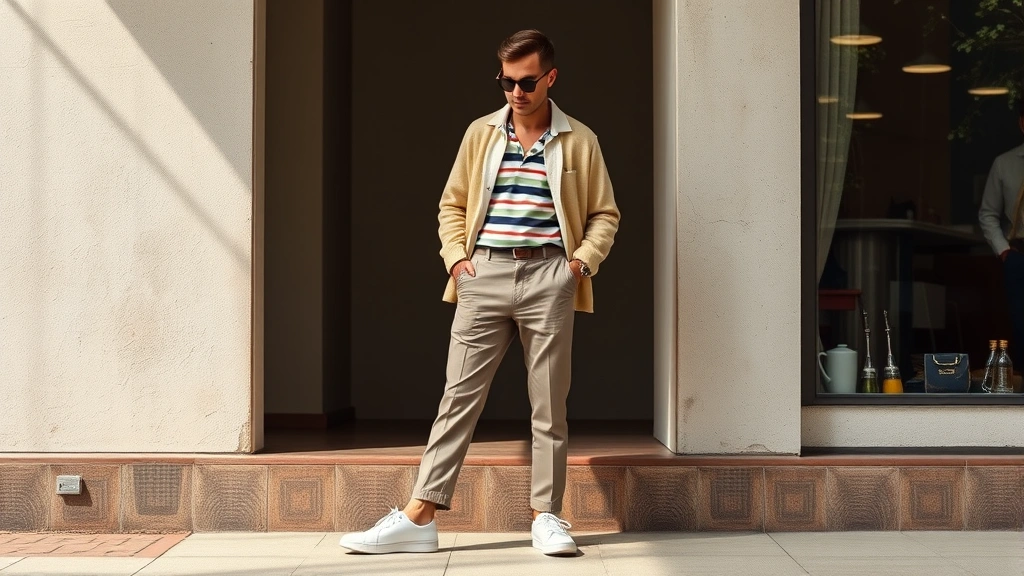
Layering pieces are essential to sixties style. A slim-fitting cardigan or lightweight sweater in neutral tones works beautifully over dress shirts or casual tees. The V-neck sweater, worn over a collared shirt with the collar visible, represents quintessential sixties styling. Consider adding a slim-fitting windbreaker or lightweight jacket in a subtle color to expand your layering options. Learn more about building a cohesive wardrobe by visiting our StyleLoom Daily Blog for comprehensive style advice.
Footwear That Defines the Decade
Shoes played a crucial role in defining sixties menswear aesthetics, with specific styles becoming iconic markers of the era. The Chelsea boot, with its elastic side panels and streamlined silhouette, became emblematic of British Mod culture. These boots worked beautifully with slim-fitting trousers, creating clean vertical lines. Modern Chelsea boots maintain this essential aesthetic while incorporating contemporary comfort technology.
Oxford shoes remained popular throughout the sixties, though sixties versions featured slightly sleeker proportions than their predecessors. Loafers, particularly the penny loafer, offered a more casual alternative suitable for weekend wear and smart-casual occasions. The Beatle boot, similar to the Chelsea but with a higher shaft, provided another iconic option that works beautifully with both dress trousers and jeans.
For casual wear, simple canvas sneakers in white or neutral colors captured the era’s relaxed aesthetic. The sixties saw sneakers transition from purely athletic footwear to acceptable casual wear, particularly among younger men embracing counterculture aesthetics. Clean, minimalist sneakers without excessive branding align perfectly with authentic sixties style.
Avoid overly chunky modern sneakers or athletic shoes with excessive cushioning, as these compromise the clean lines essential to sixties fashion. Instead, seek shoes with streamlined silhouettes and minimal visual bulk. The overall goal is creating elegant proportions from head to toe, ensuring your footwear complements rather than overwhelms your outfit.
Accessories and Details That Matter
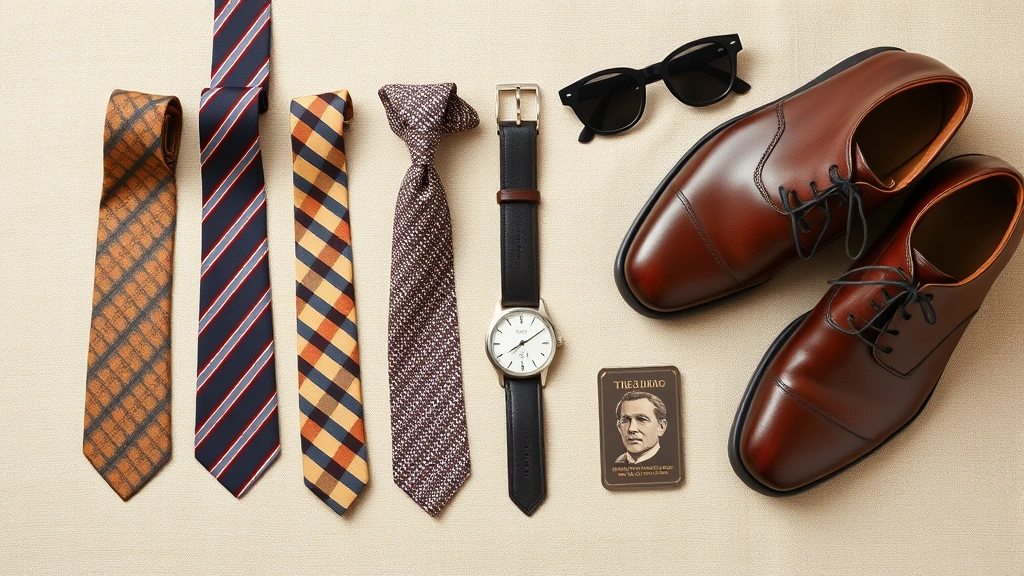
Accessories in sixties fashion served functional purposes while making important style statements. Narrow ties in solid colors, stripes, or subtle patterns were essential for formal and business wear. Sixties ties featured narrower widths (approximately 2-2.5 inches) compared to modern standard widths. The tie knot remained relatively small and compact, emphasizing the overall streamlined aesthetic. Explore our comprehensive fashion accessories guide for detailed information about styling with period-appropriate pieces.
Belts were typically narrow leather styles in black, brown, or occasionally bold colors for fashion-forward looks. The buckle remained understated, allowing the overall outfit composition to take precedence. Pocket squares and tie clips added refinement to formal ensembles, though these accessories were worn with restraint and sophistication rather than as statement pieces.
Watches deserve particular attention when revamping your wardrobe with sixties inspiration. Sleek, minimalist watches with clean faces and simple leather or metal bands complement the era’s aesthetic perfectly. Avoid oversized contemporary watches with complicated dials, as these contradict sixties style principles of refined simplicity.
Sunglasses represent another crucial accessory for capturing sixties aesthetics. Wayfarer-style frames with their distinctive trapezoidal shape became iconic during this period. Oversized square frames also gained popularity, particularly among those embracing more experimental fashion. These frames work beautifully with modern faces while maintaining authentic period appeal.
Hats, though less commonly worn casually by the late sixties, remained important for certain occasions. Flat caps and newsboy caps offered refined options for smart-casual wear, while fedoras appeared in more formal contexts. The key is wearing these accessories with confidence and intentionality rather than as costume elements.
Modern Integration Strategies
Successfully integrating sixties fashion into a contemporary wardrobe requires thoughtful strategy that honors the era’s aesthetic principles while maintaining modern relevance. Rather than adopting a complete sixties costume, selective integration creates an authentic, wearable style that feels personal and current. Begin by identifying which sixties movements resonate most with your sensibilities—whether that’s the sharp sophistication of early-sixties tailoring, the youthful energy of Mod culture, or the experimental boldness of late-sixties counterculture.
One effective approach involves anchoring outfits with modern pieces while incorporating sixties elements strategically. For example, pair a contemporary slim-fitting blazer with sixties-inspired narrow trousers and a period-appropriate tie. This combination honors sixties proportions while maintaining modern sensibility. Alternatively, wear modern casual basics with sixties-inspired layering pieces or accessories, allowing the vintage elements to subtly inform your overall aesthetic.
Mixing sixties pieces with contemporary fashion works particularly well when you maintain visual coherence through color and proportion. A sixties-inspired suit pairs beautifully with modern shoes and contemporary accessories, creating a look that feels both timeless and current. The key is ensuring all elements work together harmoniously rather than appearing as disparate vintage references.
Consider your lifestyle and environment when determining how extensively to incorporate sixties fashion. Professional settings may warrant more conservative approaches using subtle sixties influences like tailored proportions and refined color choices. Creative industries and casual social contexts allow for bolder experimentation with patterns, colors, and statement pieces. Understanding context ensures your sixties-inspired style remains appropriate and confident.
Sustainability represents another compelling reason to embrace sixties fashion principles. The era’s emphasis on quality tailoring and timeless design means vintage sixties pieces often outlast contemporary fast-fashion alternatives. Investing in well-made vintage or vintage-inspired pieces aligns with contemporary values while delivering authentic style. Many contemporary designers create new pieces inspired by sixties aesthetics, offering sustainable alternatives to actual vintage shopping.
FAQ
What are the most essential sixties fashion pieces for beginners?
Start with a well-fitted navy or charcoal mod suit, quality white dress shirts, neutral trousers with a subtle taper, and Chelsea boots. These foundational pieces work across multiple occasions and provide versatile bases for building a sixties-inspired wardrobe. Add layering pieces like cardigans or lightweight sweaters to expand styling options.
How do I avoid looking like I’m wearing a costume?
Focus on proportions and quality rather than exact reproduction. Modern versions of sixties-inspired pieces incorporate contemporary comfort while maintaining authentic aesthetics. Mix sixties elements with modern basics, and avoid wearing head-to-toe vintage outfits unless attending specific themed events. Let sixties fashion inform your style rather than completely define it.
Are sixties fashion trends suitable for professional environments?
Absolutely. Early sixties fashion was inherently professional, featuring refined tailoring and conservative color choices perfect for business settings. Mod suits, quality dress shirts, and understated accessories create sophisticated professional looks. Even late-sixties elements like subtle color choices and refined proportions work in professional contexts when styled thoughtfully.
Where can I find authentic sixties fashion pieces?
Vintage clothing stores, online marketplaces specializing in vintage fashion, and contemporary designers creating sixties-inspired collections all offer options. Quality thrift stores occasionally carry authentic pieces, though finding perfect fits requires patience. Many contemporary brands now produce new pieces inspired by sixties aesthetics, offering accessible alternatives to vintage shopping.
How do I style sixties fashion for different seasons?
Spring and fall are ideal for sixties layering, utilizing cardigans, lightweight jackets, and sweaters. Summer calls for lightweight fabrics in sixties-appropriate colors and patterns—think linen shirts and cotton trousers. Winter styling incorporates heavier outerwear while maintaining sixties proportions. Seek outerwear with streamlined silhouettes rather than bulky contemporary styles.
Can I combine sixties fashion with other vintage eras?
Yes, but maintain visual coherence through color, proportion, and overall aesthetic. Mixing sixties pieces with seventies elements works particularly well, as these decades share design DNA. However, avoid combining too many distinct eras, which can appear confused rather than intentional. Focus on maintaining a cohesive overall look while drawing inspiration from multiple sources.