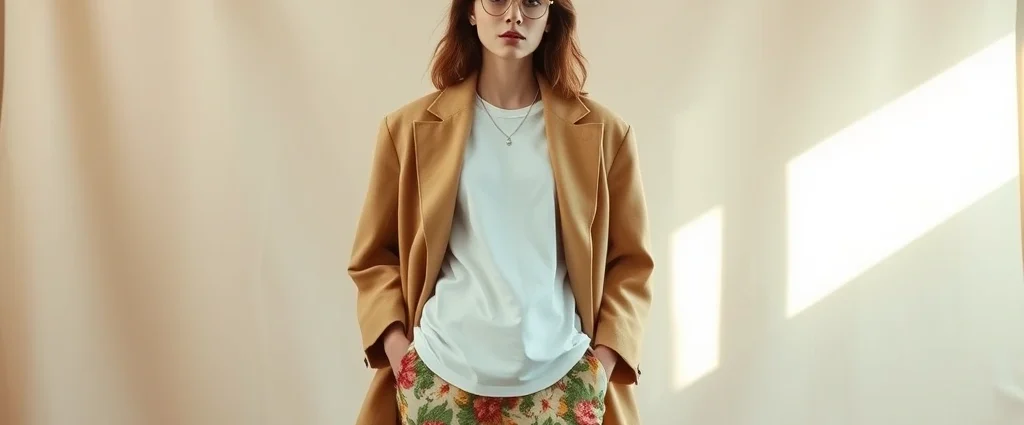

Are Retro Fashion Trends Making a Comeback? Expert Insight
The fashion world operates in fascinating cycles, and one question consistently dominates industry conversations: are retro fashion trends truly making a comeback, or have they never really left? The answer is more nuanced than a simple yes or no. What we’re witnessing isn’t just nostalgia—it’s a sophisticated reimagining of past aesthetics filtered through contemporary sensibilities, sustainability concerns, and digital culture. From the resurgence of 70s silhouettes to the unexpected revival of Y2K aesthetics, retro influences are undeniably shaping what we wear today.
Fashion has always been cyclical, but the current landscape feels different. Social media accelerates trend cycles, vintage shopping has become mainstream, and younger generations are actively seeking authenticity through secondhand fashion. According to Vogue’s trend forecasting, retro fashion isn’t just nostalgia—it’s a statement about sustainability, individuality, and rejecting fast fashion’s disposable culture. This comprehensive guide explores why retro fashion trends are experiencing such a powerful resurgence and what it means for your personal style.
The Cyclical Nature of Fashion
Fashion designers and historians agree that trends operate on approximately 20-30 year cycles. This means that what was fashionable in the 1990s begins appealing to new audiences by the 2020s. However, this isn’t mechanical repetition—each cycle reinterprets past aesthetics through contemporary lenses. The Fashion Institute of Technology has extensively documented how retro fashion trends emerge when designers seek inspiration from archives, consumers crave authenticity, and cultural moments create nostalgia.
Understanding this cycle helps explain why your grandmother’s 1970s bell-bottoms suddenly feel cutting-edge. Fashion’s cyclical nature isn’t accidental—it’s rooted in human psychology. We seek novelty, yet comfort in the familiar. Retro trends satisfy both impulses simultaneously. They feel fresh because they’re new to current generations, yet comforting because they carry cultural weight and established aesthetic rules.
The acceleration of trend cycles through social media has compressed these traditional timelines. What might have taken a decade to resurface now happens in just 3-5 years. TikTok aesthetic communities actively revive specific eras, from cottagecore (inspired by 1800s-1950s rural aesthetics) to dark academia (drawing from 1980s-1990s prep culture). This democratization of trend-setting means retro fashion trends emerge from grassroots movements rather than solely from high fashion runways.
Key Retro Eras Making a Comeback
1970s Fashion Renaissance
The 1970s represent perhaps the strongest retro fashion trend currently dominating runways and streets alike. Bell-bottoms, maxi skirts, oversized blazers, and earth-tone color palettes have returned with serious momentum. Luxury brands like Gucci and Celine have showcased 70s-inspired collections, legitimizing what was once considered outdated. The appeal lies in the era’s emphasis on comfort, androgyny, and self-expression—values that resonate deeply with modern consumers seeking alternatives to restrictive fast fashion.
Y2K and Early 2000s Aesthetics
Perhaps unexpectedly, the 2000s—once dismissed as a fashion wasteland—are experiencing serious revival. Low-rise jeans, baby tees, colorful mini bags, and early-2000s celebrity style have returned with Gen Z enthusiasm. This trend reflects generational nostalgia for millennials’ childhood combined with ironic appreciation for the era’s audacious maximalism. Brands like Fashion Nova have capitalized on this resurgence, offering contemporary takes on 2000s silhouettes.
1990s Minimalism and Grunge
The 1990s continue to influence contemporary fashion through two distinct aesthetics: minimalist sophistication and grunge rebellion. Slip dresses, leather jackets, straight-leg jeans, and neutral color schemes dominate high fashion and streetwear. Our detailed 90s fashion trends guide explores how this era’s ethos of “less is more” contrasts beautifully with current maximalist moments, offering endless styling possibilities.
1950s and 1960s Revival
Vintage-inspired silhouettes from the 1950s and 1960s maintain steady popularity, particularly in occasion wear and indie fashion communities. Polka dots, full skirts, structured dresses, and retro hair styling appeal to those seeking femininity with historical context. The resurgence reflects growing interest in fashion history and appreciation for craftsmanship evident in vintage garments.
Why Gen Z and Millennials Love Vintage
Understanding why retro fashion trends resonate so powerfully requires examining generational values. Millennials grew up during the early internet era and remember the 1990s-2000s firsthand, creating authentic nostalgia. Gen Z, born into digital culture, approaches vintage fashion differently—they appreciate retro aesthetics as creative resources and expressions of individuality rather than merely sentimental artifacts.
Authenticity drives younger consumers toward vintage and retro fashion. In an era of influencer culture and curated social media, secondhand fashion represents genuine uniqueness. You cannot mass-produce a 1970s Halston dress or authentic 1990s Levi’s 501s. This scarcity appeals to generations fatigued by identical mass-produced outfits and algorithm-driven recommendations. When you wear retro fashion trends, you’re wearing history—tangible proof of past creativity and craftsmanship.
Social media platforms, particularly TikTok and Instagram, have transformed how retro fashion trends spread. Vintage fashion communities celebrate specific eras, styling tips, and thrifting hauls with millions of followers. These communities aren’t passive—they’re actively curating, reinterpreting, and celebrating retro aesthetics. The hashtag #VintageStyle has billions of views, demonstrating mainstream acceptance of retro fashion.
Cost considerations also drive the vintage fashion movement. Younger consumers, facing economic pressures and student debt, find that investing in quality vintage pieces offers better value than fast fashion’s throwaway mentality. A $15 vintage leather jacket from the 1980s often outlasts multiple $50 contemporary alternatives. This pragmatic approach to consumption aligns with retro fashion’s sustainability benefits.
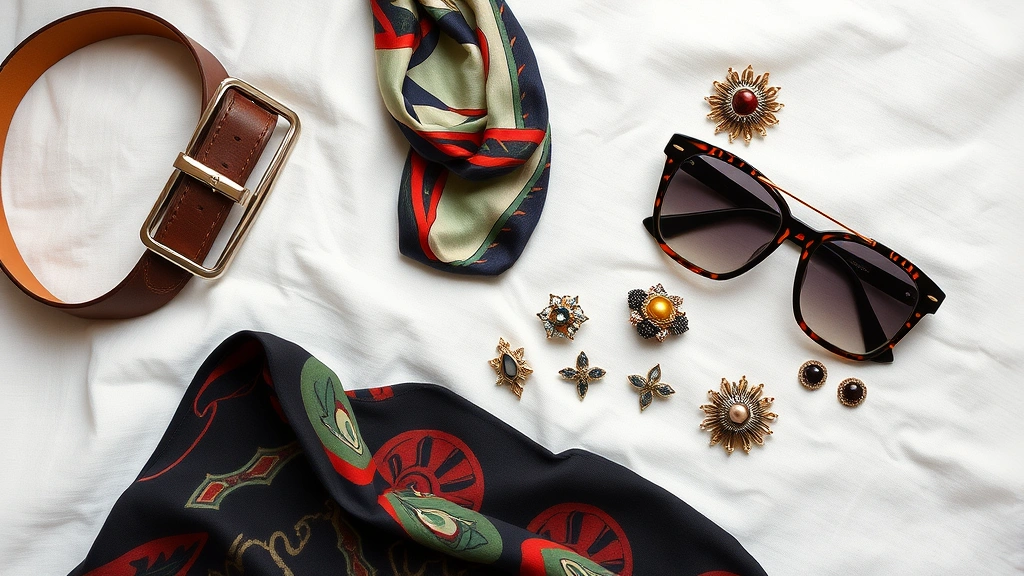
Sustainability and Retro Fashion
Perhaps the most compelling reason retro fashion trends are experiencing genuine resurgence relates to environmental consciousness. The fashion industry produces 92 million tons of textile waste annually—a crisis that younger generations take seriously. Choosing vintage and retro fashion represents active rejection of this destructive cycle. Every secondhand piece purchased means one fewer new garment manufactured, reducing water consumption, carbon emissions, and chemical pollution.
Luxury brands have recognized this shift, launching vintage resale platforms and upcycling initiatives. Stella McCartney, known for sustainable practices, regularly incorporates retro-inspired designs into collections. This legitimizes retro fashion trends as environmentally responsible choices rather than mere nostalgia. When fashion’s most prestigious voices endorse vintage and retro aesthetics, it signals broader industry transformation.
The circular economy appeals to environmentally conscious consumers seeking alternatives to linear “take, make, dispose” models. Retro fashion trends fit perfectly within this framework. By shopping vintage, wearing pieces longer, and styling them creatively, consumers actively participate in fashion sustainability. This philosophical alignment between retro fashion and environmental values will likely sustain these trends long-term.
Quality represents another sustainability advantage of retro fashion. Garments from the 1970s, 1980s, and 1990s were frequently constructed with superior materials and techniques compared to contemporary fast fashion. A vintage wool coat or silk blouse likely surpasses modern equivalents in durability. This longevity makes retro fashion economically and environmentally superior—you’re investing in pieces that will last decades rather than seasons.
How to Style Retro Trends Today
Successfully incorporating retro fashion trends into modern wardrobes requires understanding balance and context. The key is avoiding costume-like aesthetics while celebrating retro elements authentically. Here’s how to approach finding your personal style through retro fashion:
Mix Eras Strategically
Combining retro pieces from different decades creates contemporary sophistication. Pair 1970s wide-leg trousers with a crisp 1990s minimalist tee and modern sneakers. Layer a 1980s oversized blazer over a 2000s baby tee with contemporary straight-leg jeans. This approach prevents costume-like aesthetics while celebrating multiple retro fashion trends simultaneously.
Balance Retro with Contemporary
Always anchor vintage pieces with modern elements. If wearing a full 1970s outfit feels excessive, incorporate one standout retro item—perhaps vintage bell-bottoms—with contemporary basics. A sleek modern watch, current makeup trends, and present-day hairstyles ground retro fashion in contemporary reality. This balance feels intentional rather than accidental.
Understand Fit and Tailoring
Vintage pieces often require tailoring to fit contemporary body standards and personal preferences. A 1980s oversized blazer might need shoulder adjustments; 1970s trousers might require hemming. Investing in proper tailoring transforms vintage finds from thrift store treasures into polished wardrobe staples. Quality tailors understand how to modify retro pieces while preserving their character.
Develop Personal Retro Aesthetic
Rather than adopting entire retro fashion trends wholesale, identify which eras and elements resonate with your personal style. Maybe you love 1950s femininity but prefer 1990s minimalism’s color palette. Perhaps 1970s bohemian spirit appeals to you, but you want contemporary silhouettes. Your personal retro fashion aesthetic should feel authentically you, not like you’re roleplaying historical periods.
Invest in Quality Pieces
When shopping vintage, prioritize quality over quantity. One exceptional 1970s leather jacket beats ten mediocre polyester pieces. Examine seams, fabric content, and construction carefully. Vintage shopping requires patience and education—learn to identify quality indicators, research brand histories, and understand what makes certain pieces valuable beyond monetary cost.
Expert Predictions for Future Retro Trends
Fashion forecasters predict retro fashion trends will continue evolving rather than disappearing. According to Fashionista’s trend analysis, several retro movements will likely gain momentum in coming years. The 1980s, long dismissed, are experiencing renewed interest among designers exploring bold maximalism and power dressing. Expect more neon colors, statement shoulders, and confident silhouettes inspired by this often-maligned decade.
The 1960s mod aesthetic and psychedelic patterns are resurging as younger generations discover this era’s revolutionary spirit and artistic boldness. Geometric patterns, vibrant color combinations, and go-go boots appeal to those seeking joy and visual excitement in fashion. This represents a countermovement to minimalism’s dominance over the past decade.
Sustainable fashion’s continued growth ensures retro trends remain relevant. As consumers increasingly reject fast fashion, vintage and secondhand shopping will become mainstream rather than niche. This shift will likely increase vintage piece prices and encourage more people to care for existing garments rather than constantly purchasing new ones. The best fashion documentaries exploring vintage culture illustrate this movement’s cultural significance.
Technology will also influence how retro fashion trends evolve. Virtual fashion, digital clothing, and metaverse styling might create new interpretations of vintage aesthetics. Imagine wearing digital versions of 1970s fashion in virtual spaces while physically wearing contemporary pieces. This fusion of retro inspiration with futuristic technology represents fashion’s next frontier.
According to The Fashion Spot’s trend forecasting, nostalgia will intensify as digital culture creates desire for tangible, physical fashion. Retro pieces represent authenticity and permanence in an increasingly virtual world. This psychological driver suggests retro fashion trends will remain powerful indefinitely.

The resurgence of interest in fashion design education focusing on fashion history indicates institutional recognition of retro trends’ importance. Design schools increasingly emphasize historical knowledge, understanding how past innovations inform contemporary practice. This educational shift ensures future designers will continue exploring and reinterpreting retro aesthetics creatively.
Emerging markets present another frontier for retro fashion trends. As developing nations industrialize, their fashion industries look to established Western retro movements for inspiration. However, these interpretations often incorporate local cultural elements, creating hybrid aesthetics that redefine what “retro” means globally. This cross-cultural exchange will generate fresh retro fashion trends unexpected by Western forecasters.
FAQ
What defines retro fashion trends versus vintage fashion?
Retro fashion describes contemporary pieces inspired by past eras—new items designed to evoke historical aesthetics. Vintage refers to authentic garments from specific time periods, typically 20+ years old. Many retro fashion trends draw directly from vintage inspiration, but retro pieces are newly manufactured. Understanding this distinction helps you navigate fashion terminology and shopping decisions.
Is it possible to wear retro fashion trends without looking like you’re in costume?
Absolutely. The key is balancing retro elements with contemporary pieces and avoiding head-to-toe historical recreation. Mix vintage items with modern basics, update makeup and hair to current trends, and choose retro pieces that genuinely reflect your personal style rather than adopting entire eras. Intentionality prevents costume aesthetics—wear retro fashion because it appeals to you, not because you’re performing a historical period.
Where should I shop for retro fashion trends?
Vintage thrift stores, online platforms like Depop and Vestiaire Collective, estate sales, and specialty vintage boutiques offer authentic retro pieces. Contemporary retailers also create new items inspired by retro fashion trends. Quality varies significantly, so develop knowledge about construction, fabric, and brand history. Visit StyleLoom Daily Blog for detailed shopping guides and styling inspiration.
Are retro fashion trends sustainable?
Yes. Purchasing vintage and secondhand retro pieces reduces demand for new manufacturing, decreasing environmental impact. Vintage garments typically feature superior construction and durability compared to contemporary fast fashion. However, be cautious about newly manufactured “retro” pieces from unethical brands—sustainability requires both vintage shopping and supporting ethical contemporary brands.
How do I know if a retro piece is authentic vintage?
Research brand history, examine construction techniques, check fabric content labels, and understand what authentic pieces from specific decades should look like. Learn to identify quality indicators—vintage pieces typically feature superior stitching, natural fabrics, and thoughtful construction. Join online vintage communities where experienced collectors share authentication tips. When uncertain, consult with specialty vintage retailers who guarantee authenticity.
Will retro fashion trends continue dominating fashion?
Retro fashion trends will likely remain influential indefinitely because fashion operates cyclically and younger generations increasingly value authenticity and sustainability. However, the specific eras that dominate will shift. What’s trendy now (70s, 90s, 2000s) will eventually yield to previously overlooked periods as new generations rediscover them. This continuous cycle ensures retro fashion remains culturally relevant.