How to Rock 1920s Men’s Fashion: Expert Guide to the Roaring Twenties Style
The 1920s represented a transformative era in men’s fashion, where traditional Victorian constraints gave way to bold, sophisticated silhouettes and innovative tailoring techniques. This decade, known as the Roaring Twenties, saw gentlemen embracing relaxed fits, vibrant accessories, and a newfound confidence in personal style expression. Whether you’re attending a themed event, seeking vintage inspiration, or simply captivated by this glamorous period, mastering 1920s men’s fashion offers timeless lessons in elegance and refinement.
The appeal of 1920s menswear extends far beyond nostalgia—it represents a pivotal moment when men’s fashion began prioritizing comfort without sacrificing sophistication. The silhouettes, color palettes, and grooming standards established during this era continue influencing contemporary designers and style enthusiasts worldwide. Understanding how to authentically recreate this look requires knowledge of key garments, proper layering techniques, and the cultural context that shaped these sartorial choices.
The Essential Suit: Foundation of 1920s Style
The 1920s suit represented a dramatic departure from previous decades, introducing looser, more comfortable proportions that revolutionized men’s tailoring. Unlike the tight, high-button waistcoats of the Edwardian era, 1920s suits featured lower button stances, wider lapels, and a more relaxed overall silhouette. The jacket typically dropped to the knee, with a comfortable ease through the chest and shoulders that allowed for natural movement and a modern aesthetic.
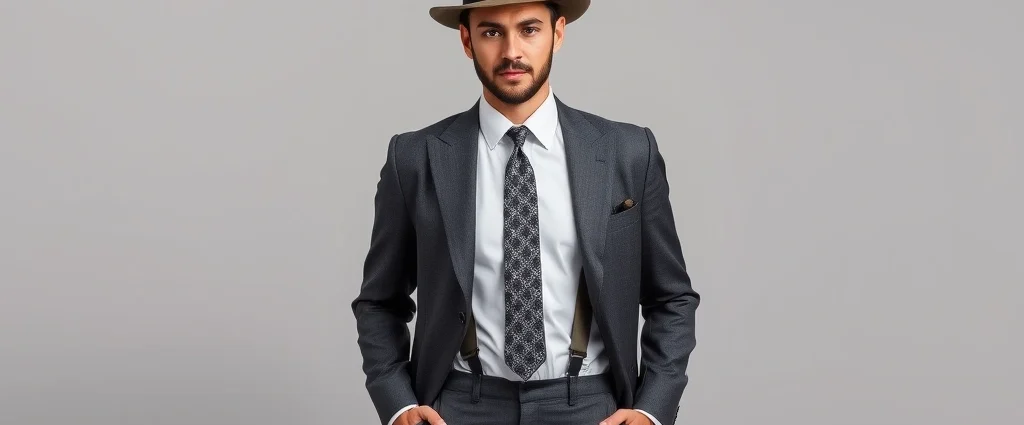
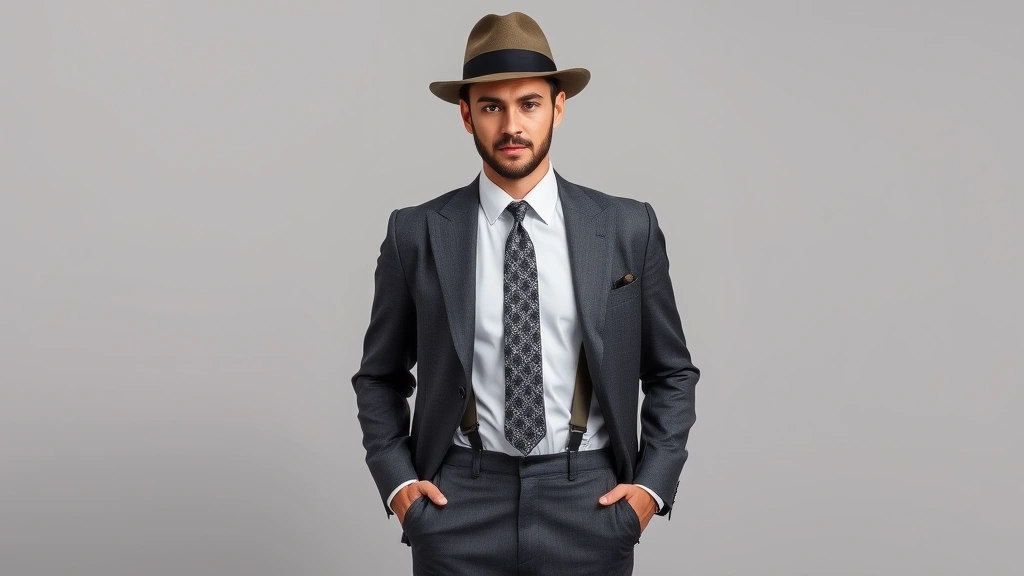
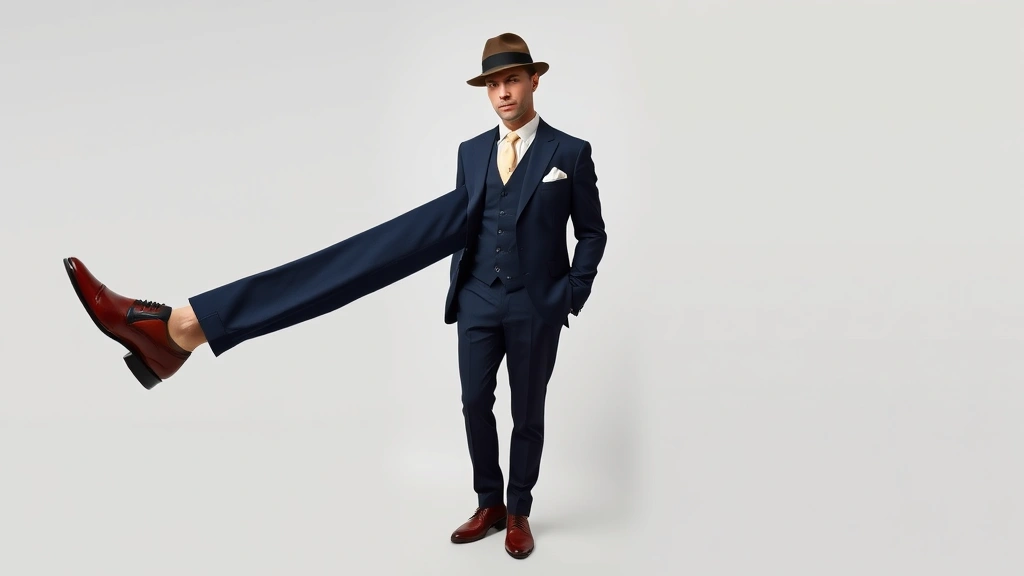
When selecting a 1920s-inspired suit, focus on finding pieces with a straight, boxy cut rather than the tapered styles dominant in later decades. The chest should feel comfortable rather than constrictive, and the jacket length should reach approximately mid-thigh. Two-piece suits dominated the era, though three-piece suits with vests remained popular for formal occasions and professional settings. Look for suits in neutral tones like charcoal, navy, grey, and tan, which served as the foundation for countless sophisticated combinations throughout the decade.
The lapels deserve particular attention—1920s jackets featured notched lapels that were notably wider than modern standards, often reaching four inches in width. This distinctive feature instantly communicates the vintage aesthetic and distinguishes authentic 1920s tailoring from contemporary interpretations. When shopping for vintage or reproduction pieces, prioritize lapel width and jacket length as your primary indicators of period accuracy.
Vests, or waistcoats, played a crucial role in completing the 1920s silhouette. These garments provided additional visual interest and allowed gentlemen to experiment with pattern and texture while maintaining overall sophistication. Vests were typically made from contrasting fabrics including wool, linen, or even patterned materials, creating dynamic visual combinations when layered beneath suit jackets. The vest’s buttons extended lower than modern versions, often reaching the hip, and were frequently left unbuttoned at the bottom in a relaxed, confident manner.
Shirts, Ties, and Accessories That Define the Era
Dress shirts in the 1920s underwent significant evolution, reflecting broader changes in men’s fashion toward greater comfort and practicality. The decade introduced soft collar options that challenged the previously mandatory starched, detachable collars. While formal occasions still demanded crisp, high-standing collars, everyday wear increasingly featured softer, more flexible collar styles that could be worn with or without collar pins.
Look for shirts with generous proportions through the body and sleeves, avoiding the slim-fit silhouettes popular in contemporary fashion. Collar points should be moderate in spread, neither excessively wide nor narrow. White remained the dominant choice for formal and professional settings, but cream, pale blue, and subtle stripes gained popularity throughout the decade. The fabric weight should feel substantial—quality cotton or cotton-linen blends provide the appropriate drape and durability characteristic of authentic 1920s menswear.
Neckwear represented a prime opportunity for personal expression within the conservative framework of 1920s masculinity. Wide ties with geometric patterns, diagonal stripes, or subtle brocade designs complemented the era’s broader aesthetic sensibilities. Tie widths typically ranged from two to three inches, significantly wider than modern neckwear. Knot styles remained relatively simple, with the Four-in-Hand and Windsor knots serving as the standard options. Bow ties, particularly in silk or patterned fabrics, offered an alternative for less formal daytime occasions.
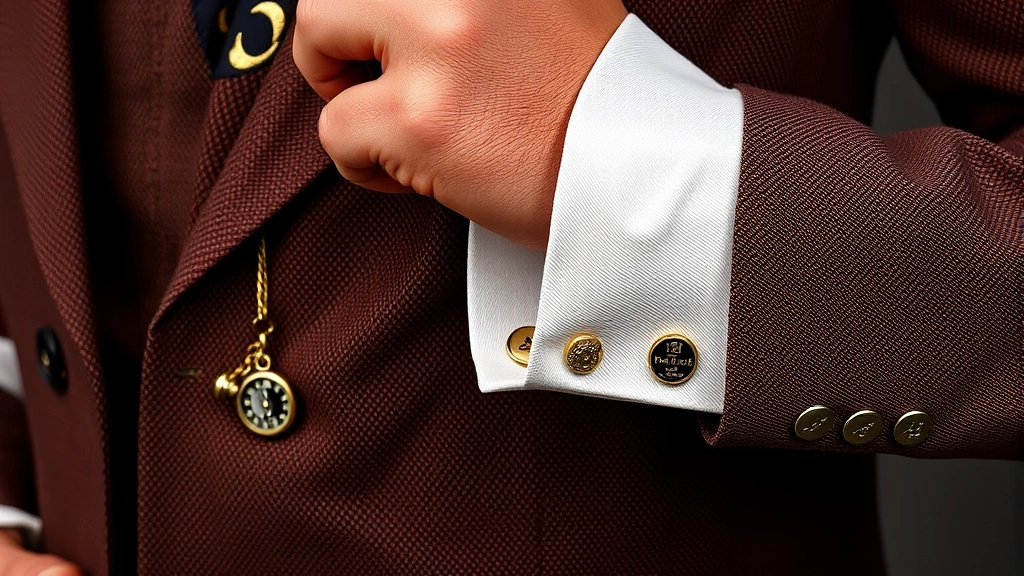
Suspenders, or braces, were not merely functional—they represented a style statement. Visible suspenders in contrasting colors or patterns added visual interest to the ensemble, particularly when the jacket was removed. Quality leather or fabric braces with metal hardware demonstrated attention to detail and complemented the overall refined aesthetic. Pocket watches with chains draped across the vest added both practicality and sophisticated ornamentation.
Pocket squares emerged as a subtle but impactful accessory, typically folded into a modest triangle and inserted into the jacket’s breast pocket. These small pieces of silk or linen in coordinating or contrasting colors provided the final touch of elegance. Developing your fashion sense includes mastering accessory coordination, a skill particularly relevant when styling 1920s ensembles.
Cufflinks served both functional and decorative purposes, securing shirt cuffs while showcasing personal taste through design choices. Options ranged from understated gold or silver options to more elaborate mother-of-pearl or enamel designs. For those seeking to explore how to find your personal style through vintage fashion, 1920s accessories offer endless customization possibilities.
Footwear: From Oxford to Spectator Shoes
Footwear choices significantly impacted the overall 1920s aesthetic, with several distinctive styles achieving prominence during this transformative decade. Oxford shoes remained the standard for formal and professional occasions, featuring the characteristic closed lacing system beneath the vamp. Quality leather in black, tan, or cordovan provided classic options that paired seamlessly with suits and formal wear.
Spectator shoes, or co-respondent shoes, emerged as a distinctly 1920s innovation, featuring contrasting leather colors in two-tone combinations. These shoes typically paired black leather with white or cream accents, creating visually striking combinations that complemented the era’s bolder aesthetic sensibilities. The pattern variations ranged from simple color blocking to more elaborate perforated designs, with wingtip options providing additional visual interest.
Brogues gained popularity throughout the decade, particularly for less formal daytime wear. These shoes featured decorative perforations and serrated edges, offering texture and visual complexity. The Irish brogue and Scottish versions provided slightly different aesthetics, allowing for subtle differentiation based on personal preference and occasion.
The shoe silhouette itself deserves attention—1920s shoes featured rounded toe shapes and moderate heel heights, typically one to one-and-a-half inches. This distinguished them from both the narrower Victorian shoes that preceded them and the more angular designs that would emerge in later decades. The overall proportion felt substantial without appearing clunky, balancing visual weight with refined craftsmanship.
For casual occasions, canvas shoes and canvas sneakers gained acceptance during the 1920s, reflecting broader cultural shifts toward more relaxed social standards. These comfortable options, often in white or neutral tones, provided practical alternatives for weekend wear and recreational activities. Exploring retro fashion trends reveals how vintage footwear continues influencing contemporary shoe design.
Hats and Grooming: Completing Your Look
No 1920s ensemble was complete without an appropriate hat, as this era maintained strong conventions regarding headwear as an essential accessory for respectable gentlemen. The fedora emerged as perhaps the most iconic 1920s hat style, featuring a creased crown and wide brim that could be worn in various configurations. Quality felt construction and grosgrain bands provided both durability and visual sophistication.
Trilby hats, slightly shorter and more compact than fedoras, offered an alternative particularly suited to urban settings and less formal occasions. The Panama hat gained popularity during warmer months, providing both sun protection and summery sophistication. Straw construction in natural tones complemented light suits and casual daytime wear perfectly.
The flat cap or newsboy cap remained popular, particularly among working-class men and for sporting occasions. These structured caps featured a small stiff brim and rounded crown, offering a more casual aesthetic while maintaining period authenticity. Bowler hats, though declining in popularity compared to previous decades, remained acceptable for formal occasions and conservative professional settings.
Grooming standards in the 1920s emphasized clean-shaven faces and meticulously maintained hair. The previous decade’s substantial mustaches and beards gave way to smooth skin, with only subtle facial hair occasionally appearing. Hair was typically parted on the side or center, slicked back with pomade or oil, creating a sleek, controlled appearance. The pompadour style gained popularity, with hair swept upward and back from the forehead.
Haircutting techniques emphasized shorter lengths overall, with particular attention to neat, tapered sides and a slightly fuller crown. Barber shops thrived during this era, providing professional grooming services that maintained these exacting standards. Regular haircuts every two to three weeks ensured the proper silhouette was maintained, reflecting the era’s emphasis on polished, refined masculinity.
Hair products played an important role in achieving the desired aesthetic. Pomades, brilliantine, and hair oils provided shine and hold, with various scents adding another dimension to personal grooming routines. The glossy, controlled appearance characteristic of 1920s styling required consistent product application and daily maintenance.
Color Palettes and Patterns of the Decade
The 1920s color palette reflected broader cultural shifts toward modernism while maintaining connections to traditional masculine aesthetics. Earth tones dominated suit selections, with charcoal grey, navy, medium brown, and tan providing versatile foundations. These neutral base colors allowed for creative expression through secondary garments and accessories without sacrificing overall sophistication.
Accent colors appeared primarily through shirts, ties, vests, and accessories. Pale blue emerged as a particularly popular shirt color, offering enough visual interest while remaining appropriate for professional settings. Cream and ivory provided sophisticated alternatives to pure white, with subtle warmth that complemented various skin tones. Subtle stripes in coordinating colors gained acceptance, particularly for less formal occasions.
Pattern selection in the 1920s emphasized geometric designs and diagonal orientations. Art Deco influences manifested through angular patterns, stepped designs, and bold geometric combinations. Tie patterns ranged from diagonal stripes to more complex tessellated designs, with color combinations varying from subtle monochromatic options to bolder contrasts.
Waistcoat patterns offered opportunities for greater visual experimentation. Houndstooth, herringbone, subtle plaids, and brocade patterns provided texture and visual interest. These patterned vests, when layered beneath solid-colored suit jackets, created sophisticated combinations that demonstrated fashion awareness and personal style.
Seasonal variations influenced color choices, with lighter tones and brighter accents appearing during spring and summer months, while deeper, richer colors dominated autumn and winter wardrobes. This practical approach to seasonal dressing reflected both climate considerations and the era’s connection to natural cycles.
Understanding how to coordinate these colors and patterns separates merely wearing 1920s clothing from authentically embodying the era’s aesthetic. The key principle involved creating visual interest through layering and accessory selection while maintaining overall harmony through thoughtful color coordination.
Building Your 1920s Wardrobe on a Budget
Authentic 1920s style doesn’t require spending vast sums on museum-quality vintage pieces. Strategic shopping and creative sourcing allow budget-conscious gentlemen to assemble convincing period-appropriate outfits. Begin with Style Loom Daily Blog recommendations for affordable vintage resources and reproduction options.
Thrift stores and vintage shops offer excellent opportunities to find original pieces at reasonable prices. Focus on quality construction and proper fit rather than designer names, as 1920s tailoring prioritized craftsmanship over branding. A well-made suit from an unknown maker often surpasses a poorly constructed designer piece in terms of both authenticity and wearability.
Reproduction clothing manufacturers now produce high-quality 1920s-inspired pieces designed for modern bodies and sensibilities. These garments offer the advantage of contemporary sizing while maintaining period-accurate silhouettes and details. Websites specializing in vintage reproduction clothing provide reliable options across various price points.
Building a foundational wardrobe requires patience and strategic purchasing. Begin with one quality suit in a neutral tone, then gradually add supporting pieces including shirts, ties, vests, and accessories. This approach allows you to develop a cohesive aesthetic while spreading costs across multiple purchases and timeframes.
DIY modifications can transform modern pieces into more period-appropriate options. Simple alterations including adjusting jacket lengths, modifying lapel widths, or adding suspender buttons allow creative individuals to customize contemporary clothing toward vintage authenticity. However, ensure any modifications maintain garment integrity and professional appearance.
Exploring 90s fashion and other vintage eras reveals how fashion cycles continuously recycle and reinterpret previous styles, making 1920s pieces increasingly accessible through contemporary retail channels.
Modern Ways to Incorporate Vintage Elements
Authentic 1920s recreation requires commitment, but many contemporary gentlemen prefer selectively incorporating vintage elements into modern wardrobes. This hybrid approach allows personal style expression while maintaining practical compatibility with contemporary social expectations.
Accessory integration offers the simplest entry point for 1920s influence. A quality fedora paired with contemporary suits immediately evokes period aesthetics without requiring complete wardrobe overhaul. Vintage-inspired ties, pocket squares, and cufflinks provide subtle nods to the era while complementing modern clothing.
Vest layering works beautifully within contemporary fashion frameworks. A patterned waistcoat worn beneath a modern suit jacket creates visual interest and instantly communicates fashion awareness. This approach allows you to experiment with 1920s aesthetics without committing to full period recreation.
Hairstyle modifications offer another accessible avenue for period influence. The slicked-back, pomaded look popular in the 1920s remains stylish and achievable with modern grooming products. This simple adjustment dramatically impacts overall aesthetic without requiring wardrobe changes.
Grooming standards emphasizing clean-shaven faces and meticulous maintenance align naturally with contemporary masculine ideals, making 1920s grooming practices feel modern and relevant rather than archaic or performative.
For special occasions including themed parties, formal events, or wedding attendance, assembling a complete 1920s outfit creates memorable impact and demonstrates sophisticated fashion knowledge. These occasions justify the investment in quality vintage or reproduction pieces while allowing you to fully explore the era’s aesthetic possibilities.
Understanding how Fashion Nova Dresses revolutionized contemporary fashion through bold aesthetic choices reminds us that vintage fashion appreciation enriches contemporary style rather than replacing it. The most compelling modern style incorporates historical influences authentically while maintaining relevance to contemporary life.
FAQ
What are the key differences between 1920s men’s fashion and contemporary menswear?
The most significant differences involve silhouette, with 1920s suits featuring looser, boxier cuts compared to the tapered, slim-fit styles dominating contemporary fashion. Lapel widths were substantially broader, hats were essential rather than optional, and accessory visibility was celebrated rather than minimized. The overall aesthetic prioritized comfort and ease of movement while maintaining refined sophistication.
Can I wear 1920s fashion in modern settings without appearing costumes?
Absolutely. Selective incorporation of 1920s elements—particularly accessories, grooming styles, and layering techniques—integrates naturally into contemporary wardrobes. Complete period recreation works beautifully for themed events and special occasions, while subtle vintage influences enhance everyday modern style.
Where should I begin if I want to start wearing 1920s fashion?
Begin with foundational pieces including a quality neutral-toned suit with appropriate proportions and lapel widths. Add quality shirts, a selection of ties in period-appropriate patterns, and invest in a quality fedora. Grooming adjustments including the pomaded, slicked-back hairstyle complete the aesthetic affordably.
Are authentic 1920s pieces still available and wearable?
Yes, original 1920s pieces remain available through vintage shops and online marketplaces. Quality construction from this era ensures durability and wearability for contemporary use. However, sizing often reflects the era’s different proportions, potentially requiring professional alterations for optimal fit.
What’s the most important aspect of authentic 1920s styling?
Understanding the era’s cultural context and aesthetic principles matters more than acquiring specific pieces. The 1920s represented a shift toward modernism, comfort, and refined confidence—embodying these qualities through clothing choices creates authentic aesthetic impact regardless of specific garment sources.
How do I coordinate patterns and colors authentically?
Focus on geometric patterns, diagonal orientations, and art deco influences. Pair neutral suit colors with patterned vests and ties, use pocket squares for subtle coordination, and ensure overall harmony through thoughtful color combinations. Avoid excessive pattern mixing—typically one bold pattern per outfit maintains period authenticity.