
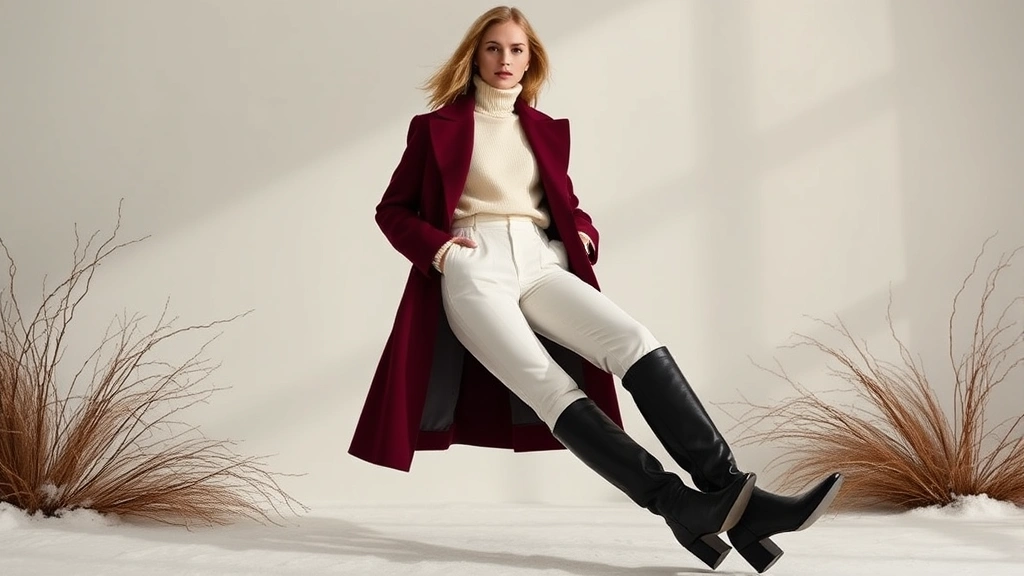
Can You Wear White After Labor Day? Expert Advice on Breaking Fashion’s Most Enduring Rule
The debate over wearing white after Labor Day has persisted for generations, representing one of fashion’s most contested unwritten rules. This outdated convention, rooted in early 20th-century etiquette, has long dictated seasonal wardrobes and social expectations. Yet modern fashion experts, style influencers, and luxury designers have increasingly challenged this notion, arguing that contemporary style should prioritize personal expression over arbitrary calendar dates. Understanding the history behind this rule and learning how today’s fashion-forward thinkers approach white clothing year-round can help you make confident style choices that reflect your individual aesthetic.
In today’s fashion landscape, the rigid boundaries between seasonal colors have dissolved almost entirely. Fashion weeks showcase white garments alongside winter collections, street style photographers capture influencers in crisp white ensembles during autumn months, and luxury brands like Vogue-featured designers regularly present white pieces as essential year-round staples. The evolution of this rule mirrors broader shifts in how we approach fashion style and personal authenticity, moving away from conformity toward individual expression.
The History Behind the White After Labor Day Rule
Understanding where this rule originated helps contextualize why it has persisted so stubbornly in our collective fashion consciousness. The convention emerged in the early 1900s as a marker of social class and propriety, primarily among wealthy American and European elites. White clothing, particularly linen and cotton, was associated with summer leisure wear and resort fashion. Since these fabrics were less durable and practical for winter conditions, wearing white after Labor Day became a subtle signal of one’s position in society—suggesting you didn’t need to wear practical, weather-appropriate clothing because you had multiple wardrobes for different seasons.
This social signifier became deeply embedded in etiquette books and fashion magazines throughout the 20th century. Coco Chanel, one of fashion’s most revolutionary figures, famously challenged many conventions, yet even she worked within these seasonal frameworks. The rule was reinforced by department stores, which used the Labor Day threshold as a marketing tool to encourage seasonal shopping and wardrobe refreshes. What began as a practical consideration—white linen being unsuitable for cold weather—transformed into an arbitrary rule of decorum that persisted long after its original purpose became obsolete.
Why Fashion Experts Are Rejecting This Outdated Convention
Contemporary fashion authorities have largely abandoned the white-after-Labor-Day restriction, recognizing it as restrictive and outdated. Harper’s Bazaar and other leading style publications regularly feature white garments in fall and winter collections without qualification. Fashion designer and trend forecaster Elle magazine has published extensive articles debunking this myth, emphasizing that modern fabrics, styling techniques, and personal expression should supersede arbitrary seasonal rules.
The shift reflects a fundamental change in how we approach different fashion styles and personal authenticity. Expert stylists argue that restricting your palette based on dates rather than weather, occasion, and personal preference limits creative expression. Winter whites—think cream-colored wool sweaters, ivory leather jackets, pearl-toned cashmere, and off-white tailored trousers—have become essential components of sophisticated fall and winter wardrobes. The sophistication lies not in avoiding white, but in selecting appropriate fabrics and styling them thoughtfully for the season.
As fashion educator and style expert Fashion Institute of Technology emphasizes, modern fashion education teaches students to think critically about rules and understand their origins before deciding whether to follow them. This educational shift has contributed to a generation of fashion professionals who view the white-after-Labor-Day rule as an outdated relic rather than a legitimate styling principle.
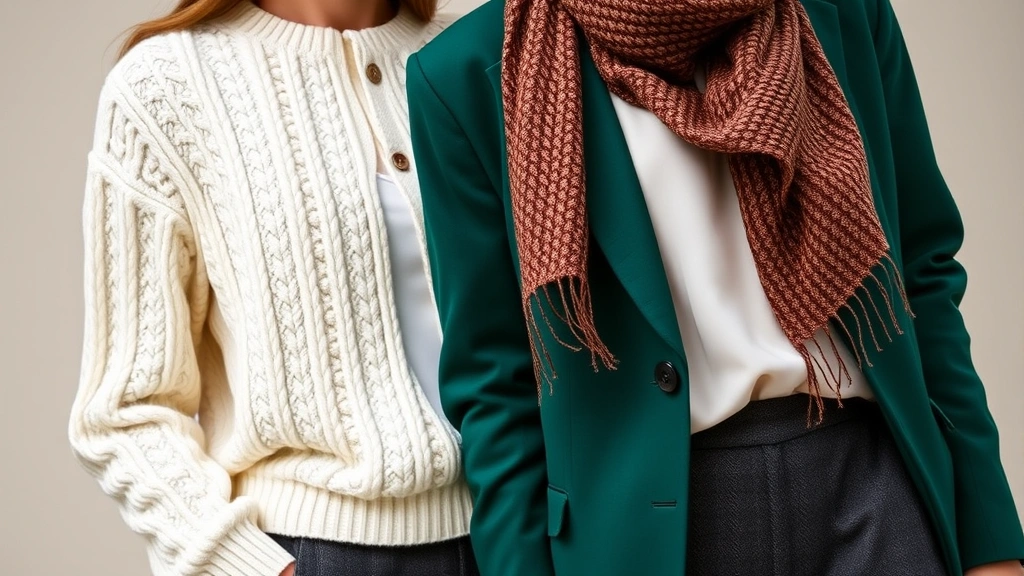
How to Style White Clothing in Fall and Winter
Successfully wearing white during colder months requires understanding fabric weight, color temperature, and seasonal styling principles. The key distinction between summer whites and winter whites lies in fabric selection and styling context. While crisp white linen might feel inappropriate in December, winter-weight white fabrics create entirely different impressions and work beautifully within fall and winter aesthetics.
Fabric Considerations: Opt for substantial, textured fabrics that feel seasonally appropriate. Wool, cashmere, linen blends, cotton twill, leather, and silk all work wonderfully in white during cooler months. These materials drape differently, provide better insulation, and create visual weight that feels appropriate for winter styling. A cream wool coat, ivory cashmere turtleneck, or white leather jacket immediately signals winter sophistication rather than summer frivolity.
Color Pairing Strategies: The magic of wearing white after Labor Day lies in how you pair it with other colors. Winter whites look stunning alongside deep jewel tones—emerald, sapphire, burgundy, and plum. They complement rich earth tones beautifully: chocolate brown, rust, terracotta, and warm grays. Dark neutrals—charcoal, black, and navy—create crisp, elegant contrast with white pieces. This approach to types of fashion styles emphasizes intentional color coordination rather than seasonal restrictions.
Layering Techniques: White pieces work beautifully as layering elements. Wear a white silk camisole under a chocolate brown sweater, pair ivory tailored trousers with a camel wool coat, or style a cream turtleneck under a forest green jumper. Layering white pieces with heavier, darker garments creates visual interest while maintaining seasonal appropriateness. This approach to layering is fundamental to understanding how to find your personal style and make deliberate fashion choices.
Texture and Pattern: Incorporate texture to add visual interest to white pieces during cooler seasons. Cable-knit sweaters, chunky knits, textured hosiery, and patterned accessories prevent white from feeling stark or summery. A white sweater with intricate cable knitting feels entirely different from a lightweight white cotton t-shirt. Similarly, pairing white pieces with patterned scarves, textured tights, or interesting accessories adds dimension and seasonality to your styling.
Quotes for Fashion and Style That Challenge Traditional Rules
The world’s most influential fashion voices have articulated perspectives that encourage breaking arbitrary fashion rules, including the white-after-Labor-Day convention. These quotes for fashion and style capture the philosophy underlying modern style approaches:
“Fashion is not something that exists in dresses only. Fashion is in the sky, in the street; fashion has to do with ideas, the way we live, what is happening.” — Coco Chanel. This perspective emphasizes that fashion should reflect contemporary life and personal circumstances rather than outdated conventions.
“The difference between style and fashion is quality.” — Giorgio Armani. This distinction highlights that true style transcends seasonal rules and focuses on quality, appropriateness, and personal expression rather than arbitrary restrictions.
“Dress like you’re going somewhere better later.” — Karl Lagerfeld. This philosophy encourages intentional dressing based on your day and aspirations rather than restrictive rules tied to specific dates.
“Fashion is about dressing according to what’s fashionable. Style is more about being yourself.” — Oscar de la Renta. This quote elegantly distinguishes between following rules and developing authentic personal style, suggesting that style development requires questioning conventions like the white-after-Labor-Day rule.
“You don’t have to see the whole staircase, just take the first step.” — Martin Luther King Jr. While not exclusively about fashion, this perspective applies to experimenting with white clothing during seasons when tradition suggests otherwise. Breaking small rules builds confidence in developing your authentic style.
These perspectives from fashion luminaries underscore a common theme: authentic style emerges from understanding rules well enough to know when to break them, not from blind adherence to arbitrary conventions. The most stylish individuals throughout fashion history have been those willing to challenge established norms.
Building a Year-Round White Wardrobe
Creating a versatile white wardrobe that works across all seasons requires strategic selection of pieces that offer flexibility and sophistication. Rather than seasonal white wardrobes, think of white as a foundational color that deserves year-round representation in your closet.
Essential White Pieces: Begin with foundational basics that transcend seasons. A crisp white button-down shirt works in every season when styled appropriately. White tailored trousers pair beautifully with everything from summer linen blazers to winter sweaters. A white t-shirt serves as a neutral base for countless outfits. White denim offers versatility—it works in summer with sandals and in winter with boots and sweaters. These basics form the foundation of a year-round white wardrobe.
Seasonal White Staples: Add season-specific white pieces that feel appropriate for weather conditions. Summer whites might include linen pants, cotton dresses, and lightweight blouses. Winter whites should feature wool sweaters, cashmere cardigans, leather jackets, and heavier knits. Fall and spring whites work beautifully in medium-weight fabrics like cotton blends, linen-wool blends, and structured cotton.
Texture Variety: Include white pieces with varying textures to prevent monotony. Smooth white silk, textured white wool, structured white cotton, soft white cashmere, and patterned white fabrics all serve different purposes within a cohesive wardrobe. This texture variety allows you to express creativity while maintaining a unified aesthetic across fashion types and seasons.
Accessory Strategy: White accessories extend the versatility of your wardrobe across seasons. White scarves, belts, shoes, bags, and jewelry work year-round and can be styled seasonally through pairing with different garments and textures. A white scarf transforms from a summer accent to a winter layering piece depending on fabric weight and styling context.
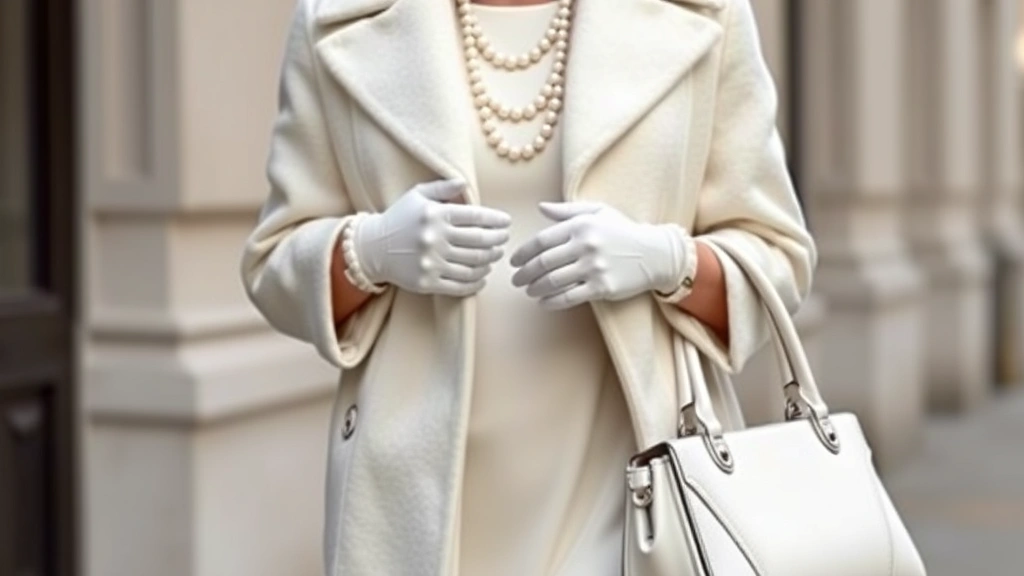
Seasonal Styling Tips for White Pieces
Fall White Styling: As summer transitions to autumn, white pieces can bridge seasonal wardrobes beautifully. Pair white pieces with rich autumn tones—burnt orange, deep red, golden yellow, and warm brown. Layer white sweaters under plaid blazers or denim jackets. Style white jeans with knee-high boots and oversized sweaters. The key is combining white with colors and textures that feel distinctly autumnal, grounding white pieces in the season.
Winter White Styling: Winter whites achieve sophistication through careful pairing and layering. Cream-colored cashmere sweaters pair gorgeously with charcoal gray tailored trousers and black leather boots. Ivory wool coats create elegant outlines over jewel-toned dresses. White leather jackets layer beautifully over patterned sweaters. Off-white cable-knit sweaters worn with dark jeans and winter accessories feel entirely appropriate for cold weather. The formula involves pairing white with rich, dark, or jewel-toned pieces and incorporating substantial textures.
Spring White Styling: As weather warms, white pieces transition back to lighter styling. Pair white pieces with pastels, soft neutrals, and fresh spring tones. White linen suits work beautifully in spring, as do white cotton dresses layered with lightweight cardigans. White sneakers and summer-appropriate white pieces begin rotating back into primary styling focus, though the distinction between spring whites and fall whites should be minimal—weather appropriateness matters more than arbitrary dates.
Exploring different StyleLoom Daily Blog posts about seasonal styling can provide additional inspiration for incorporating white pieces throughout the year. Fashion educators and stylists increasingly emphasize that seasonal transitions should be guided by climate and personal preference rather than calendar dates or outdated conventions.
FAQ
Is it really okay to wear white after Labor Day in 2024?
Absolutely. Modern fashion experts, designers, and style authorities have largely abandoned this rule. White is a legitimate wardrobe color year-round when styled appropriately for weather, occasion, and season. The only consideration should be fabric weight and styling context, not the calendar date.
What’s the best way to transition white pieces into fall?
Pair white pieces with distinctly autumnal colors and textures. Combine white sweaters with rust, burgundy, or deep orange tones. Layer white pieces under heavier coats and jackets. Choose substantial fabrics like wool and cashmere rather than lightweight linens. Style white pieces with boots, heavier accessories, and darker or richer-colored companion pieces.
Can I wear white pants in winter?
Yes, winter-weight white pants work beautifully in cold weather. Choose substantial fabrics like wool-blend trousers, cotton twill, or structured cotton. Style them with warm sweaters, blazers, and coats in complementary colors. Pair with boots and heavier accessories. The key is selecting fabrics and styling context appropriate for winter rather than avoiding white pants entirely.
What white pieces work best for professional fall and winter settings?
White button-down shirts, white blazers, white wool trousers, and cream-colored cardigans all work professionally in fall and winter. These pieces feel appropriate in business settings when styled with darker, richer-colored companion pieces and substantial fabrics. Pair white professional pieces with navy, charcoal, burgundy, or deep green for polished, seasonal-appropriate looks.
How do I make white feel wintery rather than summery?
Focus on fabric weight, color pairing, and styling context. Choose wool, cashmere, structured cotton, and leather in white rather than lightweight linens and cottons. Pair white pieces with deep jewel tones, rich earth tones, or dark neutrals. Layer white pieces with heavier garments. Incorporate textured accessories, boots, and winter-appropriate styling elements. These choices make white feel seasonally appropriate regardless of the calendar.
Are there any situations where I shouldn’t wear white after Labor Day?
The only legitimate restrictions involve practical considerations—lightweight summer fabrics might be inappropriate for cold weather, and certain formal occasions might have specific dress codes. However, these restrictions relate to occasion-appropriateness and weather-suitability rather than arbitrary seasonal rules. Wear white when it makes sense for your climate, occasion, and personal style.