Old Money Fashion: How to Nail the Look? Expert Insight
Old money fashion represents far more than simply wearing expensive clothes—it embodies a philosophy of timeless elegance, understated luxury, and generational refinement. This aesthetic has captivated fashion enthusiasts worldwide, from Manhattan’s Upper East Side to London’s Mayfair, because it transcends fleeting trends and celebrates enduring style principles. The old money look communicates wealth through subtlety rather than ostentation, favoring quality over quantity and heritage over hype.
The beauty of old money fashion lies in its accessibility; you don’t need inherited wealth to adopt this sophisticated aesthetic. By understanding the core principles, investing in quality basics, and mastering the art of restrained elegance, anyone can cultivate this coveted style. This comprehensive guide explores expert insights into achieving the old money look, from fabric selection to wardrobe staples that never go out of style.
Understanding Old Money Fashion Philosophy
Old money fashion represents a distinct approach to personal style that emerged from established wealth communities. Unlike new money aesthetics that emphasize visible logos and statement pieces, old money style prioritizes discretion and refinement. The philosophy centers on the belief that true wealth doesn’t need announcement—it speaks through quality, heritage, and impeccable taste.
This aesthetic draws inspiration from European aristocracy, New England prep schools, and generations of families who’ve maintained their social standing through grace rather than spectacle. According to Vogue’s style experts, the old money look has experienced a significant resurgence in recent years, particularly among younger generations seeking authenticity in fashion. The aesthetic appeals to those tired of fast fashion’s disposability and yearning for clothing that tells a story of permanence.
The core principle involves investing in pieces that transcend seasonal trends. Rather than chasing every new silhouette, old money fashion followers build wardrobes around timeless foundations—neutral colors, classic cuts, and superior craftsmanship. This approach naturally reduces consumption, encourages intentional purchasing, and creates a cohesive personal style that feels effortlessly put-together.
Essential Wardrobe Staples for the Old Money Aesthetic
Building an authentic old money wardrobe begins with understanding which pieces form the foundation. These aren’t flashy items; instead, they’re versatile basics that work across seasons and occasions. Fashion style experts consistently recommend starting with neutral-colored basics that serve as the backbone for countless outfit combinations.
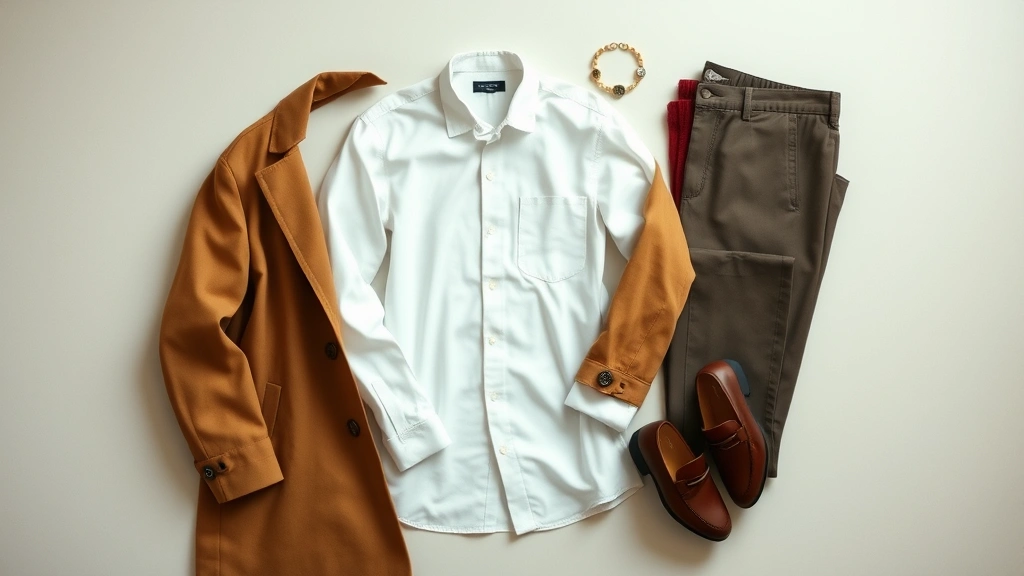
The white button-down shirt stands as perhaps the most essential piece in any old money wardrobe. This seemingly simple garment, when tailored perfectly and crafted from quality cotton, becomes the foundation for countless looks—worn alone with tailored trousers, layered under sweaters, or styled with blazers. Similarly, crisp white t-shirts in premium cotton provide everyday versatility without compromising the refined aesthetic.
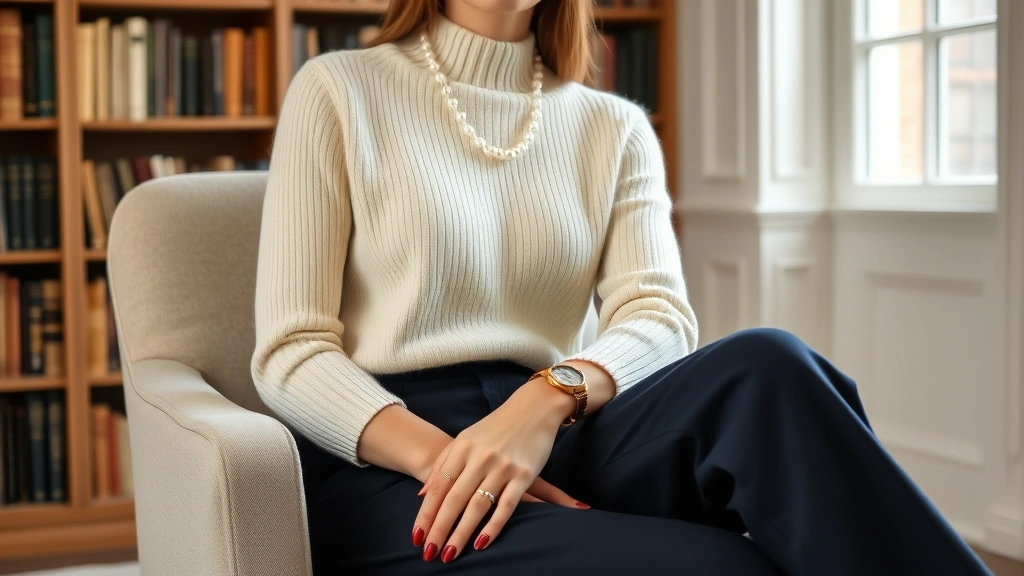
Tailored trousers in neutral tones—particularly navy, charcoal, and black—represent non-negotiable staples. These should fit impeccably through the hip and thigh, with a slight taper toward the ankle. The investment in professional tailoring ensures that even moderately-priced trousers can achieve the polished appearance associated with old money fashion. Cashmere sweaters in cream, grey, and navy provide luxurious comfort while maintaining the understated elegance that defines this aesthetic.
A well-constructed blazer in navy or charcoal wool instantly elevates any outfit. This piece bridges casual and formal wear, making it invaluable for creating sophisticated looks across various settings. The key lies in finding a blazer with excellent structure that flatters your frame after professional tailoring adjustments.
Quality Fabrics and Materials That Define the Look
The old money aesthetic fundamentally distinguishes itself through material quality. Where fast fashion prioritizes appearance, this style philosophy centers on the feel, durability, and longevity of fabrics. Understanding which materials embody this aesthetic proves essential for building an authentic wardrobe.
Cashmere represents the ultimate luxury fiber in old money fashion. This material, derived from Kashmir goat wool, offers unparalleled softness while developing a sophisticated patina with age. Quality cashmere pieces, when properly cared for, become more beautiful over time, making them genuine investments rather than temporary purchases. Merino wool serves as an excellent alternative, offering similar benefits at lower price points while maintaining exceptional quality.
Natural cotton, particularly high-thread-count varieties, forms the basis for shirts, t-shirts, and lightweight layers. The superiority of natural fibers over synthetic alternatives cannot be overstated—they breathe better, age gracefully, and create the refined appearance essential to this aesthetic. Linen, though wrinkled by nature, fits perfectly within old money fashion due to its natural texture and timeless appeal.
Silk represents another cornerstone material, appearing in scarves, blouses, and occasionally in dress fabrications. This luxurious fiber drapes beautifully, catches light subtly, and conveys sophistication through its inherent elegance. High-quality wool for suiting, trousers, and outerwear ensures pieces maintain their shape and appearance through repeated wear.
Leather, when present, should be genuine and of superior quality. This applies to shoes, bags, and belts—pieces that benefit from the patina and character that genuine leather develops with age. The old money aesthetic celebrates materials that improve with time rather than deteriorate, reflecting a philosophy of sustainable, intentional consumption.
Color Palette and Neutral Tones
The color palette of old money fashion deliberately emphasizes restraint and timelessness. While fashion-forward styles might embrace bold hues and trendy shades, this aesthetic relies on a carefully curated selection of neutral tones that never fall from favor. Understanding which colors embody this look proves crucial for building a cohesive wardrobe.
Cream, ivory, and white form the foundation of this palette. These shades convey cleanliness, refinement, and versatility—they pair seamlessly with virtually every other color while maintaining an air of understated elegance. Navy blue represents perhaps the most important neutral in old money fashion, offering sophistication that transcends seasons and occasions. Charcoal grey provides similar versatility while adding depth to the palette.
Black, though technically a color, functions as a neutral within this aesthetic. However, old money fashion typically reserves black for more formal occasions rather than everyday wear. The preference leans toward charcoal or navy for darker tones, creating a slightly softer appearance than stark black.
Camel and tan tones introduce warmth while maintaining the neutral aesthetic. These shades appear in outerwear, particularly classic trench coats and wool coats that have remained fashionable for decades. Burgundy and forest green represent the only slightly bolder colors that integrate naturally into old money fashion, appearing in sweaters, blazers, and accessories without disrupting the overall refined aesthetic.
The restraint demonstrated through this limited color palette actually works to the wearer’s advantage. Fewer colors mean pieces coordinate effortlessly, allowing for more outfit combinations from fewer items. This efficiency aligns perfectly with old money values of intentionality and sustainability.
Accessorizing with Understated Luxury
Accessories within old money fashion operate according to different rules than in trend-driven styles. Rather than making bold statements through eye-catching accessories, this aesthetic emphasizes quality, heritage, and subtle refinement. The goal involves enhancing outfits without drawing attention away from the overall polished presentation.
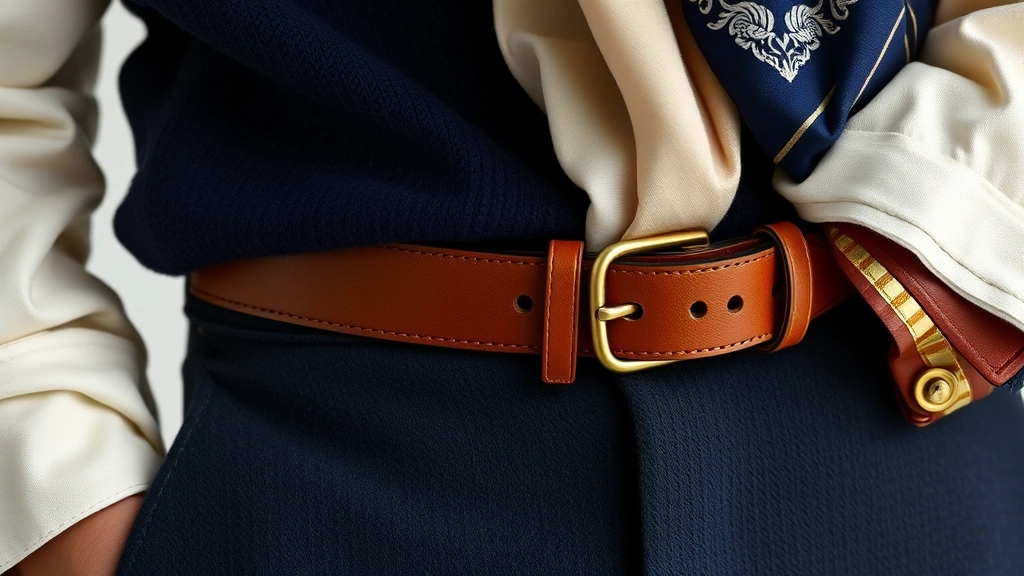
Scarves represent perhaps the most important accessory category. A silk scarf in a classic pattern—stripes, subtle prints, or solid colors—can be worn at the neck, as a headscarf, or tied to a handbag. These pieces add visual interest while maintaining sophistication. Vintage Hermès scarves represent the ultimate expression of this principle, though quality contemporary scarves achieve similar effects.
Belts serve both functional and aesthetic purposes. Quality leather belts in neutral colors, particularly brown and black, complete outfits while demonstrating attention to detail. The belt should feature a simple, elegant buckle—nothing oversized or logo-emblazoned.
Sunglasses, when worn, should be classic styles that have remained fashionable for decades. Oversized frames in tortoiseshell or solid colors, vintage-inspired shapes, or timeless aviators all work within this aesthetic. The key involves avoiding trendy styles that will feel dated within seasons.
Hats, particularly when appropriate for the season and occasion, add refinement. Classic styles include wide-brimmed felt hats, wool berets, and structured baseball caps in neutral colors. These pieces should feel like natural extensions of the outfit rather than fashion-forward statements.
Tailoring and Fit Perfection
Perhaps no single factor contributes more to achieving the old money look than impeccable tailoring. Expert fashion consultants universally emphasize that fit trumps brand name or price point when creating a refined aesthetic. A moderately-priced piece tailored perfectly will always outperform an expensive item that doesn’t fit properly.
The shoulders of jackets and blazers should sit precisely at your shoulder point, neither extending beyond nor falling short. Sleeves should end at your wrist bone, allowing approximately half an inch of shirt cuff to show. Jackets should close comfortably without pulling or gaping, with buttons positioned to create a flattering line.
Trousers deserve particular attention to tailoring. The inseam should create a slight break at the shoe—not bunching above the ankle, nor dragging on the ground. The waist should fit comfortably without requiring a belt for security, and the thigh shouldn’t pull or create unflattering tension. Professional hemming, tapering, and adjustments transform even basic pieces into polished staples.
Shirts require careful attention to sleeve length and torso fit. Sleeves should extend to your wrist bone, allowing shirt cuffs to show beneath jacket sleeves. The shirt should skim your body without clinging or billowing, with darts or alterations made to ensure proper fit through the chest and waist.
Investing in a skilled tailor represents one of the most valuable decisions in building an old money wardrobe. A good tailor becomes a collaborator in creating your personal style, understanding your body and preferences while suggesting modifications that enhance your appearance. This relationship often pays dividends across your entire wardrobe.
Building Your Old Money Capsule Wardrobe
A capsule wardrobe approach aligns perfectly with old money fashion philosophy. Rather than accumulating numerous pieces, this method involves carefully selecting versatile items that work together harmoniously. Understanding how to build an effective capsule wardrobe accelerates the process of achieving this aesthetic while minimizing unnecessary purchases.
Begin with neutral basics: white button-down shirts, white t-shirts, cream cashmere sweaters, and grey wool sweaters. Add tailored trousers in navy, charcoal, and black. These foundational pieces should all coordinate with each other, allowing numerous outfit combinations. Next, introduce a structured navy blazer and a camel coat—both timeless pieces that elevate casual basics into refined looks.
Add one quality pair of dark jeans, preferably in a classic cut without excessive distressing. Include a white or cream linen shirt for warm weather versatility. A simple black sweater provides additional neutral layering options. Consider adding a silk blouse in a subtle print or solid color for occasions requiring slightly more polish than basic t-shirts provide.
For outerwear, invest in a trench coat in classic tan or navy—this piece transcends decades of fashion cycles and works across seasons with appropriate layering. Include a wool coat in a neutral color for cold weather. These pieces form the foundation of an effective capsule wardrobe, with most items coordinating seamlessly.
As your capsule develops, you might add pieces in burgundy or forest green, perhaps through a sweater or blazer. A simple dress in a neutral color provides another versatile option. The key involves resisting the urge to add trendy pieces that won’t coordinate with existing items or that will feel dated within seasons.
Shoes and Footwear Essentials
Footwear plays a crucial role in conveying old money style. Rather than owning numerous shoes in trendy styles, this aesthetic emphasizes classic designs in quality materials that age beautifully. Understanding which shoes embody this philosophy helps guide purchasing decisions.
Leather loafers represent perhaps the quintessential old money shoe. These comfortable, versatile pieces work with casual wear, business attire, and even semi-formal occasions depending on styling. Quality leather loafers develop character with age, becoming more beautiful as they’re worn. They pair effortlessly with jeans, trousers, and dresses.
Ballet flats in neutral leather provide everyday elegance. These simple shoes, inspired by ballet practice wear, convey refined sophistication while remaining incredibly practical. Quality leather flats mold to your foot over time, becoming increasingly comfortable while maintaining their polished appearance.
Leather oxfords or brogues offer another essential option, particularly for formal occasions or professional settings. These structured shoes, traditionally associated with prep school and Ivy League aesthetics, embody old money values perfectly. They work beautifully with tailored trousers, blazers, and classic dresses.
Simple leather pumps in neutral colors—particularly black, navy, or nude—provide necessary formal options. These should feature modest heels and classic lines rather than trendy heights or embellishments. Quality leather and excellent construction ensure these pieces serve you for years rather than seasons.
White leather sneakers, when of superior quality and classic design, integrate naturally into old money fashion. Brands known for timeless aesthetics rather than logo emphasis work best. These comfortable options work with casual wear while maintaining the refined appearance essential to this style.
Leather ankle boots in neutral colors provide transitional footwear for autumn and spring. Classic designs without excessive hardware or trendy details age gracefully while working across numerous outfits. Quality leather boots, properly cared for, represent investments that serve you for years.
Jewelry and Timeless Pieces
Jewelry within old money fashion follows the principle of less-is-more. Rather than wearing numerous pieces or statement jewelry, this aesthetic emphasizes quality, heritage, and subtle elegance. The goal involves accessorizing in ways that enhance without overwhelming.
Gold, particularly yellow gold, represents the traditional metal of choice within old money circles. However, silver and platinum also integrate naturally into this aesthetic. The key involves avoiding mixing metals excessively and choosing classic designs over trendy styles that will feel dated.
Simple gold chains, either worn alone or layered subtly, provide understated elegance. Quality matters tremendously here—the weight and craftsmanship of the chain communicate luxury more effectively than size or ostentation. Pearls represent another quintessential old money jewelry element, appearing in classic strands, simple earrings, or subtle pieces that convey timeless sophistication.
Watches deserve particular attention as they represent both functional accessories and jewelry pieces. Classic designs from heritage brands—simple faces, quality leather or metal bands, and understated elegance—embody old money values perfectly. Vintage watches often represent excellent choices, combining heritage appeal with proven longevity.
Engagement rings and wedding bands within old money circles traditionally feature classic designs and quality gemstones rather than trendy settings. Diamonds remain popular, though other stones like sapphires and emeralds also appear regularly. The emphasis centers on the quality of the stone and the craftsmanship of the setting rather than size or contemporary design trends.
Simple gold hoops, stud earrings, and delicate drop earrings provide daily jewelry options. These pieces should feel like natural extensions of your appearance rather than noticeable accessories. Avoid chunky costume jewelry in favor of quality pieces that will age gracefully and remain fashionable indefinitely.
Bracelets, when worn, should be minimal and elegant. Simple gold bangles, delicate chains, or inherited vintage pieces all work within this aesthetic. The principle involves restraint—one or two pieces rather than multiple bracelets stacked on a single wrist.
Seasonal Styling Tips
Old money fashion adapts beautifully across seasons while maintaining its essential characteristics. Understanding how to refresh your wardrobe seasonally without abandoning core principles ensures your style remains relevant and appropriate year-round.
Spring styling emphasizes lighter fabrics and brighter neutrals. Swap heavy cashmere sweaters for lightweight cardigans and linen shirts. Incorporate pastels through accessories rather than major pieces—soft pink scarves, cream linen dresses, or pale blue blouses. Outerwear transitions to lighter trench coats or blazers. Footwear shifts toward lighter materials and open styles like ballet flats or simple sandals. Layers become essential as temperatures fluctuate, with lightweight sweaters and cardigans providing versatile options.
Summer requires embracing lighter, breathable fabrics while maintaining the refined aesthetic. Linen becomes your friend—wear linen trousers, linen shirts, and linen dresses in cream and neutral tones. Cotton becomes equally important, appearing in quality t-shirts and lightweight shirts. Minimize layering, instead focusing on simple, well-fitted pieces. Invest in quality sunglasses and wide-brimmed hats for sun protection. Footwear includes leather sandals, ballet flats, and simple loafers. Jewelry becomes even more minimal, with perhaps a simple necklace or delicate bracelet.
Autumn introduces heavier fabrics and layering opportunities. Cashmere sweaters return, along with wool blazers and structured outerwear. Incorporate deeper neutral tones through sweaters and accessories. Leather becomes more prominent in bags, belts, and shoes. Layering creates visual interest—combine lightweight sweaters with blazers, or wear long-sleeved shirts beneath sleeveless dresses. Footwear includes loafers, ankle boots, and classic pumps. Scarves return as both functional and aesthetic accessories.
Winter styling emphasizes quality outerwear and strategic layering. Invest in a beautiful wool coat and a quality puffer jacket in neutral colors. Layer cashmere sweaters, wool turtlenecks, and quality base layers beneath outerwear. Accessories become functional yet stylish—quality leather gloves, classic wool scarves, and warm hats in neutral colors. Footwear includes sturdy boots and quality leather shoes with appropriate soles for traction. Tights in neutral colors provide necessary coverage while maintaining the refined aesthetic.
FAQ
What is old money fashion style?
Old money fashion represents an aesthetic emphasizing timeless elegance, quality over quantity, and understated luxury. Rather than displaying wealth through logos or statement pieces, this style philosophy prioritizes classic designs, superior materials, and refined simplicity. It reflects values of heritage, sustainability, and intentional consumption, drawing inspiration from established wealth communities and generations of refined style.
Can you achieve old money fashion on a budget?
Absolutely. While quality matters, expensive brands aren’t necessary. Focus on fit through professional tailoring, invest in neutral basics from various price points, and prioritize quality fabrics over brand names. Thrift stores and vintage shops offer authentic pieces at fraction of retail costs. Building your wardrobe slowly and intentionally, rather than accumulating numerous pieces, actually aligns with old money philosophy while naturally controlling spending.
What are the key colors in old money fashion?
The primary colors include cream, ivory, white, navy, charcoal grey, and black. Camel and tan introduce warmth, while burgundy and forest green provide subtle color options. This intentionally limited palette allows pieces to coordinate effortlessly, creating numerous outfit combinations from fewer items while maintaining the refined, timeless aesthetic.
How important is tailoring in achieving this look?
Tailoring represents one of the most crucial elements. Fit determines whether pieces look expensive and refined or cheap and ill-fitting. Professional tailoring transforms moderately-priced basics into polished staples. Investing in a skilled tailor represents one of the best decisions you can make when building an old money wardrobe, as proper fit elevates every piece regardless of original price.
Where should I shop for old money fashion?
Quality matters more than brand prestige. Shop at traditional retailers known for classic styles, vintage and thrift stores for authentic heritage pieces, and investment-focused boutiques emphasizing quality over trends. Brands like J.Crew, Brooks Brothers, Ralph Lauren, and similar heritage companies embody these values. Don’t overlook affordable retailers offering quality basics—the key involves focusing on fit and fabric rather than brand name.
Can old money fashion work for younger people?
Certainly. The fashion style philosophy appeals across age groups, particularly younger generations seeking authenticity and sustainability. Adapting the aesthetic to your age and lifestyle—perhaps through more contemporary silhouettes while maintaining classic principles—creates age-appropriate versions of this timeless look. The core values of quality, refinement, and intentionality remain universally appealing.
How does old money fashion relate to different fashion styles?
While fashion types vary significantly, old money fashion represents a distinct philosophy rather than a specific trend. It contrasts sharply with fast fashion, maximalist aesthetics, and trend-chasing approaches. Understanding different fashion styles helps clarify why old money fashion emphasizes timelessness and quality. Explore fashion style principles to understand how this aesthetic fits within the broader fashion landscape.
What’s the connection between old money fashion and historical aesthetics?
Old money fashion draws inspiration from historical periods, particularly from old Greek fashion and European aristocratic traditions. The emphasis on draping, quality materials, and timeless silhouettes reflects these historical influences. However, modern old money fashion adapts these principles to contemporary life rather than recreating historical looks. Understanding these connections provides deeper appreciation for why certain pieces and principles remain fashionable across generations.