Old Greek Fashion: Timeless Elegance Explained
Ancient Greek fashion represents one of history’s most enduring and influential style movements, a testament to the civilization’s profound understanding of beauty, proportion, and functionality. The garments worn by Greeks between the 8th and 1st centuries BCE established aesthetic principles that continue to inspire contemporary designers and fashion enthusiasts worldwide. Unlike the ornate embellishments favored by many ancient cultures, Greek fashion embraced minimalist elegance, allowing the human form and natural fabrics to take center stage. This philosophy of simplicity combined with sophistication created a timeless visual language that transcends historical periods.
The brilliance of old Greek fashion lies in its democratic approach to style. Whether adorned by wealthy aristocrats or ordinary citizens, the fundamental garments remained consistent, with variations primarily in fabric quality and decorative elements. This accessibility, combined with the mathematical precision of draping techniques, elevated everyday clothing into an art form. The Greeks understood that true elegance doesn’t require excessive ornamentation; instead, it emerges from well-proportioned silhouettes, quality materials, and the masterful interplay of fabric and form. Today, as we explore fashion style principles, we continuously circle back to these ancient Greek concepts that remain fundamentally sound.
The Foundation: Basic Greek Garments
The ancient Greek wardrobe was remarkably streamlined compared to other civilizations, yet it possessed incredible sophistication. The foundation of Greek fashion rested on a few essential garments that could be combined, layered, and styled in numerous ways. This minimalist approach wasn’t born from scarcity but from philosophical principles emphasizing harmony, balance, and the celebration of the human body as nature’s perfect form. Understanding these foundational pieces provides crucial insight into how old Greek fashion achieved its legendary status and continues influencing contemporary different fashion styles.
The primary garments included the chiton, peplos, himation, and chlamys. Each served specific purposes while maintaining the distinctive aesthetic that defined Greek elegance. Rather than using buckles, buttons, or complex fastening systems, Greeks relied on pins, fibulae (decorative brooches), and the natural draping properties of linen and wool. This approach to construction allowed for tremendous flexibility in how garments could be worn, enabling individuals to express personal style within a culturally defined framework. The genius of this system lies in its adaptability—the same basic piece could be adjusted for different occasions, weather conditions, and social contexts.
Chiton and Peplos: The Essential Pieces
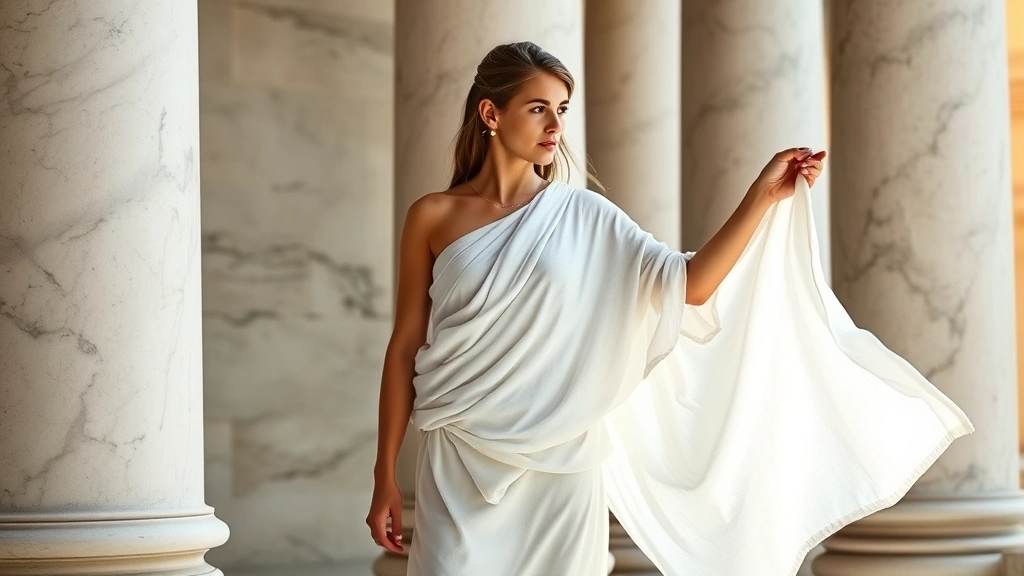
The chiton represents perhaps the most iconic garment of ancient Greece, a rectangular piece of fabric that served as the primary undergarment for both men and women. The term “chiton” actually encompasses several variations, each with subtle but meaningful differences. The Doric chiton, characteristic of earlier periods and southern Greece, was typically pinned at the shoulders and left open along one side, creating an elegant draped effect. The Ionic chiton, which emerged later and was particularly popular in Ionia, featured longer sleeves created through additional fabric pinning and was generally more elaborate. Both versions demonstrated the Greek mastery of proportion and the artistic use of negative space in fashion design.
The peplos, exclusively worn by women, represented the ultimate expression of feminine elegance in ancient Greece. This garment was essentially a large rectangle of fabric folded at the top to create a deep overfold, pinned at the shoulders, and belted at the waist. The peplos could be worn with the overfold extended, creating a distinctive silhouette that emphasized the natural curves of the female form while maintaining modesty and dignity. The beauty of the peplos lay in its adaptability—the depth of the overfold, the position of the belt, and the arrangement of the pins allowed women to customize the fit and drape to flatter their individual body types. This early example of tailored, body-conscious fashion demonstrates that the Greeks possessed sophisticated understanding of how fabric could enhance rather than conceal the human figure. When exploring fashion accessories, we find that the peplos’s simplicity actually highlighted the importance of complementary pieces like belts and brooches.
Both the chiton and peplos were typically made from linen or wool, with linen being preferred for warmer months and special occasions due to its luxurious appearance and drape. The himation, a large rectangular cloak worn over these base garments, provided additional versatility and could be draped in multiple ways depending on the wearer’s status, the occasion, and personal preference. This layering system created depth and visual interest while maintaining the fundamental principle of elegant simplicity that defined Greek fashion philosophy.
Draping Techniques and Silhouettes
The mastery of draping separates old Greek fashion from merely simple clothing—it elevates basic rectangular pieces of fabric into sculptural garments that rival modern tailoring in sophistication. Greek craftspeople understood the physics of fabric, gravity, and human movement in ways that wouldn’t be formally codified until centuries later. The strategic placement of pins, the selection of fabric weight, and the manipulation of folds created silhouettes that appeared effortless while requiring considerable skill to achieve. This technical mastery combined with artistic vision produced garments that served as wearable sculpture, celebrating the body while maintaining classical restraint.
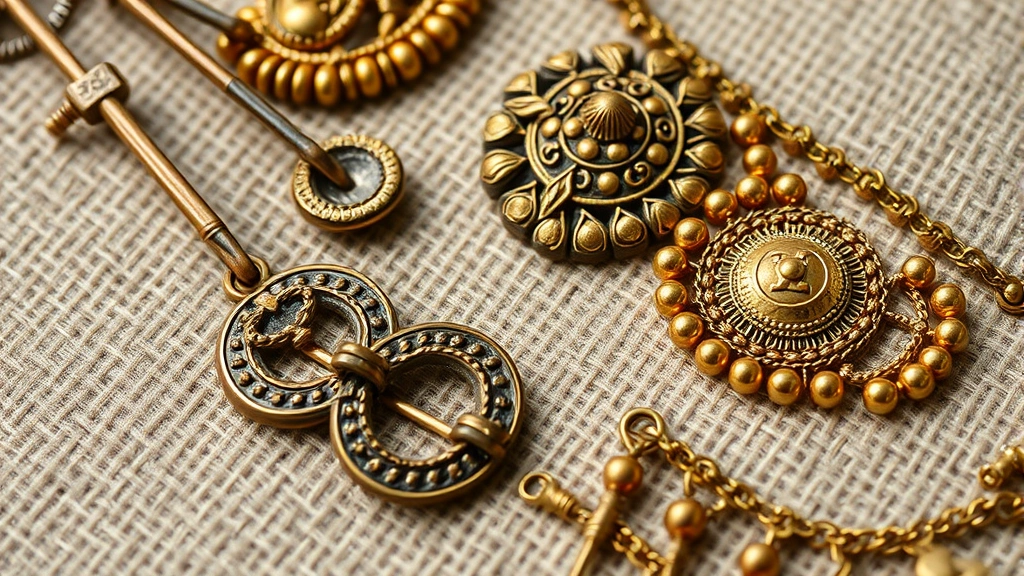
The most distinctive draping technique involved the use of fibulae—decorative pins typically made from bronze, silver, or gold depending on the wearer’s wealth and status. These weren’t merely functional fasteners; they were often elaborately designed and served as status symbols and artistic statements. The placement and style of fibulae could dramatically alter the appearance of a garment, allowing the wearer to adjust necklines, control fabric volume, and create custom silhouettes. This system of modular dressing anticipated modern fashion’s emphasis on customization and personal expression by nearly three thousand years.
The himation, in particular, demonstrated extraordinary versatility through draping. This rectangular garment could be worn in dozens of configurations—wrapped around the torso, draped over one shoulder, arranged as a head covering, or even used as a makeshift bag. The way a person wore their himation communicated their social status, profession, and sometimes political allegiances. Philosophers were often depicted wearing the himation in casual, loosely-draped configurations that suggested intellectual freedom, while soldiers and athletes favored arrangements that allowed greater mobility. This nuanced communication through garment styling established principles that remain central to understanding how to find your personal style in contemporary fashion contexts.
Footwear and Fashion Accessories
While Greek fashion is often remembered for its elegant simplicity in primary garments, the attention to detail extended to footwear and supplementary pieces. The Greeks created sophisticated sandals and boots that combined functionality with aesthetic appeal, understanding that accessories could elevate an entire ensemble. The most common footwear included simple leather sandals with various strap configurations, soft indoor slippers, and more protective boots for travel or military use. Even these practical items received artistic consideration, with sandals often featuring decorative elements and carefully proportioned straps that created pleasing visual lines.
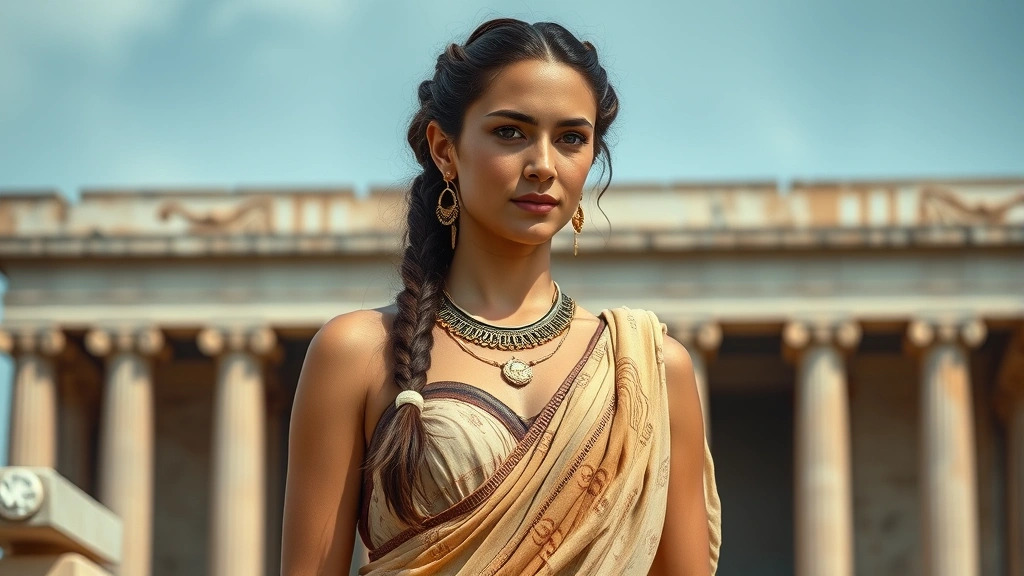
Jewelry held particular significance in Greek fashion, serving not only as decoration but as indicators of wealth, social position, and personal achievement. Women wore elaborate necklaces, bracelets, earrings, and hair ornaments crafted from gold, silver, bronze, and semi-precious stones. Men’s jewelry was generally more restrained, focusing on practical items like fibulae, rings, and occasionally arm bands that might indicate military rank or athletic achievement. The Greek approach to jewelry design emphasized geometric patterns, natural motifs, and proportional balance—the same principles governing their architectural and sculptural traditions. By exploring types of fashion across cultures and periods, we recognize that Greek accessory design established templates for elegant, timeless jewelry that influences contemporary design.
Hair styling represented another crucial element of Greek fashion, with both men and women investing considerable effort in elaborate arrangements. Women frequently wore their hair in braids, knots, and sophisticated updos, often adorned with ribbons, scarves, and decorative combs. Men, particularly younger men and athletes, displayed their hair with equal care, sometimes curling it and arranging it to frame the face in aesthetically pleasing ways. These hairstyles weren’t vanity but rather expressions of cultural values emphasizing beauty, order, and the pursuit of physical perfection as spiritual ideals.
Color, Fabrics, and Materials
Contrary to popular assumptions that ancient Greeks wore only white garments, old Greek fashion actually incorporated a sophisticated palette of colors, though the approach differed significantly from modern practices. The most common fabrics were wool and linen, with wool being more widely available and affordable for ordinary citizens, while linen represented a luxury item reserved for the wealthy and special occasions. The natural colors of these undyed fibers—cream, beige, and soft gray—formed the foundation of most wardrobes. However, those who could afford it commissioned garments in vibrant hues created through natural dyes derived from plants, minerals, and insects.
Purple represented the ultimate luxury color, derived from the murex snail and requiring enormous quantities of shellfish to produce even small amounts of dye. Purple-dyed garments were extraordinarily expensive and served as unmistakable markers of wealth and power. Emperors, kings, and the highest-ranking officials wore purple, and in some city-states, sumptuary laws actually prohibited ordinary citizens from wearing this prestigious color. Red, blue, yellow, and green were also available through various natural dyes, and wealthy Greeks often wore garments featuring multiple colors arranged in stripes or decorative bands. These colored sections typically appeared as borders or accents rather than covering entire garments, maintaining the aesthetic principle of elegant restraint that characterized Greek fashion.
The weaving techniques employed by Greek textile producers created fabrics of remarkable quality and sophistication. Fine linen could be woven so tightly and delicately that it became almost transparent, creating garments of ethereal beauty. Wool, meanwhile, was processed into various weights and textures, from heavy fulled cloth suitable for winter wear to lighter weaves appropriate for warmer months. The Greeks understood textile production as a sophisticated craft requiring years of training and experience, and exceptional weavers achieved celebrity status within their communities. This respect for craftsmanship established cultural values that continue influencing our appreciation for quality fashion and handmade garments today.
Gender Distinctions in Ancient Greek Dress
While Greek fashion was remarkably egalitarian compared to many ancient societies, distinct conventions governed how men and women dressed, reflecting cultural attitudes toward gender roles and social participation. Men’s fashion emphasized mobility and functionality, supporting active participation in public life, athletics, military service, and democratic processes. The typical male chiton was shorter, often ending just below the knee, allowing freedom of movement for these activities. Men frequently wore the himation draped in ways that left the right shoulder and arm bare, facilitating athletic activity and combat while displaying the idealized male physique that Greek culture celebrated.
Women’s fashion, by contrast, emphasized modesty and the presentation of a unified silhouette. The peplos and longer female chiton extended to the ankles, and the overfold of the peplos provided additional coverage and created a more formal appearance. Women’s garments were typically fuller and more voluminous, requiring more fabric and thus indicating wealth and status. The use of belts cinched at the waist or just below the bust created distinctive silhouettes that emphasized feminine curves while maintaining cultural standards of propriety. However, this apparent restriction shouldn’t be interpreted as oppressive—Greek women, particularly those of citizen status, took considerable pride in their appearance and used fashion as a means of expressing personality and status within culturally defined parameters.
The distinction between married and unmarried women was sometimes signaled through specific garment choices and styling conventions. Married women often wore more elaborate garments and more complex hairstyles, while young unmarried women sometimes wore simpler versions of the same basic pieces. These subtle distinctions created a visual language that allowed community members to immediately understand a woman’s marital and social status, a function that fashion has served across most human cultures and continues to serve today.
Regional Variations Across Greek City-States
While fundamental principles of Greek fashion remained consistent throughout the Greek-speaking world, distinctive regional variations emerged based on local traditions, available materials, and cultural preferences. The Dorian Greeks of southern Greece and the Peloponnese favored the simpler Doric chiton and peplos, with less elaborate ornamentation and a preference for wool. The Ionian Greeks of Asia Minor developed the more complex Ionic chiton with its characteristic sleeves and more elaborate styling possibilities. These regional variations reflected not merely aesthetic preferences but also philosophical and cultural differences between Greek communities.
Sparta, known for its austere military culture, developed a distinctive fashion aesthetic that emphasized simplicity and functionality even beyond typical Greek standards. Spartan women famously wore shorter peplos garments that scandalized other Greeks with their display of the leg, a choice reflecting Spartan philosophy that prioritized physical fitness and martial preparedness over conventional modesty. Spartan men favored minimal ornamentation and practical garments suitable for military life, rejecting the more elaborate styling preferences of Athens and other city-states. These regional distinctions demonstrate that even within a coherent cultural tradition, fashion served as a vehicle for expressing local values and identity.
Athens, as the cultural and intellectual center of the Greek world, became known for sophisticated and elegant fashion that balanced simplicity with refinement. Athenian fashion influenced styles throughout the Greek world and beyond, much as contemporary fashion capitals like Paris and Milan set trends that ripple across global fashion industries. The prosperity of Athens supported a wealthy class with the leisure time and financial resources to invest in fine garments and accessories, and this affluent population drove innovation and refinement in fashion design.
The Influence on Modern Fashion
The legacy of old Greek fashion extends far beyond historical interest—it continues to influence contemporary design, providing inspiration for collections from prestigious fashion houses and independent designers alike. The fundamental principles of Greek fashion philosophy remain remarkably relevant: the belief that elegance emerges from proportion and restraint rather than excessive ornamentation, the understanding that quality materials and skilled craftsmanship matter more than quantity, and the recognition that the human body itself provides the best canvas for fashion expression.
Contemporary designers frequently reference Greek silhouettes, draping techniques, and design principles when creating collections. The flowing, minimalist aesthetic that emerged as a major trend in the early 21st century owes considerable debt to Greek fashion principles. Designers like The Row, known for architectural simplicity and impeccable tailoring, explicitly draw inspiration from classical Greek ideals of proportion and elegance. The athleisure trend, which emphasizes functional beauty and the celebration of the athletic body, echoes Greek cultural values that elevated physical fitness to spiritual significance. Even the contemporary minimalist fashion movement, which rejects excessive ornamentation in favor of quality basics and timeless silhouettes, represents a modern manifestation of ancient Greek aesthetic philosophy.
The concept of the “capsule wardrobe”—a collection of essential pieces that can be mixed and matched to create numerous outfits—directly parallels the ancient Greek approach to fashion. Just as Greeks built their wardrobes around fundamental pieces like the chiton and himation that could be styled in multiple ways, modern fashion experts recommend investing in quality basics that serve as the foundation for a versatile, adaptable wardrobe. This timeless approach to dressing remains practical and economically sensible, making it increasingly appealing to consumers interested in sustainable fashion and mindful consumption. When exploring our style loom daily blog, you’ll find contemporary fashion advice that repeatedly circles back to these ancient Greek principles of quality, simplicity, and versatility.
Museums and fashion institutions worldwide maintain extensive collections of ancient Greek garments, fragments, and artistic representations that continue to inspire scholarly research and creative innovation. The Metropolitan Museum of Art, the British Museum, and the Acropolis Museum preserve invaluable examples of ancient textiles and jewelry that allow contemporary designers to study original techniques and materials. Fashion schools incorporate Greek design principles into their curricula, ensuring that new generations of designers understand and can apply these timeless aesthetic concepts. The enduring influence of Greek fashion demonstrates that true elegance, rooted in fundamental principles of harmony and proportion, transcends historical periods and remains eternally relevant.
The contemporary revival of classical aesthetics across fashion, interior design, and architecture suggests that Greek ideals of beauty and proportion resonate deeply with human psychology and aesthetic preferences. In an era characterized by rapid trends and disposable fashion, the stability and timelessness of Greek design principles offer both intellectual grounding and practical guidance for individuals seeking to develop personal style that will endure beyond seasonal fluctuations.
FAQ
What fabrics did ancient Greeks use for their clothing?
Ancient Greeks primarily used wool and linen. Wool was the most common and affordable material, accessible to ordinary citizens, while linen represented a luxury item reserved for the wealthy and special occasions. Fine linen could be woven to remarkable delicacy, creating nearly transparent garments for those who could afford them. Wool was processed into various weights, from heavy fulled cloth for winter to lighter weaves for warmer months.
How did Greek fashion differ between men and women?
Men’s fashion emphasized mobility and functionality, with shorter chitons that ended below the knee and himations draped to leave the right arm bare for athletic and military activities. Women’s fashion emphasized modesty and formal presentation, with longer garments extending to the ankles and fuller silhouettes using more fabric. These differences reflected cultural attitudes toward gender roles and social participation rather than oppressive restrictions, as women took considerable pride in their appearance and fashion choices.
What were fibulae and why were they important?
Fibulae were decorative pins typically made from bronze, silver, or gold that fastened Greek garments. Beyond their functional role, they served as status symbols and artistic statements. The placement and style of fibulae allowed wearers to customize garment silhouettes and communicate social information, making them crucial elements of Greek fashion expression and personal styling.
How did purple become such a prestigious color in ancient Greece?
Purple dye was derived from the murex snail, requiring enormous quantities of shellfish to produce even small amounts of dye. This rarity and labor-intensive production process made purple-dyed garments extraordinarily expensive, accessible only to the wealthiest and most powerful individuals. In many Greek city-states, sumptuary laws actually prohibited ordinary citizens from wearing purple, reserving this color exclusively for rulers and the highest-ranking officials.
How does ancient Greek fashion influence modern design?
Contemporary designers frequently reference Greek silhouettes, draping techniques, and design principles. The minimalist aesthetic trend, capsule wardrobe concept, and emphasis on quality over quantity all reflect Greek fashion philosophy. Designers deliberately study ancient Greek garments in museum collections to understand original techniques and materials, incorporating these insights into modern collections that honor classical principles while meeting contemporary needs.
What is the difference between a chiton and a peplos?
The chiton was worn by both men and women as a primary undergarment made from a rectangular piece of fabric pinned at the shoulders. The peplos was worn exclusively by women and featured a distinctive deep overfold created by folding the fabric at the top, then pinning at the shoulders and belting at the waist. The peplos’s overfold and belting system created a more formal silhouette than the simpler chiton.
Did ancient Greeks wear different clothing for different occasions?
Yes, ancient Greeks adapted their basic garments for different contexts. Athletic competitions and military service required functional, minimal clothing that allowed freedom of movement. Formal occasions and public appearances called for more elaborate garments featuring finer fabrics, more complex draping, and more elaborate accessories. The himation, in particular, could be worn in dozens of configurations depending on the occasion and the wearer’s desire to communicate specific social messages.